How does the Woolly Bear's overwintering state differ from true hibernation seen in mammals?
Answer
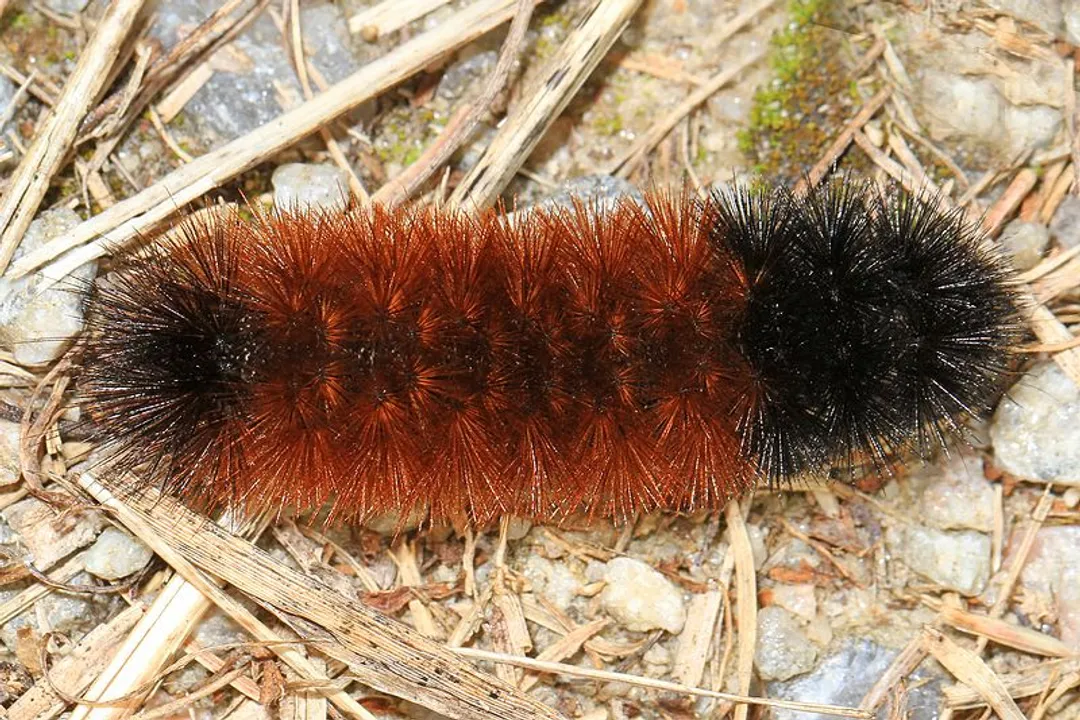
The Woolly Bear remains capable of reacting to stimuli, such as curling when touched.
While diapause involves a drastic reduction in the insect’s metabolic rate, it is fundamentally different from the sustained, deep torpor characterizing true hibernation in mammals. The critical distinction is responsiveness: a Woolly Bear in diapause is not completely inert; it retains a level of capability allowing it to react defensively (like curling up) if physically provoked. True hibernation generally implies a more profound, sustained suspension of nearly all life processes until favorable conditions return.
Related Questions
What is the scientific name associated with the Woolly Bear larva?What defensive tactic does the Woolly Bear employ when disturbed or approached?What are the primary cryoprotectant compounds produced by P. isabella for freeze tolerance?What is the technical name for the stiff hairs that cover the Woolly Bear caterpillar?What environmental cues work together to signal the necessity for diapause entry in the autumn?What characterizes the Woolly Bear's role in terms of its feeding habits?What is the primary consequence of the high energy expenditure during the Woolly Bear's fall feeding phase?According to scientific investigation, what truly determines the width of the black bands on the Woolly Bear?What critical risk profile is associated with the Woolly Bear's Freeze Tolerance strategy?How does the Woolly Bear's overwintering state differ from true hibernation seen in mammals?What advantage does the Woolly Bear's adaptation grant it compared to species utilizing Freeze Avoidance?