How to identify a woolly bear caterpillar?
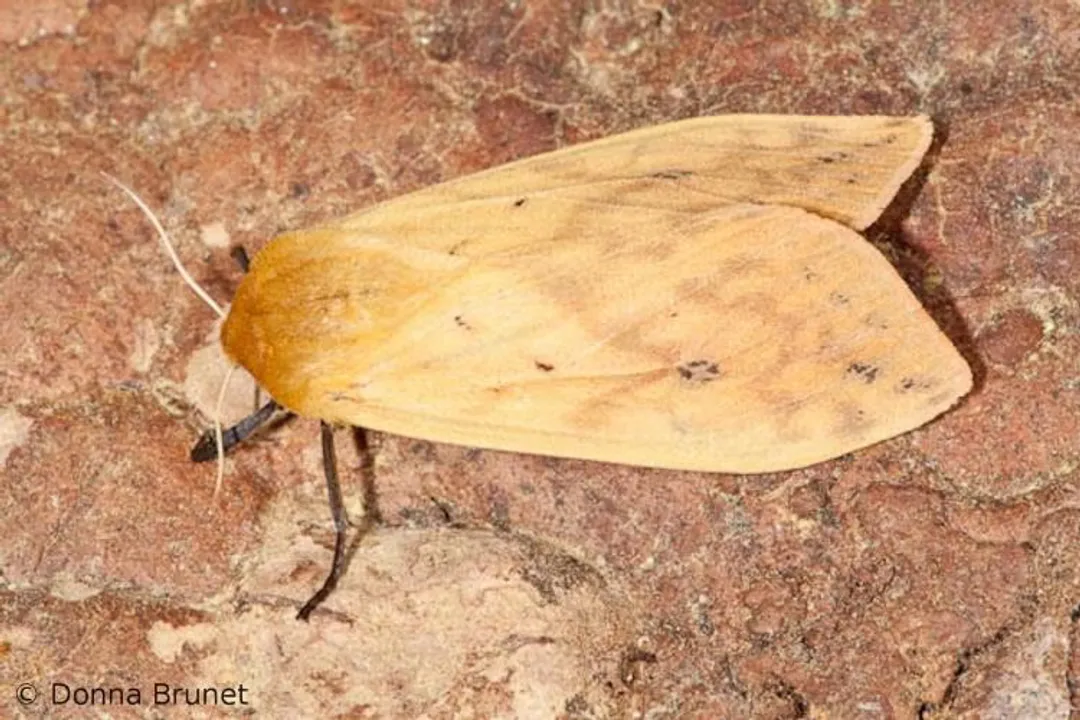
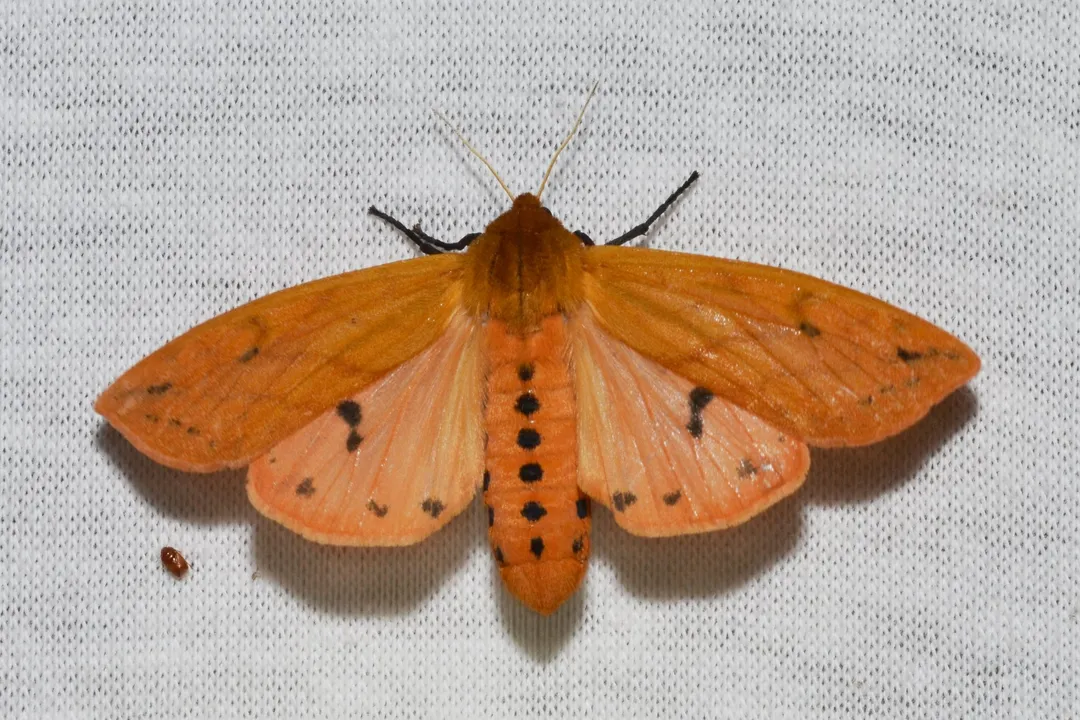
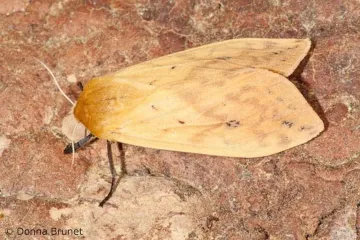
The fuzzy caterpillar that seems to pop up everywhere in the fall, often leading to roadside speculation about the coming winter, is known generally as the woolly bear. While the name gets applied to many bristly larvae, the most famous and frequently encountered variety is the caterpillar of the Isabella Tiger Moth, scientifically classified as Pyrrharctia isabella. [8][9] Spotting one means you are likely seeing an insect that has completed its feeding cycle and is now actively searching for a sheltered spot to spend the colder months. [1][4]
# Identifying Features
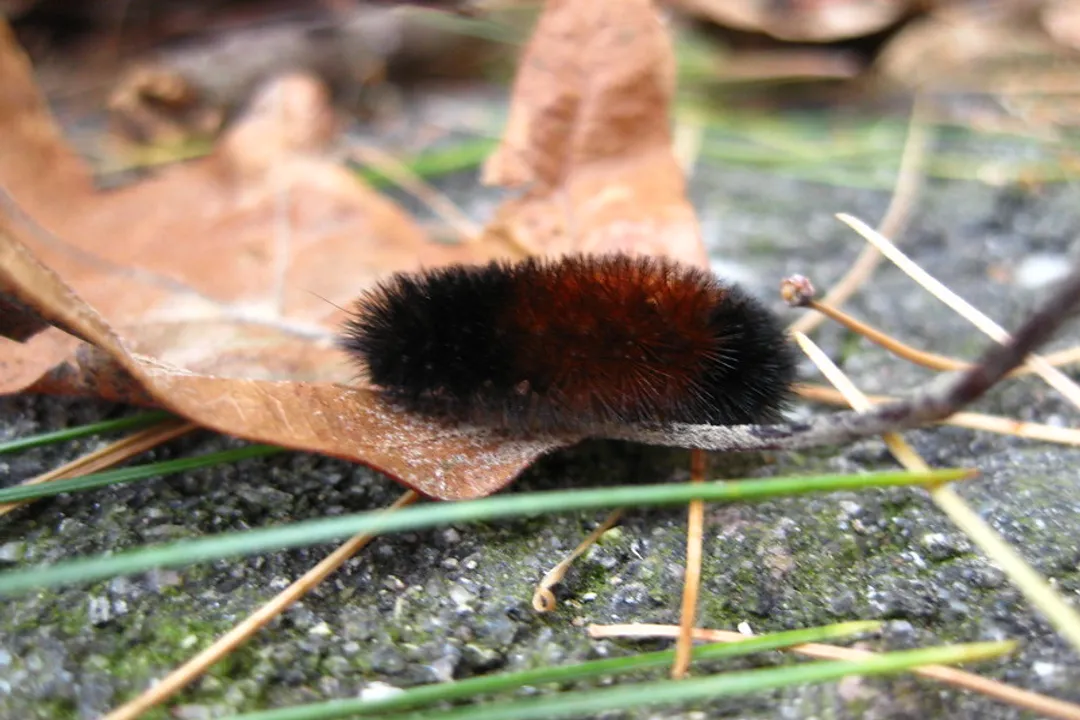
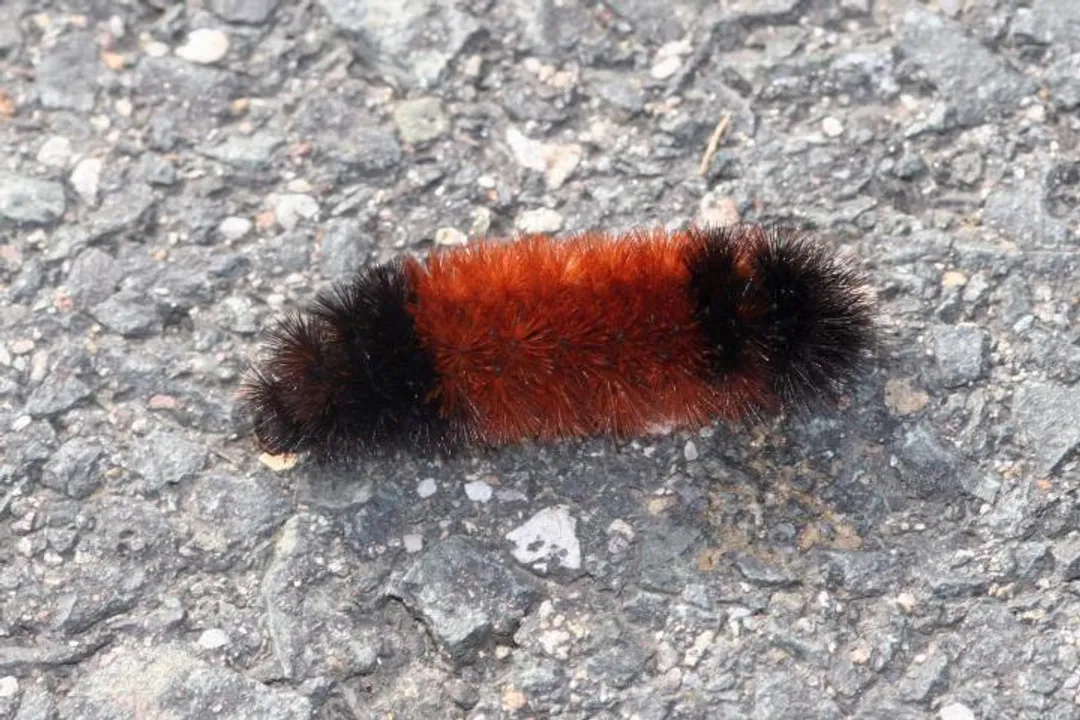
The primary clue for identifying this specific type of woolly bear is its striking, tri-colored banding pattern. [1][3] A mature Isabella Tiger Moth larva typically displays dark, rusty-red or brown bristles in the center, bordered by bands of black hairs at both the head and tail ends. [5][9] The common description is often summarized as black, rusty-red, black, moving from front to back. [1]
However, the appearance is not static, which adds an interesting layer to identification. These color bands are known to change width depending on the environment. [1] If the caterpillar is feeling stressed, cold, or has just been disturbed, you may notice the black bands appear wider, pushing in on the central reddish band. [1][3][5] Conversely, when temperatures are warmer or the caterpillar is more relaxed, the reddish-brown section will appear broader. [4] This variability is key, as a caterpillar with nearly equal bands is common, but one where the black bands dominate might be bracing for a cold spell. [5]
It is important to remember that "woolly bear" is a casual moniker, and several other furry caterpillars share this nickname, potentially causing confusion. [5] For instance, the Giant Leopard Moth caterpillar is another common sight, but it is easily distinguished because it is entirely covered in long, dense black bristles, lacking the characteristic rusty middle section of the Isabella Tiger Moth. [5] If you encounter a caterpillar that is uniformly fuzzy and black, you are looking at a different species altogether. [5]
# Behavior and Defense
When an Isabella Tiger Moth caterpillar feels threatened—perhaps you’ve picked it up or a bird has swooped near—it exhibits a very predictable, innate defense mechanism: curling. [3][5][9] The larva will tuck its head and tail under its body, rolling into a tight, impenetrable little ball. [3][5] This defensive posture effectively hides the softer underparts and makes it much harder for a predator to get a grip on the bristly exterior. [9]
These caterpillars are most visible during their migration phase, which usually happens in autumn as they leave their summer feeding grounds to find protection for hibernation. [1][4] They move slowly across sidewalks, roads, and lawns, often looking determined as they search for leaf litter, loose soil, or wood piles where they can settle in. [4][9]
# Habitat and Diet
The diet of the woolly bear is quite generalist, which contributes to its widespread distribution. [5][9] They are not picky eaters, preferring low-growing vegetation found in fields, gardens, and disturbed areas. [5] Common food sources include plants like clover, plantain, dandelion, and various grasses. [9] This flexibility in diet means they thrive in many different environments, from wild meadows to suburban lawns. [5]
When seeking a place to hibernate, they are looking for shelter that provides insulation and stability through the winter freezes. [1][4] They overwinter as the larva, essentially putting their metabolism on pause, often tucked away just beneath the surface of the soil or hidden under a protective layer of dead leaves or bark. [9] They will remain in this dormant state until the spring warmth signals it is time to resume feeding before finally pupating into the adult moth. [9]
# Winter Lore Tested
Perhaps the most enduring aspect of the woolly bear is the folklore surrounding its band width as a weather predictor. The popular story suggests that the wider the rusty-brown band is in the fall, the milder the upcoming winter will be, implying that a very narrow brown band predicts a harsh, long winter. [1][2][3] The reasoning behind this idea is that a wider brown band indicates the caterpillar had a long, successful feeding season, suggesting mild temperatures allowed for more growth before dormancy set in. [4]
While this makes for enjoyable campfire conversation, natural scientists generally agree that this specific coloration is not a reliable weather forecasting tool. [2][4] The final color ratio is heavily influenced by the immediate conditions right before the caterpillar settles down for the deep cold, not necessarily the overall trend for the entire coming season. [4] If you live in a region with highly variable autumn temperatures, the "prediction" might only be accurate for the next few weeks, as the final band width is set by the temperature just before they settle in for deep hibernation. [2][4] The true determinant for winter survival is their ability to find adequate shelter, not the specific millimeter measurement of their hair bands. [1]
A helpful way to contextualize this folklore is to consider it a measure of recent success rather than future prophecy. A robust, wide central band simply shows the caterpillar had an excellent summer and early fall for feeding. [4]
# Observing Safely
When you find one of these fascinating larvae traversing your yard or sidewalk, the best approach is observation from a respectful distance. [9] If you must move it from a dangerous location, like the middle of a road, gently pick it up using a leaf or container and place it in the nearest patch of grass or under some protective debris, ensuring you place it in the direction it was already heading. [9] Avoid squeezing or handling it roughly, as this can damage its delicate bristles or trigger unnecessary stress responses. [3]
When looking for these late-season wanderers, remember they are cold-blooded and inactive on chilly, cloudy days. The best time for an encounter is often on a sunny afternoon following a cool night, when ambient temperatures are finally warm enough for them to resume their search for a safe overwintering spot, usually between late September and mid-November, depending on the northern latitude. [1][4] They are a delightful sign of seasonal change, signaling that the natural world is preparing to rest before the next burst of spring activity. [9]
Related Questions
#Citations
Woolly Bear Caterpillar Identification and Gardening Tips - Facebook
Woolly Bear Caterpillars and Winter Weather Predictions?
All about Woolly Bears | Sunflower Seeds
Woolly Bear Caterpillar: A Winter Weather Predictor or Not?
Woollybear Caterpillar | Yard and Garden - Iowa State University
How to Identify and Get Rid of Wolly Bear Caterpillars
Creature Feature: Woolly Bear Caterpillar - Raritan Headwaters
Pyrrharctia isabella - Wikipedia
Isabella Tiger Moth (Woolly Bear; Woolly Worm)