Woolly Bear Caterpillar Evolution
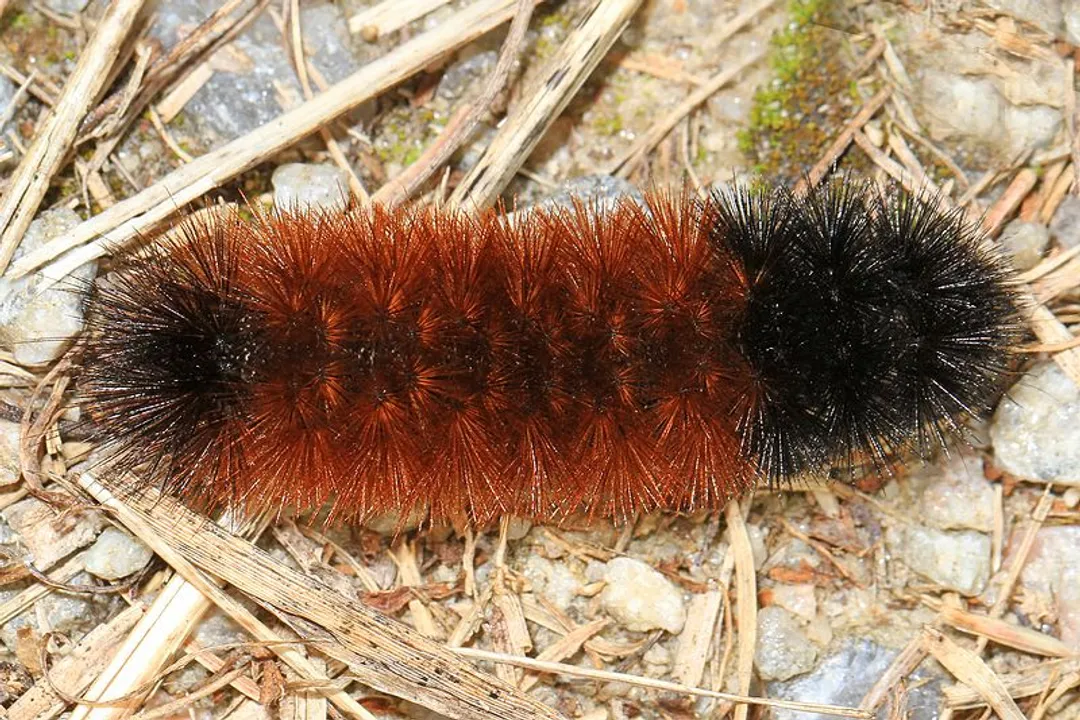
The fuzzy caterpillar seen scrambling across sidewalks and lawns in the autumn chill is instantly recognizable, often sparking childhood memories or hurried phone photography. This creature, known widely as the Woolly Bear, is more than just a hairy Halloween mascot; it represents a remarkable case study in insect adaptation, particularly concerning extreme cold survival. Its continued presence across North America speaks to an evolutionary success story written in antifreeze proteins and carefully timed developmental arrests.
# Fuzzy Identity
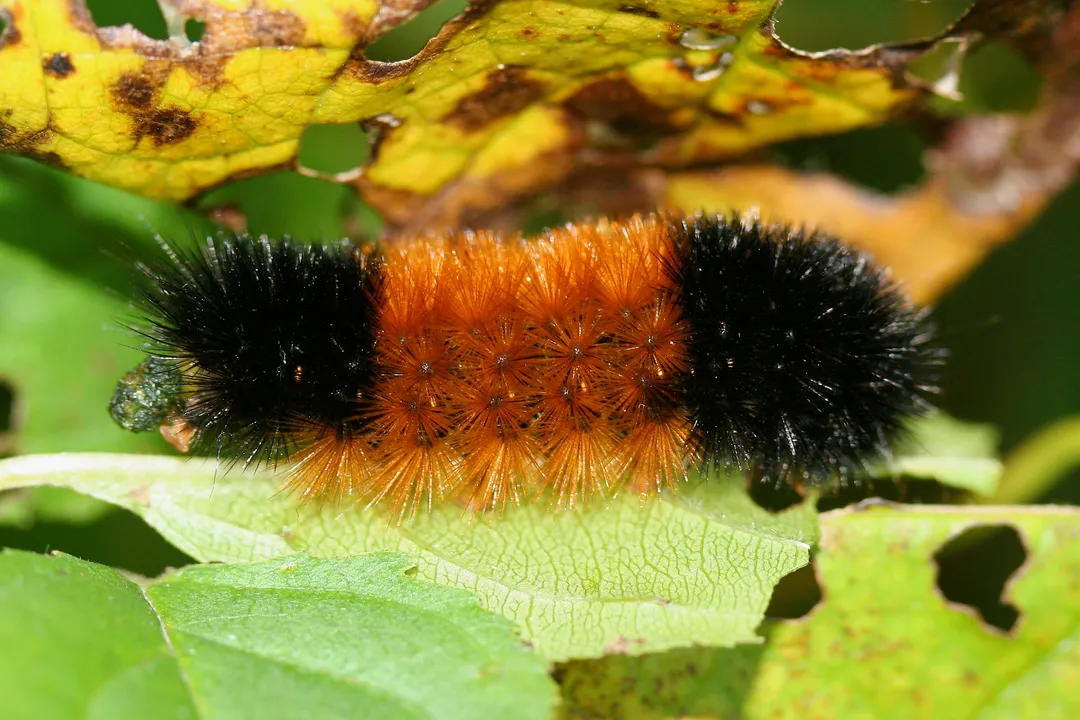
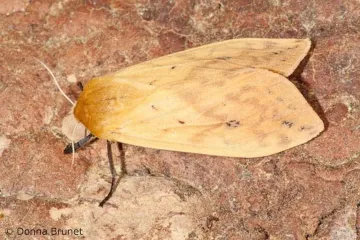
The creature we commonly call the Woolly Bear is the larval stage of the Isabella Tiger Moth, scientifically named Pyrrharctia isabella. While the name "Woolly Bear" is applied broadly to many hairy caterpillars, it is most accurately associated with this specific species. These larvae are characterized by their striking, banded coloration, featuring rings of black or dark brown alternating with shades of reddish-brown or lighter brown. Despite the bristly appearance, their exterior covering consists of stiff hairs, technically called setae, and these hairs do not possess stingers, making them harmless to touch, although it is often wise to leave wildlife undisturbed. When approached or disturbed, the caterpillar employs a simple yet effective defensive tactic: it quickly curls into a tight ball, protecting its softer underside and presenting a prickly sphere to potential predators.
# Generalist Diet
A key factor contributing to the persistence of P. isabella across varied North American landscapes is its flexible diet. The Woolly Bear caterpillar is not a picky eater; it functions as a generalist herbivore. This broad palate allows it to thrive in many different habitats where specialized feeders might struggle if their host plant became scarce. As larvae, they consume a wide array of low-growing plants. This includes common weeds and roadside flora such as dandelions, clover, and plantain, though they are known to feed on more than one hundred different plant species. Their feeding strategy peaks during the warmer months and especially in the fall, where they exhibit voracious appetites, packing on necessary energy reserves before the onset of winter. This heavy feeding phase is crucial because it fuels the complex biochemical processes required for surviving months in a frozen state.
# Winter Survival Chemistry
The most astounding aspect of the Woolly Bear's biology, and the strongest evidence of its successful evolutionary path, is its ability to endure being frozen solid during the long northern winters. This survival mechanism is not simple dormancy; it involves entering a state called diapause, a form of developmental arrest triggered by environmental cues like falling temperatures and shorter daylight hours in the autumn. When the caterpillar prepares for winter, it begins actively producing natural cryoprotectants within its body fluids. These compounds, primarily glucose and glycerol, function like biological antifreeze. By lowering the freezing point of its internal water content, the caterpillar can survive temperatures well below () while remaining encased in ice. This is a significant physiological adaptation; while many insects survive winter by simply avoiding freezing, P. isabella actively manages the freezing process, allowing it to remain dormant and protected beneath leaf litter or bark until spring warmth signals the end of diapause.
The capacity to survive such extreme cold represents an enormous selective advantage, allowing the species to inhabit northern latitudes where many other lepidopteran species cannot persist year-round. The biochemical pathway to produce these specific sugars and polyols under cold stress must have been refined over countless generations, optimizing the ratio of cryoprotectant to water content for maximum survivability in the local climate.
# Seasonal Trigger
The timing of this massive physiological shift is tightly regulated by environmental cues. The caterpillar actively searches for a secure overwintering site as temperatures decline in the fall. This search behavior is essential because the chemical changes required for freeze tolerance take time to implement; they cannot be activated instantly once temperatures plummet. Shorter photoperiods (less daylight) and cooling temperatures work in concert to signal the necessity of entering diapause and initiating the production of antifreeze agents. This behavioral preparation, combined with the biochemical defense, showcases a dual-layered survival strategy. If a particularly warm fall delays the cooling cues, the caterpillars might continue feeding longer, potentially leaving them ill-prepared if an unseasonable deep freeze arrives before they have synthesized sufficient glycerol.
It is important to differentiate this overwintering state from true hibernation seen in mammals. In diapause, the insect’s metabolic rate drops drastically, but it is not the same sustained, deep torpor. The Woolly Bear is capable of reacting—it will curl up when touched, for instance—but its overall life processes are nearly suspended until spring returns.
# Color Myths
One of the most persistent pieces of folklore associated with the Woolly Bear involves its coloration. Many people believe that the width of the black bands on the caterpillar dictates the severity of the coming winter. Specifically, a wider black band is often thought to predict a long or harsh winter, while a wider brown band suggests a mild one. From a scientific perspective, this correlation has been investigated and found lacking in concrete evidence. The color banding is actually a result of the caterpillar’s growth stage, known as its instar. As the larva grows, it sheds its skin, and the subsequent coloration can vary based on factors such as nutrition, age, and localized environmental conditions during that specific molt, not an absolute predictor of future weather patterns. In fact, a caterpillar that has shed its skin recently might look different from one that has been active for several more weeks before settling down for winter. The perceived correlation often arises because caterpillars that feed longer into the fall (perhaps due to a late start or excellent local food) have more time to develop through several instars, potentially leading to a larger size and distinct banding patterns just before they hibernate, coinciding with the onset of colder weather.
Considering the primary survival strategy hinges on antifreeze chemistry, relying on the color band width for seasonal planning is misplaced effort. A more reliable, albeit less dramatic, indicator of the coming winter's character would be the actual atmospheric temperature trends observed in late autumn, which directly influence the pace of diapause induction.
# Adaptation Strategy
The evolutionary path of the Woolly Bear has favored adaptability in two major arenas: metabolic engineering and behavioral timing. The ability to synthesize and tolerate high concentrations of antifreeze compounds is a complex genetic trait that separates successful overwintering insects from those that must migrate or die. Had this species not developed such robust cryoprotective capabilities, its range would likely be confined to more temperate zones.
Here is a comparison between two successful overwintering strategies common in temperate insects, highlighting the Woolly Bear's specific approach:
| Strategy | Primary Mechanism | Energy Cost (Pre-Overwintering) | Survival Risk Profile |
|---|---|---|---|
| Woolly Bear | Freeze Tolerance (Cryoprotectants) | High (Must synthesize sugars/glycerol) | Risk of insufficient chemical preparation before first hard freeze |
| Other Moth Larvae | Freeze Avoidance (Supercooling) | Moderate (Focus on finding dry, insulated spot) | Risk of internal ice nucleation due to environmental moisture fluctuations |
When observing one of these hardy larvae, it’s fascinating to consider the energy budget it has managed. A significant portion of its larval life is spent consuming food not for immediate growth, but for storage as metabolic fuel and chemical stabilizers. This trade-off means that the time spent actively feeding in the fall is relatively short compared to the many months spent in suspended animation. If you come across a Woolly Bear in late fall, take a moment to appreciate that the physical bulk you see represents stored potential—it is an animal actively performing biochemical preparation for a deep freeze, rather than simply hiding from it. Its success is a testament to the power of incremental evolution favoring those individuals best equipped to manage the transition from summer abundance to winter scarcity.
Related Questions
#Citations
Pyrrharctia isabella - Wikipedia
How the Woolly Bear Caterpillar Turns into a Popsicle to Survive the ...
Wooly Bear Caterpillars | Nature, Garden, Life
Minnesota Profile: Banded Woolly Bear (Pyrrharctia Isabella)
Woolly Bear Caterpillar - Mountain Lake Biological Station
Creature Feature: Wooly Bear Caterpillar - Bugs In Our Backyard
A furry gram of divinity, curled up in your hand - Science Musings
Examining the woollybear caterpillar as it makes its seasonal ...
Creature Feature: Woolly Bear Caterpillar - Raritan Headwaters
[PDF] Wetlands Invertebrates Banded Woollybear(Isabella Tiger Moth larva)