Woolly Mammoth Evolution
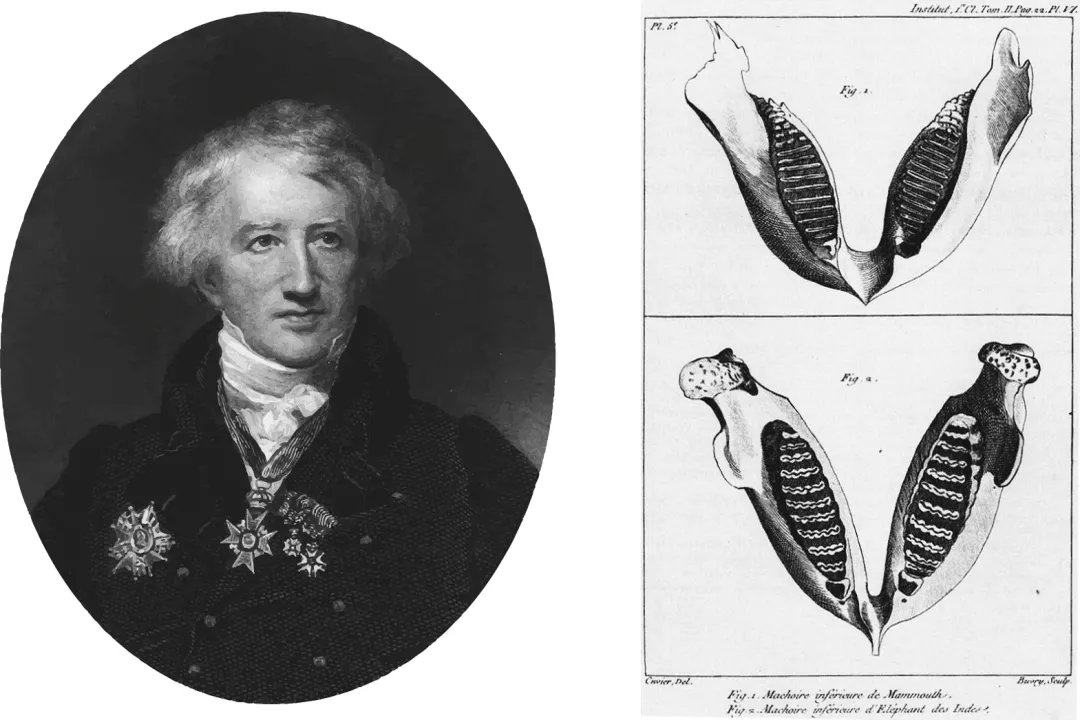
The image of the woolly mammoth, an enormous, shaggy behemoth roaming the cold plains of the Pleistocene, is deeply ingrained in our understanding of Ice Age life. Yet, the story of how this iconic creature came to be is a complex one, stretching back millions of years through a lineage that saw dramatic environmental pressures shape one of Earth’s most successful megafauna. Far from being a static entity, the woolly mammoth, Mammuthus primigenius, was the culmination of an evolutionary process marked by divergence, adaptation, and geographical expansion within the broader proboscidean family. [1][5]
# Elephant Relatives

Mammoths belong to the order Proboscidea, the group that includes modern elephants and extinct relatives like gomphotheres. [5] The lineage leading to mammoths separated from the ancestors of modern elephants relatively early in the evolutionary timeline. [1] Specifically, the common ancestor shared by mammoths and modern elephants is thought to have lived approximately 7.6 million years ago (Mya). [3] This divergence set the stage for the mammoths to develop traits suited for colder, more arid environments than those favoring their elephant cousins. [5]
The earliest known member of the Mammuthus genus is often cited as Mammuthus africanavus from North Africa, dating back about 5 million years, though the specific ancestry leading directly to the woolly form is subject to refinement as new fossil evidence emerges. [1][10] What is clear is that the evolutionary tree branched significantly, leading to various mammoth species adapted to different parts of the globe. [3] The earliest mammoths, such as M. meridionalis (the southern mammoth), were generally larger and less hairy than their later, more famous descendants. [10]
# Evolutionary Splits
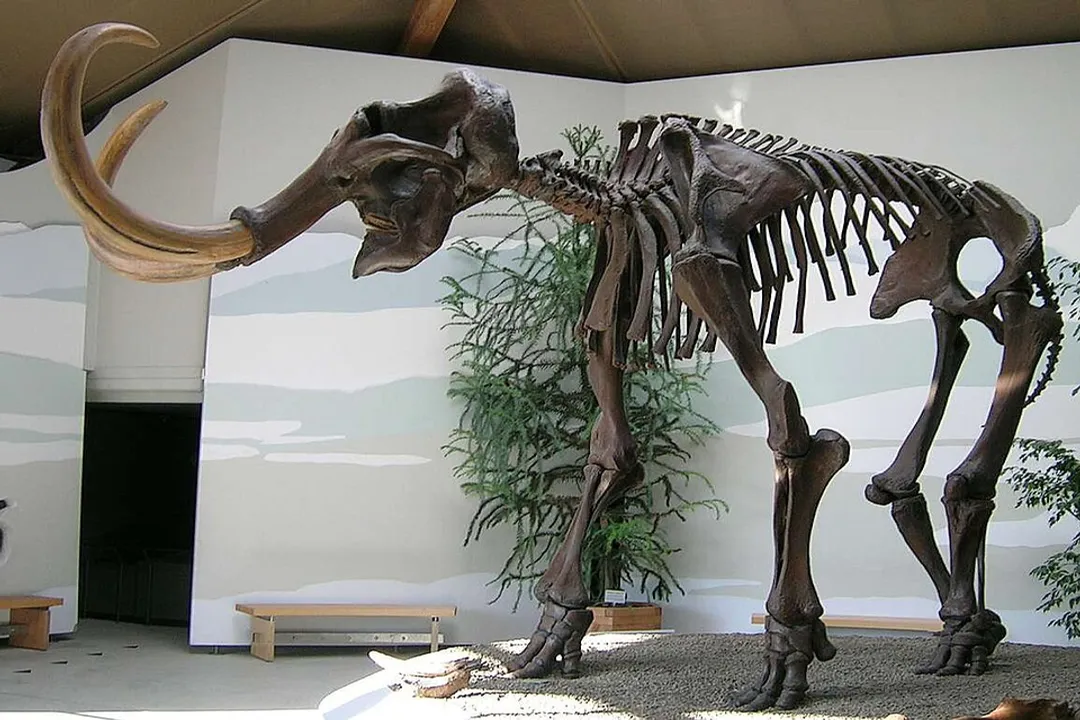
The evolutionary path wasn't a straight line leading inevitably to the shaggy beast of the Ice Age. It involved several distinct species occupying various continents over vast stretches of time. [3][5] For instance, the Columbian mammoth (M. columbi), which coexisted with the woolly mammoth in North America, represented a distinct, though closely related, evolutionary branch. [5][10] Genetic studies have shed critical light on these relationships, confirming that the woolly mammoth's closest living relatives today are the Asian elephants, not the African elephants. [6][9]
A crucial divergence point separates the ancestors of the woolly mammoth from those of the Columbian mammoth, a split that occurred perhaps around 1.5 million years ago. [5] While the Columbian mammoths often inhabited warmer regions of North America, the woolly mammoths evolved specialized traits that allowed them to thrive in the cold, dry steppes of the far north. [10] The very existence of multiple mammoth species across Eurasia and the Americas indicates a high degree of adaptive radiation following the initial appearance of the Mammuthus genus. [3]
# Trait Development
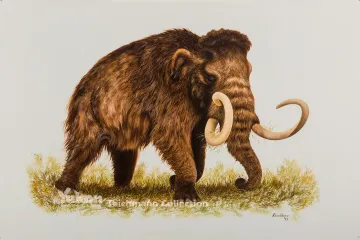
The most defining characteristic of the woolly mammoth is, undoubtedly, its thick coat of hair and insulating fat layer, adaptations essential for surviving the harsh periglacial environments of the Pleistocene. [4] However, genetic evidence suggests that the evolutionary timeline for these features might be more recent than long assumed. [6] Initial interpretations based purely on fossil morphology often suggested that the heavy insulation developed concurrently with the mammoth's expansion into the far north. [10]
Recent ancient DNA sequencing, however, has provided a more nuanced picture. [6] Studies analyzing the genomes of various mammoth relatives indicate that key adaptations related to cold survival, such as the genes responsible for producing thick, dense hair, may have evolved after the initial split from other mammoth lineages, possibly only a few hundred thousand years ago. [6] This suggests that not all mammoths were "woolly" for the entirety of their evolutionary history. [6] Early mammoths likely possessed thinner coats, evolving the thick insulation as a response to the rapidly cooling climate during the Ice Ages. [10]
Consider a hypothetical scenario where an early mammoth population migrated north while temperatures were still relatively mild compared to the glacial maximums. [6] These initial northern migrants might have looked more like their southern relatives, possessing shorter hair, perhaps only developing the signature thick shag and smaller ears (to minimize heat loss) as selective pressures intensified over subsequent millennia. This delayed evolution of the shaggy phenotype contrasts with the development of other features, such as body size, which evolved much earlier in the Mammuthus lineage. [1][3]
# Distribution and Range Shift
The expansion of the woolly mammoth across continents is a testament to its adaptability. [1] Originating likely in Siberia, the species spread across Eurasia and eventually crossed the Bering Land Bridge into North America. [5] This massive range meant that woolly mammoths occupied environments stretching from the Iberian Peninsula across the mammoth steppe into Alaska and the Yukon. [1]
The habitat they preferred was not necessarily a frozen tundra, but rather the mammoth steppe, a biome characterized by cold, dry, grassy plains. [10] This contrasts sharply with the dense forests or modern icy tundra often depicted. [1] Their grazing strategy, which involved consuming vast amounts of coarse grasses, was highly efficient for this steppe environment. [4]
An interesting point for comparison lies in the geographic success of the species. While the Columbian mammoth occupied the southern extent of the Americas, the woolly mammoths dominated the northern latitudes. [5][10] This difference in successful habitat exploitation suggests differing selective pressures shaped their physical forms, with the woolly form being hyper-adapted to cold and dry conditions, while the Columbian form maintained traits better suited to the varied landscapes further south. [3] Mapping the fossil distribution over time shows a clear trend: the definitive M. primigenius morphology solidified in the northern regions as the climate cooled. [1]

# Genetic Clues
The ability to extract and sequence ancient DNA from frozen remains has provided an unprecedented look into mammoth evolution, moving the field beyond the limitations of skeletal morphology alone. [2][6] Analyzing the genomes of mammoths from different time periods and locations allows scientists to trace specific adaptations backward in time. [9] For example, studies have identified specific genetic mutations that likely confer cold tolerance in mammoths, such as changes in the genes related to fat metabolism, hair production, and hemoglobin. [2][6]
One compelling discovery arising from these genomic projects involves the degree of genetic isolation and admixture. [9] Researchers have mapped out when specific populations of mammoths split from one another and when they interbred with other related species, such as the Columbian mammoth. [5][9] Understanding these admixture events is vital because they reveal how environmental pressures might have caused interbreeding between closely related but geographically separated groups, potentially sharing beneficial cold-weather genes.
To illustrate the power of this method, imagine a time series where we look at mammoth remains dated to 600,000 years ago versus 30,000 years ago. [6] The older specimen, if genetically sequenced, might show a genome closer to that of an ancestral steppe mammoth, lacking the specific genetic markers for ultra-dense underfur found in the later, more specialized Ice Age survivors. [6] This DNA evidence acts as a molecular clock, validating and refining the evolutionary timescale previously established by paleontology. [2]
# Final Populations
The vast evolutionary success of the woolly mammoth eventually ended, though the timing and reasons remain subjects of intense debate. [4][10] Most woolly mammoths disappeared around 10,000 years ago, coinciding with the end of the Pleistocene epoch and the dramatic warming and environmental shifts that followed. [1] The mammoth steppe largely gave way to less productive environments for grazers, like dense boreal forests or swampy tundra. [4][10]
However, the extinction was not uniform. [1] Isolated populations persisted long after the main continental groups vanished. The most famous example is the population surviving on Wrangel Island in the Arctic Ocean, which persisted until as recently as about 4,000 years ago, far outliving their mainland counterparts. [1][4] These island populations, due to their isolation, experienced a unique, albeit brief, final chapter of their evolution, potentially suffering from genetic bottlenecks and inbreeding depression, which may have contributed to their final demise. [4]
When assessing the final decline, it is important to compare the roles of climate versus human impact. [10] While rapid warming fundamentally altered their primary food source—the grassy steppe—the arrival of modern humans across their range likely added significant hunting pressure. [1] It’s probable that for the mainland populations, a combination of habitat contraction due to climate change and predation by human hunters proved insurmountable. [4][10] The tiny, relict population on Wrangel Island, however, survived the warming period only to succumb, likely due to the effects of small population size before humans ever reached the island in significant numbers, though human contact cannot be entirely ruled out for all late populations. [1][4]
# Evolutionary Synthesis
The story of the woolly mammoth evolution is a classic case of allopatric speciation and subsequent adaptation driven by global climate shifts. [3] The initial split established the Mammuthus genus, characterized by larger size and specialized molars for grazing tough vegetation. [5] Subsequent evolutionary refinements, driven by the expansion into colder latitudes, layered on the specialized insulation and altered body proportions seen in M. primigenius. [1][10]
If we were to construct an evolutionary timeline based on the evidence, it might look like this, prioritizing genetic findings over purely morphological assumptions:
| Evolutionary Stage | Approximate Timeframe (Before Present) | Dominant Feature | Key Driver |
|---|---|---|---|
| Ancestral Split | > 5 Million Years Ago | Emergence of Mammuthus lineage | Continental shifts, initial cooling |
| Megafaunal Expansion | ~1.5 Million Years Ago | Larger size, early grazing specialization | Spread across Eurasia/Africa |
| Bifurcation | ~1.5 Million Years Ago | Woolly vs. Columbian lineages separate | Geographic isolation and regional climate |
| Cold Adaptation | < 500,000 Years Ago | Dense hair, small ears, fat storage genes activate | Extreme cold of glacial maxima |
| Final Decline | 11,000 to 4,000 Years Ago | Range reduction and local extinctions | Climate change and human presence |
The contrast between the relatively early establishment of the Mammuthus form (large size, grazing teeth) and the much later appearance of the characteristic thick coat provides a key analytical takeaway. [6] It suggests that the initial adaptive pressure for mammoths was handling large amounts of tough, low-quality forage, perhaps leading to size increase, whereas the later, more specialized pressure was surviving sustained, extreme cold. [2][10] Had the Ice Ages not occurred or been less severe, the woolly mammoth might simply have remained a less shaggy, if still recognizable, relative of the steppe mammoth. [5] The evolutionary trajectory was thus highly sensitive to the fluctuating intensity of the Pleistocene climate cycles. [3]
The ongoing work to sequence and compare ancient DNA from specimens across the mammoth's vast former range continues to refine this narrative, confirming that evolution is not just about what we see in the bones, but about the genetic toolkit that enabled survival across millennia of environmental volatility. [2][9] The woolly mammoth stands as a powerful example of rapid, powerful adaptation in response to one of Earth's most extreme climatic regimes. [1]
#Videos
Evolution of the woolly mammoth - BBC science - YouTube
Related Questions
#Citations
Woolly mammoth - Wikipedia
Evolution: Untangling the woolly mammoth - ScienceDirect.com
Mammoth evolution as a model for species origins
About the Woolly Mammoth - Revive & Restore
A Woolly Mammoth Primer - Tetrapod Zoology
Ancient DNA Sheds Light on Wooly Mammoth Evolution, And They ...
The evolutionary and phylogeographic history of woolly mammoths
Evolution of the woolly mammoth - BBC science - YouTube
Genomics of adaptive evolution in the woolly mammoth - PubMed
When woolly mammoths got their tiny ears - Popular Science