Woolly Bear Caterpillar Scientific Classification
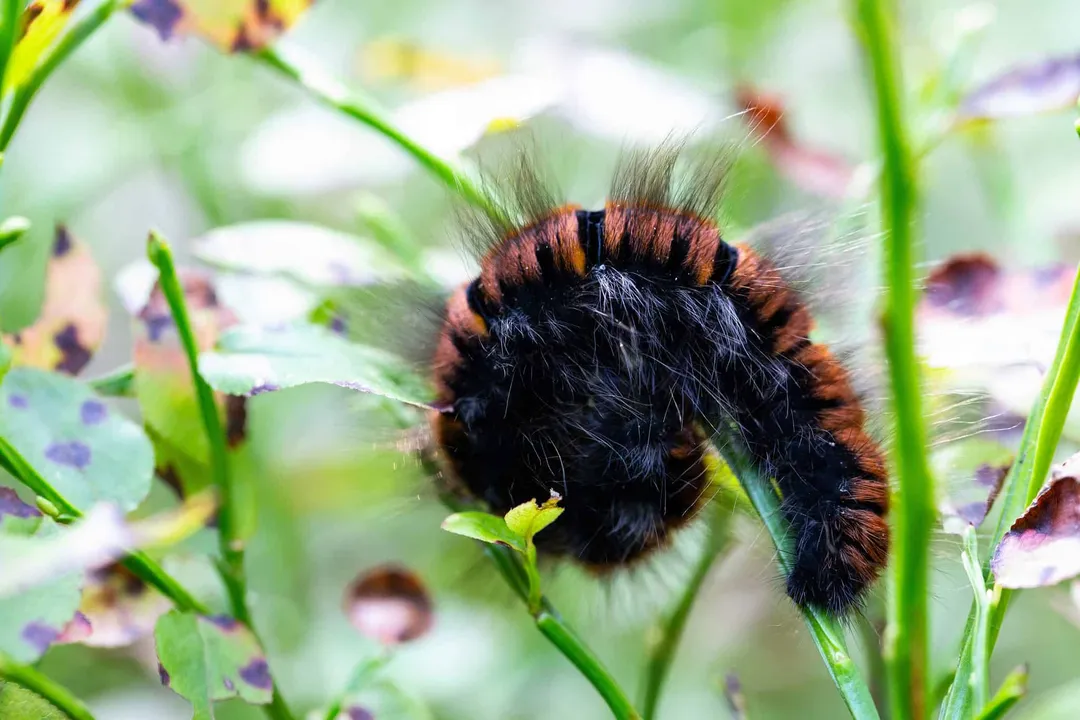
The small, fuzzy creature often seen meandering across autumn sidewalks, prompting local folklore about predicting winter weather, possesses a formal scientific identity that grounds it firmly within the insect world. This common name, the Woolly Bear Caterpillar, is applied to several species, but the one most recognized across North America, particularly for its association with cold weather predictions, is scientifically designated as Pyrrharctia isabella. [5][6] Understanding this creature requires moving past the captivating fuzz and examining the Linnaean hierarchy that defines it. [1][7]
# Kingdom Rank
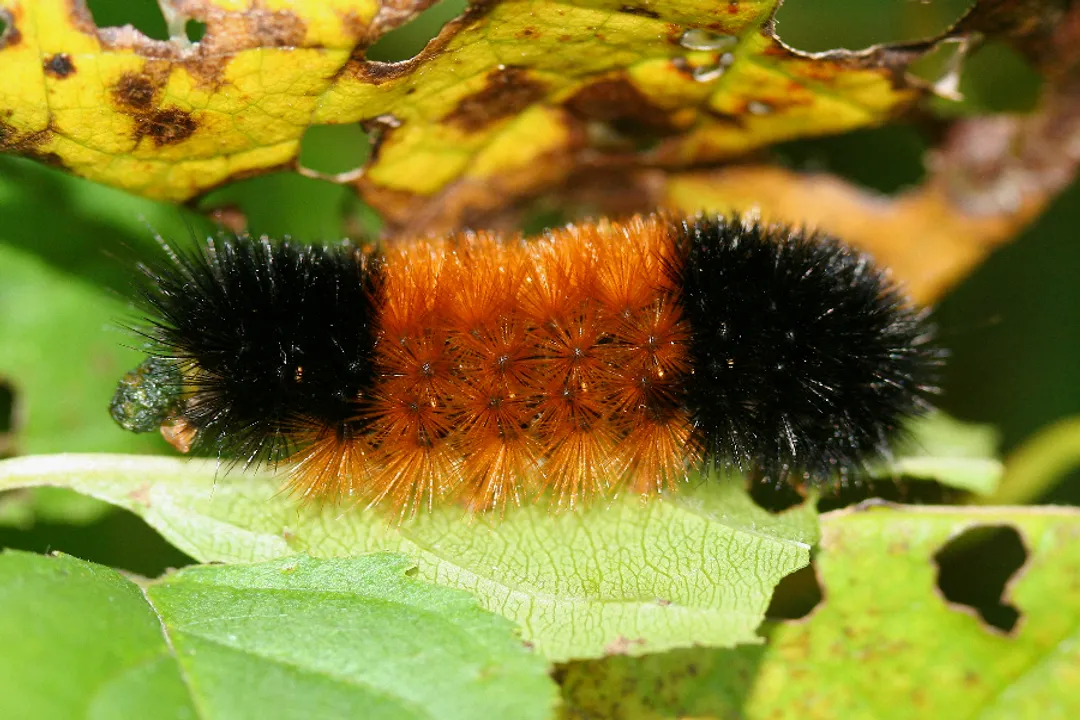
The classification journey begins at the highest level, establishing the Woolly Bear as an animal. It belongs to the Kingdom Animalia. [1] From there, its placement moves into the Phylum Arthropoda, a massive grouping that encompasses all invertebrates possessing an exoskeleton, a segmented body, and jointed appendages—characteristics perfectly displayed by both the caterpillar and the adult moth. [1][7] The next step down, the Class Insecta, confirms its identity as a true insect, possessing three distinct body parts and three pairs of legs when fully developed. [1]
# Order Placement
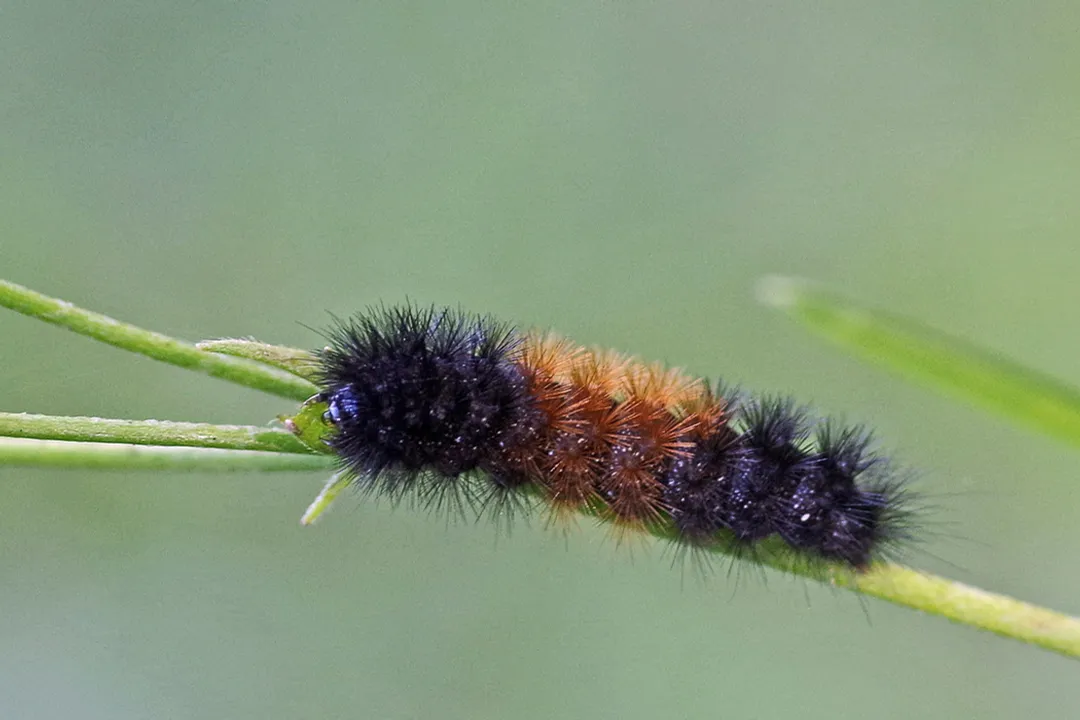
The order to which this caterpillar belongs immediately connects it to a familiar group of flying insects. Woolly Bears are members of the Order Lepidoptera, which is the scientific classification for all butterflies and moths. [1][7] This places P. isabella in the same general order as Monarch butterflies and common garden moths, yet its larval stage—the fuzzy caterpillar—looks quite different from the larval stages of many other Lepidoptera. [2] The adult form, emerging after pupation, is the Isabella Tiger Moth. [5]

# Family Grouping
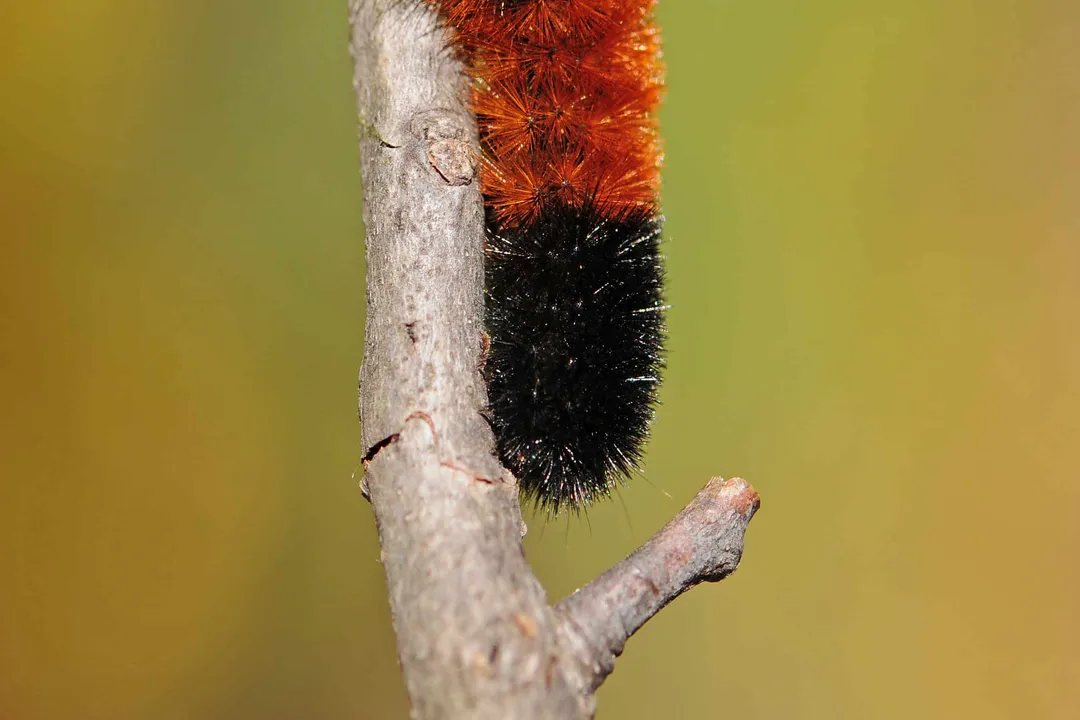
Within Lepidoptera, the Woolly Bear caterpillar falls into the Family Erebidae. [1][5] This family is quite large and diverse, often grouping together what are commonly known as tiger moths and their relatives. [5] While older classifications sometimes placed these species under the family Arctiidae, modern taxonomy, which constantly refines relationships based on new data, has largely shifted many members, including P. isabella, into the broader Erebidae family. [1][5] The fuzzy nature of the larva is actually a key characteristic shared by many members of this group, serving both as defense and camouflage. [2] For instance, another common "woolly bear," the Salt Marsh Caterpillar (Estigmene acrea), is also a member of Erebidae, highlighting that the common name is descriptive rather than strictly taxonomic. [1]
# Genus Species Specifics
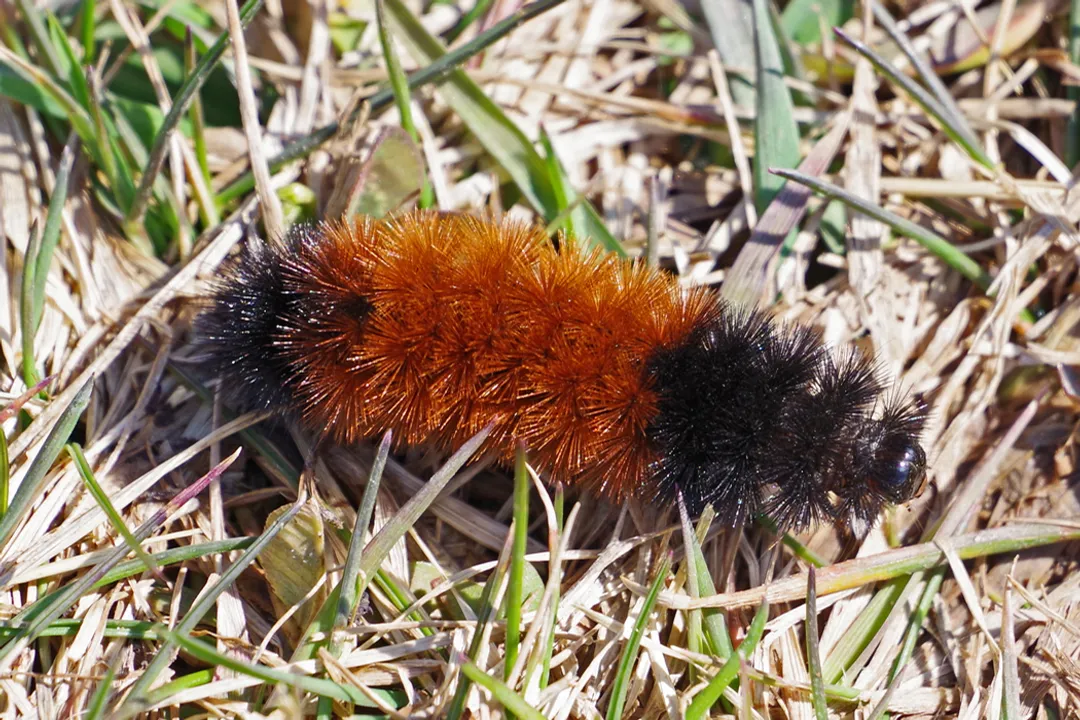
The precise identification hinges on the genus and species names. For the Banded Woollybear, the scientific name is Pyrrharctia isabella. [5] The genus name, Pyrrharctia, groups it with similar moth species, while the specific epithet, isabella, differentiates it from its relatives. [5] The banding pattern on the caterpillar—the mix of reddish-brown and black bands—is a defining characteristic when distinguishing P. isabella from other caterpillars that might also be described as "woolly". [6] In fact, the degree of black versus brown banding is what feeds into the weather folklore, though the variation is actually tied to development stage and temperature exposure, not future meteorological events. [8]
A helpful way to frame the scientific classification is by observing how the ranks restrict the possibilities. If an arthropod is in the Class Insecta and Order Lepidoptera, it is either a butterfly or a moth larva. By placing it in Family Erebidae, we narrow the potential adult forms significantly. Finally, specifying the Genus Pyrrharctia means we are looking specifically for the moth whose caterpillar has the characteristic black-and-orange banding pattern, unlike, say, a fuzzy larva from the family Lasiocampidae, which would belong to a different genus entirely. [1][5]
It is worth noting that while the scientific community generally agrees on P. isabella as the primary focus for the Banded Woollybear, local observations might sometimes misidentify other fuzzy caterpillars under the same common umbrella. For example, the appearance of a caterpillar resembling P. isabella in an area where it is not typically found could lead to confusion unless one checks the specific hair patterns and final adult identification. [3][7]
# Scientific Naming Consistency
The persistence of a specific binomial nomenclature like Pyrrharctia isabella is fascinating when viewed against the backdrop of common language descriptors like "Woolly Bear." While popular culture assigns the name to any hairy caterpillar encountered in the fall, the scientific name acts as a universal anchor, ensuring that researchers from North Carolina State University extension services to university biology departments, regardless of language, are referring to the exact same insect capable of producing the Isabella Tiger Moth. [4][9] This precision prevents the confusion that arises when common names overlap across species or even genera, as multiple fuzzy species exist within Erebidae. [1]
# Larval Stage Adaptations
Understanding the classification also provides insight into its famous survival strategy. As a member of the Erebidae family and an insect in the Order Lepidoptera, the Woolly Bear undergoes complete metamorphosis, meaning it must survive the winter phase to emerge as an adult moth later. [2][5] The fuzziness, which leads to its common naming, is intrinsically linked to its overwintering preparedness. The caterpillar produces an antifreeze substance, often glycerol, which allows it to survive freezing temperatures in a state of cryptobiosis. [8][9] When spring arrives, thawing allows metabolism to resume, and the caterpillar completes its development. [2] This ability to survive the cold is why they are frequently observed in late fall, actively seeking shelter before the first hard freeze. [8]
# Decoding Adult Forms
A practical point arising from its classification involves anticipating the adult form. Knowing that P. isabella belongs to Erebidae, which contains many species known as "tiger moths," suggests that the adult will be diurnal or crepuscular (active at dawn/dusk) rather than strictly nocturnal like some other moth families. [5] Furthermore, the adult Isabella Tiger Moth is typically orange/tawny with black spots on its wings. [5] If an observer finds a fuzzy caterpillar, understanding its scientific placement—specifically its family—prepares them to expect a moth with markings that often mimic warning coloration, even if the adult moth is far less conspicuous than its fuzzy larval form. [4] A keen observer might note that the P. isabella larva usually has more black bristles at the ends and more reddish-brown bristles in the middle, a detail that helps confirm the identity that the scientific name locks down. [6]
# Distinguishing Look-alikes
While P. isabella is the most famous, knowing its classification helps separate it from others. For example, the Isabella Woolly Bear is often confused with the Woolly Bear Caterpillar of the Salt Marsh Moth, Estigmene acrea. [1] Both are fuzzy Erebids, but the Salt Marsh Caterpillar larva is often uniformly yellowish-white to dark brown or black, lacking the distinct, bright, segmented orange/red banding pattern typical of P. isabella. [1] If one were to find a very hairy caterpillar that lacked clear, distinct black/brown segmentation, the classification would suggest checking other species within the Erebidae family before settling on P. isabella. [4] In areas where only one species is common, like parts of Ohio or New York, the local population is almost certainly P. isabella when fall weather lore is discussed. [3][8][9]
This meticulous classification, moving from Kingdom Animalia down to the species isabella, allows naturalists and scientists to connect folklore, larval appearance, adult morphology, and overwintering biology into a single, coherent understanding of this fascinating, fuzzy insect. [1][7]
Related Questions
#Citations
Woolly Bear Caterpillar - Pyrrharctia isabella - A-Z Animals
Species Pyrrharctia isabella - Isabella Tiger Moth - Hodges#8129
Woollybear Facts - News - Vermilion Ohio
Banded Woollybear / Isabella Moth | NC State Extension Publications
Isabella Tiger Moth or Banded Woolybear Pyrrharctia isabella (J.E. ...
Bug of the Week – Wooly Bear Caterpillar Re-do
Woolly bear caterpillar | Arthropod Museum - University of Arkansas
Winter's Fuzziest Survivors: Woolly Bear Caterpillars
Winter Species - Woolly Bear Caterpillar - Hamilton College