Is the short-faced bear the biggest bear ever?
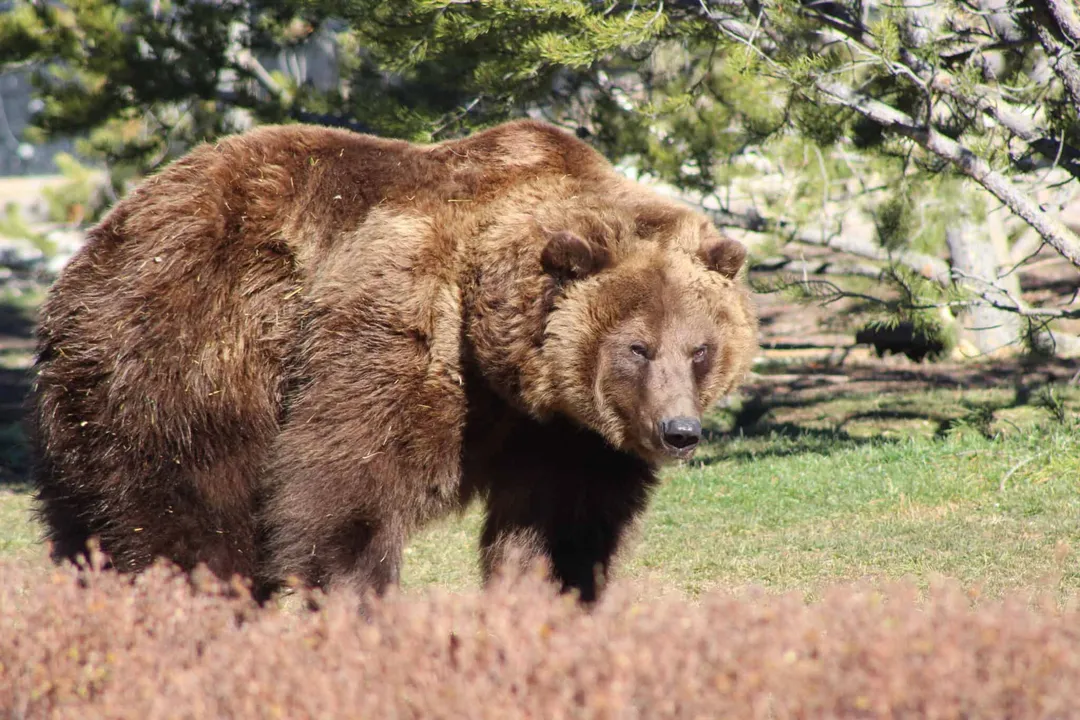
When discussing the largest bears that have ever roamed the Earth, the name Arctodus simus, the giant short-faced bear, immediately enters the conversation as a serious contender for the heavyweight title. This creature, which vanished from the fossil record over 11,000 years ago, certainly commands awe based on paleontological estimates of its sheer scale. To truly answer whether it was the biggest bear ever requires looking closely at how we define "biggest"—is it sheer height, overall bulk, or mass?
# Pleistocene Titans
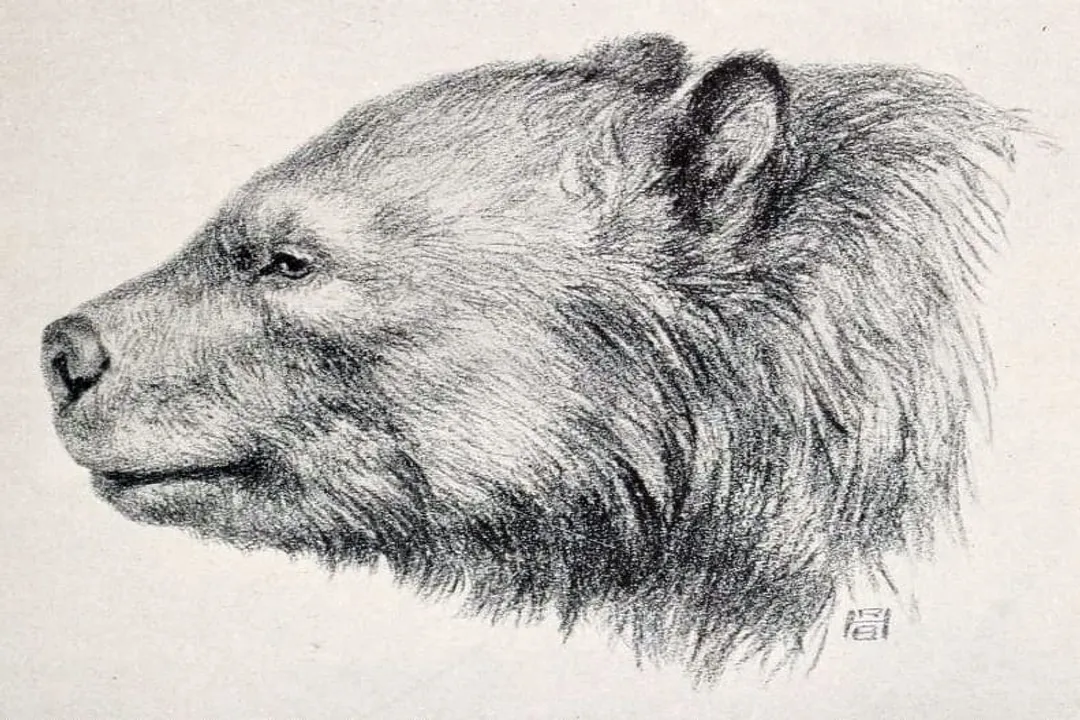
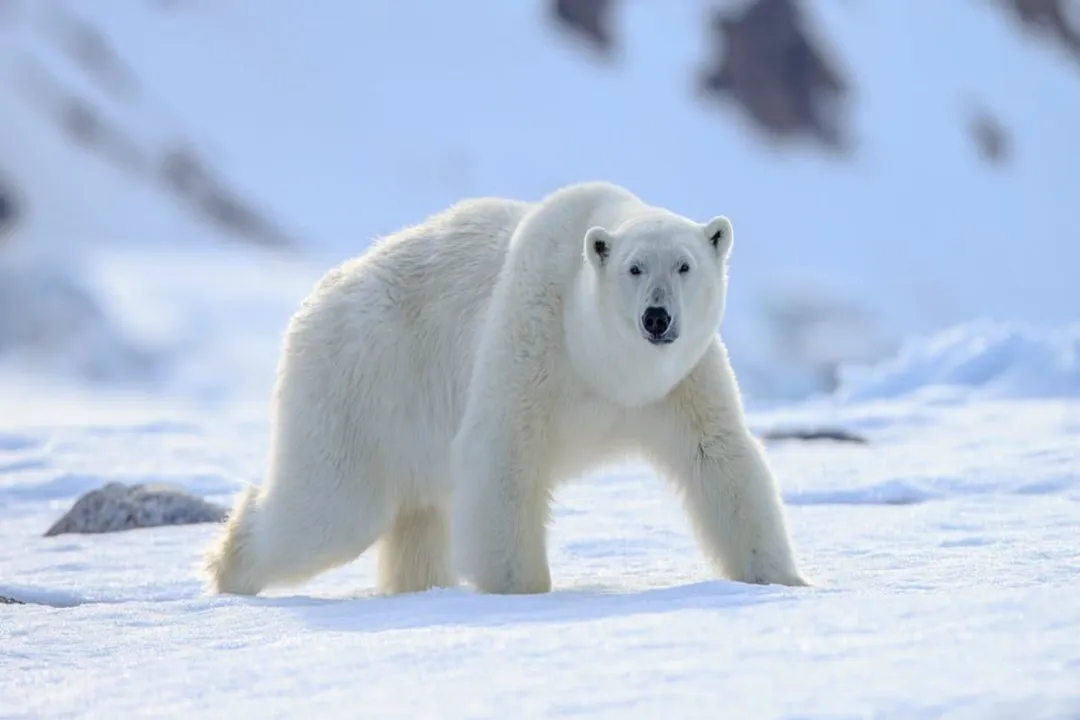
The context for the short-faced bear is the Pleistocene Epoch, a time populated by megafauna, where this massive bear thrived across North America. It stood in stark contrast to the largest bears alive today, such as the massive Polar Bear (Ursus maritimus) and the massive Kodiak Bear (Ursus arctos middendorffi), which represent the current pinnacle of bear evolution in terms of size.
The current record holders among living bears are impressive in their own right. The Polar Bear, often cited as the largest living terrestrial carnivore, can sometimes reach weights nearing 1,500 pounds. Kodiak bears are not far behind in this size category. However, the fossil evidence paints a picture of an animal that dwarfed even these impressive modern behemoths in one critical dimension: height.
# Maximum Stature
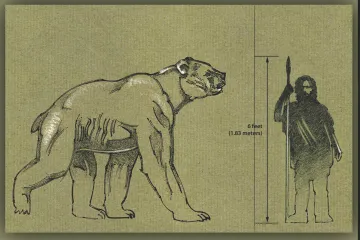
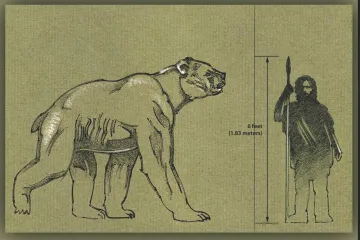
Estimates place the standing height of the giant short-faced bear at an astonishing 12 feet. When imagining a bear reaching this height, consider that a standard indoor basketball hoop is set at exactly 10 feet. [1] This means Arctodus simus could likely crane its head well over the rim without stretching much beyond its natural standing posture, indicating incredible vertical reach. [1]
While height is an undeniable metric of 'bigness,' mass is arguably the more important factor when assessing true dominance or physical power. The weight estimates for Arctodus simus hover around or exceed 1,500 pounds. This places its upper range equal to or slightly above the heaviest recorded modern bears. If we consider that the average adult male Polar Bear weighs closer to 1,000 pounds, the Arctodus simus seems to have been substantially more massive on average, not just at the very high end of the weight spectrum.
# Facial Structure
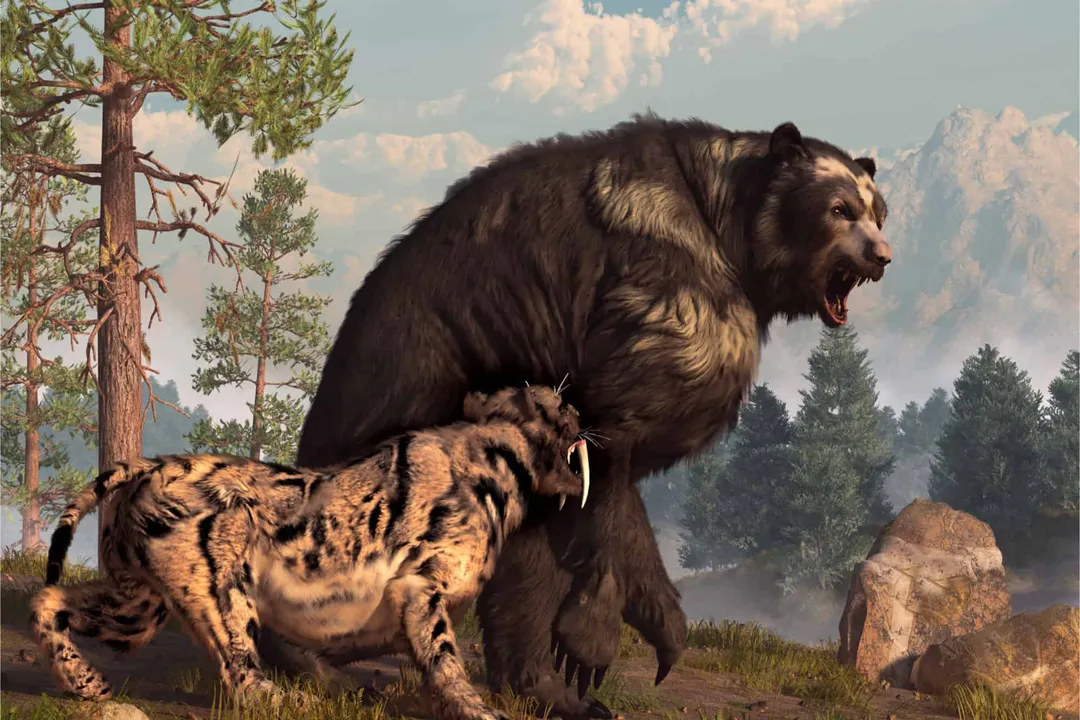
What immediately sets this extinct giant apart, beyond its scale, is its peculiar skeletal structure, which gives it its common name. Its snout was remarkably short and broad compared to modern bears. This unusual morphology is what paleontologists examine when trying to determine its lifestyle.
The robust nature of the skull, combined with this shortened face, implies a powerful bite force capable of delivering immense crushing pressure. While the exact lifestyle remains a topic of scientific debate—was it a specialized predator, an agile hunter, or a highly efficient scavenger?—the physical evidence leans toward an animal built for powerful actions. An organism built with such a heavily muscled neck and shortened muzzle suggests an adaptation for rapid, powerful strikes or bone-crushing capabilities rather than purely prolonged tearing actions. [1] The South American counterpart, Arctotherium, also belonged to this short-faced lineage, showing that this morphology was a successful evolutionary trend in the New World at that time.
# Size Contenders
To properly assess the "biggest ever" claim, one must compare Arctodus simus not only to the living Polar Bear but also to its immediate extinct relatives and competitors. The question of the absolute largest bear is complicated by the existence of other extinct giants, notably the South American short-faced bear, Arctotherium. While Arctodus simus is often presented as the definitive answer for North America, Arctotherium may have been comparable in size, perhaps even achieving similar bulk.
Another factor making a definitive statement difficult is the natural variance within any species. A particularly large male Polar Bear or Kodiak Bear today might approach the lower end of the estimated maximum weight range for Arctodus simus, but it is highly unlikely to match the 12-foot standing height. This suggests that Arctodus simus likely held the title for tallest bear, and was very likely the most massive bear on average across its adult population, even if the absolute upper weight limit of a few modern Polar Bears might occasionally overlap.
If we were to create a scale based purely on sheer vertical presence—the ability to loom over the landscape—the giant short-faced bear holds a significant advantage over any modern relative.
| Bear Species | Time Period | Estimated Max Height (Standing) | Estimated Max Weight |
|---|---|---|---|
| Giant Short-Faced Bear (Arctodus simus) | Pleistocene | ~12 feet | >1,500 lbs |
| Polar Bear (Ursus maritimus) | Recent/Modern | ~10-11 feet | Up to 1,500 lbs |
| Kodiak Bear (U. a. middendorffi) | Recent/Modern | ~9-10 feet | Up to 1,400 lbs |
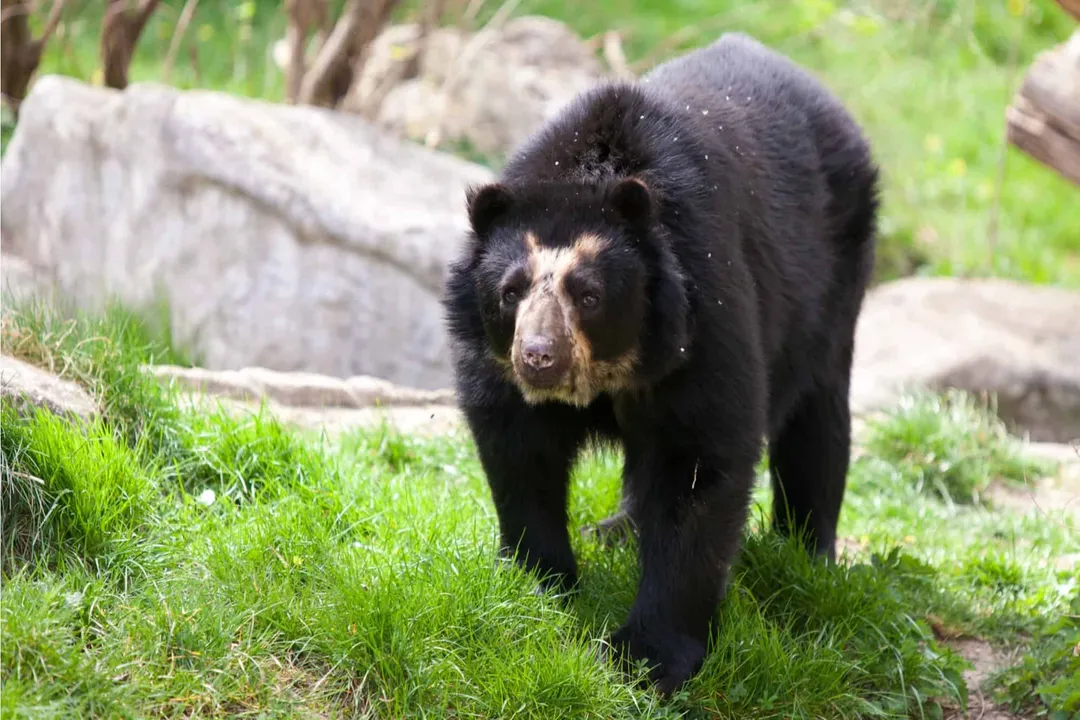
| Spectacled Bear (Tremarctos ornatus) | Recent/Modern | ~6-7 feet | ~200–450 lbs |
This comparison highlights that while modern bears possess formidable mass, the prehistoric giant possessed a clear edge in height, resulting in a greater overall physical volume and stature.
# Predator Scavenger
The debate surrounding the giant short-faced bear’s feeding habits offers insight into how it maintained such an enormous body size. Its environment, the Ice Age plains, supported immense prey like mammoths and ground sloths. The sheer energetic needs of an animal that large would demand a consistent, high-calorie intake. [8]
Some theories lean toward Arctodus being an obligate scavenger, relying on the kills made by saber-toothed cats or dire wolves, using its size to bully competitors off carcasses. However, other analyses, focusing on its robust leg structure suggesting powerful running or charging ability, favor an active predatory role. It is quite possible, given the pressures of the late Pleistocene, that Arctodus simus was an extremely effective opportunist, taking whatever food source was most available, whether through the death of another animal or by bringing down prey itself. [8] Its sheer size meant that few, if any, other animals could challenge it for food once it arrived at a kill site.
# Extinction Timeline
Like many of the Pleistocene megafauna, the giant short-faced bear eventually disappeared. Its reign ended around 11,000 years ago. This extinction event coincided with significant global climate shifts and the disappearance of many large herbivores upon which it likely depended for sustenance, either directly or indirectly. The environmental changes may have made its large size, which required substantial caloric intake, an evolutionary liability rather than an asset. [2]
In essence, while the modern Polar Bear currently holds the title of the world's largest living bear, the paleontological evidence strongly suggests that the Giant Short-Faced Bear (Arctodus simus) was the largest bear ever to walk the planet in terms of sheer vertical dimension, and likely exceeded modern bears in average body mass as well. It represents a lost peak in ursine evolution, a true giant of the Ice Age that dwarfed even today's most impressive specimens.
#Videos
The Bear That Was As Large As The Allosaurus - YouTube
Related Questions
#Citations
The largest bear to ever exist standing 12 feet tall and weighting up ...
Arctotherium - Wikipedia
Discover the Largest Bear to Ever Exist (Up to 4X the Size of a Grizzly!)
Giant short faced bear species discovered in South America
The Bear That Was As Large As The Allosaurus - YouTube
The Giant Short-Faced Bear - North American Bear Center
The Biggest Bear ... Ever
Giant Short Faced Bear (Arctodus simus) - WildFact