Woolly Bear Caterpillar Locations
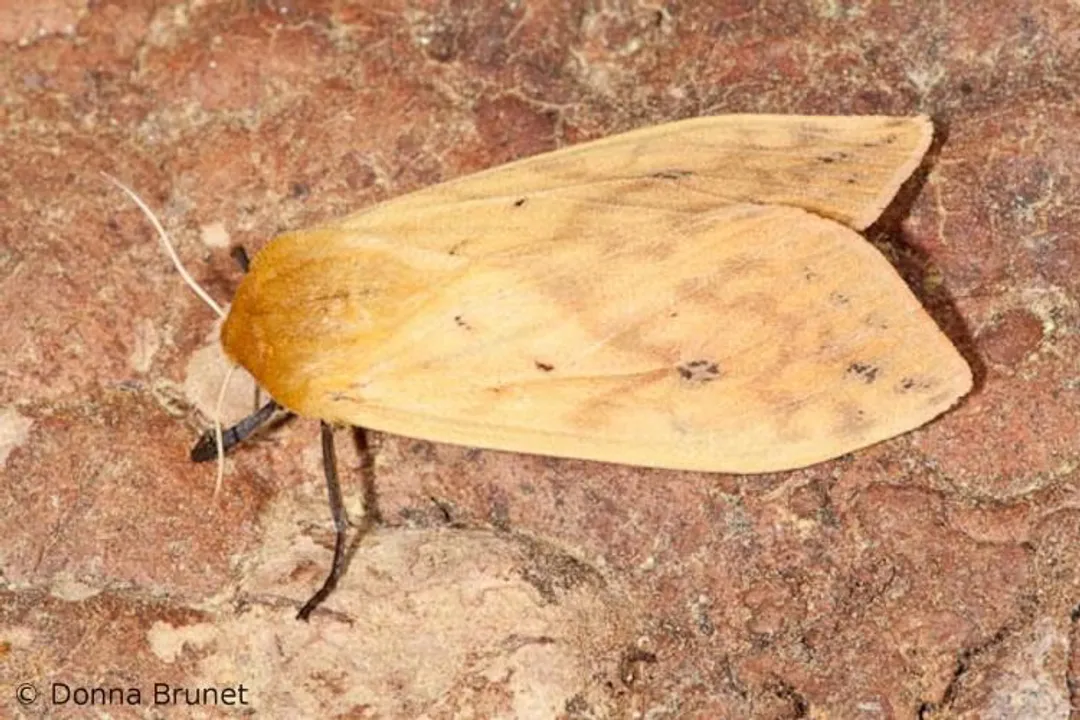
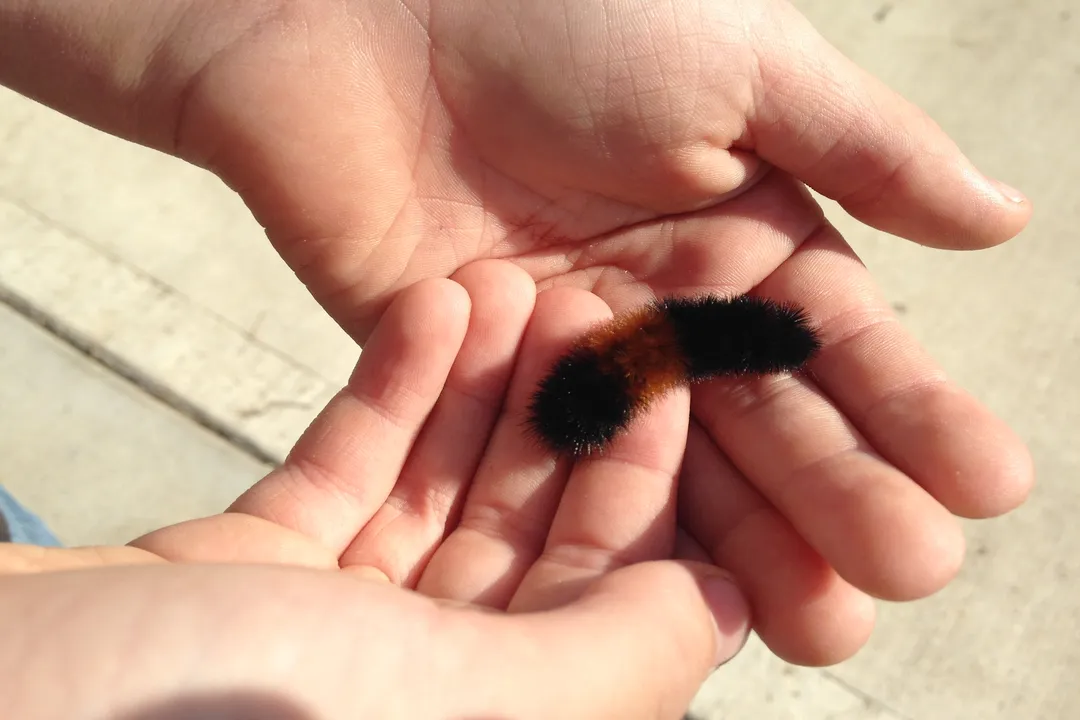
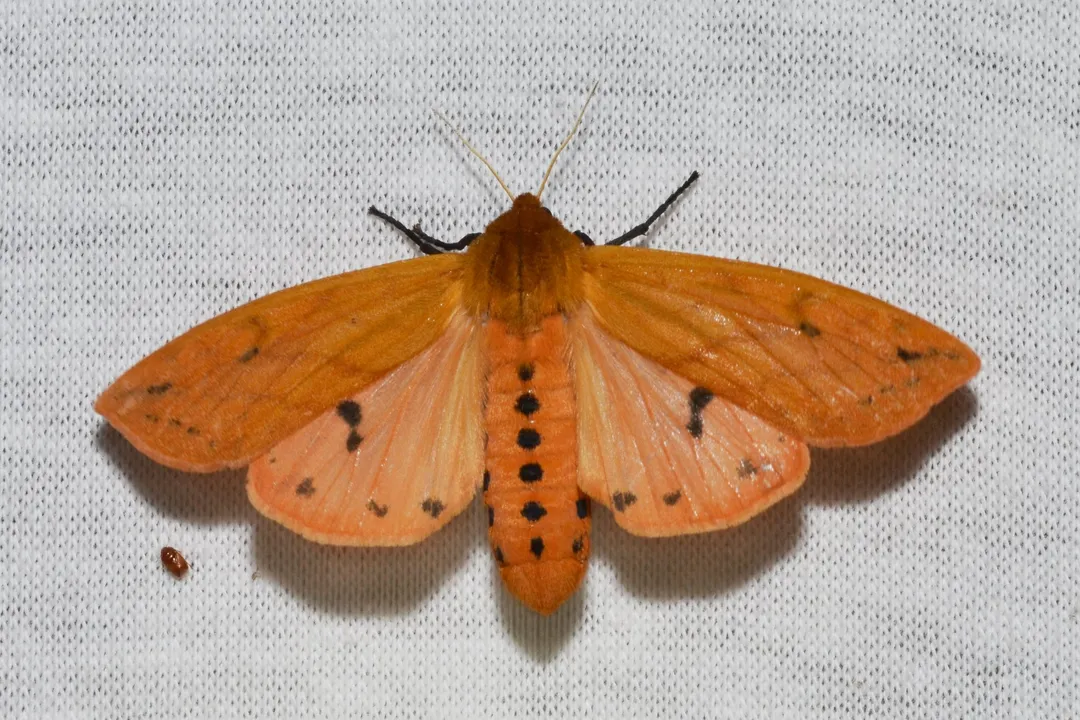
The fuzzy creatures people often spot scurrying across sidewalks and lawns in the autumn are the larval stage of the Isabella Tiger Moth, Pyrrharctia isabella. [2] Colloquially known by several names, including the Woolly Bear, Woolly Worm, or sometimes simply as the 'fuzzy caterpillar,' these insects are unmistakable due to their densely haired bodies, typically featuring alternating bands of black and reddish-brown or rusty colors. [5][8] While their appearance sparks curiosity and often leads to folklore predictions about the coming weather, their actual distribution across the continent is quite broad, making them a familiar sight in many North American backyards and wild spaces. [4]
# Geographic Range
Woolly Bears are residents of North America, spanning a significant portion of the continent. [4] Their presence is noted widely, from the Pacific Northwest, where they inhabit diverse environments, to the Midwest and the Eastern United States. [3][8] For instance, in the state of Missouri, they are a common sight. [8] Similarly, they are frequently observed in regions like North Carolina, thriving in the southeastern climate, [5] and in the Northeast, such as areas around Dyken Pond in New York. [6] They are not restricted to specific biomes but rather occupy areas where their host plants are abundant and where they can find suitable ground cover for overwintering. [3]
# Habitat Preferences
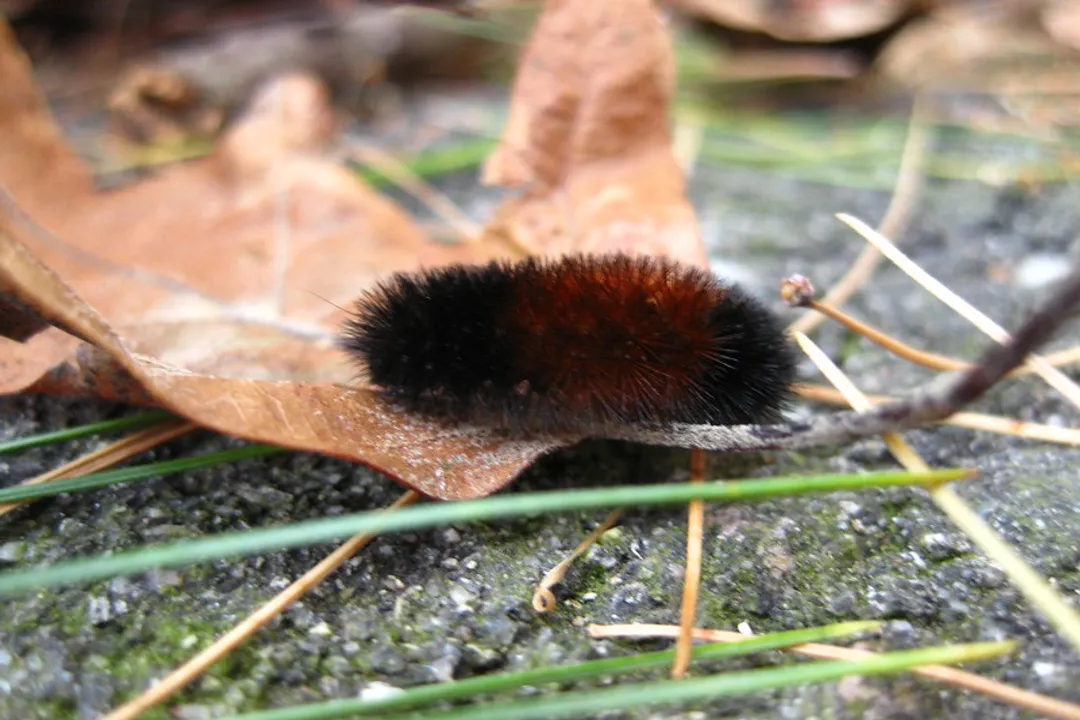
To find a Woolly Bear caterpillar, one should look in environments rich with low-growing vegetation, as these caterpillars are generalist feeders. [3] Their preferred locations often include grassy fields, weedy patches, and the edges of woodlands. [3][8] Gardeners frequently encounter them because they feed on a variety of herbaceous plants and low shrubs, including dandelions, plantain, clover, and violet, which are common in disturbed or cultivated areas. [5][8] In the late fall, however, their location shifts. Instead of being strictly tied to their food sources, they become mobile as they search for a safe place to spend the winter months, which explains why they are often seen near foundations, under leaf litter, or near piles of wood. [1][8] This autumnal migration makes them seem like they are everywhere, though they are simply on the move toward suitable shelter for diapause. [1]
# Seasonal Movement
The timing of when you encounter a Woolly Bear heavily dictates where you will find it. During the active growing season, they are primarily found near their food sources, diligently munching on available low vegetation. [5] The most famous sighting period occurs in the fall, typically from September into November, when they are preparing for cold weather. [1][4] As temperatures drop, they become highly visible, often crossing open ground, including driveways and roads, in their quest for a sheltered spot to enter a state of dormancy, known as overwintering. [1][8]
When they emerge in the early spring, usually after the last hard frost, they are still in the caterpillar stage and will resume feeding briefly before transforming. [2][5] The adult moths, which emerge in the warmer months of late spring or early summer, inhabit different spaces, often near flowering plants where they seek nectar, or where females deposit their eggs to begin the cycle anew. [2]
# The Thermal Advantage of Black
One fascinating aspect of their location and survival strategy involves their coloring. The distinct bands of color are not just for show; they play a significant role in thermoregulation, particularly as the environment cools in the fall. [5] The black bands are particularly effective at absorbing solar radiation, meaning the caterpillar can warm up more efficiently when basking in the sun compared to a fully brown caterpillar. [5] If you observe a Woolly Bear with wide black bands during a cool spell, it suggests the caterpillar is prioritizing heat absorption to maintain its metabolic rate or to rapidly warm up for movement. [5] This adaptation allows them to remain active, even briefly, in cooler conditions than insects lacking this dark pigmentation might manage.
# Interpreting Band Width
The most persistent piece of lore associated with the Woolly Bear caterpillar relates to its band size and predicting the severity of the upcoming winter. [4][6] The general belief suggests that a wider brown band indicates a mild winter is coming, while a wider black band portends a harsh, snowy winter. [4][6]
However, entomologists and weather experts treat this notion as folklore rather than scientific fact. [4] The actual size of the bands is influenced by several factors independent of future climate patterns. One primary determinant is the caterpillar's age and how many times it has molted. [2][5] A caterpillar that has successfully molted several times, growing larger and having more chances to feed, might display a larger brown area simply because it has more body mass or has reached a specific developmental stage associated with that coloration. [5] Furthermore, environmental stress, such as a particularly cold or wet period during its development, can also affect the final coloration and band proportion before it overwinters. [2] Therefore, while spotting one offers a great connection to nature, relying on its stripes for long-range seasonal forecasting might leave you unprepared for actual weather. [4]

# Life Cycle Locations
Understanding where to find the caterpillar requires knowing its full life progression. The Isabella Tiger Moth begins as an egg, which is usually laid on host plants like dandelion or clover during the summer. [2] After hatching, the larva feeds throughout the summer. The overwintering stage is the caterpillar itself, often found sheltered under bark, in leaf litter, or buried just beneath the soil surface during the cold months. [5]
When spring arrives, the caterpillar resumes feeding for a short period before constructing its cocoon. [2] This cocoon is often described as being made of silk interwoven with the caterpillar’s own body hairs—a critical defensive mechanism, as these hairs can sometimes cause skin irritation in sensitive individuals, much like fiberglass. [2] The pupation happens in this sheltered spot. [2] The adult moth emerges later in the season, usually May through July, ready to fly, mate, and lay the next generation of eggs. [2] You are far less likely to "find" the pupa or the adult moth in the same way you find the wandering caterpillar, as they are less conspicuous during those stages. [2]
# A Practical Note on Relocation
If you find a Woolly Bear crossing a busy road or in a location that seems dangerous—like a driveway that is about to be cleared—it’s natural to want to move it to a safer spot. [1] People often relocate them to nearby wooded areas or thick shrubbery. While the instinct to help is good, a useful tip for maximizing its survival is to place it near the same type of cover it was heading towards or coming from. [1] If it was leaving a grassy lawn and heading toward a stone wall, moving it twenty yards into the middle of a dense forest might actually place it in an unfamiliar or unsuitable overwintering microclimate. Instead, place it near the edge of the lawn, perhaps under the nearest dense clump of fallen leaves or against the base of a sheltered object, mimicking the environment it was already seeking out for its long winter rest. [1] This respects its initial site selection process while removing it from immediate danger.
# Caterpillar Identification
The defining characteristic is, naturally, the fuzziness, which serves as protection from predators. [5] While the Pyrrharctia isabella is the most common variety known as the Woolly Bear, it is important to note that other dark, fuzzy caterpillars exist, leading to occasional misidentification. [8] For the Isabella Tiger Moth caterpillar, the coloring is generally black and a reddish-brown or rusty color, sometimes with hints of orange, rather than just being uniformly black. [5]
A comparative chart of common markings helps distinguish the key species people frequently encounter, although their habitat overlap is significant:
| Feature | Isabella Tiger Moth (P. isabella) | Other Fuzzy Caterpillars (e.g., Salt Marsh) |
|---|---|---|
| Primary Color Pattern | Alternating bands of black and rusty brown/reddish-brown [5][8] | Often solid black or uniform dark color [8] |
| This table summarizes the typical appearance difference; however, variations exist within the Isabella species itself, sometimes showing more black or more brown depending on age and environment [5]. |
When observing one, look closely at the ratio of the bands; a particularly wide brown band is often a sign that the caterpillar is older or has recently molted, though folklore insists this predicts mild weather. [4][5] The hair itself is not venomous, but it should not be handled excessively due to the potential for mechanical irritation similar to handling fiberglass insulation. [2]
The very presence of these caterpillars across such a wide range of habitats—from the manicured suburban garden to the edges of rural fields—speaks to the adaptability of the Isabella Tiger Moth. [3][8] Their locations are less about a specific geographic coordinate and more about the availability of appropriate host plants during their feeding phase and suitable debris or ground cover when the cold necessitates their famous, fuzzy hibernation. [1][5]
Related Questions
#Citations
Creature Feature: Woolly Bear Caterpillar
Pyrrharctia isabella
Woolly Bears
Woolly Bear Caterpillar - Winter Predictor Or Not?
Banded Woollybear / Isabella Moth
Woolly Bear Caterpillars: Fact or Legend?
All about Woolly Bears
Isabella Tiger Moth (Woolly Bear; Woolly Worm)