What characteristic increases the unnoticed transmission risk from nymphs causing RMSF?
Answer
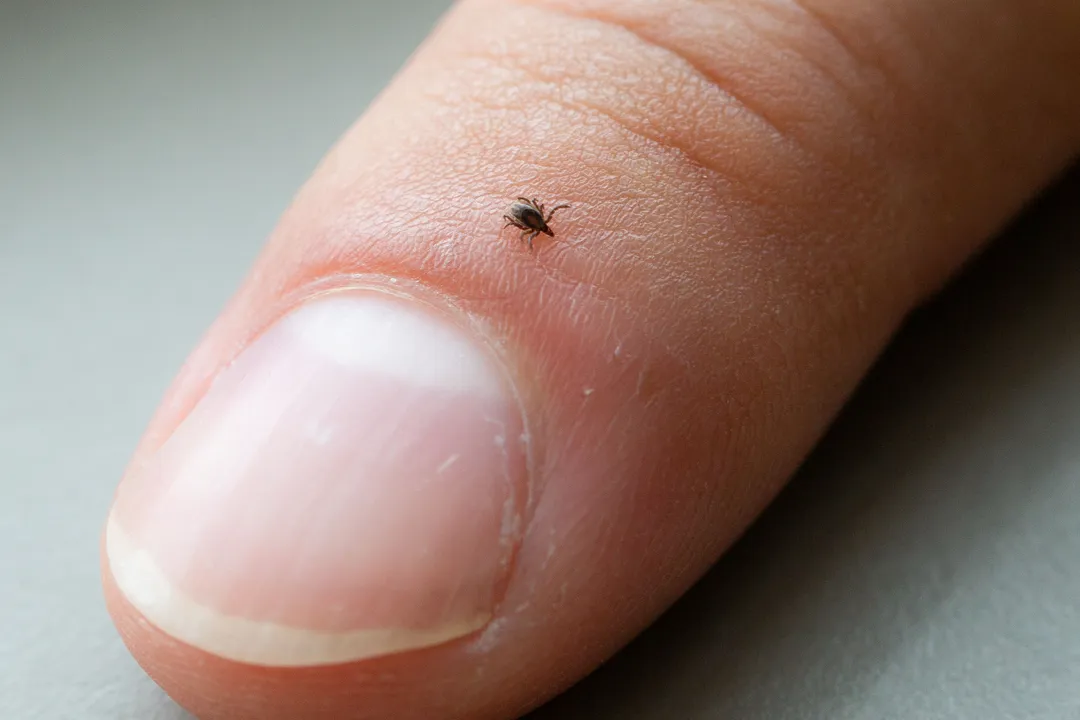
Being the size of a poppy seed
A critical factor increasing the danger posed by nymphs of *Dermacentor andersoni* (and their potential to transmit pathogens like those causing RMSF) is their minute size. Nymphs are often described as being comparable in size to a poppy seed. This small dimension makes them extremely difficult to spot on skin or gear, which means they can attach, feed, and transmit disease for a longer duration before being noticed and removed, thus heightening the risk profile compared to larger, more visible adult ticks.
Related Questions
What is the scientific name for the Rocky Mountain Wood Tick transmitting Tick Paralysis?Which geographic range primarily hosts the distribution of Dermacentor andersoni?What habitat contrasts with the preferred environment of the Rocky Mountain Wood Tick?What elevation range is most commonly associated with the Rocky Mountain Wood Tick?What delayed allergic reaction is linked to Dermacentor andersoni bites in the Rocky Mountain region?What posture do wood ticks adopt while waiting for a host on vegetation?Which tick transmits RMSF in Eastern and Midwestern states, sometimes called a wood tick?Where are nymphs and larvae of D. andersoni most likely found compared to adults?Where does the most intense exposure risk often occur for wood ticks in known harbor areas?What characteristic increases the unnoticed transmission risk from nymphs causing RMSF?