Wood Tick Physical Characteristics
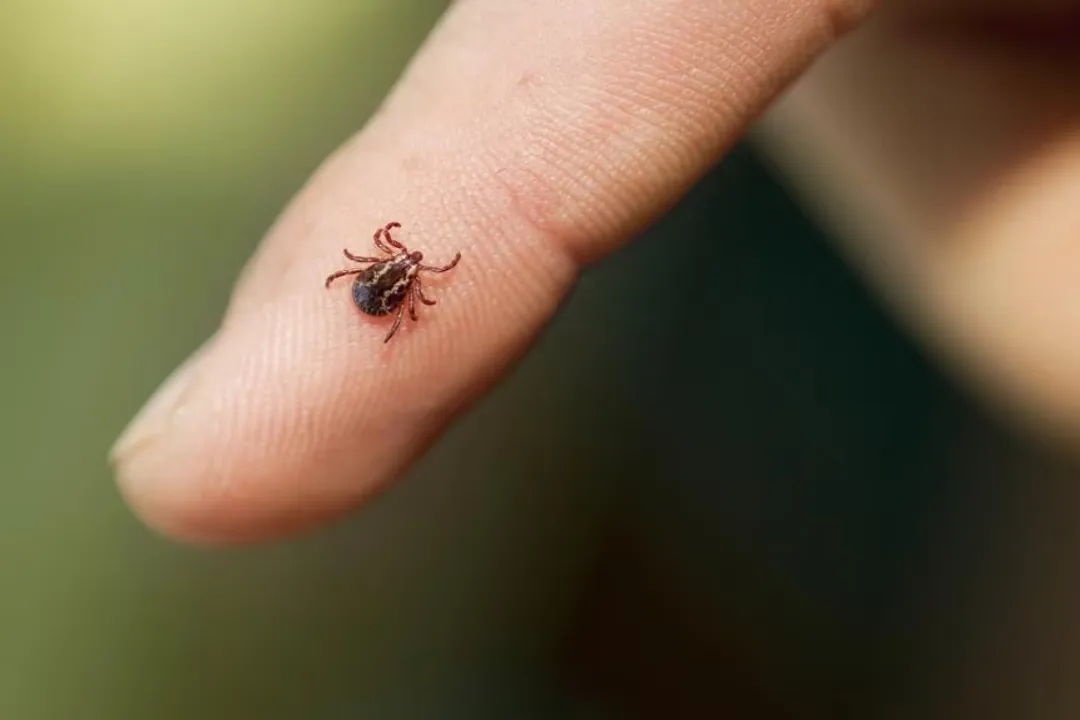
The physical presentation of the wood tick, scientifically known as Dermacentor andersoni in its most discussed form, the Rocky Mountain Wood Tick, immediately sets it apart from many other arachnids, although its appearance shares strong similarities with related species like the American Dog Tick. [1][7] These ticks are generally categorized as medium-sized arthropods when they are in their questing, unfed state. [1]
# Size Range
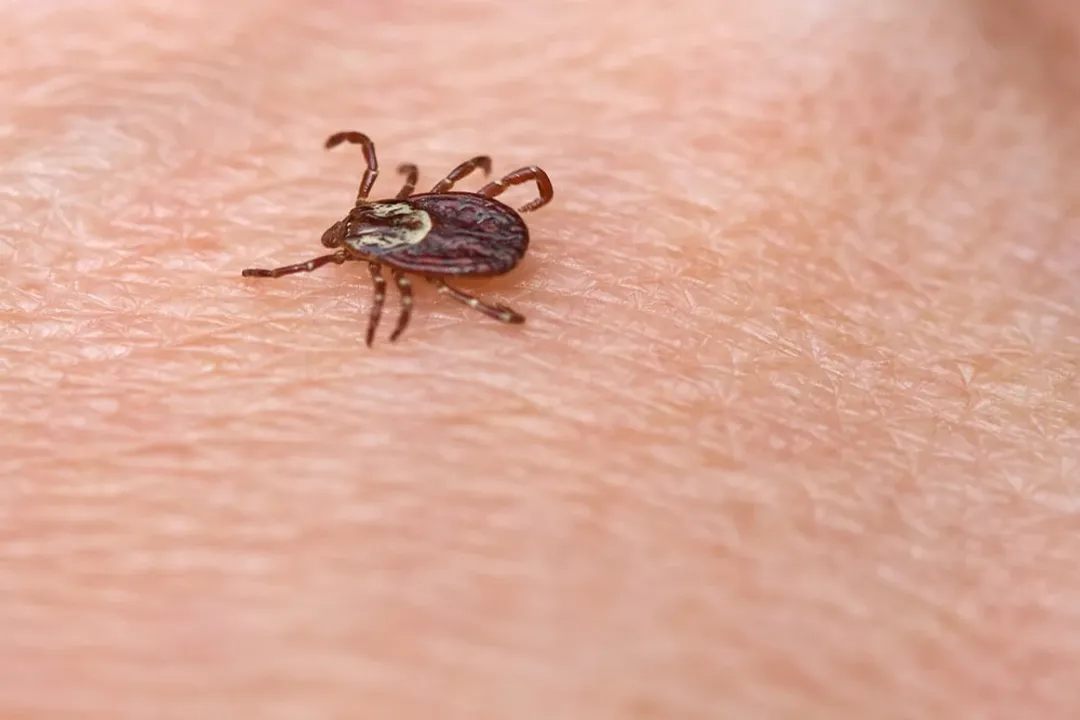
When an adult wood tick has not recently fed, its body measures approximately 1/8 of an inch in length. [1] This small stature allows them to easily navigate vegetation and host fur. However, this size is highly variable depending on their nutritional status. Once a tick has successfully attached to a host and engorged itself with blood, it swells significantly. [1] An engorged female can expand to roughly one-half inch in size. [1] This dramatic increase in size is a critical identification feature, as the tick’s body mass is dedicated largely to storing the blood meal necessary for egg development. [1]
# Color and Pattern
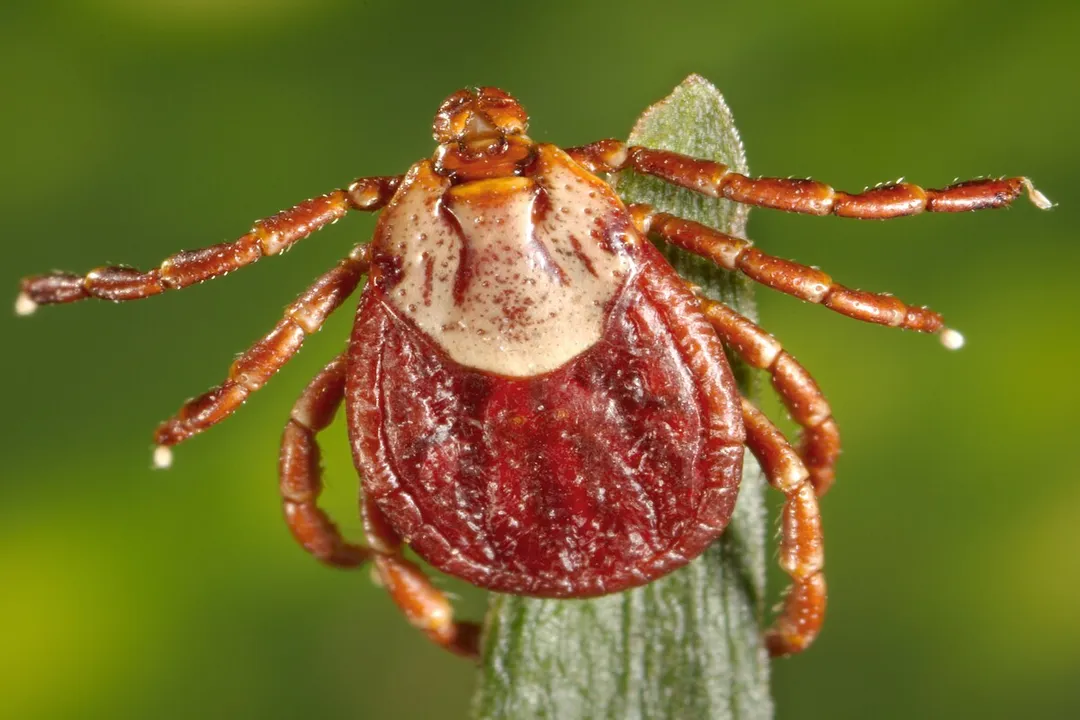
The basic coloration of the adult wood tick is a shade of brown. [1][6] The distinction between the sexes, however, lies primarily in the patterns overlaid on this brown base, specifically on a structure known as the scutum, which is a hardened plate on the tick’s back. [1][2]
For the female Dermacentor andersoni, the scutum is typically marked with distinct white markings or spots against the brown body. [1][2][6]
The male, on the other hand, presents a more ornate pattern. Males exhibit more extensive white markings or mottling that covers the scutum and spreads across much of the dorsal surface. [1][2][6] This difference in patterning is more pronounced than in some other tick species, making the male wood tick particularly noticeable compared to the female when both are unfed. [1][7] It is fascinating to consider that these patterns, unique to the genus Dermacentor, might serve a purpose beyond simple species recognition, perhaps offering a form of disruptive camouflage when the tick is stationary against dappled forest light, though detailed behavioral studies on this specific function are less common than those focusing on disease transmission. [1][7]
# Stage Leg Count
A key characteristic linking ticks to the broader arachnid class is their leg structure, which evolves significantly throughout the wood tick's life cycle. [3] The number of legs present is an immediate indicator of the tick's developmental stage. [2]
- Larva (Seed Tick): The larval stage is the only one that possesses six legs. [2]
- Nymph and Adult: Once the tick molts from the larval stage into the nymph stage, and subsequently into the adult stage, it gains two more pairs of legs, resulting in eight legs. [2][3] Therefore, finding an eight-legged tick usually means you are dealing with either a nymph or an adult specimen. [3] It is worth noting that even though they are often mistakenly lumped together, the American Dog Tick follows the same leg progression, confirming this pattern is standard for this group of Ixodidae (hard ticks). [7]
# Mouthparts Structure
Another important physical trait for identification, particularly when distinguishing hard ticks like the wood tick from soft ticks, relates to the feeding apparatus, or capitulum. [3] The Dermacentor andersoni is characterized by having short mouthparts. [3] When a wood tick is unfed and questing, these mouthparts are often visible from above, sticking out in front of the body. [3] This contrasts with ticks that possess long mouthparts, where the mouthparts are often obscured by the scutum or are much more elongated when viewed dorsally. [3] The shape and visibility of these mouthparts are crucial for field identification by trained observers. [3]

# Identifying Unfed Versus Engorged
When assessing a tick found outdoors versus one found attached to a pet or person, recognizing the difference between the unfed and engorged state is vital for estimating attachment time, which has direct implications for disease risk. [1] An unfed adult, male or female, is small and flat, displaying its distinct brown and white patterning. [1][6] If you find a small, flat, brown tick with conspicuous white markings, you are likely looking at a Dermacentor species that has not yet begun feeding. [1][7]
Conversely, an engorged specimen loses much of its species-specific patterning because the body stretches so dramatically. [1] The female becomes a distended, grayish or greenish-blue sac, rounder and significantly larger than the unfed state. [1] For quick field assessment, a simple rule of thumb is that if the tick is noticeably larger than a sesame seed and has swelled into a near-sphere, it has been feeding for some time, regardless of the remaining visible markings. [1][4] This change in shape is so drastic that a tick identified as a male based on its mottled back may appear much more uniform and rounded once fully engorged, making initial species identification less reliable post-feeding. [1][7]
# Distinguishing Related Species
While this article focuses on the Wood Tick (Dermacentor andersoni), its physical characteristics are often compared to the American Dog Tick (Dermacentor variabilis) because they are both common, aggressive feeders in the Dermacentor genus. [7] Both species feature brown bodies with white markings on the scutum for females, and mottled white markings across the back for males. [7] The key differentiation often comes down to geographical location and subtle variations in the extent and placement of those white markings, information that requires close-up examination or expert comparison. [1][7] Since the Rocky Mountain Wood Tick is geographically restricted, finding one outside those expected areas might suggest it is, in fact, the more widely distributed American Dog Tick, even if the physical features appear similar at first glance. [1][7] Understanding these nuances in patterning is necessary because the geographic range often dictates the potential pathogen threat. [2][8] For instance, while both can transmit diseases, the Rocky Mountain Wood Tick is strongly associated with Rocky Mountain Spotted Fever, which is a primary concern in the areas where it is endemic. [1][8]
Related Questions
#Citations
Rocky Mountain Wood Tick Identification Tips | PA Tick Research Lab
Rocky Mountain wood tick - Merck Animal Health USA
Dermacentor andersoni (Rocky Mountain wood tick) | INFORMATION
Everything You Need To Know About the Wood Tick - PetMD
What You Should Know About Wood Ticks [Infographic]
Dermacentor andersoni - Wikipedia
American Dog (Wood) Ticks: Identification, Bites & Control - Terminix
Wood Tick - Katharine Ordway Natural History Study Area
Rocky Mountain Wood Ticks - PestWorld.org