Why are Wood Turtles referred to as "riparian" species?
Answer
Their lives are deeply intertwined with aquatic corridors, showing a strong preference for moving water systems.
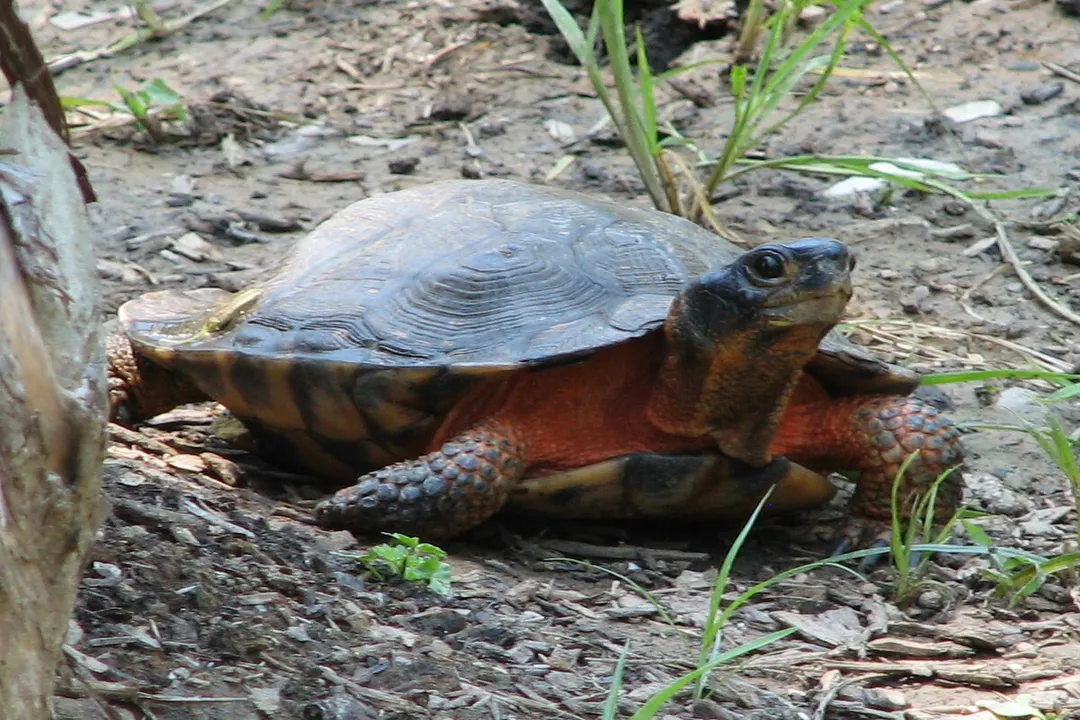
The term riparian refers directly to the interface between land and a running body of water, such as a stream or river. Wood Turtles exhibit a profound dependency on these moving water systems, utilizing them for crucial activities like foraging and thermal regulation. This preference differentiates them significantly from other turtle species that might favor static bodies of water like lakes or ponds. Their habitat selection is fundamentally anchored to the presence of streams and rivers, making the riparian zone the defining characteristic of their utilized microhabitat.
Related Questions
Why are Wood Turtles referred to as "riparian" species?What specific stream bottom substrate do Wood Turtles prefer for successful egg deposition?Where do Wood Turtles typically shift their location to for overwintering?What environmental conditions generally limit the southern extent of the Wood Turtle distribution?In New Jersey, what is the primary conservation focus area for the Wood Turtle?Besides streamsides, what adjacent upland areas do Wood Turtles utilize during their active season?What critical function does the forest cover surrounding riparian zones serve for Wood Turtles?What human activity poses a significant threat by disrupting necessary seasonal movements?If a stream has pristine water quality but lacks the required substrate, what is the outcome for the Wood Turtle population?What consequence results from a small, perfect Wood Turtle habitat being surrounded by hostile development?What is implied about the local hydrology if Wood Turtles are observed thriving in a specific area?