Wood Turtle Locations
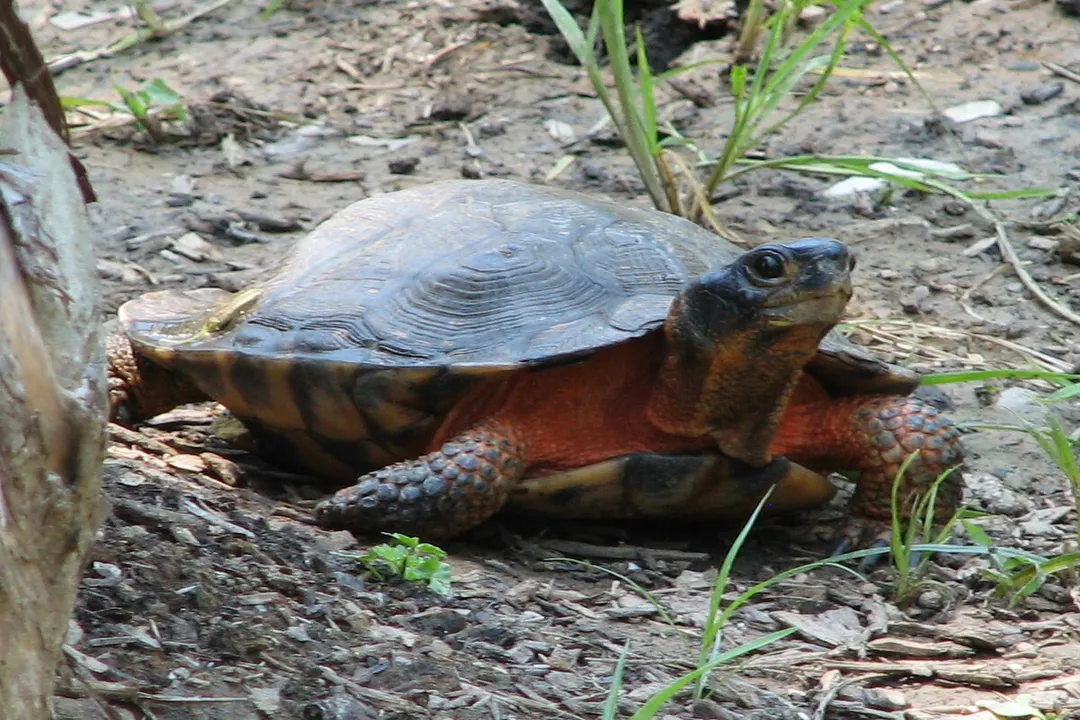
The presence of the Wood Turtle, Glyptemys insculpta, is closely tied to specific hydrological and terrestrial features across its North American range, making it a species whose locations tell a story about the health of its environment. Tracking where these turtles are found requires understanding not just a list of states, but the specific microhabitats they utilize within those states. [4][9] Their distribution generally spans the northern parts of the eastern United States and into southeastern Canada. [4]
# Geographical Spread
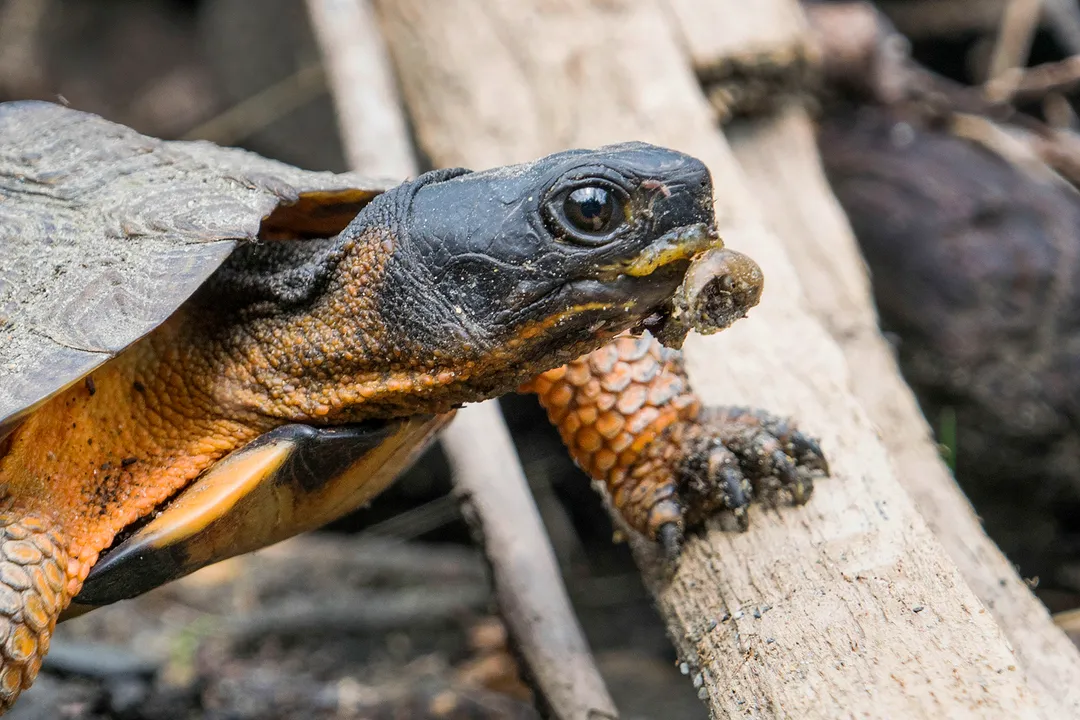
The overall distribution of the Wood Turtle is quite broad, extending from the Canadian Maritime provinces westward. [4] In the United States, their range generally includes states from the northern Midwest eastward through New England. [1][7] Specific historical and current records place them across a significant swath of territory, though populations can be patchy. [2][6] The northern edge of their territory is often defined by persistent cold temperatures and suitable overwintering sites, while the southern extent is limited by increasing heat and habitat fragmentation. [9]
In the Northeast, for instance, their distribution is well-documented, often following river systems that flow from higher elevations down towards the coast. [9] The species is known to occur in states such as New Hampshire, where conservation efforts focus on areas adjacent to clean water bodies. [5] Similarly, New Jersey lists the Wood Turtle, indicating its presence there, though often under heightened protection due to localized pressures. [3] Moving west, Michigan also hosts populations, suggesting the species is adapted to a variety of forest and aquatic conditions found within the Great Lakes region. [6]
It is critical to recognize that being "present" in a state does not mean they are evenly distributed. The turtle's specific environmental requirements create pockets of suitable habitat rather than continuous occupancy across the entire state boundary. [9]
# Preferred Sites
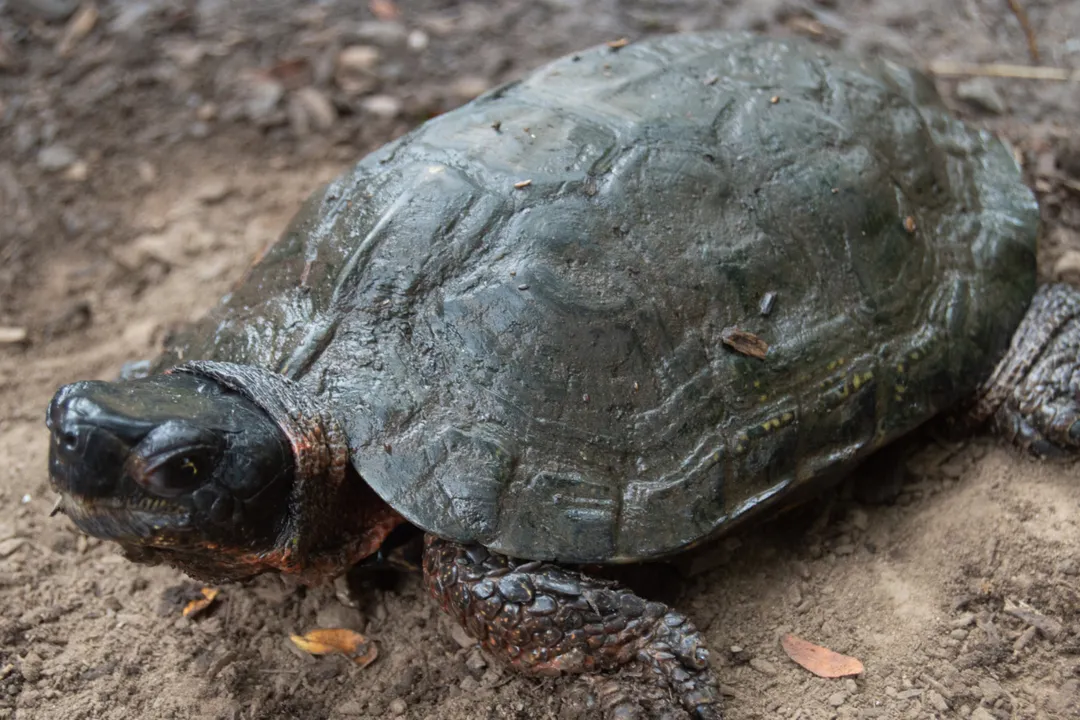
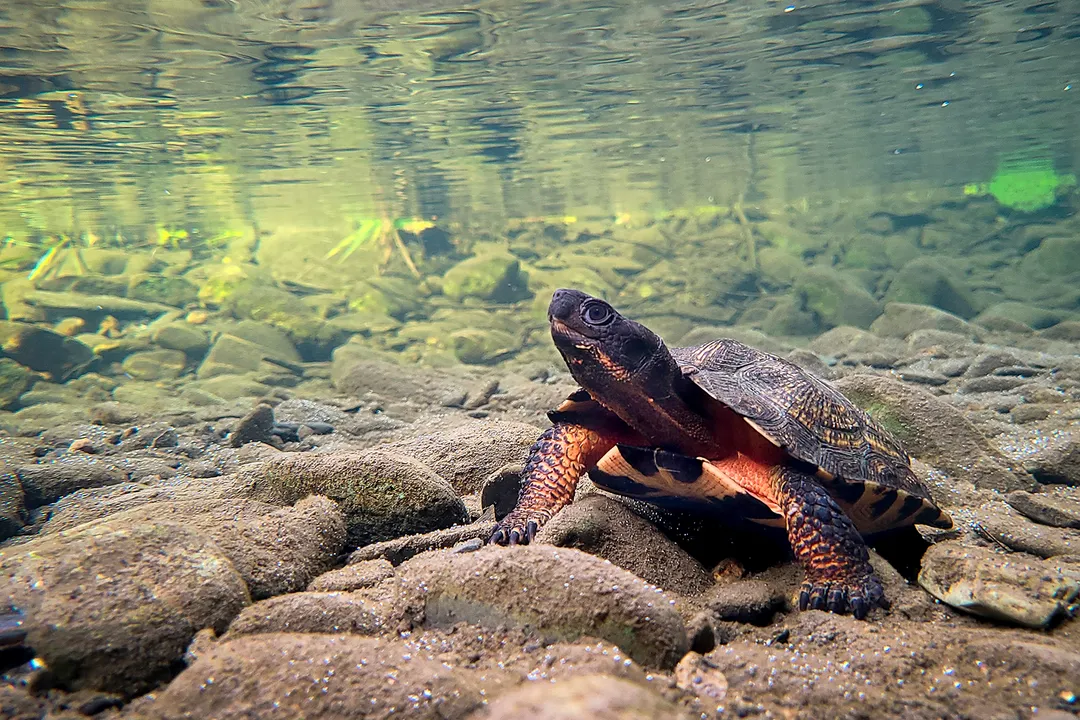
A defining characteristic of Wood Turtle locations is their strong association with running water, particularly streams, rivers, and their immediate surroundings. [1][5][9] They are often referred to as "riparian" species because their lives are so deeply intertwined with these aquatic corridors. [1] Unlike some turtles that frequent stagnant ponds or large lakes, Wood Turtles show a strong preference for moving water systems that provide both foraging grounds and necessary thermal regulation opportunities. [9]
The habitat selection is detailed: they seek out open, sunny banks along these waterways for basking, which is vital for regulating their body temperature. [9] In addition to the immediate streamside, they utilize adjacent upland areas, especially woodlands and meadows, for foraging, nesting, and seeking refuge outside of the water. [1][6] The surrounding forest cover plays a role, as these areas provide shade during the hottest parts of the summer and shelter from predators. [9]
When considering the exact location, the quality of the stream bottom matters. They often prefer streams with gravel or sandy substrates, which are essential for successful egg deposition. [9] This need for specific substrate types means that streams running through bedrock-heavy or silt-laden areas might not support a viable population, even if the water quality appears fine. [9] Observing the land use immediately surrounding these water bodies is key; areas with minimal human disturbance tend to retain healthier populations. [3]
If you are attempting to locate potential Wood Turtle habitat, look for small to medium-sized streams that maintain a moderate current and possess well-vegetated, occasionally exposed, gravelly banks. The presence of emergent vegetation along the banks also suggests suitable cover and insect life for diet. [9] This reliance on the interface between terrestrial and aquatic ecosystems means that habitat connectivity along these riparian zones is paramount for population health. [1] A small, isolated stretch of perfect habitat surrounded by hostile development or agricultural runoff effectively traps a local population, unable to easily access necessary resources or mates elsewhere.
# State Distribution Detail
Understanding the location data requires drilling down into specific regional contexts, as the pressures and specific landscape features vary from state to state. [3][5][6]
In states like New Jersey, the Wood Turtle is listed as a species of concern, often found in the northern and central parts of the state where suitable river systems persist. [3] Conservation efforts here frequently focus on protecting the stream corridors that run through less developed areas, emphasizing the need to maintain buffers against adjacent land use changes. [3]
New Hampshire provides another example, with records showing their presence concentrated in areas where riparian habitats are intact. [5] The ecological requirements demand proximity to clean, flowing water sources, making their presence an indicator of relatively undisturbed local hydrology. [5]
Michigan’s presence further illustrates their tolerance for certain types of northern forest environments, provided the requisite streams and riparian zones are present. [6] The key takeaway across these northeastern and midwestern states is the pattern: the turtles are located along the rivers, not just near them. [9]
| State/Region Example | Key Habitat Feature | Conservation Implication |
|---|---|---|
| New Jersey | Northern/Central Stream Corridors | High risk from adjacent development [3] |
| New Hampshire | Clean, flowing water proximity [5] | Need for robust riparian buffer zones [5] |
| Michigan | Forested riparian zones [6] | Adaptation to Great Lakes region hydrology |
This pattern suggests a strong biogeographic control exerted by the physical structure of the watershed itself, more so than broad climatic zones. [9]
# Seasonal Relocation
The location of a Wood Turtle is not static throughout the year; it shifts predictably based on thermal and reproductive needs, adding another layer to defining their "location". [9] They are not found in one spot year-round. [4]
During the active season, which is generally spring through fall, the turtles move between their aquatic and terrestrial habitats. [9] They use the streams and adjacent uplands actively for foraging, basking, and mating. [9] Water bodies serve as critical retreats during the hottest periods of summer, helping them avoid lethal overheating. [1]
As cold weather approaches, typically in the late fall, their location shifts again to overwintering sites. [9] These hibernation spots are often terrestrial, involving burrows dug into soft soil, under logs, or beneath stream banks, usually in well-drained uplands near their summer feeding grounds. [9] The availability of these safe, stable overwintering locations is just as important as the summer habitat quality. If the adjacent uplands are paved, heavily compacted by machinery, or developed, the turtles may be unable to access necessary hibernation sites, even if the river itself remains pristine. [9] This necessary seasonal transition between aquatic corridors and adjacent uplands underscores why conservation planning must address the entire corridor, not just the water's edge. [1]
# Threats Mapping
When mapping Wood Turtle locations, it is equally important to map the threats that define their absence or decline. [3][7] Their fidelity to specific habitats makes them highly vulnerable to localized disturbances. [9] The primary threats impacting their location viability often stem from habitat degradation within their preferred riparian zones. [7][9]
Human activities that alter stream flow, increase sedimentation (making nesting substrate unusable), or introduce pollutants directly affect the quality of their home range. [9] Road mortality is a significant factor, particularly when migration corridors between summer feeding areas and nesting/overwintering sites are bisected by roadways. [9] Because Wood Turtles are relatively long-lived and slow to reach maturity, the loss of even a few adults can have a disproportionate, long-term effect on the local population structure. [4]
Protection of Wood Turtle locations, therefore, often translates into targeted conservation strategies aimed at buffering stream banks from development, restoring natural stream flow, and managing adjacent upland forests to maintain suitable soil conditions for nesting and overwintering. [3][5] The mere geographic presence of the species in an area serves as an excellent ecological benchmark for the health of that specific stream system. [7] If the turtles are thriving, the local hydrology and riparian ecology are likely intact.
Related Questions
#Citations
Wood Turtle - The Orianne Society
Wood Turtle (Glyptemys insculpta) - Species Profile
Wood turtle - Conserve Wildlife Foundation of NJ
Wood turtle - Wikipedia
[PDF] Wood Turtle - New Hampshire Fish and Game
Glyptemys insculpta (Wood turtle)
Wood Turtle (Glyptemys insculpta) | U.S. Fish & Wildlife Service
Wood Turtle - Utica Zoo
[PDF] A Guide to Habitat Management for Wood Turtles