Wood Tick Locations
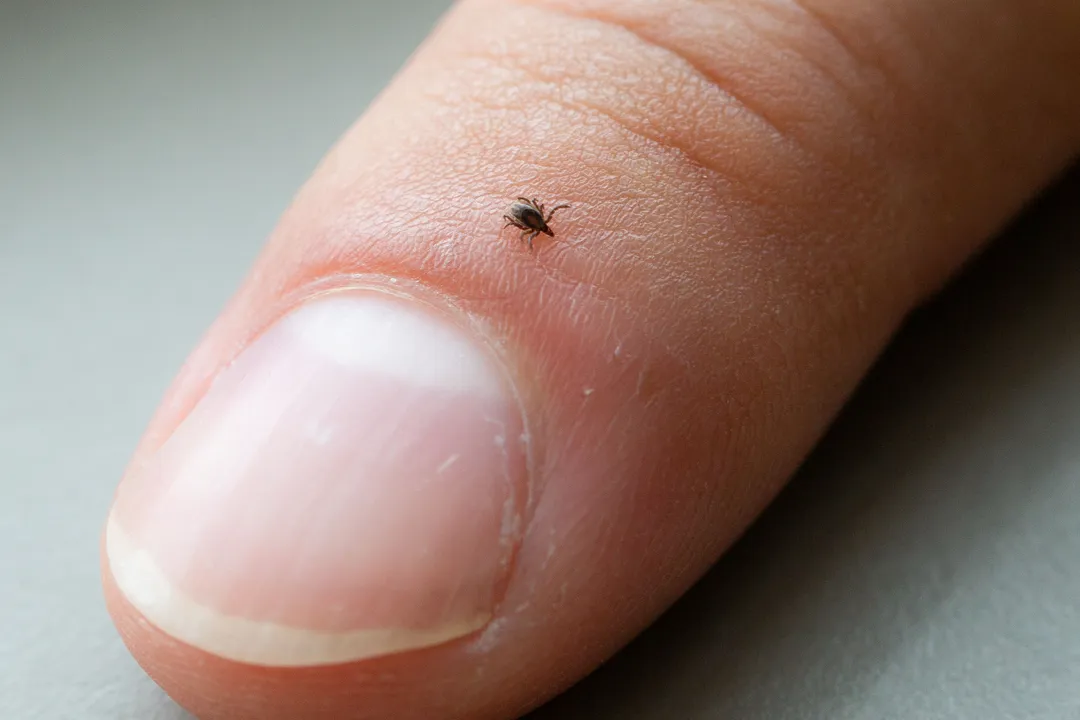
The term "wood tick" often brings to mind images of dense forests and brushy undergrowth, and for good reason, as these environments are prime real estate for several tick species. However, when we discuss the wood tick, we frequently zero in on a specific, medically significant species: the Rocky Mountain Wood Tick, scientifically known as Dermacentor andersoni. Understanding where this particular tick resides is key to personal safety and awareness, as it is known for transmitting diseases like Rocky Mountain Spotted Fever (RMSF) and causing Tick Paralysis.
# Geographic Range
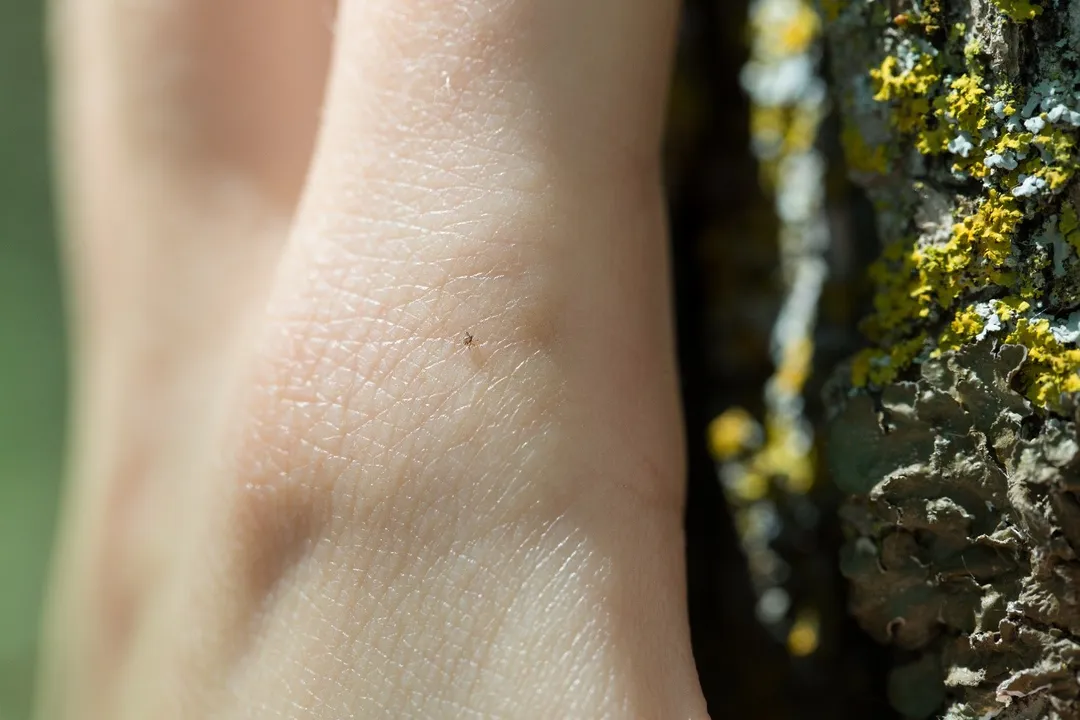
The primary distribution of the Rocky Mountain Wood Tick is firmly rooted in western North America. This species is predominantly found throughout the western United States and western Canada. Its presence is particularly notable in areas characterized by mountainous terrain and specific elevations. While the species name suggests a narrow focus, its actual range covers several western states, including Montana, Wyoming, Idaho, Washington, Oregon, California, Utah, Nevada, Colorado, North Dakota, and South Dakota, extending into western Canada.
When planning activities, it is useful to think of its range not just as a set of states, but as an ecological boundary. While the CDC notes that ticks generally live in wooded, brushy, or grassy areas, the D. andersoni has distinct geographical preferences tied to climate and altitude that set it apart from ticks found in the East. For instance, in regions where this tick is established, it can be found in lower elevations in cooler climates, sometimes as low as sea level, but is more commonly associated with higher elevations, often between 5,000 and 8,000 feet.
It is worth noting that while Dermacentor andersoni dominates the conversation regarding wood ticks in the West, other species also go by the common name "wood tick" in different localities. For example, the American Dog Tick (Dermacentor variabilis), which transmits RMSF in Eastern and Midwestern states, is sometimes referred to generally as a wood tick. This distinction is vital: if you are hiking in Minnesota, for example, the ticks present are likely different species than those in the Rocky Mountains, though the general type of habitat where you might encounter them—leaf litter, tall grass—remains similar.
One way to frame the risk is to consider your geographical coordinates against established tick atlases. If you are planning a trip outside the primary D. andersoni range, such as the Eastern Seaboard or the Upper Midwest, your concern should shift to other Dermacentor species or the blacklegged tick, even if you are still entering environments that feel like "wood tick" territory.
# Habitat Preferences
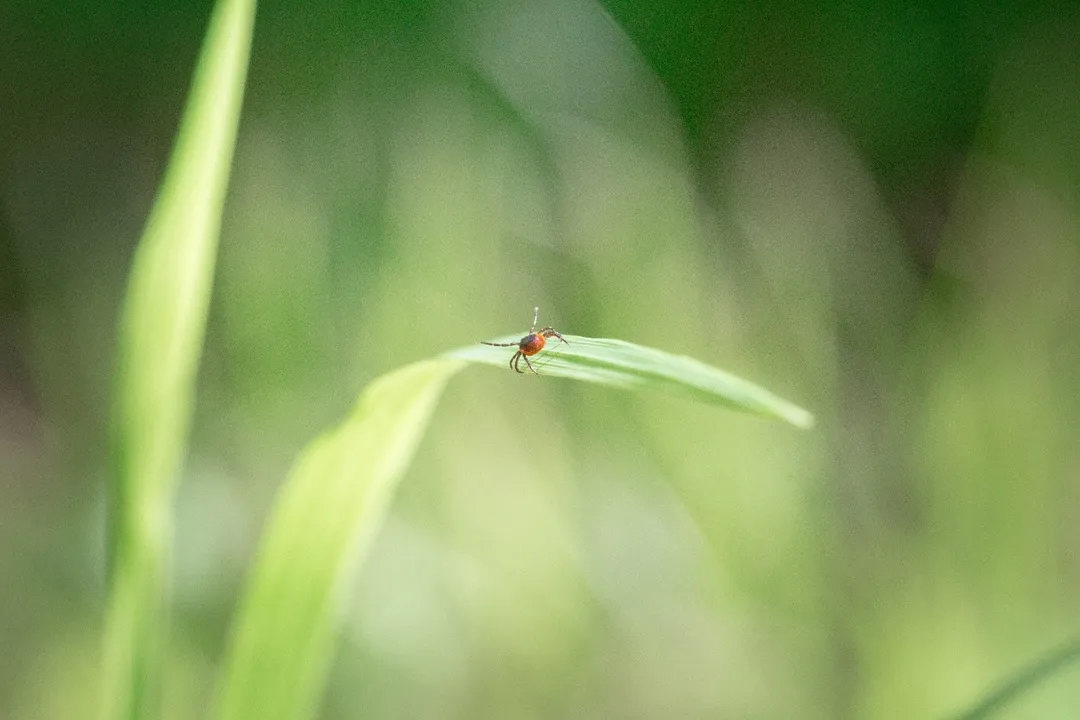
The preferred living space for the Rocky Mountain Wood Tick is dictated by host availability, moisture, and temperature. They are generally found in open woodlands, brushy areas, meadows, and semi-arid scrubland. This contrasts slightly with the deep, dense forest habitats often associated with other tick species.
The tick's environment is heavily influenced by its life stage. Adults tend to prefer higher vegetation, often questing from grasses or low shrubs, waiting for larger hosts like deer, cattle, or humans. Nymphs and larvae, being smaller, are more likely to be found closer to the ground among leaf litter and low-growing plants. This stratification means that even within a single meadow, the risk level can vary depending on how close you are to the ground cover versus walking through waist-high brush.
Temperature plays a significant role in activity windows. In areas where the Rocky Mountain Wood Tick occurs, activity generally begins in early spring and can persist through late spring and early summer, though seasonal peaks vary by latitude and elevation. In higher-altitude environments, the active season might be shorter or start later in the year due to snowpack duration.
An interesting ecological observation regarding Dermacentor andersoni is its association with specific environments that support its primary hosts, such as deer, elk, and domestic livestock. Therefore, areas near rangelands or trail systems frequently used by large mammals present a higher risk profile, regardless of whether they are heavily forested or more open scrubland.

# Activity and Exposure
Ticks do not actively seek out people or pets; rather, they wait in what is termed a "questing" posture, extending their front legs from a perch on vegetation. For the wood tick, this perch is often a blade of grass or a low shrub branch. If a potential host brushes past, the tick attaches itself.
The risk of encountering an active tick is highest during their respective questing seasons, but it is important to know that ticks are generally present in favorable habitats year-round, though their activity level is dictated by warmer temperatures.
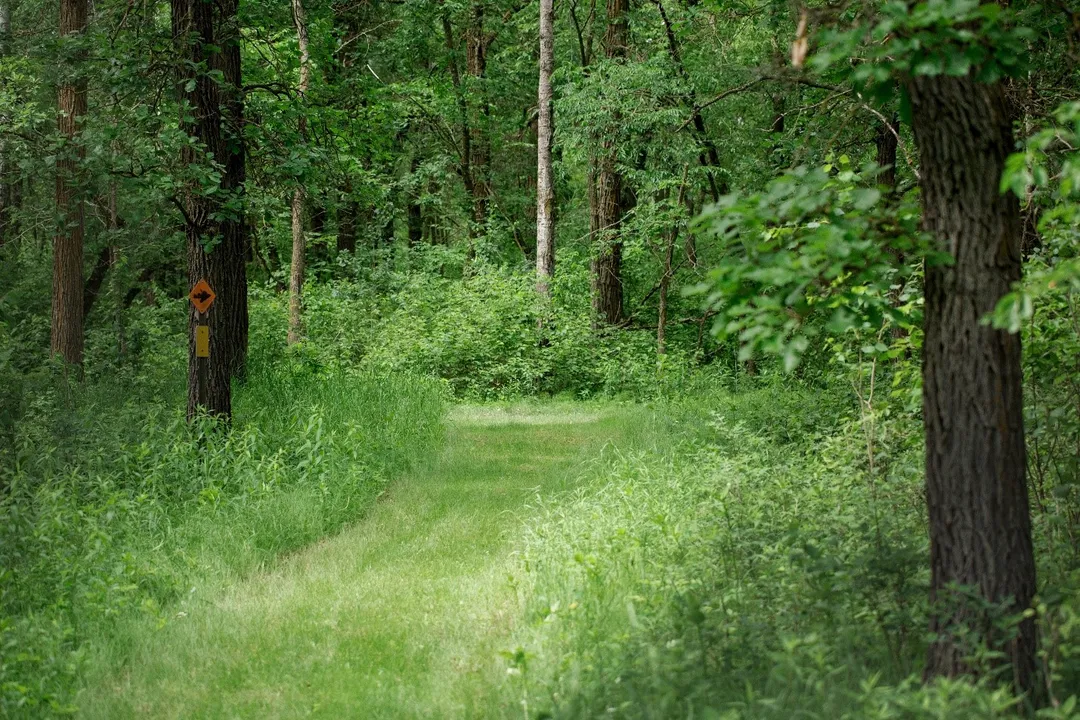
Consider this practical application: If you are moving through an area known to harbor wood ticks, such as a shrub-dotted hillside in Montana, the most intense exposure risk often occurs when moving through the transition zones—where woods meet an open meadow, or where trails cut through dense brush. These edge habitats offer the perfect combination of cover for the ticks and predictable travel corridors for their hosts.
It is also critical to remember that while the adult stage is the most visible and often the one people associate with disease transmission (especially for Tick Paralysis), nymphs and larvae are also capable of carrying and transmitting pathogens, such as those causing RMSF. Because nymphs are often the size of a poppy seed, they can easily attach and feed without being noticed, which increases the time they have to transmit disease before removal.
# Tick Encounter Zones
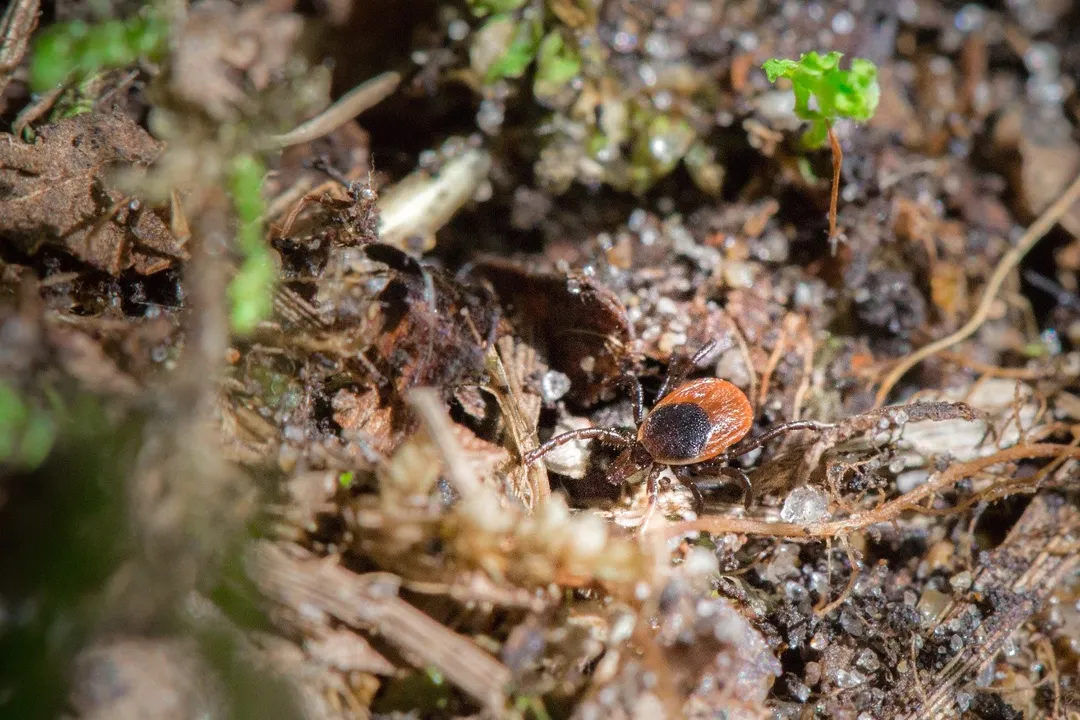
While the specific habitat of Dermacentor andersoni is tied to the Western US and Canada, the general environments that host ticks are relatively consistent across North America. These zones typically share features that provide shelter, humidity, and host access:
- Leaf Litter and Ground Cover: Ticks, especially in their early life stages, rely on the insulating and moist microclimate provided by fallen leaves and dense ground vegetation.
- Grassy Areas: Tall grasses are common questing sites for adult ticks waiting for hosts.
- Brushy Edges: The boundary areas between forests and open fields, or trails winding through dense shrubbery, concentrate host traffic and, consequently, ticks.
In stark contrast to these ground-level habitats, ticks are rarely found in open, dry, sunny areas or on bare ground. If you are walking on a well-maintained, sun-drenched gravel path far from any vegetation, the immediate risk is significantly lower compared to walking along the path's overgrown edge.
The presence of the Rocky Mountain Wood Tick can be location-specific even within a state. One study of tick distribution might show high incidence in the foothills of the Sierra Nevada range, while nearby agricultural valleys might have lower concentrations due to different host populations or dryer, less favorable ground cover. For pet owners or hikers in endemic areas, regularly checking animals and gear is essential, as wood ticks can be carried long distances before finding a suitable place to attach or drop off. The fact that D. andersoni can attach to a wide variety of mammals, from rodents to large ungulates, ensures its presence across diverse but connected ecological landscapes.

# Disease Association Locations
The geographical location of the tick directly correlates with the regional prevalence of the diseases it carries. The Rocky Mountain Wood Tick is a known vector for several pathogens. While its name suggests association with RMSF, the actual geographic spread of the disease is wider than the tick's range due to other vectors. However, in the areas where D. andersoni is the primary vector, such as the mountainous West, the risk profile for certain diseases changes.
The tick is also linked to the development of alpha-gal syndrome, a condition causing delayed allergic reactions to red meat after a bite from certain ticks, including Dermacentor species. If you live in or frequently visit areas known for D. andersoni, understanding this potential, delayed consequence is as important as understanding acute infection risks. If a bite from a tick in the Rocky Mountain region results in subsequent severe allergic reactions to beef or other mammalian meat products, this association warrants medical investigation.
To summarize the spatial concern: where the tick lives determines the disease risk profile for that area. In the Western mountain regions, D. andersoni dictates the primary tick-borne concern, whereas in the Northeast, the focus shifts to Ixodes scapularis (Blacklegged Tick) and Lyme disease. While the general "woodsy" environment might be the same, the microbial baggage carried by the local tick population is what truly defines the location-specific health risk.
Related Questions
#Citations
Where Ticks Live - CDC
Rocky Mountain Wood Tick - The University of Rhode Island
Everything You Need To Know About the Wood Tick - PetMD
Guide to different tick species and the diseases they carry
Dermacentor andersoni (Rocky Mountain wood tick) | INFORMATION
Rocky Mountain wood tick - Merck Animal Health USA
Dermacentor andersoni: the Rocky Mountain wood tick
What You Should Know About Wood Ticks [Infographic]
Ticks - MN Dept. of Health