White-tail deer Locations
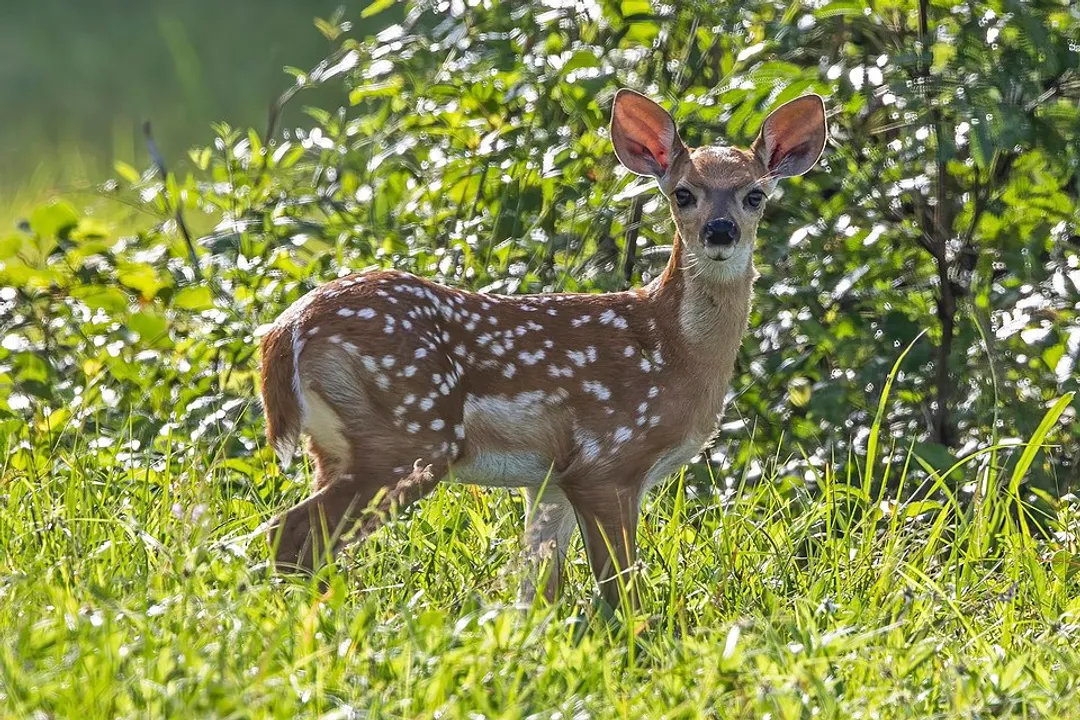
The white-tailed deer (Odocoileus virginianus) claims one of the most extensive ranges of any North American large mammal, a testament to its remarkable adaptability across highly varied environments. Locating these animals requires more than simply knowing their general territory; it demands an understanding of how their immediate habitat and seasonal needs dictate their precise whereabouts at any given moment. From the dense hardwood forests of the East to the arid brush country of the Southwest, and even into the fringes of suburban sprawl, the white-tail has carved out a niche almost everywhere except the deep desert or extremely high alpine zones.
# Geographic Spread
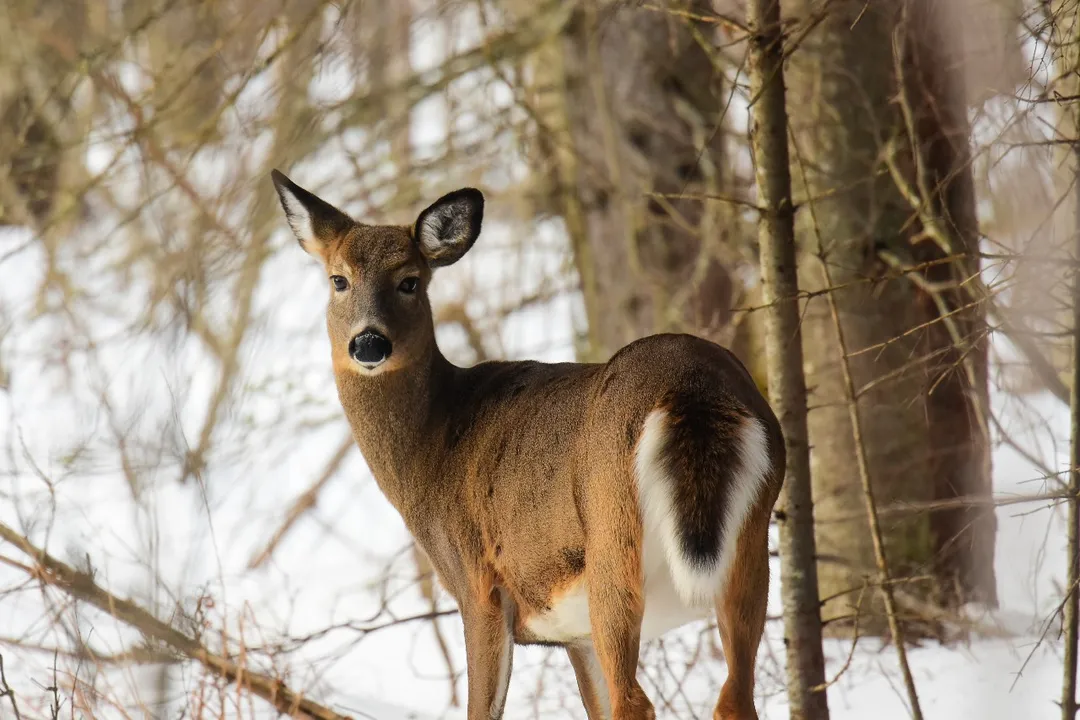
The sheer scale of the white-tailed deer's native range spans the Americas, covering much of North America, extending south through Central America, and reaching into the northern regions of South America. This distribution encompasses an astonishing variety of ecological niches. While many associate them with deep woods, they are equally at home in swamps, riparian zones, agricultural fields, and even semi-arid habitats. This broad presence explains why hunters, wildlife watchers, and researchers encounter them across such a wide spectrum of latitude and altitude. In specific northern regions, such as Washington State, populations of white-tailed deer exist, often favoring forested or brushy areas near water sources and clearings.
# Habitat Needs
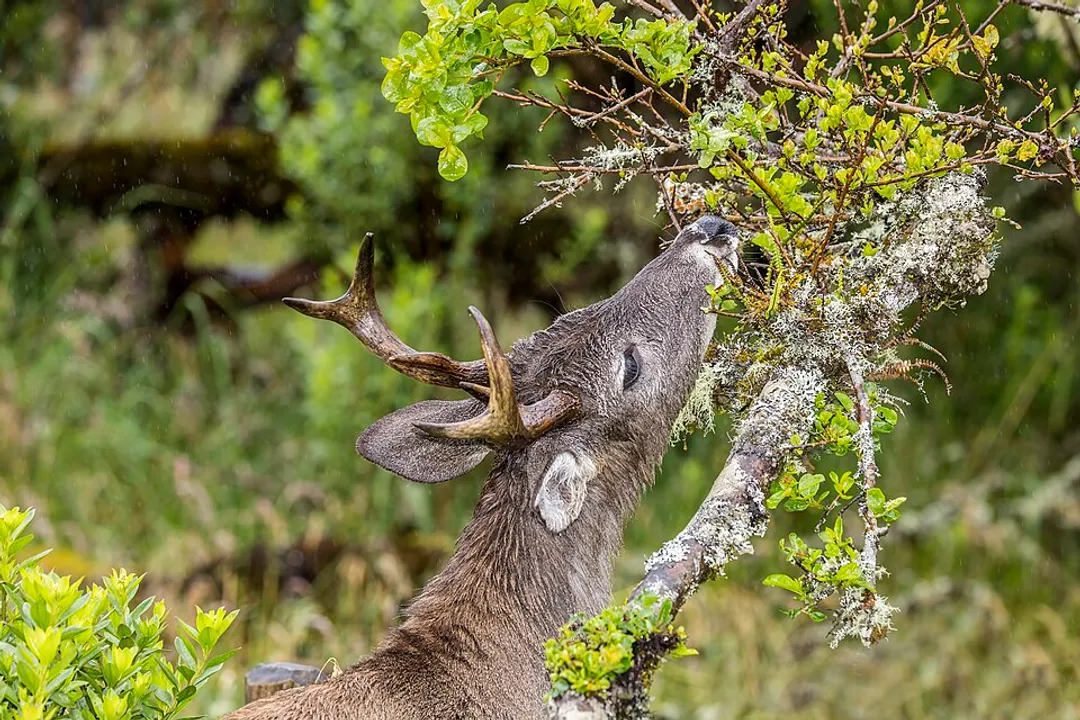
The term "habitat" for a white-tail is highly flexible, but certain components remain constant: food, water, and cover. Deer thrive where these elements intersect closely, which often defines what is known as "edge" habitat—the transition zone between two different environments, such as where a field meets a woodlot. These edges provide quick access to forage while allowing immediate retreat into dense cover when threatened or when weather turns severe.
While they utilize farms and open areas for feeding, secure bedding cover is paramount for daytime security and thermal regulation. This cover can range from dense thickets and overgrown brush piles to standing corn or tight stands of young pine trees. Areas that offer persistent, secure bedding, even if the adjacent feeding area is small, often hold deer consistently, especially under high hunting pressure.

# Home Range Dynamics
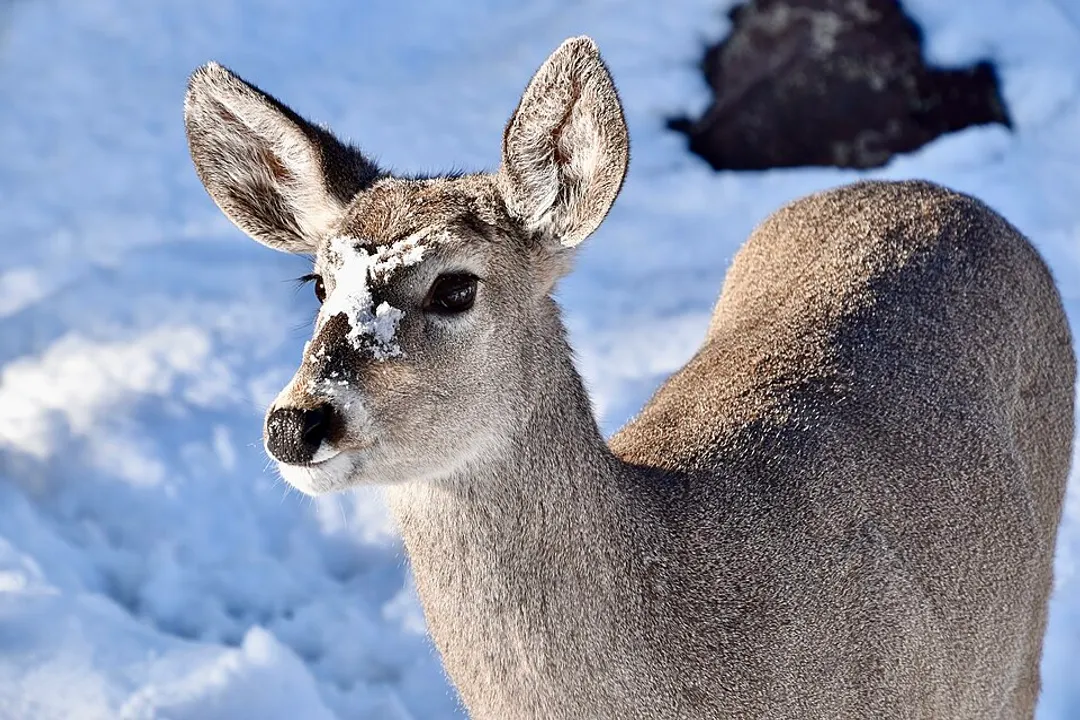
Understanding where a deer lives is intrinsically linked to its home range, which is the specific area an animal habitually uses for daily survival activities. Contrary to the idea that deer wander randomly, they establish a core territory, the size of which is largely dependent on resource availability.
The area a doe maintains is generally smaller and more fixed than a buck's range, especially outside of the breeding season. When food and water are plentiful, like during the lush growing season, a doe might restrict her movements to as little as 100 acres, moving only between her favorite bedding thicket and a prime feeding spot. Conversely, a dominant buck’s range can encompass several square miles during the fall rut as he patrols for receptive does. This expansion during the breeding season is critical; bucks must cover significantly more ground to locate scattered females, making their autumn "location" far less predictable than their summer location.
# Seasonal Movements
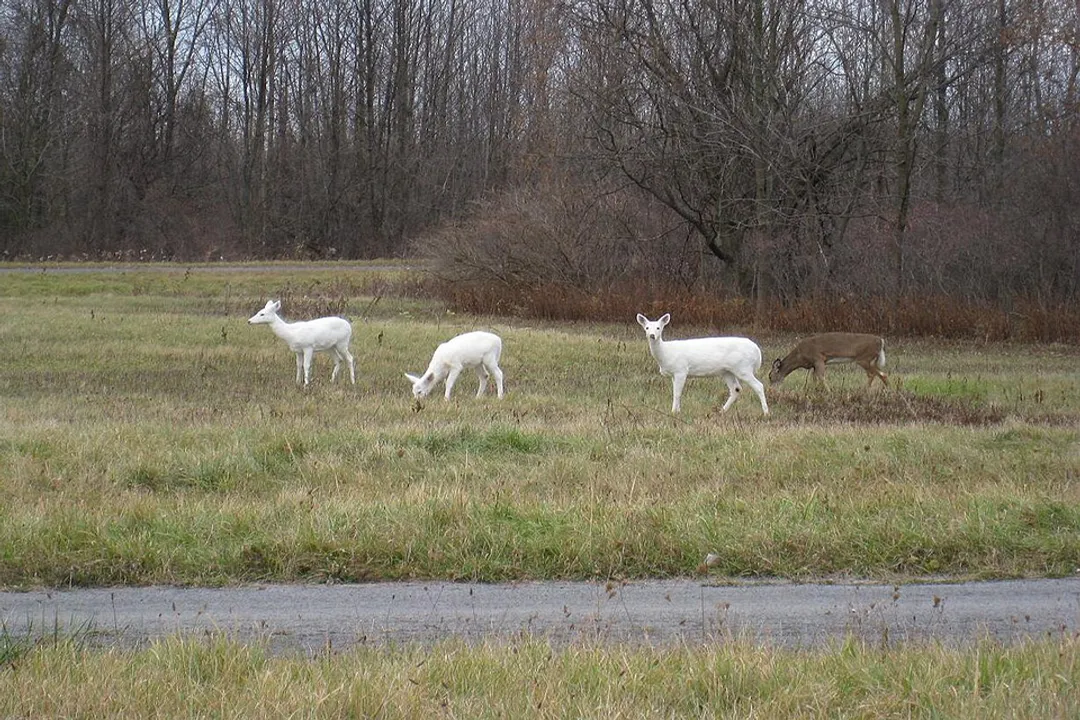
The location of white-tailed deer is far from static; it shifts dramatically throughout the year in response to climate and reproductive cycles.
Spring and Summer: During this period, deer locations are dictated by the flush of new, highly digestible vegetation. They will concentrate in areas where preferred foods—tender new growth on shrubs, young forbs, and agricultural crops—are most abundant. Water sources also become magnets during hot periods, drawing deer to riparian corridors and small ponds.
Fall and Winter: As vegetation dies back, location shifts toward accessible browse—the twigs and buds of woody plants that remain palatable. If snow cover is significant, deer may "yard up," moving to sheltered slopes or dense conifer stands that offer protection from the wind and deep snow, allowing them to conserve energy. In areas with mild winters, such as the Gulf Coast or parts of the South, these dramatic movements are less pronounced, though bucks still separate from does and increase their patrol areas during the rut.
# Trophy Hotspots
For those seeking high-caliber or record-book animals, certain regions consistently produce exceptional bucks, suggesting a combination of ideal genetics, favorable environment, and possibly lower overall population pressure or effective management practices. States such as Kansas, Iowa, and Missouri frequently appear at the top of lists for trophy buck entries, often because they combine vast tracts of quality agricultural land—providing immense nutrition—with adjacent timber or river bottoms that offer excellent bedding cover.
This contrasts sharply with the habitat found in regions like the mountainous West, where successful high-score bucks often inhabit transitional zones between high-elevation forests and lower valley floors, utilizing steep, rugged topography to avoid detection. Knowing that a state like Montana or Wisconsin consistently produces high-scoring deer tells an observer that the habitat there supports large-bodied animals with the time and resources to develop large racks, even if the specific habitat type (e.g., mountain scrub vs. Midwest cornfields) differs vastly from other top-tier locales.
# Finding Sanctuaries
In heavily hunted or intensely developed regions, the true challenge in locating deer shifts from identifying general habitat to pinpointing their sanctuaries—the places they retreat to when external pressure is high. On public lands, these sanctuaries are often found where human effort is minimal.
A practical approach involves analyzing topographic maps or using aerial imagery to identify terrain features that naturally deter human access. This includes steep north-facing slopes (which retain snow longer and are cooler), areas riddled with thick, almost impenetrable brush, or remote parcels surrounded by private property barriers. A key consideration is the relationship between bedding and primary access routes. Deer will often bed on the side of a ridge opposite the primary access point or trail, forcing hunters to approach from an unexpected direction to intercept them before they retreat further into their safety zone. If you observe a high density of deer using an area during the summer feeding period, but cannot locate them during the heavily pressured hunting season, it strongly suggests they have retreated into a more inaccessible, unpressured refuge nearby that you must identify and approach with stealth. Understanding that deer value security above convenience is the single best tool for relocating them when they disappear.
Related Questions
#Citations
White-tailed deer - Wikipedia
Harvested white-tailed deer locations | U.S. Geological Survey
Boone and Crockett's Top Whitetail States
How to Find Whitetail Sanctuaries on Public Land - MeatEater
Where to Find White-tailed Deer Throughout the Year
Distribution Map - White-tailed Deer (Odocoileus virginianus)
Where Does a Whitetail Deer Live? - Squaw Mountain Ranch
What You Need to Know About Whitetail Home Ranges
Guide :: Whitetail Deer - Animal Approach & Spots - Steam Community
Where would be the best place to hunt big Whitetail deer ?