Wood Bison Locations
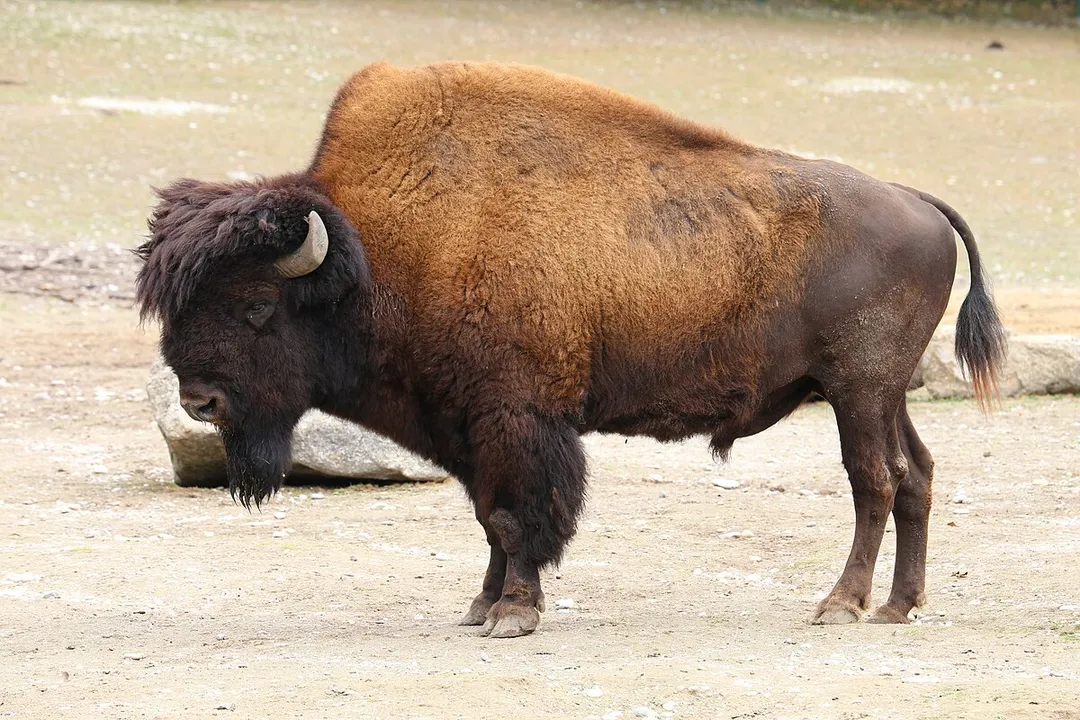
The modern presence of the Wood Bison, Bison bison athabascae, is largely a story of recovery, concentrated in specific pockets of northern North America where conservation efforts have proven successful. [4][7] These magnificent animals are recognized as one of the two subspecies of the American Bison, distinct from their more numerous cousins, the Plains Bison. [4][5][7] Understanding where they roam today requires looking past historical accounts to the managed and wild populations that anchor their continued existence across Canada and a portion of the United States. [1]
# Species Distinction
Wood Bison possess key physical differences that set them apart from the Plains Bison. They are generally recognized as the larger of the two subspecies, sporting a taller, more pronounced hump situated further forward on their shoulders. [5] Their coat tends to be darker, and they exhibit more wool on their foreheads and legs. [5] Historically, their geographic separation was clear: Wood Bison occupied the dense boreal forests and parklands of the north, while Plains Bison dominated the open prairies further south. [5] This habitat specialization is crucial, as the locations where they survive today often reflect the specific environmental niches they evolved to inhabit. [1][5]
# Range Core
The single most significant location for Wood Bison populations is Wood Buffalo National Park (WBNP). [3] This massive protected area serves as the primary stronghold for the species, straddling the border between the Northwest Territories and northern Alberta. [1][3] The conservation success within WBNP is paramount, representing the largest contiguous herd remaining, a vital genetic reservoir for the subspecies. [3] While conservationists use tools like remote sensing data to map and monitor the habitat quality within this core region, the sheer scale of WBNP means tracking the herds involves extensive management across a varied landscape of forest and wetland. [3]
# Canadian Presence
Beyond the massive WBNP concentration, Wood Bison can be found in several other jurisdictions across Canada, reflecting ongoing reintroductions and the resilience of smaller, established groups. [1] Key areas include scattered populations in Alberta, the Northwest Territories, and extending north into Nunavut. [1] Historically, their range stretched across the vast North American boreal forest zone. [1]
When examining the current Canadian distribution, it is interesting to note the contrast between the primary WBNP herd and smaller, managed groups established elsewhere. The success of reintroduction programs into former range areas, such as specific parkland zones within Alberta, is important not just for increasing headcounts, but for ensuring the species has access to diverse habitat types beyond the strictly boreal environment of WBNP. [1] A population reintroduced into a different ecological setting—perhaps one with different forage availability or predator pressure—offers crucial data on the species' adaptability that the central, long-established WBNP herd alone cannot provide. Tracking these satellite herds is a key management objective to bolster overall population security. [1] Areas near Great Slave Lake are also noted points of presence within this northern Canadian geography. [1]
# Alaskan Range
The story of the Wood Bison in the United States is centered almost entirely within Alaska, where the species was once extirpated due to historical overhunting. [6] Today, Alaska hosts several managed herds, marking a significant comeback for the species in the US. [2][8] The Alaska Department of Fish and Game (ADFG) manages these herds, which are often the result of translocations from the Canadian populations. [2][8]
Specific areas in Alaska where Wood Bison populations are established or being monitored include the vicinity of Delta Junction and the Farewell area. [2] These reintroduction sites are vital for establishing a secure American presence for the subspecies. [8] The Alaskan recovery program often involves careful monitoring of small, introduced groups, contrasting with the herd dynamics in the massive Canadian parks. [2][8] For instance, the Delta Junction herd represents a specific management achievement, establishing a viable population in areas where they had not been seen for many decades. [8] If one were tracking these animals, they would find them utilizing mixed spruce-birch forests and riparian areas typical of interior Alaska, which offers a slightly different habitat profile than the core WBNP environment. [1][2]
# Status Recovery
The conservation status of the Wood Bison underscores the importance of these specific geographic locations. In the United States, the Wood Bison is listed as Threatened under the Endangered Species Act (ESA), having been downlisted from its previous Endangered status. [6] This shift reflects the successful establishment and growth of the managed herds in Alaska and Canada, though vigilance remains essential. [6]
The locations where they currently thrive are a direct result of dedicated management spanning decades. The population decline that led to the ESA listing stemmed from unregulated slaughter during the late 19th century, which drastically shrunk their historical territory. [6] Today, successful reintroduction and protection within parks like WBNP, alongside careful re-establishment in areas like interior Alaska, are the mechanisms keeping the species viable. [3][8] Monitoring these distinct locations—from the vast wilderness of WBNP to the smaller, controlled release sites in Alaska—is how land managers ensure that the recovery remains on track and that the subspecies maintains genetic diversity across its contemporary range. [6]
Related Questions
#Citations
Wood bison
Wood Bison Range Map, Alaska Department ...
Where the Wood Bison Roam
Wood Bison (Subspecies Bison bison athabascae)
Wood Bison: History and Near Extinction
Wood Bison (Bison bison athabascae) - ECOS
Wood Bison Restoration in Alaska
Wood Bison - Alaska Wildlife Conservation ...