Wood Tick Facts
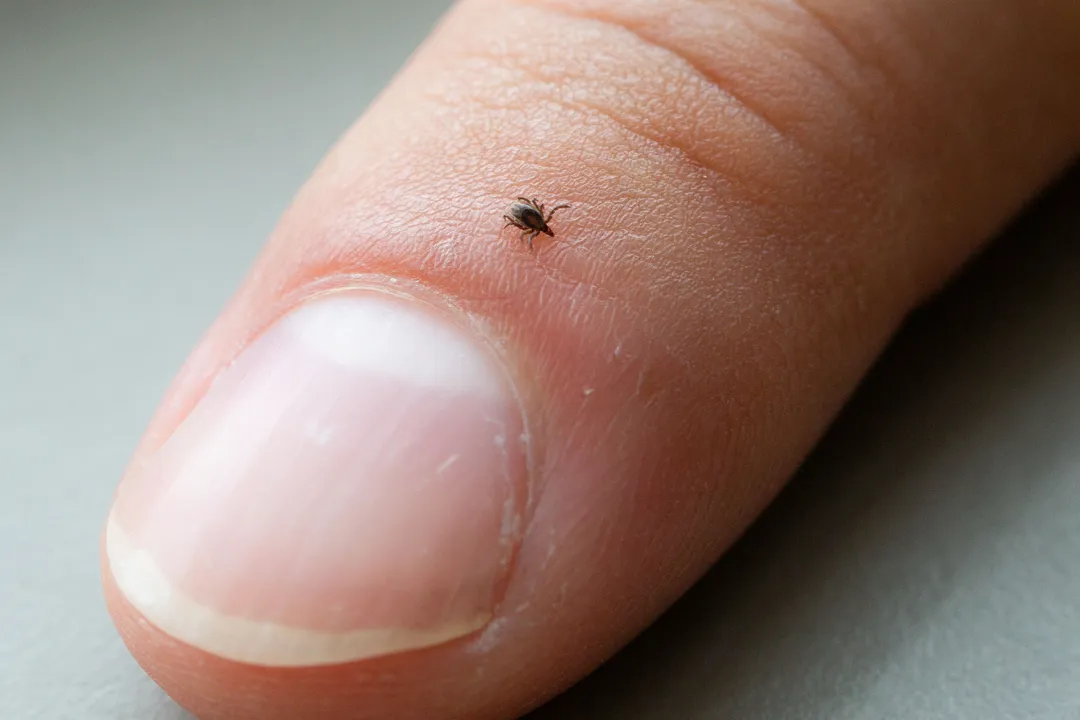
The ticks commonly known as Wood Ticks often cause concern for anyone spending time outdoors, particularly in grassy or wooded environments. [1][5] While this term can sometimes be used broadly, it most frequently refers to the Dermacentor variabilis, also known scientifically as the American Dog Tick or the Plains Tick. [4][9][10] Understanding the specifics of this particular arachnid is key to managing encounters and protecting pets and family members from potential health concerns associated with them. [2][5] These pests are not just creatures of deep wilderness; their presence is well-documented across large swathes of the United States, spanning the East, Midwest, and Pacific coastal regions. [4][10]
# Tick Look
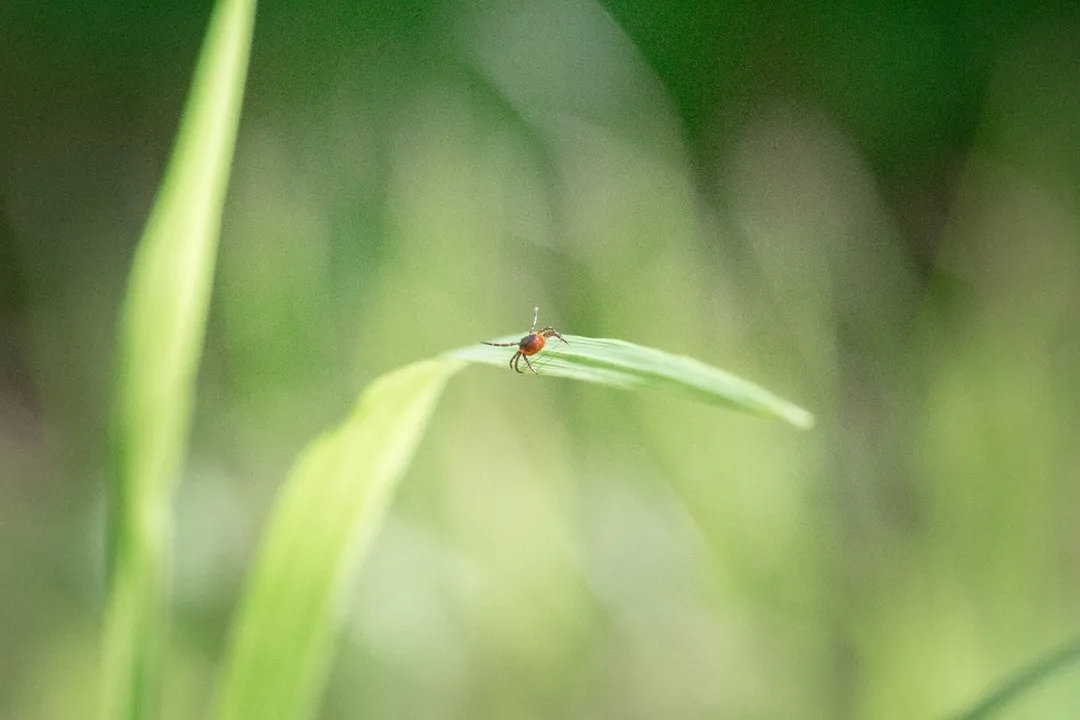
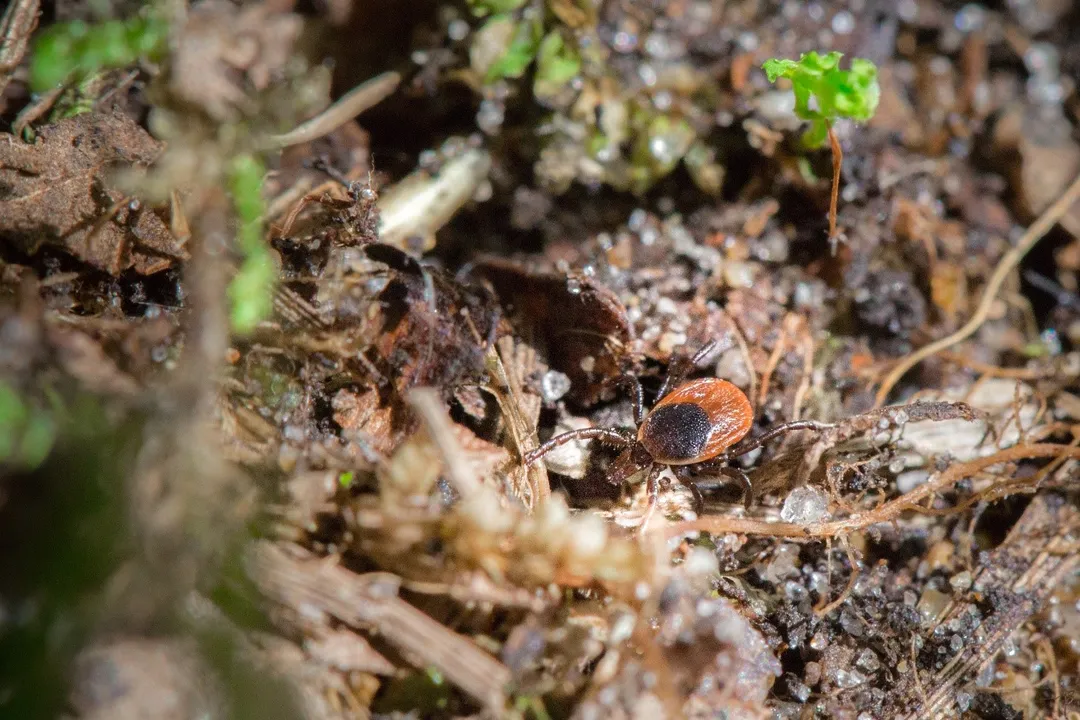
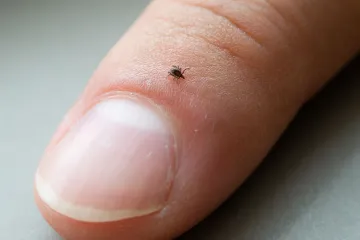
Distinguishing a Wood Tick from other species requires a close look, especially when they are unfed. [4][9] Adult female American Dog Ticks are generally dark brown to black when unfed, measuring around inch in length. [1][5] A defining feature on the female is the silvery white markings present on her scutum, or dorsal shield. [4][9] The male is similar in coloration, featuring irregular white markings scattered across his body. [4][9]
Once a tick successfully attaches and begins feeding, the appearance changes significantly, particularly for the female. After taking a blood meal, an unfed female can become engorged, swelling to nearly half an inch long, with her body turning a reddish-brown hue. [1][5] This engorgement stage is crucial because it’s often when an unnoticed tick is finally discovered. [1] In contrast, the immature stages—the larvae and nymphs—are much smaller, often described as being about the size of a pinhead. [1]
# Habitat Preference
Wood Ticks are creatures of the transition zones, preferring environments where tall grass, brush, and wooded areas meet. [1][5][10] They are not typically found exclusively deep within dense forests, but rather along the edges where sunlight is available and hosts are likely to pass through. [10] They actively "quest" for a meal, which involves climbing onto low-lying vegetation like grasses or shrubs and extending their front legs, waiting for a passing animal or person to brush against them. [1][4][9]
It is interesting to note that while they need access to host animals—which range from small rodents to larger mammals like dogs and humans—their typical questing height keeps them relatively close to the ground. [1][9] If you are assessing your yard, ticks actively questing are rarely found higher than about three feet off the ground. [4][9] This means that while dense, overgrown areas are prime real estate, even a maintained lawn bordering a wooded area poses a risk if the grass is allowed to grow long along the border. [10] Thinking about typical suburban landscaping, areas featuring low ornamental bushes or unmowed grassy edges are far more likely ambush points than, say, a paved patio or a low flower bed where foliage is sparse or close to the ground, which offers less mechanical support for their "reach". [4]

# Life Cycle Stages

Like all ticks, the Dermacentor variabilis has a three-stage life cycle: larva, nymph, and adult. [1][9] A key feature of this cycle is that it is three-host, meaning each of these three developmental stages requires a separate blood meal from a different host organism to move to the next stage. [1][9] This multi-stage requirement contributes to the tick's longevity in the environment, as the entire process can sometimes stretch out over two years. [1]
The cycle begins when an adult female lays her eggs, often numbering in the thousands, after taking a final blood meal. [1] Once the larvae hatch, they seek out their first host, which is typically a smaller creature such as a rodent or a bird. [1][9] After feeding, the larva drops off, molts into a nymph, and seeks a second host, which could be slightly larger. [9] Finally, the nymph molts into an adult, ready to feed on a larger mammal for its final blood meal before reproduction. [1][9] Common hosts for the adult stage include dogs, cattle, horses, and people. [1][9] Because the hosts change, the potential for disease transmission also changes across the tick’s lifespan. [10]
# Disease Transmission
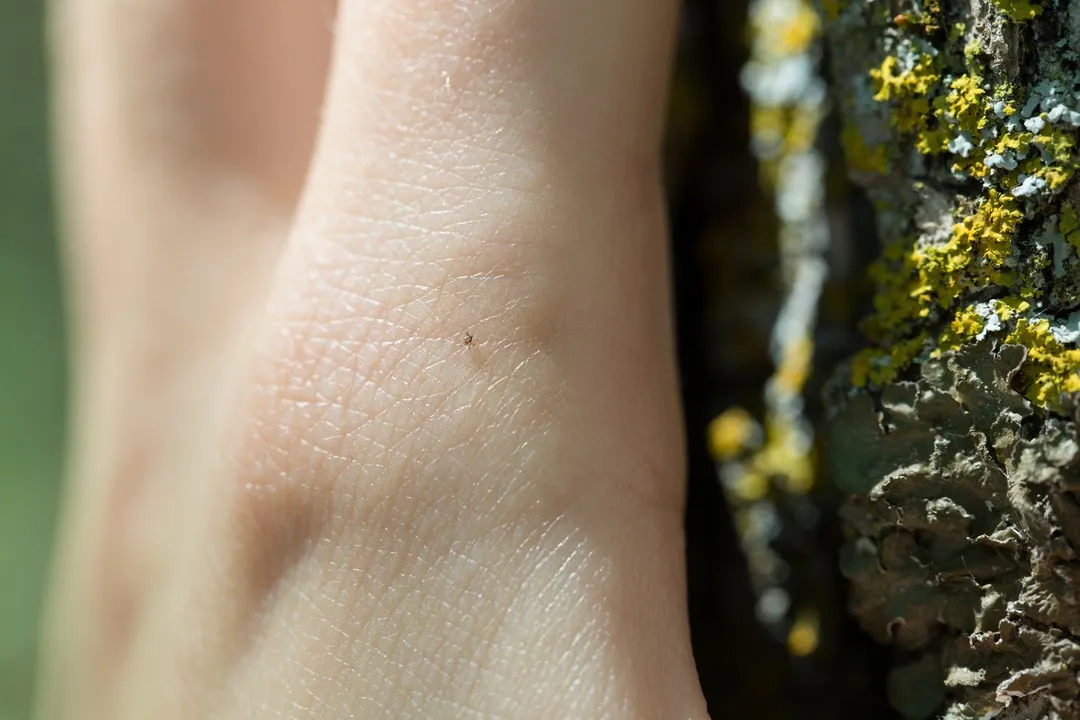
When a Wood Tick bites, it is not merely an annoyance; it carries the potential to transmit serious pathogens to its host. [1][5] The most widely cited concern related to the American Dog Tick is its ability to transmit the bacteria responsible for Rocky Mountain Spotted Fever (RMSF). [1][4][5][10] While RMSF can be spread by several species of ticks, this species is a known, significant vector. [5]
Beyond RMSF, the American Dog Tick has been identified as capable of transmitting Francisella tularensis, the bacterium that causes tularemia. [4][10] Tularemia, sometimes referred to as "rabbit fever," can cause illness in humans and various animals. [4] It is important to remember that not every tick carries disease, and an attached tick does not guarantee transmission, but awareness of the associated risks necessitates prompt and careful removal. [1][5]
# Removal Tactics
Discovering a tick attached to skin—whether human or pet—requires immediate and careful action. [1] The goal is to remove the entire tick, including its mouthparts, without squeezing its body, which could force infectious fluids into the bite site. [1]
To execute a proper removal, grasp the tick as close to the skin's surface as possible, using fine-tipped tweezers. [1] Pull upward with steady, even pressure; avoid twisting or jerking motions, as this can cause the mouthparts to break off and remain embedded in the skin. [1] Do not resort to older, unverified methods like smothering the tick with petroleum jelly or burning it with a match, as these techniques are ineffective and can actually irritate the tick, potentially causing it to regurgitate its stomach contents. [1]
After successfully removing the entire specimen, thoroughly clean the bite area and your hands with rubbing alcohol or soap and water. [1] If you are unsure about the removal or if symptoms develop later, saving the tick in a sealed bag or container might be helpful for identification by health professionals. [1][5] For individuals frequently in tick habitats, developing a systematic post-outdoor check routine is vital. After spending time in brushy areas, it's easy to miss a small nymph. A simple, useful approach is to undress and immediately step into a brightly lit shower. While showering, systematically check all body folds—armpits, groin, behind the knees—and use a hand mirror to examine the scalp and the back of the neck, as ticks often gravitate toward warmer, hidden areas after crawling up the body. [5]
# Prevention Notes
Preventing attachment is always superior to managing removal and potential illness. [1] Landscaping modifications can help reduce the area favorable to Wood Ticks. This involves keeping grass cut short, removing leaf litter, and creating a buffer zone, perhaps using wood chips or gravel, between lawns and wooded areas. [10] This disruption of the natural edge habitat discourages ticks from questing near homes. [10]
When moving from a grassy or wooded area back indoors, performing a thorough check on clothing and gear is necessary. [5] Ticks often hitch a ride on clothing before finding a host. Tossing potentially contaminated clothing into a hot dryer immediately upon coming inside for about ten minutes can kill any hitchhikers that have not yet attached. [5] For people and pets spending significant time in high-risk zones, using EPA-approved repellents or tick-control treatments designed for pets is a necessary layer of defense. [2] While chemical protection offers a strong barrier, understanding that the Dermacentor variabilis generally stays within about 100 feet of the edge of a lawn or woods, rather than venturing far into open, sunny spaces, allows for more targeted risk assessment of your property. [1][4][10]
Related Questions
#Citations
Everything You Need To Know About the Wood Tick - PetMD
American Dog Tick – TickEncounter - The University of Rhode Island
Tick facts - Tick Talk Canada
Dermacentor variabilis - Wikipedia
Get Rid of Wood Ticks: Facts on American Dog Ticks Removal - Orkin
What You Should Know About Wood Ticks [Infographic]
Ticks - MN Dept. of Health
American Dog Tick Diseases, Bites, Information - PestWorld.org
The American Dog Tick/Wood Tick (Dermacentor variabilis)
Common Ticks - Illinois Department of Public Health