What unique parasitic role defines ticks within the Acari group?
Answer
Being the only known blood-feeding ectoparasites
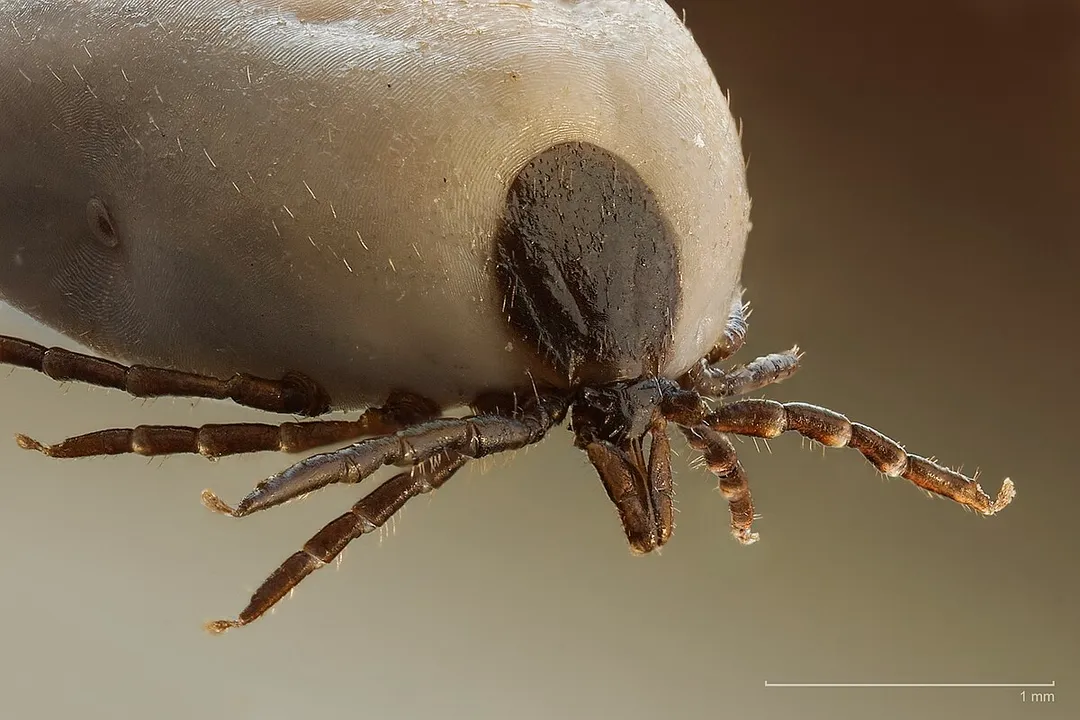
Ticks occupy a unique and highly adapted position within the broader class of arachnids because they are the sole known lineage within the Acari group whose existence is defined by obligate blood-feeding ectoparasitism. This commitment required significant genomic and physiological restructuring dedicated almost entirely to acquiring, processing, and managing the influx of nutrients and fluids from blood meals. This fundamental specialization is what separates them evolutionarily from their mite relatives, demonstrating a definitive blueprint for survival based entirely on hematophagy that has persisted over hundreds of millions of years.
Related Questions
When did tick divergence from other mites potentially begin according to genetic analysis?What unique parasitic role defines ticks within the Acari group?What defined the fundamental evolutionary turning point for ticks?What structural feature characterizes hard ticks like Dermacentor andersoni?What feeding strategy characterizes the Dermacentor genus regarding hosts?Where do soft ticks typically digest and molt after rapid feeding?Which two serious agents is Dermacentor andersoni best known for transmitting?What highly refined evolutionary trait makes ticks formidable vectors regarding pathogen carriage?What is the intended function of the complex saliva components introduced by ticks during feeding?What molecular tools do researchers use to reconstruct divergence times between tick groups?