Wood Frog Locations
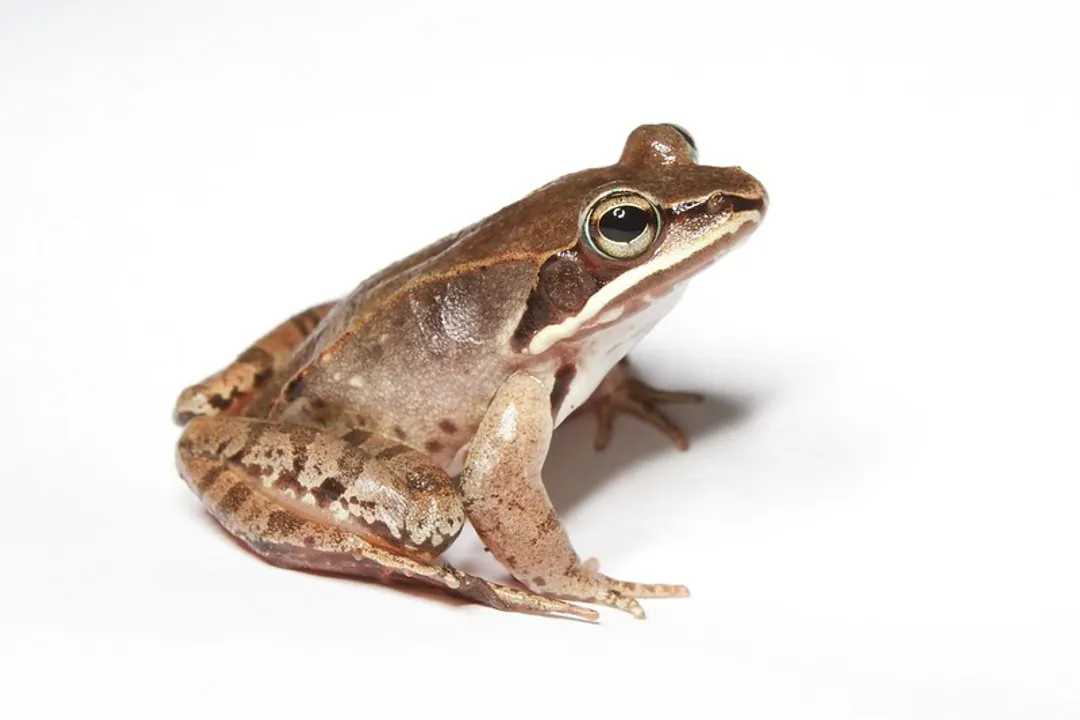
The presence of the Wood Frog (Lithobates sylvaticus, sometimes referred to as Rana sylvatica) across North America is strongly tied to the presence of specific, often ephemeral, environments that satisfy their unique breeding and feeding requirements. This amphibian holds the northernmost breeding range of any frog species on the continent, stretching from the Atlantic coast westward into the great plains and northward into the boreal forests. [1] Tracking down a Wood Frog in the wild requires understanding not just the broad geographical territory they inhabit, but the microhabitats they utilize throughout the year.
# North Range
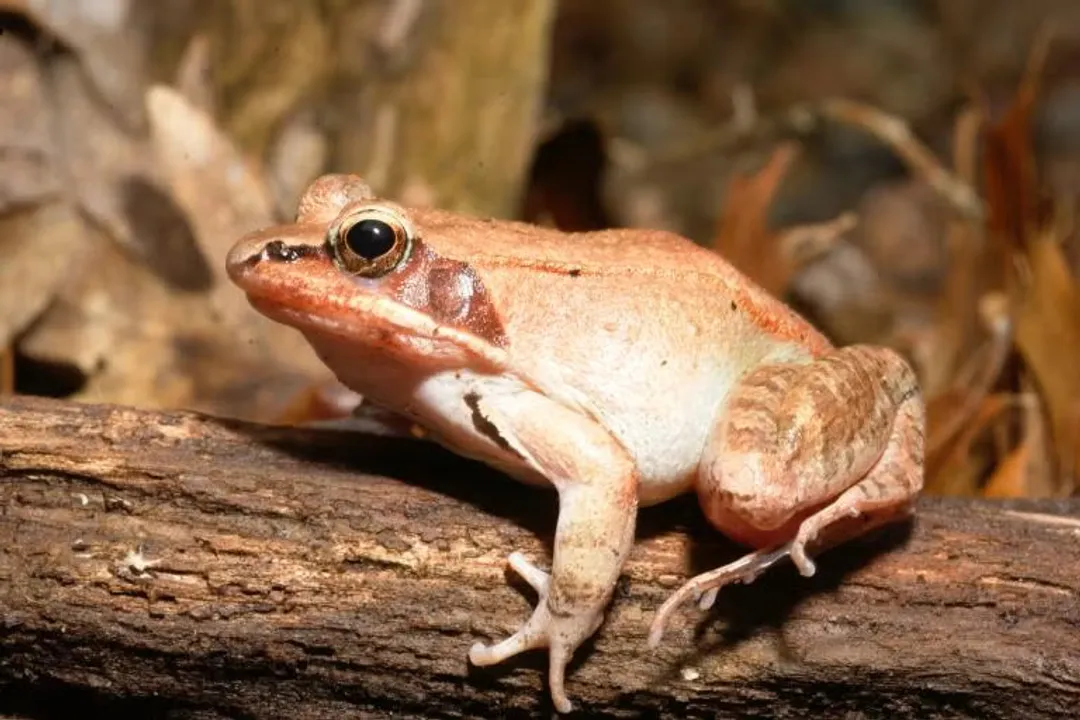
The sheer geographic spread of the Wood Frog is remarkable, covering a vast swath of the continent. [1] Generally speaking, their distribution covers much of the northeastern United States, the Midwest, and extends north into Canada, reaching the limits of the forest biome. [4][10] In Minnesota, for example, Wood Frogs can be found in almost every part of the state, though they are typically secretive, preferring quiet, wooded areas. [10] Their presence is documented across many states within this broad northern band, including New Hampshire, [9] and into the central regions like Missouri. [4]
When considering the extent of their range, it is helpful to think of the Wood Frog as a creature defined by the forest and the early thaw. Their entire life cycle is dictated by the coming of spring, making the timing of ice-out in these northern waters the true starting gun for their activity. [5][6] This adaptation allows them to exploit temporary water sources before predatory fish become active, a crucial strategy for survival in these northern latitudes. [1]
# Eastern Presence
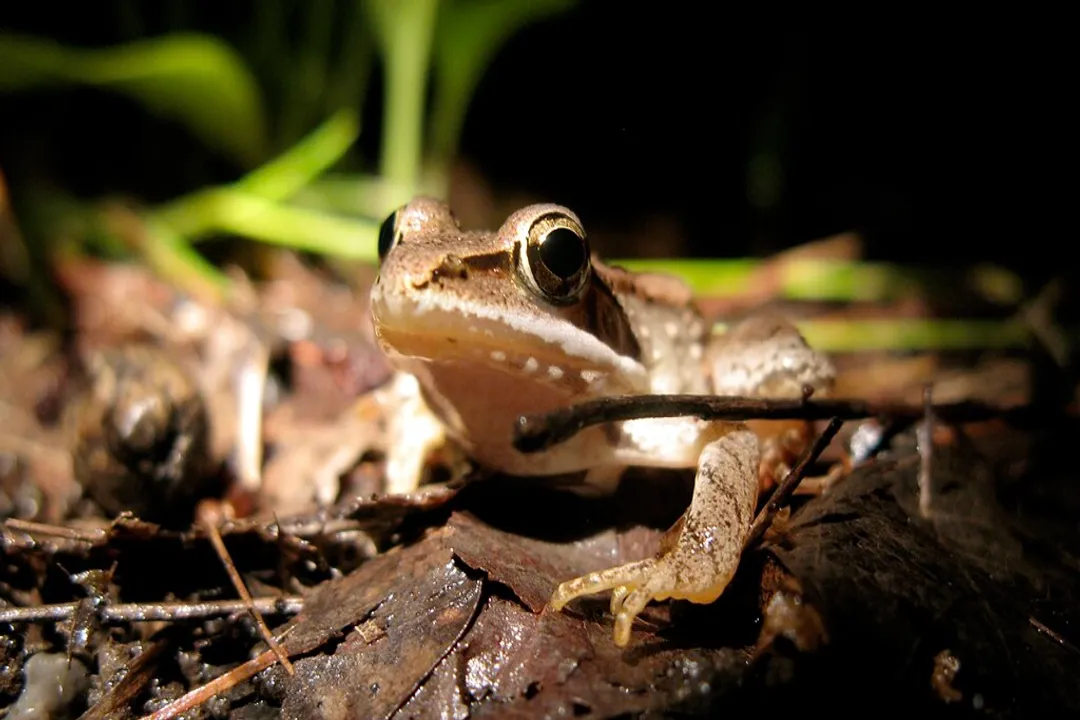
Moving eastward and southward within their overall range, the Wood Frog maintains a strong foothold in states along the Appalachian chain and the Atlantic coastal plain. Virginia is home to this species, where they are found in wooded areas across the state. [3][9] Similarly, they are noted inhabitants of Alabama, showing their range dips into the Deep South, though perhaps in more localized pockets compared to their abundance further north. [2] In Kentucky, the frog is also present, favoring the wooded habitats that characterize much of the state’s landscape. [6]
The presence of Wood Frogs in these southern locales often hinges on having the right type of forest cover and adequate moisture retention in the soil. Unlike many other frogs that might seek out large, permanent ponds or slow-moving rivers, the Wood Frog’s commitment to temporary water bodies means that even forested areas near small, seasonal seeps can support a breeding population. [1][3] If you are looking for them in the eastern half of the US, especially in deciduous or mixed forests, the habitat type becomes more important than the latitude, provided the area isn't too far south where conditions become too hot or dry for their specific needs.
# Woodland Habitat
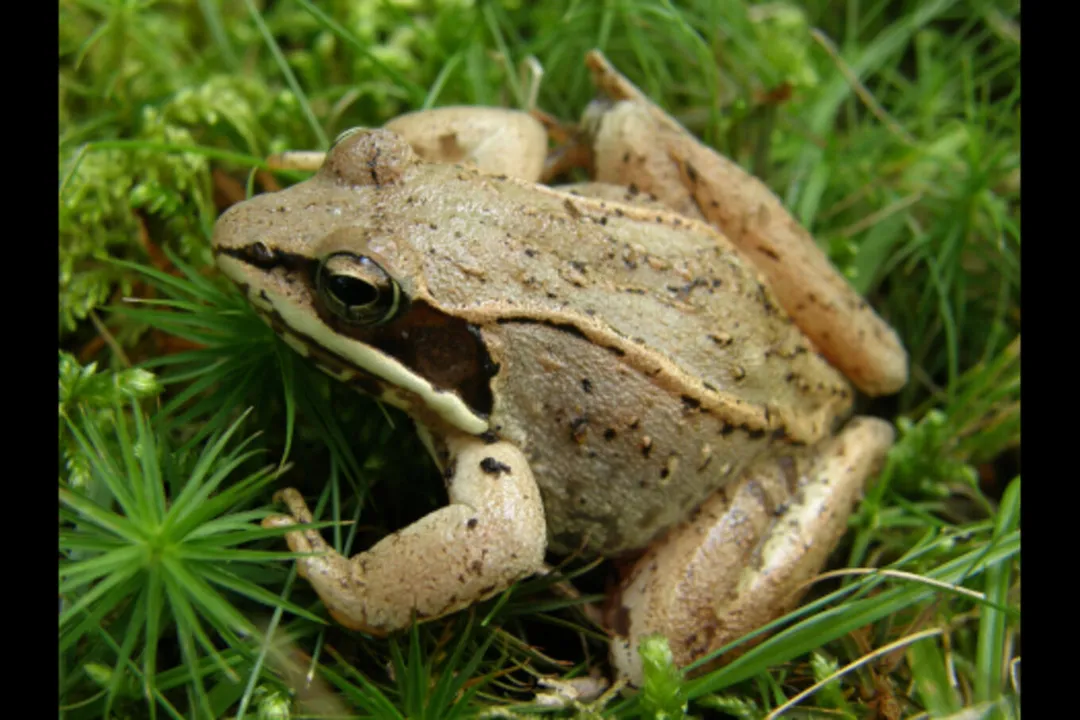
The key to locating a Wood Frog, regardless of whether you are in Minnesota or Virginia, is its requirement for woodland association. [4][10] These are not the frogs of wide-open marshlands or large lakeshores; they are creatures of the forest floor for the majority of the year. [1][3] They spend the warmer months moving through the leaf litter, seeking cover among the trees. [1] They are frequently found near swamps, wooded ponds, and marshes when they are not breeding. [10]
Their terrestrial existence means that even a small patch of mature, damp woodland adjacent to a water source can host them. In Missouri, for instance, they inhabit wooded areas near temporary or semi-permanent water bodies. [4] This terrestrial reliance suggests that habitat fragmentation—where large tracts of suitable forest are broken up by development or agriculture—poses a significant threat to local populations, as the frogs need connectivity between their summer feeding grounds and their precise spring breeding sites. [4]
# Breeding Waters
The most critical and easily locatable spot for finding a Wood Frog is during its explosive spring breeding season, as this is when they congregate in large numbers. [5] They are among the earliest amphibians to emerge, often calling while snow may still be on the ground or ice is just breaking up. [6][9] Their breeding locations are highly specialized: shallow, still water that dries up later in the season. [1][3]
These temporary wetlands are often referred to as vernal pools. [5] The Wood Frog’s reproductive strategy is intimately linked to the temporary nature of these pools. Because these waters lack fish—which would prey on their eggs and tadpoles—they provide a relatively safe nursery for the brief period required for development. [1] If you locate a small, fishless depression in the woods that holds water in early spring but is dry by mid-summer, you have found prime Wood Frog habitat. [5] They are generally found in these shallow pools, and their breeding chorus can be surprisingly loud, sounding like a loud quacking. [6]
It's interesting to consider why this reliance on temporary water is so pronounced across their entire range. In the northern reaches, the quick spring thaw creates these pools just long enough. In the south, while water might be more available, the advantage of avoiding fish predation remains paramount, meaning the right hydroperiod—the timing of wetting and drying—is the deciding factor, even in warmer climates like Alabama or Virginia. [2][3] This focus on short-lived water means that conservation efforts must prioritize protecting the entire surrounding woodland acreage that feeds and shelters the pool, not just the water body itself. [5]
# Western Limits
While the Wood Frog is widespread across the eastern and central parts of North America, its presence becomes notably more restricted and specialized toward the west, offering a stark geographical contrast. [7] In Colorado, the species is considered rare and is only found in very specific, high-elevation environments. [7]
The Colorado population is tied almost exclusively to wet meadows and marshy areas within montane and subalpine zones, typically found at elevations ranging from about 7,000 to 11,000 feet. [7] This is a significantly different environment than the lower elevation mixed deciduous forests where they thrive further east. The scattered, often isolated nature of these western populations suggests they may be relics of a past, cooler climate, or that the fragmented nature of suitable habitat at high elevations creates isolated metapopulations highly vulnerable to localized changes. [7] Locating one in the West means looking for high-altitude seepage areas or boggy ground, a far cry from the lowland swamp edge where you might find them in Minnesota. [10]
# Finding Clues
If you are actively searching for Wood Frogs, especially outside of the brief breeding window, you need to think about what signals their presence. Their camouflage is exceptional; their skin coloration, which ranges from reddish-brown to tan or dark brown, allows them to blend almost perfectly with leaf litter and soil. [1][4] They are often described as having a dark brown or black mask running from the snout through the eye to the eardrum (tympanum). [3][6]
During the non-breeding season, a good indicator is seeking out damp, cool spots under logs, rocks, or dense vegetation within wooded tracts. [1] Because they are primarily nocturnal hunters outside of the breeding season, searching during the day requires patience and a gentle approach to flipping cover objects in suitable habitat. [4]
A practical tip for early spring exploration, especially in the Northeast or Midwest, involves tracking the sound rather than the sight. Because they are the first frogs calling, listening for that strange, duck-like quack near temporary water bodies before other species like Spring Peepers or Chorus Frogs become dominant can pinpoint the exact location of a breeding aggregation. [5][6] If the chorus is active, the frogs are usually shallow, moving rapidly to mate, making observation possible before they retreat back into the leaf litter.
| State/Region | Typical Elevation/Setting | Primary Habitat Association | Key Location Characteristic |
|---|---|---|---|
| Northern Range (MN, NH) | Low to Mid-Elevation | Wooded Swamps, Ponds | Early thawing, temporary pools [10][9] |
| Eastern/Central (VA, MO, KY) | Variable | Deciduous/Mixed Forests | Moist forest floor near still water [3][4][6] |
| Deep South (AL) | Lower Elevation | Wooded Areas | Adequate forest canopy for shade/moisture [2] |
| Western Range (CO) | High Elevation (7k-11k ft) | Montane/Subalpine Wet Meadows | Boggy ground, high altitude seepage [7] |
# Comparative Location Needs
The map of the Wood Frog distribution reveals a fascinating interplay between climate and ecological niche. In the majority of their range, spanning from the eastern seaboard inland through the Great Lakes region, their distribution is tied to sufficient moisture and deciduous or mixed forests. [1][4] The key limiting factor here is likely the timing of the spring melt necessary to initiate breeding before the canopy closes and dries out the forest floor too much, or before predators become numerous. [1]
Contrast this with the far western outliers, such as in Colorado. Here, the limiting factor appears to be not the timing of the melt, but the availability of the right substrate and elevation. [7] They seem unable to establish widespread populations in the drier foothills or plains, requiring the consistent moisture provided by high-elevation meadows. This suggests that while the species is adaptable enough to cross great longitudinal distances, its specific dependence on moist, shaded, temporary water sources creates hard boundaries where regional climate—be it excessive dryness in the plains or unsuitable elevation in the mountains—cuts off connectivity. [1][7]
This difference in limiting factors—timing in the east versus substrate/elevation in the west—is a crucial point for anyone studying amphibian range limits. It explains why a herpetologist in Kentucky can expect to find them in a low-lying woodland pool, while their counterpart in Colorado must trek to a high alpine bog to find the same species. [6][7]
# Conservation Geography
Understanding where Wood Frogs are is inseparable from understanding where they should be and where they are disappearing. Their reliance on vernal pools means that development practices that drain wetlands or alter the surrounding forest canopy can instantly eliminate a breeding site, often without immediate awareness from the public. [5] A woodland parcel might look healthy from an aerial view, but if the micro-depressions necessary for pool formation are filled in or the surrounding leaf litter is removed, the reproductive success plummets. [5]
For those involved in local land stewardship, recognizing these specific habitats is vital. Actionable advice often involves mapping out ephemeral water sources in the spring, even if they disappear by July. Monitoring these sites yearly can provide an excellent baseline for amphibian health in a given watershed. If a known breeding pool fails to produce frogs for two consecutive years, it signals a serious environmental shift that warrants investigation into local hydrology or pollutant loads. [5]
Their incredible hardiness, including their ability to survive being frozen solid during winter dormancy, [1] underscores that their vulnerability lies almost entirely in the narrow window of reproduction and early larval development. Therefore, when discussing Wood Frog locations, the conversation must always circle back to the protection of their specific, temporary aquatic nurseries nestled within intact forest systems. [3][5]
# Summary of Habitat
To summarize the ideal Wood Frog location across its broad territory, one must look for a composite environment:
- Forest Cover: Mature, relatively undisturbed woodland is necessary for summer foraging and overwintering. [1][4]
- Water Source: Proximity to shallow, still, fishless water bodies (vernal pools) is mandatory for breeding. [3][5]
- Moisture: The area must maintain sufficient ground moisture, supported by leaf litter and canopy shade, especially outside the breeding season. [1][10]
- Latitude Adjustment: In the far north, the key is the earliness of the thaw; in the far west (Colorado), the key is the altitude that sustains the required moisture. [1][7]
By adhering to these environmental anchors, one can accurately predict the presence of this widespread yet specialized amphibian across its range, from the chilly bogs of the North to the high meadows of the Rockies. [1][7] Their location is less about a general region and more about the precise, fleeting conditions of their short annual emergence from hibernation. [6]
Related Questions
#Citations
Wood frog - Wikipedia
Wood Frog | Outdoor Alabama
Wood Frog - Virginia Herpetological Society
Wood Frog - Missouri Department of Conservation
Creature Feature: Wood Frog - Raritan Headwaters
Wood Frog - Kentucky Department of Fish & Wildlife
Wood Frog - Colorado Parks and Wildlife
Wood Frog- Lithobates sylvatica - New Hampshire PBS
Wood Frog - Virginia Department of Wildlife Resources
Wood frog | Minnesota DNR