Wood Tick Evolution
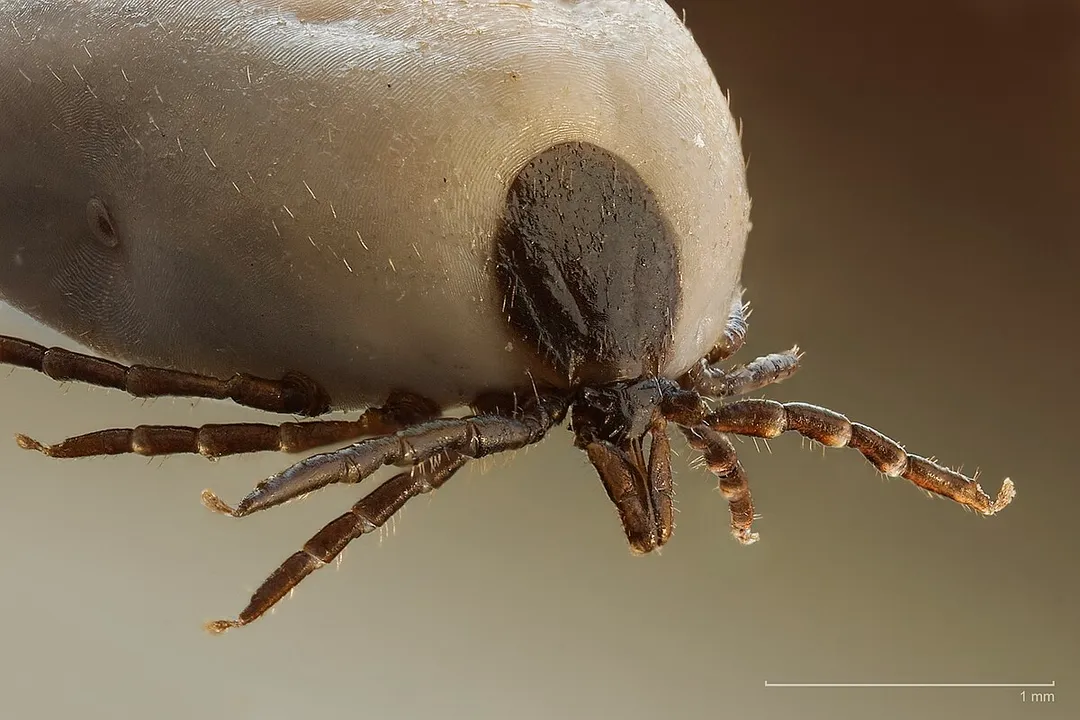
The story of the wood tick, and ticks in general, is one measured in hundreds of millions of years, tracing back to an era before the dinosaurs walked the Earth. These tiny arachnids represent a highly successful evolutionary specialization, one where reliance on vertebrate blood became the definitive blueprint for survival. [5][7] To understand the wood tick, one must first appreciate this deep, ancient commitment to parasitism that separates them from their mite relatives. Ticks are the only known blood-feeding ectoparasites within the Acari group, marking them as a unique and highly adapted lineage within the broader class of arachnids. [1]
# Deep Roots
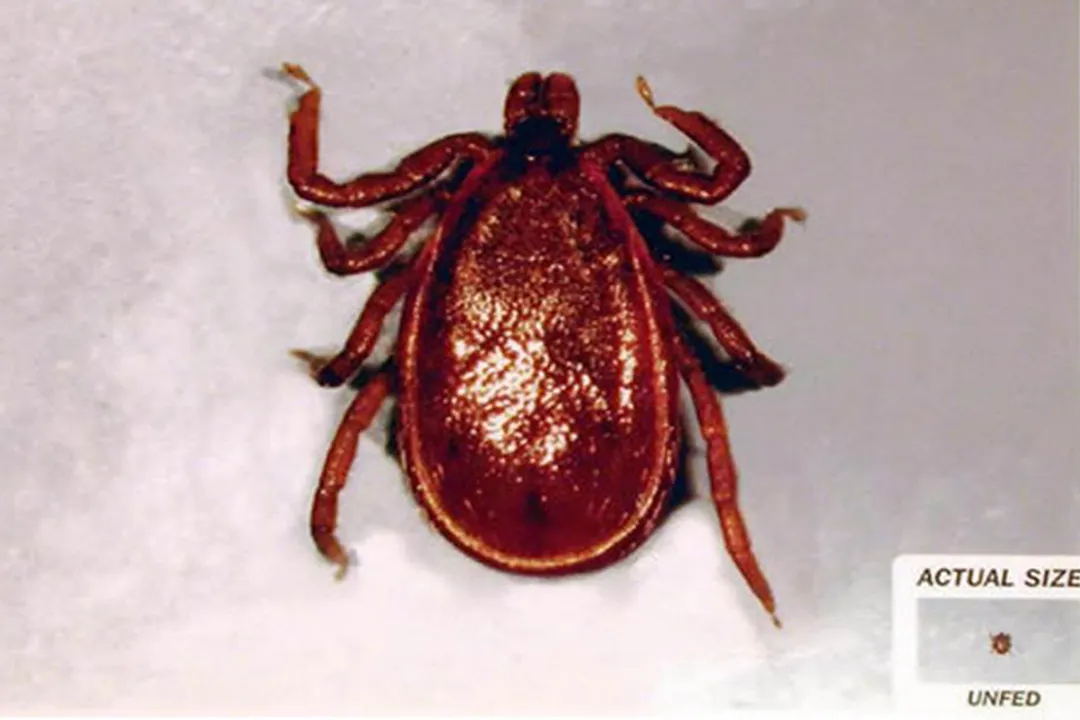
Fossil evidence and genetic analysis suggest that ticks began their divergence from other mites potentially around 250 million years ago. [5] This timeframe places their early evolution firmly in the Mesozoic Era. What is remarkable is that during this vast stretch of time, these creatures have refined a singular, highly efficient method of existence: hematophagy, or blood-feeding. [7] This ancient origin means that the pathogens they carry have had immense amounts of time to co-evolve alongside vertebrate hosts, creating complex, often devastating, disease dynamics that persist today. [6] Considering that they have been perfecting their craft since before the age of massive reptiles, their current ecological persistence is perhaps unsurprising; they are the product of an incredibly long, uninterrupted evolutionary pressure cooker. [3]
# Blood Specialization
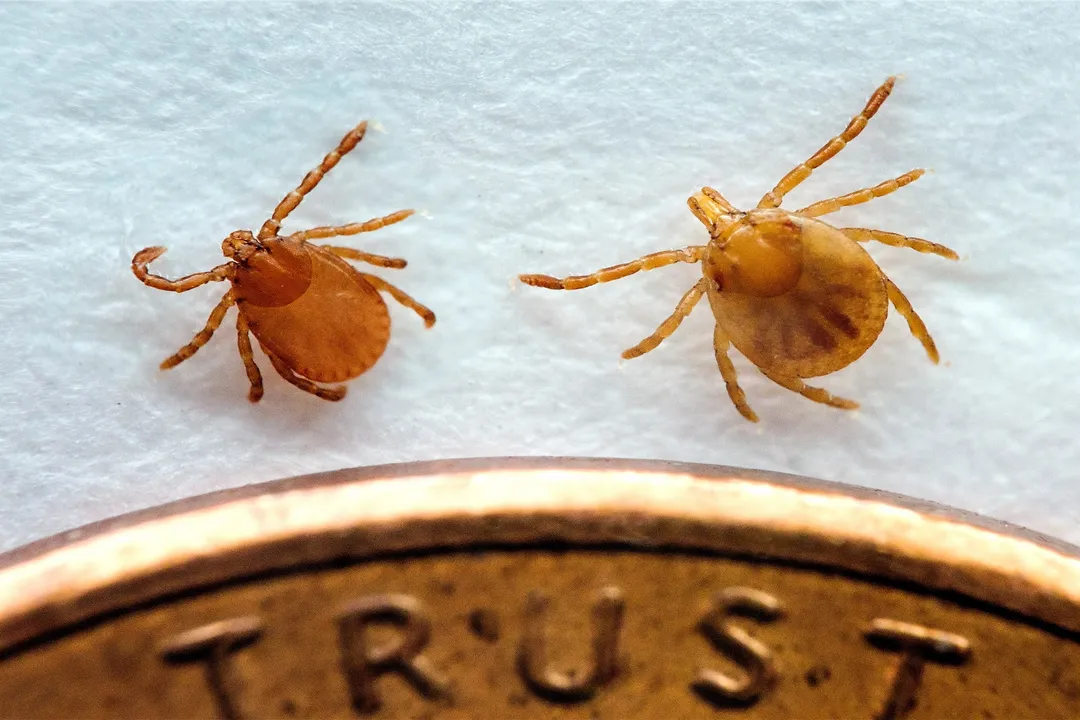
The transition to an obligate blood diet was the fundamental evolutionary turning point for ticks. [7] Unlike generalist parasites that might feed on various body fluids or tissues, ticks dedicated their biological machinery almost entirely to acquiring and processing blood meals. This specialization required significant genomic and physiological changes, particularly in how they deal with the massive influx of nutrients and fluid, and crucially, how they manage the transfer of disease agents. [7]
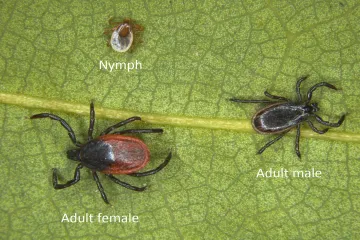
The sheer dedication to this single food source dictates their life cycle. Ticks require blood to progress through their developmental stages: larva, nymph, and adult. [1] The different species have evolved varied strategies for acquiring these meals. For instance, hard ticks, which include the various species categorized as wood ticks, generally possess a different life cycle structure compared to soft ticks. [1][4] This divergence in feeding strategy—how many hosts they use and how long they stay attached—is a major feature differentiating major tick groups across their evolutionary timeline. [8]
# Hard Versus Soft
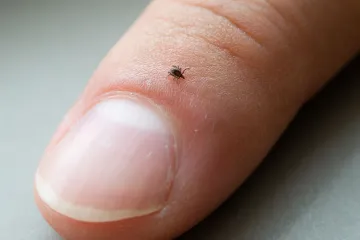
Ticks are broadly classified into two major groups based on the structure of their outer covering, or integument: the hard ticks (Ixodidae) and the soft ticks (Argasidae). [1] This structural difference reflects deeper evolutionary splits and influences their behavior and lifespan. [8]
Hard ticks, which include the notorious Rocky Mountain Wood Tick (Dermacentor andersoni), [4] are characterized by a hard dorsal shield called the scutum. [1] This scutum provides protection and remains rigid while the tick engorges with blood, giving them their common name. Many hard ticks, especially the Dermacentor genus, are known to be three-host ticks. [4] This means the larva, nymph, and adult each require a separate host to take a blood meal before molting or reproducing. [4]
Soft ticks, conversely, lack a pronounced scutum, giving them a softer, leathery appearance. [1] They typically feed rapidly and leave the host to digest and molt in the safety of a burrow or nest site. [1] While both groups are highly successful parasites, the multi-host strategy seen in many hard ticks requires them to navigate a wider array of environments and host defenses over their lifespan, potentially influencing the breadth of pathogens they acquire and transmit compared to some one-host species. [8]
# Pathogen Acquisition
The enduring threat posed by ticks stems not just from their feeding, but from the biological cargo they carry and inject during the feeding process. [6] As ectoparasites that often feed for extended periods, they are exquisitely positioned to become vectors for various pathogens, including bacteria, viruses, and protozoa. [1][6] Their evolutionary success is therefore intrinsically linked to the success of their symbionts and pathogens in evading host immune responses. [3]
Researchers use genetic sequencing and phylogenetic methods to trace these relationships, observing how tick species and the microbes they carry have evolved in tandem. [3][8] For example, studies tracking the divergence of ticks often reveal corresponding divergence patterns in the associated microbes, indicating co-evolutionary history where the pathogen adapted to the parasite, and the parasite adapted to carrying the pathogen. [3] Understanding these evolutionary links is key to predicting where and when new disease threats might emerge, as ecological shifts can bring previously separated tick and host populations into contact.
If we consider the evolutionary arms race from a host perspective, the tick's ability to modulate the host's inflammatory response during feeding is a crucial adaptation developed over millennia. They introduce complex mixtures of saliva components designed to keep the blood flowing and the host unaware, which unfortunately also creates the perfect opening for pathogen entry. [7]
# Wood Tick Focus
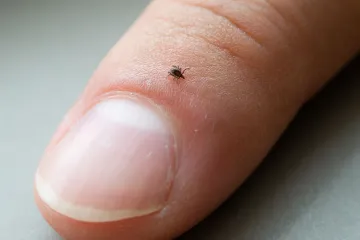
The Rocky Mountain Wood Tick, Dermacentor andersoni, serves as an excellent case study in the evolution of host-specific threat. This hard tick is endemic to western North America and poses significant public health concerns. [4] Its life cycle involves questing for hosts—typically small mammals as larvae and nymphs, and larger mammals like cattle, horses, or humans as adults. [4]
D. andersoni is perhaps best known for its role in transmitting two serious agents: the bacterium causing Rocky Mountain Spotted Fever and the virus responsible for Colorado Tick Fever. [4] The fact that this single species can effectively acquire, maintain, and transmit both bacterial and viral agents speaks volumes about the efficiency of its evolutionary adaptations for vector competence. [6] The ability of a tick species to remain infective across its entire lifespan, passing pathogens trans-stadially (between life stages) or even trans-generationally (from parent to offspring), is a highly refined evolutionary trait that makes them formidable vectors. [1][4]
When managing ticks like D. andersoni in a given region, it is helpful to remember that the larval and nymphal stages often use different reservoir hosts than the adults do. Therefore, effective population control or personal protection requires acknowledging that the tick's needs change dramatically as it grows, meaning protection measures must be adapted to the environment where the tick is currently in its lifecycle stage, whether that's a rodent-heavy field for a nymph or a hiking trail for an adult. [4]
# Modern Tracking
Contemporary research continues to map out the evolutionary tree of ticks using advanced molecular tools. Studies are examining genetic variations across tick populations to understand the mechanisms driving speciation and geographic isolation. [8] For instance, comparisons of mitochondrial and nuclear DNA help scientists reconstruct divergence times between different tick groups and link those divergences to major shifts in host availability or climate over evolutionary time. [9]
One area of ongoing investigation involves horizontal gene transfer—the movement of genetic material between unrelated organisms. While this is more commonly studied in bacteria, some evidence suggests that ticks may have incorporated genetic elements from their hosts or microbes, potentially aiding in processes like blood digestion or immune evasion. [3] Understanding the genetic toolkit that allows a tick to successfully feed on vastly different classes of vertebrates—mammals, birds, reptiles—is a direct product of its long, adaptable evolutionary history. [1][7] These genomic insights provide a blueprint for future research into reducing tick survival or disrupting their ability to transmit disease, moving the focus from reactive control to preemptive biological understanding.
# Evolutionary Success
The wood tick lineage, belonging to the Ixodidae family, represents a triumph of adaptation based on sustained parasitic dependency. From their distant mite ancestors, they evolved a specific reliance on blood, which mandated the development of complex feeding apparatuses, anti-clotting agents in their saliva, and effective mechanisms for surviving the immune systems of warm-blooded hosts. [7] This intense specialization meant that the environment itself—the hosts and the pathogens they carried—became the primary sculptor of their morphology and behavior over eons. [5][3] The continuing presence and expansion of species like Dermacentor andersoni highlights that for this ancient lineage, evolution has favored persistence through extreme biological commitment to a single, rich resource. [4][1]
Related Questions
#Citations
Tick - Wikipedia
The Rise of Ticks and Tickborne Diseases in the United States ... - NIH
Paradigms in tick evolution - ScienceDirect.com
Dermacentor andersoni: the Rocky Mountain wood tick
Ticks in History: Their Evolution & Impact - Insect Shield
Ticks - Companion Animal Parasite Council
The Evolution of Ticks: How Blood Became Survival
Harm or protection? The adaptive function of tick toxins
The diversity and evolutionary relationships of ticks and tick-borne ...
[PDF] An overview of systematics and evolution of ticks