How is the North American range of the Wood Duck effectively divided for biologists regarding breeding populations?
Answer
Into two major, largely separate breeding populations: East and West
When discussing where Wood Ducks are found, a crucial biological distinction must be made concerning their breeding distribution across the continent. The overall range, which spans from southern Canada down to Cuba, is effectively segmented into two principal, geographically separated breeding populations. These two groups are designated as the Eastern population and the Western population. This separation is significant because the two groups may have differing migratory habits or habitat reliance, requiring distinct conservation approaches.
Related Questions
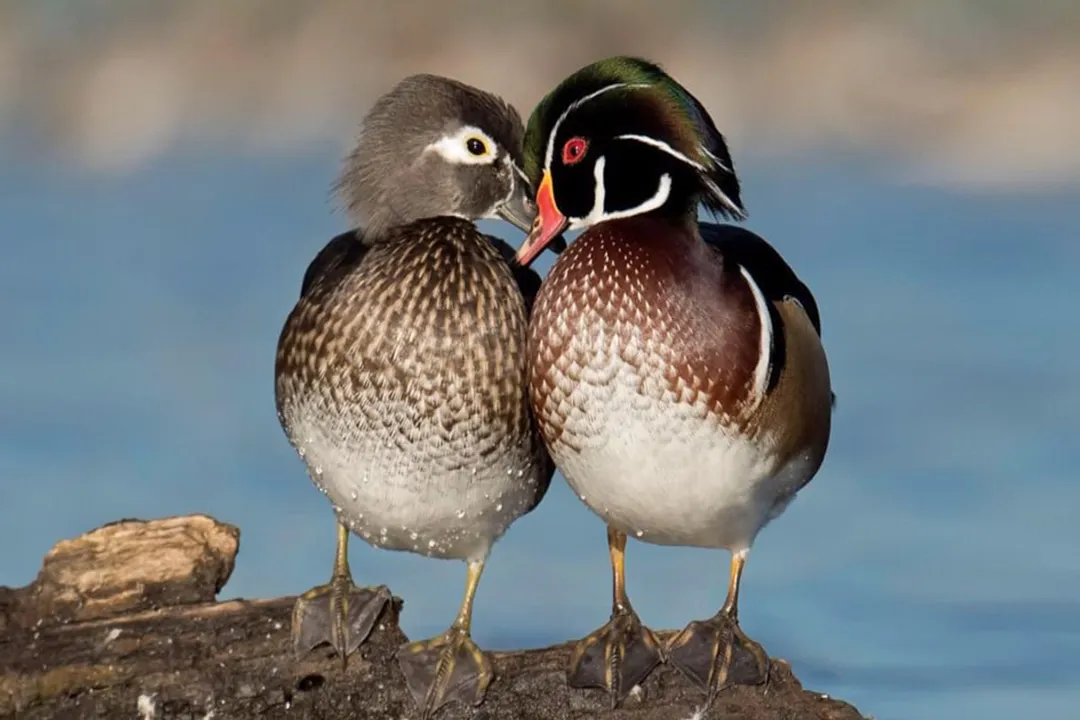
What characteristic makes the male Wood Duck immediately recognizable across its range?How is the North American range of the Wood Duck effectively divided for biologists regarding breeding populations?What factor was strongly linked to the historical decline of the Wood Duck species in Eastern Wetlands?What unique management strategy allowed the Western Wood Duck population to thrive despite lacking natural cavities?Which sex of the Eastern Wood Duck population maintains strong fidelity to specific natal nesting areas?What exception to typical migratory patterns is observed in the Wood Duck population using the Pacific Flyway?What fundamental habitat component links the Wood Duck’s needs in places like Maine and Monterey?What vital resource do Wood Duck ducklings require near nesting sites for their rapid early growth?What specific time frame suggests that observed Wood Ducks are likely nesting hens nearby due to homing instinct?Which group of states hosts the greatest abundance of Wood Ducks during the wintering season?