What biochemical defense mechanism in *C. oreganus* varies significantly based on geographic location?
Answer
The composition of the venom, optimized for local prey targets.
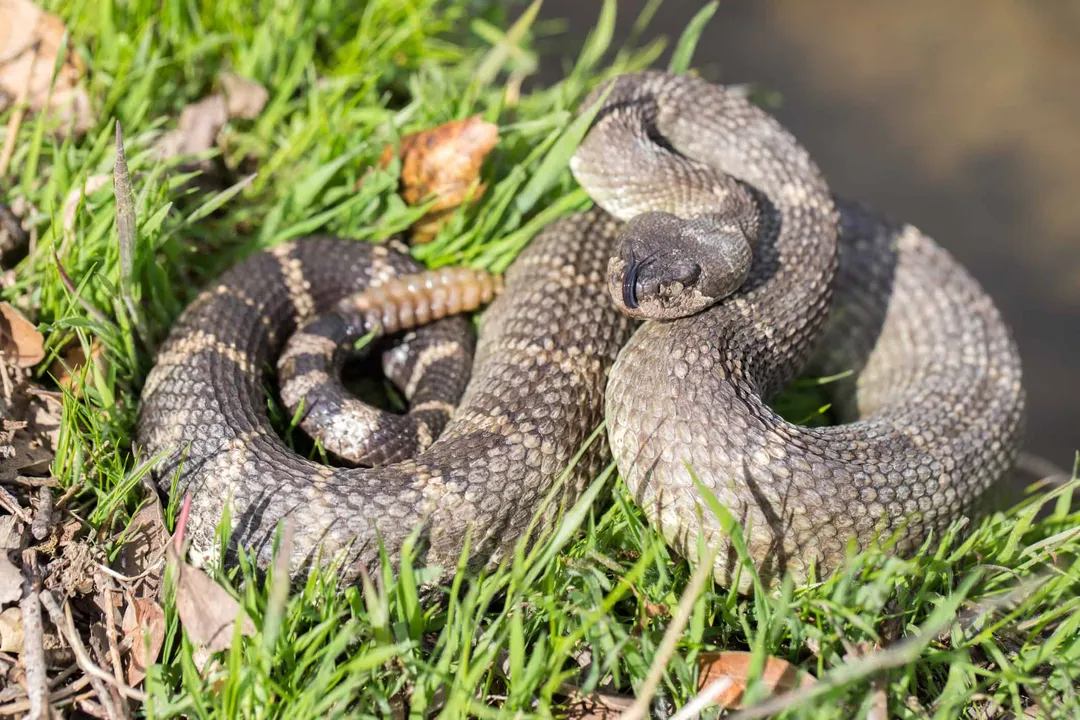
Evolution has driven significant biochemical specialization in the venom of *Crotalus oreganus*. The exact chemical composition, primarily composed of various proteins affecting the circulatory and nervous systems, is not uniform across the species' range. This variance is directly attributed to local ecological demands. For instance, populations feeding primarily on small rodents will evolve venom profiles highly effective at rapidly incapacitating those specific mammals, leading to a distinct toxicological balance compared to populations whose primary prey targets differ, illustrating an ongoing biochemical arms race tuned to the immediate environment.
Related Questions
What distinguishes the Crotalinae subfamily, to which *Crotalus oreganus* belongs?What biological event, contrary to popular myth, does the segmented rattle of *Crotalus oreganus* actually indicate?Under which broader historical classification were many populations now recognized as *C. oreganus* previously grouped?What major geological era is central to the deep evolutionary history and range dynamics of *C. oreganus*?What process, revealed by phylogeographic analysis, is evidenced by genetic breaks tracing back to barriers present during glacial maximums?What environmental pressures are cited as highly influential in shaping the diverse phenotypes within the *C. oreganus* species complex?What finding often results when comparing the deep genetic separations in *C. oreganus* molecular data with current subspecies classifications?What biochemical defense mechanism in *C. oreganus* varies significantly based on geographic location?What modern human activities pose a threat by causing fragmentation to localized *C. oreganus* populations?What is the general conservation security ranking assigned to the *Crotalus oreganus* designation by conservation bodies?