What are the characteristics of the northern Pacific rattlesnake?
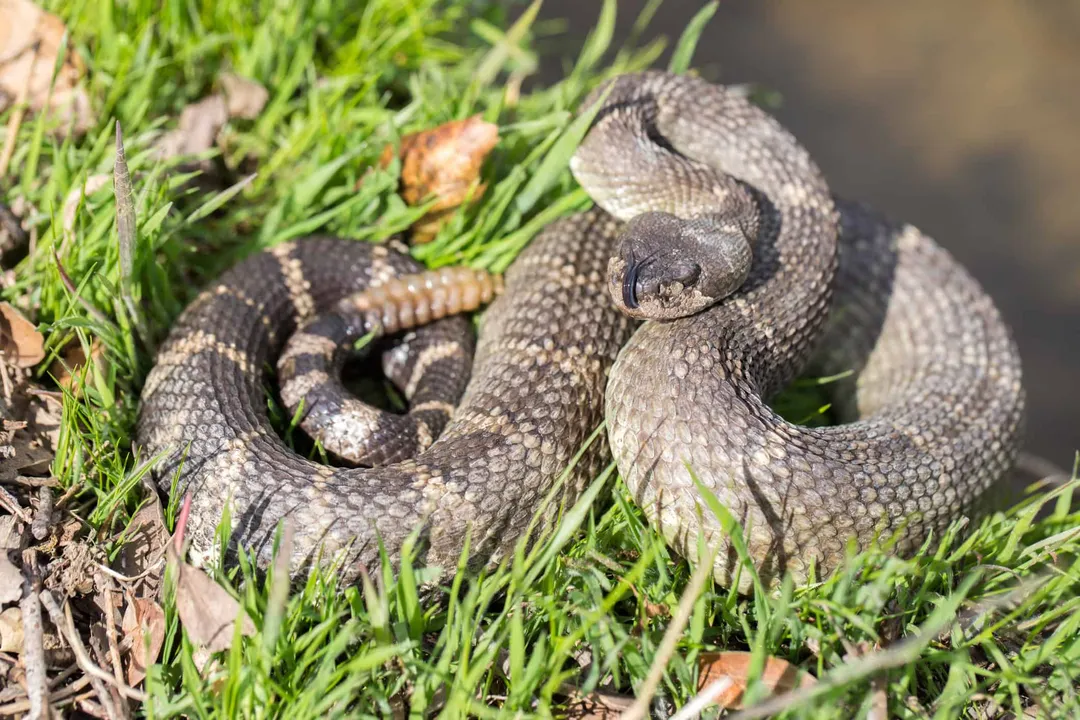
The Northern Pacific Rattlesnake, scientifically classified as Crotalus oreganus, represents a significant portion of the venomous reptile fauna across western North America. [1] This species complex is widely distributed, stretching across a vast range that includes much of the western United States, parts of western Canada, and northern Mexico. [1] Understanding its characteristics is key, not just for researchers, but for anyone living in or recreating within its natural territory, as it is the most common rattlesnake found in many regions of the Pacific Northwest. [2] Distinguishing features, from its coloration to its method of signaling danger, set it apart from other pit vipers.
# Physical Appearance
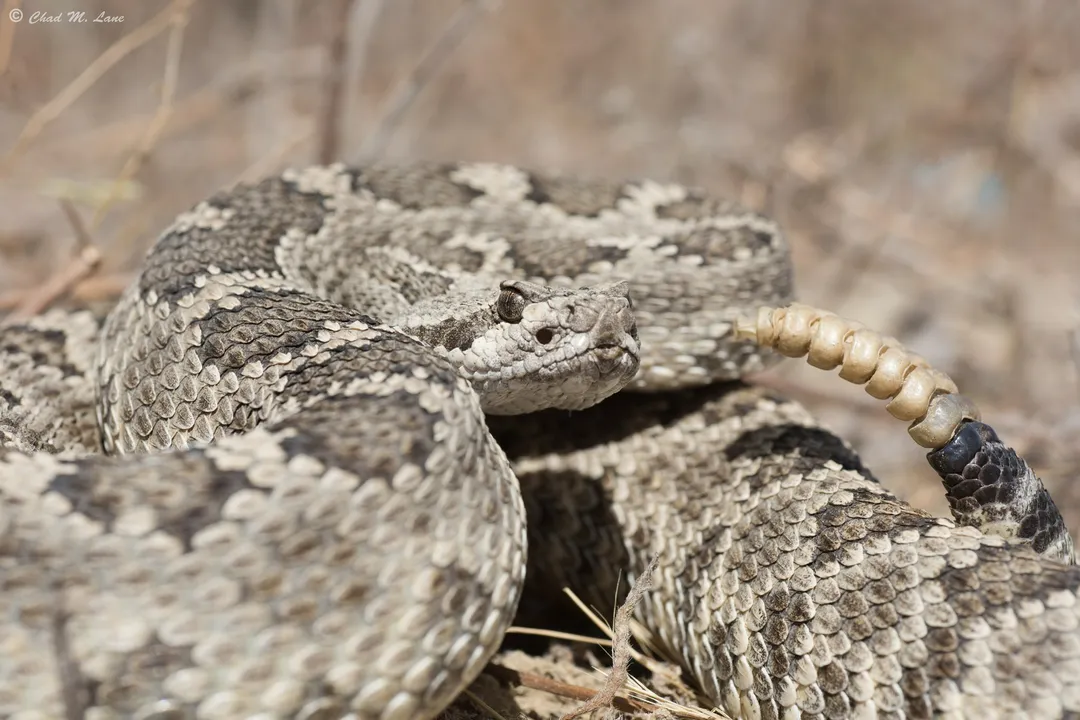
The overall appearance of the Northern Pacific Rattlesnake is highly variable, which often complicates simple identification based on color alone. [4] Adults typically range in length, though most commonly fall between 2 and 3 feet, with larger specimens occasionally exceeding 4 feet in total length. [3][1] Sexual dimorphism in size is not strongly pronounced, although males sometimes attain slightly greater lengths than females. [1]
# Coloration and Pattern
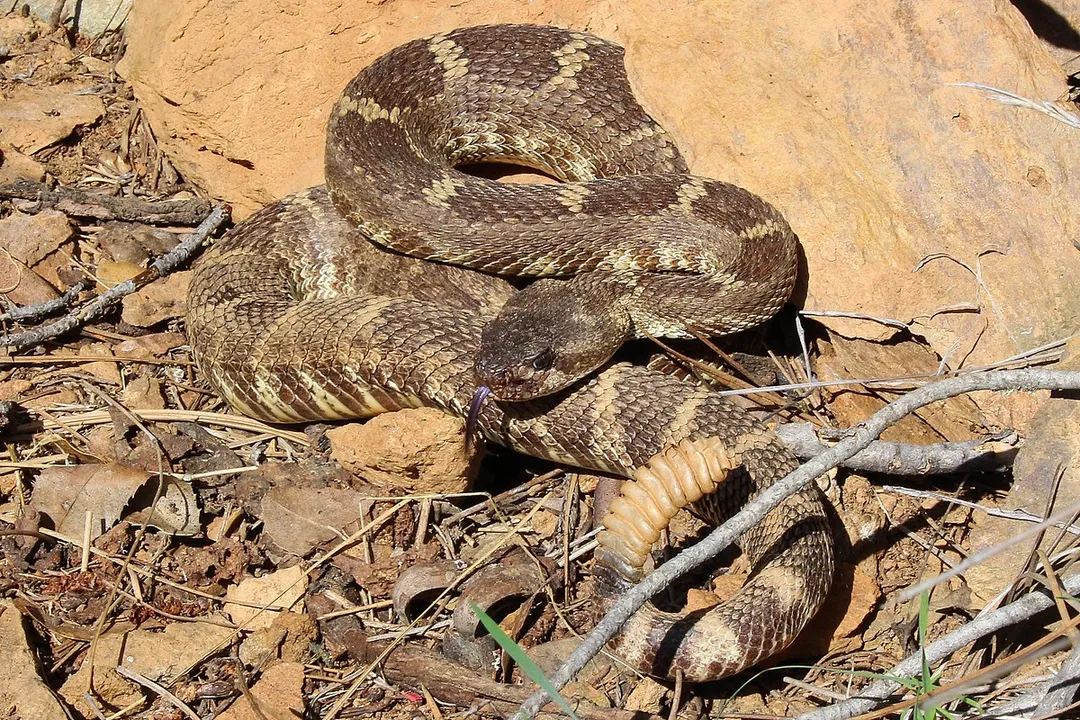
Coloration is perhaps the most notoriously inconsistent trait among individuals. The base color can range dramatically, encompassing shades of gray, brown, tan, yellowish, or even pinkish hues. [1][4] This wide variation is often reflective of the specific local substrate or habitat where the snake resides, providing a degree of camouflage. [4] For example, a snake inhabiting arid, reddish soil might appear distinctly different from one found in the shaded, dark leaf litter of a damp forest. [5]
Overlaying the base color is the defining pattern: a series of darker, often brown or reddish-brown, blotches or crossbands that extend across the back. [3] These markings are usually bordered by a lighter, cream-colored or yellowish line. [1] The shape of these markings varies, but they frequently appear somewhat diamond-shaped or rectangular. [4] Ventrally, the snake is typically lighter, often yellowish or cream, with a series of dark spots or blotches along the belly, which may fade toward the tail. [1]
A less variable, though sometimes subtle, characteristic is the presence of a dark stripe running from the eye backward toward the jaw angle. [1] Furthermore, the scales, which are keeled (having a central ridge), create a somewhat rough texture when touched. [6] The head is distinctly broad and triangular, a characteristic shape associated with venomous pit vipers, housing the heat-sensing pits located between the eye and the nostril. [1][3]
# Identifying Features
While pattern can be deceiving, certain features offer more reliable identification markers. The presence of the rattle itself is the most obvious sign of a rattlesnake, though it's important to note that young snakes may only possess a small button, and older snakes can sometimes lose the terminal segments. [3] The tail structure leads into the keratinous segments that produce the characteristic buzzing sound when vibrated. [3]
Another crucial identification point, particularly when distinguishing C. oreganus from some non-venomous mimics, is the arrangement of the scales on the underside of the tail. Northern Pacific Rattlesnakes have a single row of scales immediately posterior to the vent (cloaca), transitioning to a double row underneath the tail proper. [1] This contrasts with many non-venomous snakes which possess a fully double row of subcaudal scales. [1] Observing the preocular scale (the scale directly above the eye) also helps; it is typically large and single in C. oreganus. [4]
# Habitat and Distribution
The geographical range of Crotalus oreganus is expansive, covering large parts of the western coast of North America. [1] This adaptability allows the species to thrive in a wide array of habitats, from sea level up to significant elevations in mountainous regions. [6]
# Geographic Scope
In the north, their range extends into parts of southern British Columbia and southwestern Alberta in Canada. [1] Moving south, they are prevalent throughout Washington, Oregon, and Idaho. [2][6] Their presence is significant throughout California, where various subspecies are recognized. [4] They are also found in Nevada, Utah, and into Baja California, Mexico. [1] The species is generally absent from the wetter, very coastal rainforests and the extremely arid Great Basin deserts, preferring transitional zones. [5]
# Preferred Environments
Northern Pacific Rattlesnakes favor open, rocky, or broken terrain where they can easily bask in the sun and find sheltered denning sites, known as hibernacula. [6] Common environments include:
- Chaparral and Foothills: These areas often provide excellent cover in the form of shrubs and access to sunny rock outcrops. [1][6]
- Open Woodlands: Areas with scattered trees, such as Ponderosa pine forests, are frequently inhabited. [5]
- Grasslands and Sagebrush Steppe: Open areas are utilized, though they typically require nearby rocky areas for winter refuge. [1]
The snakes will often utilize crevices in rock formations or abandoned rodent burrows for shelter, both for daily hiding from predators and for overwintering in communal dens. [6][2] The survival of local populations is intrinsically linked to the availability of these safe overwintering sites, which can be used year after year by multiple generations of snakes. [2] A small observation worth noting is that in areas where human development encroaches, snakes often concentrate around the remaining undeveloped, sunny, rocky edges of properties, indicating a strong dependence on specific microclimates that developers often inadvertently remove. [5]
# Diet and Predation
Like all rattlesnakes, Crotalus oreganus is a carnivorous predator that employs an ambush or stalking strategy, relying on stealth and its venom to subdue prey. [3]
# Primary Prey
The diet shifts based on the snake's age and the local availability of resources. [1] Juveniles and smaller snakes primarily consume lizards, such as various species of whiptails or skinks, and small rodents like mice. [1][3] As the snakes mature, their diet broadens to include larger prey items. Adults frequently target ground squirrels, pocket gophers, various species of mice and voles, and occasionally birds that nest or forage on the ground. [2][3] They are highly efficient hunters, often waiting patiently for prey to pass within striking distance. [6]
# Hunting Mechanism
The snake detects its warm-blooded prey using its specialized facial pits, which sense infrared radiation, allowing for accurate striking even in low light. [3] After a successful strike, the snake typically releases the prey and then tracks it using scent and heat cues as the venom takes effect. [1] The venom, which is a complex mixture of proteins and enzymes, causes tissue damage (hemorrhagic and cytotoxic effects) and incapacitates the victim quickly. [3]
# Predators
While adult Northern Pacific Rattlesnakes are formidable, they are not immune to predation, especially when young or when encountered by specialized hunters. [5] Primary natural predators include various birds of prey, such as large hawks and eagles, as well as mammalian predators like coyotes, badgers, and foxes. [1][5] Some non-venomous snakes, like the Kingsnake (Lampropeltis species), are known to prey on rattlesnakes, being largely immune to their venom. [5]
# Behavior and Defensive Displays
The behavior of the Northern Pacific Rattlesnake is largely geared toward energy conservation and defense against perceived threats. [6] They are generally secretive and prefer to avoid confrontation with larger animals, including humans. [2]
# Activity Cycles
These snakes are typically most active during the warmer months, usually from early spring through late fall. [6] Activity patterns can vary seasonally and even daily depending on temperature. During the peak heat of summer, they may become primarily crepuscular (active at dawn and dusk) or even nocturnal to avoid overheating. [1] In cooler spring and autumn months, they are more readily seen basking during the day to raise their body temperature sufficiently for movement and digestion. [6]
# The Warning Signal
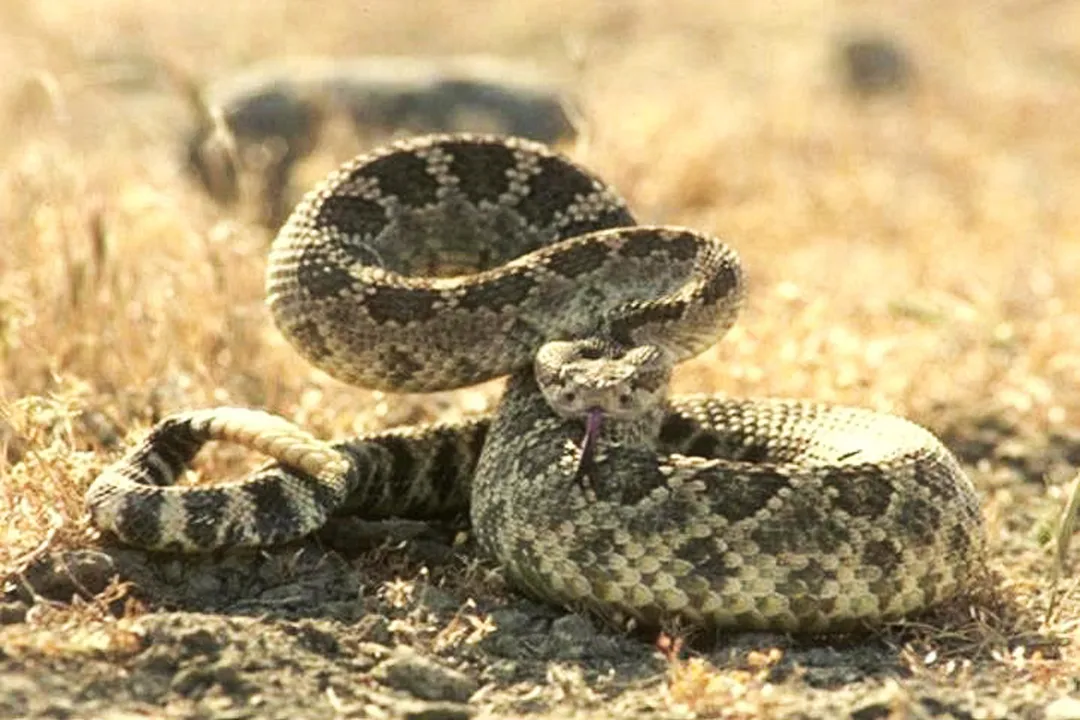
The most famous characteristic is the rattle. When sufficiently alarmed or threatened, the snake will coil its body, elevate the anterior portion, and rapidly vibrate the segments of the rattle, producing a distinct buzzing sound. [3] It is important to recognize that this is an active warning, not an automatic response. [2] The snake must make a conscious effort to shake the rattle, meaning it is aware of the threat and actively choosing to signal its presence before resorting to striking. [2]
It is interesting to consider the auditory ecology here. In very noisy environments—say, near a busy highway or a fast-flowing creek—a snake might choose to rattle less frequently or less vigorously, as its signal might be masked, potentially forcing it to rely sooner on a defensive strike if the perceived threat continues to approach. This adaptation to local acoustic conditions likely influences survival rates in disturbed habitats. [5]
# Defensive Posturing
When the rattle is displayed, the snake is broadcasting its danger. If the threat does not retreat, the snake may progress to a more aggressive posture. [6] This often involves tightening its coil, pointing its head directly toward the threat, and remaining motionless save for the rattling. [3] If approached too closely, the snake will strike defensively. It is worth noting that rattlesnakes do not actively seek to chase or attack humans; striking is almost always a last resort when they feel trapped or stepped upon. [2]
# Venomous Characteristics
As a member of the Viperidae family, the Northern Pacific Rattlesnake possesses hemotoxic venom, designed primarily to immobilize small mammalian prey. [3]
# Venom Composition and Effects
The venom is complex, containing enzymes that break down blood vessel walls and affect the circulatory system. [1] Bites, while serious, are statistically less frequently fatal in modern medical settings than they were historically, primarily due to prompt medical care and the varying potency of the venom delivered. [3]
The effects of a bite often include:
- Intense, immediate pain at the bite site. [3]
- Swelling that spreads rapidly from the wound. [1]
- Bruising, blistering, and tissue damage (necrosis). [3]
- Systemic effects, which can include nausea, weakness, and sometimes issues with blood clotting. [1]
The volume of venom injected can vary significantly between strikes, known as a "dry bite" where little or no venom is injected, or a full envenomation. [3] Furthermore, venom potency varies geographically, linked to the regional diet. Snakes feeding heavily on lizards sometimes produce venom that is less toxic to mammals than that produced by populations that primarily consume rodents. [1]
# Striking and Dry Bites
A strike is incredibly fast, often occurring before a person can react. [3] However, Crotalus oreganus does not always inject venom when it bites defensively; this is a crucial survival mechanism for the snake, as venom production is metabolically costly. [2] Estimates suggest that a certain percentage of defensive bites may be "dry," meaning no venom is introduced. [3] Nevertheless, any suspected rattlesnake bite should be treated as a medical emergency requiring immediate professional evaluation, regardless of initial symptoms. [3][2] Applying a tourniquet or attempting to suck out the venom is strongly discouraged, as these outdated practices often cause more harm than good. [2]
# Reproduction and Life Cycle
The life cycle of the Northern Pacific Rattlesnake is typical of many temperate rattlesnakes, involving hibernation and delayed sexual maturity. [1]
# Hibernation
These snakes are ectothermic (cold-blooded), meaning their body temperature is regulated by the environment. [6] During the cold winter months when prey is scarce and temperatures drop too low for activity, they enter a state of dormancy called brumation. [2] They retreat to communal dens, often deep rock crevices or mammal burrows, where temperatures remain relatively stable above freezing. [6][2] These dens are vital resources; a single hibernaculum may house dozens or even hundreds of snakes from multiple generations. [2]
# Mating and Birth
Mating typically occurs in the spring after they emerge from brumation. [1] Crotalus oreganus is viviparous, meaning the young develop inside the mother, nourished by a yolk sac placenta, rather than hatching from eggs laid externally. [1][4] Gestation lasts several months, and the live young are born in late summer or early autumn. [1] A litter size can vary widely, but commonly ranges from about 2 to 10 offspring. [4] The neonates are miniature, fully equipped versions of the adults, possessing a single segment (button) on their tail, and are capable of defending themselves immediately. [1][3] Maturity is reached slowly, often not until 3 to 6 years of age, which emphasizes the importance of protecting adult populations. [4]

# Conservation and Human Interaction
In many areas, the greatest threat to the Northern Pacific Rattlesnake is not natural predation but human activity and misunderstanding. [5]
# Threats to Survival
Habitat fragmentation and destruction pose significant dangers. Urban sprawl eliminates the rocky outcrops and open foraging areas they require. [5] Road mortality is another major issue, especially as snakes often cross roads to access sunny basking spots or to move between summer foraging grounds and established winter dens. [5] Furthermore, people sometimes kill these snakes out of fear or ignorance, even when the snake is exhibiting only defensive behavior. [2]
# Interaction Tips
Understanding how to react when encountering one is vital for both human and snake safety. If you see a Northern Pacific Rattlesnake, the best course of action is to stop moving, assess its location, and slowly back away. [6] Maintain a distance of at least six feet, or more if possible. [2] Remember that the snake will usually only strike if it feels directly threatened or cornered. [2]
Here is a simple decision guide for safe interaction:
- Observe from a distance: Note where the snake is heading or what it is doing.
- Do not approach or corner: Give it a wide berth, especially if it is rattling.
- Do not attempt relocation: Leave the snake alone. If it is in a high-traffic area, contact local wildlife professionals for safe removal, as they know how to handle the snake without escalating its defensive posture. [5]
The health of rattlesnake populations serves as an indicator of the overall health of their ecosystems, as they are important regulators of rodent populations in their native environment. [5] Protecting their essential denning sites is an actionable conservation step that benefits many other species as well. [2]
#Videos
Species spotlight: Northern Pacific Rattlesnake (Crotalus oreganus)
Related Questions
#Citations
Crotalus oreganus - Wikipedia
Northern Pacific Rattlesnake
Northern Pacific Rattlesnake - Snake Snap
Crotalus oreganus - Northern Pacific Rattlesnake - California Herps
Northern Pacific Rattlesnake - Mount Diablo Interpretive Association
Wildlife Around Las Vegas, Northern Pacific Rattlesnake (Crotalus ...
Species spotlight: Northern Pacific Rattlesnake (Crotalus oreganus)
Rattlesnake - California Department of Fish and Wildlife
Western Rattlesnake (Northern Pacific Rattlesnake) - A-Z Animals