How poisonous is the northern Pacific rattlesnake?
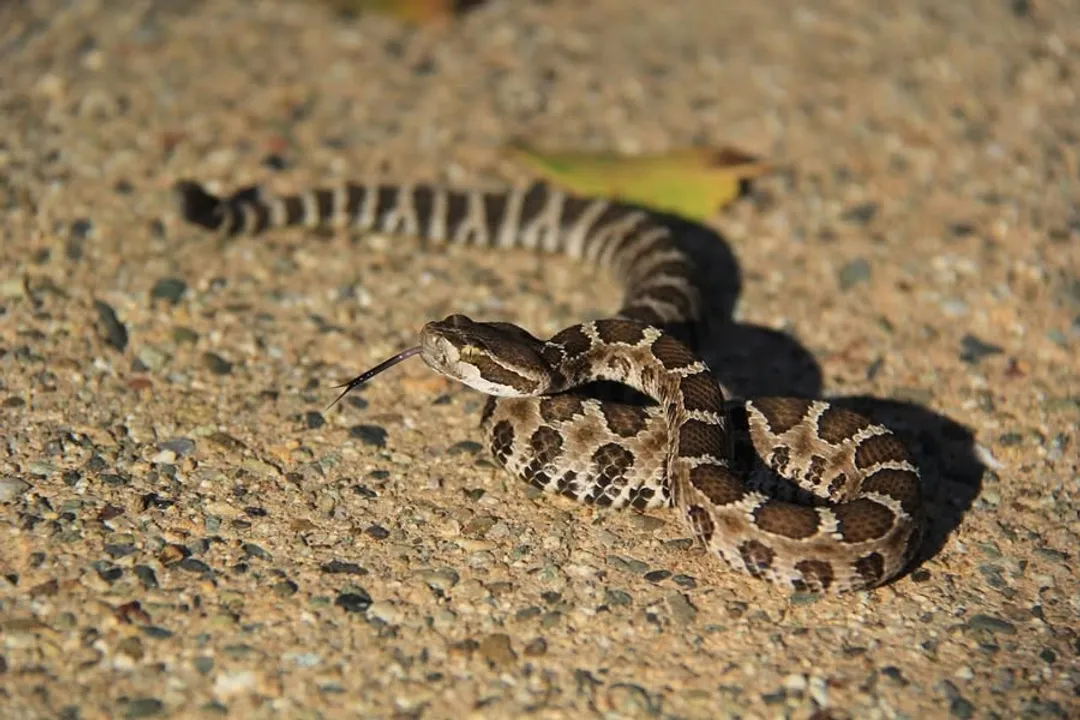
The Crotalus oreganus, commonly known as the Northern Pacific Rattlesnake, is frequently a subject of concern across its range in western North America, from the Pacific slope northward. [5] When assessing the danger a snake poses, the primary consideration is its venom, and this particular species carries a reputation that is often described as less severe than some of its more infamous cousins. Nevertheless, the term "mild" should never be confused with "harmless," as a bite from this pit viper demands serious and immediate medical attention. [5][9]
# Toxicity Profile
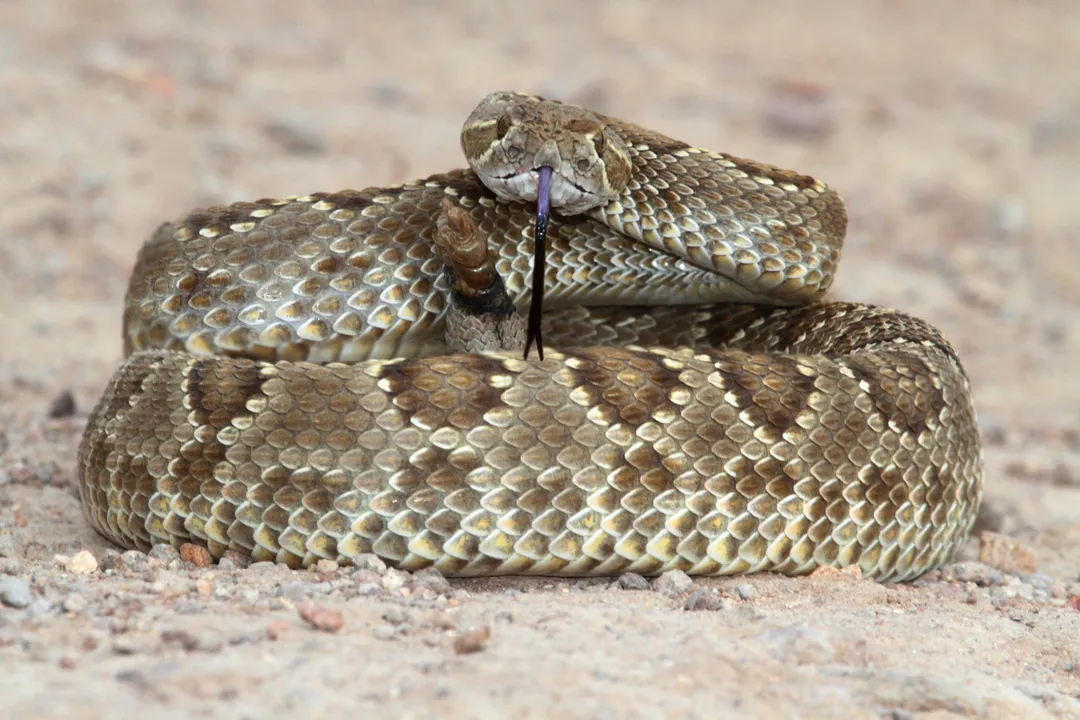
The venom produced by the Northern Pacific Rattlesnake is classified as hemotoxic. [5] This means its primary action is on the blood and tissues, rather than the nervous system, as seen in some coral snakes or cobras. The venom cocktail contains a mixture of enzymes designed to break down tissues, aiding in the snake's digestion of its prey. [5]
Sources offer a nuanced view of its overall potency. In some regional contexts, the venom is characterized as comparatively mild when stacked against other rattlesnake species found elsewhere in the country. [5] However, this relative mildness is highly dependent on context. A significant factor not always addressed in general discussions is the volume of venom injected. Even a less potent toxin delivered in a large enough dose can overwhelm the victim's system, suggesting that the perceived mildness might simply reflect the typical small size and lower venom yield of an average encounter, rather than a chemically weak substance. [5]
# Clinical Effects
The clinical manifestation following a bite is highly variable. It depends on the precise amount of venom injected, the specific location of the bite, and the general health status of the person bitten. [5] Locally, the effects are often pronounced. Significant pain, swelling, and the destruction of local tissue (necrosis) are expected symptoms. [5] In severe, untreated cases, this tissue damage can be extensive, with historical accounts noting instances where amputation of the affected limb became necessary due to overwhelming necrotic processes. [6]
Beyond the immediate site, systemic effects can occur. These can include nausea, vomiting, and alterations to the body's normal blood clotting mechanisms. [5] While bites are rarely fatal to healthy adults, they are without question a serious medical emergency requiring immediate professional intervention. [5][3]

# Response Protocol
When an envenomation occurs, the speed and correctness of the response directly influence the outcome. The absolute first step, unequivocally, is to seek professional medical care without delay. [3][9]
There are several critical "do nots" when dealing with a suspected Northern Pacific Rattlesnake bite:
- Do not apply a tourniquet or constricting band to restrict blood flow. [5][3]
- Do not cut the wound or attempt to suck out the venom. [5][3]
- Do not apply ice or cold packs to the area. [5]
Instead, victims should remain as calm and still as possible. Keeping the bite site immobilized and below the level of the heart, if feasible, can help slow the systemic spread of the venom while transporting the victim rapidly to a hospital. [3][9] The definitive treatment for a confirmed bite involves the administration of appropriate anti-venom. [5] Considering the hemotoxic nature of the venom, which attacks local tissue structure, minimizing movement is crucial. Slowing the circulatory rate lessens how quickly the destructive enzymes are distributed from the injection site throughout the vascular system and into deeper tissues. [5]
# Habitat and Behavior
These snakes are part of the larger rattlesnake group known as pit vipers, possessing heat-sensing pits located between the eye and the nostril. [5] They are native to areas including parts of Oregon, Washington, [7] and as far south as California. [6] Their environment is varied, but they are often associated with rocky terrain, where they seek shelter. [7]
Survival through cold seasons requires them to aggregate in communal dens, frequently utilizing rock crevices or spaces under boulders to hibernate. [7] Their typical behavior pattern involves being active during the cooler parts of the day in the heat of summer, though they may be diurnal when temperatures are mild. [7] As with most pit vipers, they are generally shy and prefer to avoid human contact. [5] The rattling sound produced by the specialized tail segments serves as their primary warning mechanism, an audible signal that they feel threatened and are prepared to strike if the perceived danger does not retreat. [7] They usually only deliver a venomous bite when they are handled, stepped on, or otherwise provoked into defending themselves. [5]
Related Questions
#Citations
is it true our Rattler venom is less deadly than her cousins ... - Reddit
Northern Pacific Rattlesnake - Mount Diablo Interpretive Association
Northern Pacific Rattlesnake Bite - DoveMed
Rattlesnakes | California Poison Control System
Crotalus oreganus - Wikipedia
Northern Pacific Rattlesnake Facts and Safety in Northern California
How Dangerous are Rattlesnakes? - Deschutes Land Trust
Northern Pacific Rattlesnake
Rattlesnake Bites: What You Need to Know - Poison Control