How does the excretion of nutrient-rich pseudofeces by zebra mussels redirect the aquatic energy flow?
Answer
It shifts energy storage from the water column to the lakebed, favoring benthic organisms
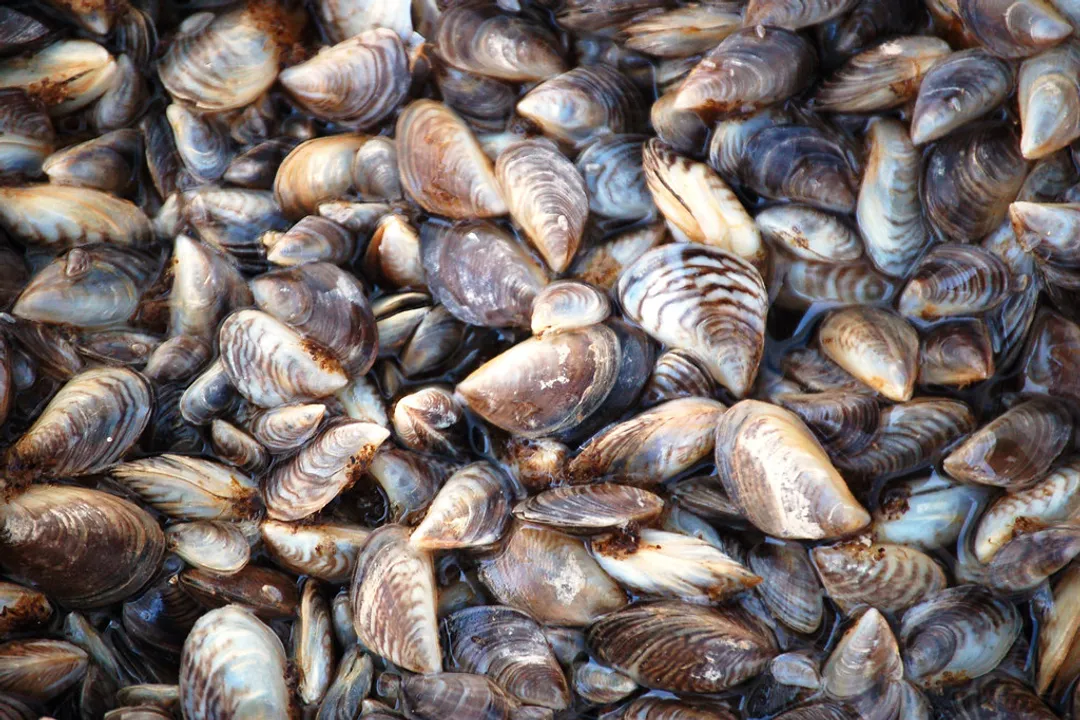
Zebra mussels reject particles they test but find less digestible or less desirable; this rejected matter is called pseudofeces. This material is concentrated and rich in nutrients. When expelled, this rejected matter sinks, effectively moving stored energy that was previously suspended in the water column down to the bottom sediments of the lake or riverbed. This mechanism fundamentally alters the energy budget of the system by favoring benthic (bottom-dwelling) invertebrate communities, as they gain access to this nutrient-dense fallout, while simultaneously starving pelagic (open-water) organisms that depended on those suspended resources.
Related Questions
What is the specific particle size range zebra mussels capture most effectively via their gill system sieve?What is the typical daily water filtration capacity estimated for a single adult zebra mussel under favorable conditions?What classification describes the feeding method utilized by the zebra mussel, Dreissena polymorpha?What is the direct physical consequence observed in a water body due to the hyper-efficient feeding of zebra mussel colonies?Besides phytoplankton, what other microscopic organisms form the major nutritional intake for zebra mussels?How does the excretion of nutrient-rich pseudofeces by zebra mussels redirect the aquatic energy flow?What critical risk must be considered regarding the human edibility of zebra mussels that have accumulated pollutants?What is a key implication when zebra mussels preferentially consume particles exclusively in the 2 to 40 micrometer range?When zebra mussel populations are high, what should researchers monitor instead of just relying on water clarity as an indicator of ecosystem health?How does the increased water clarity caused by zebra mussels fundamentally change habitat structure near shorelines?