Zebra Snake Diet
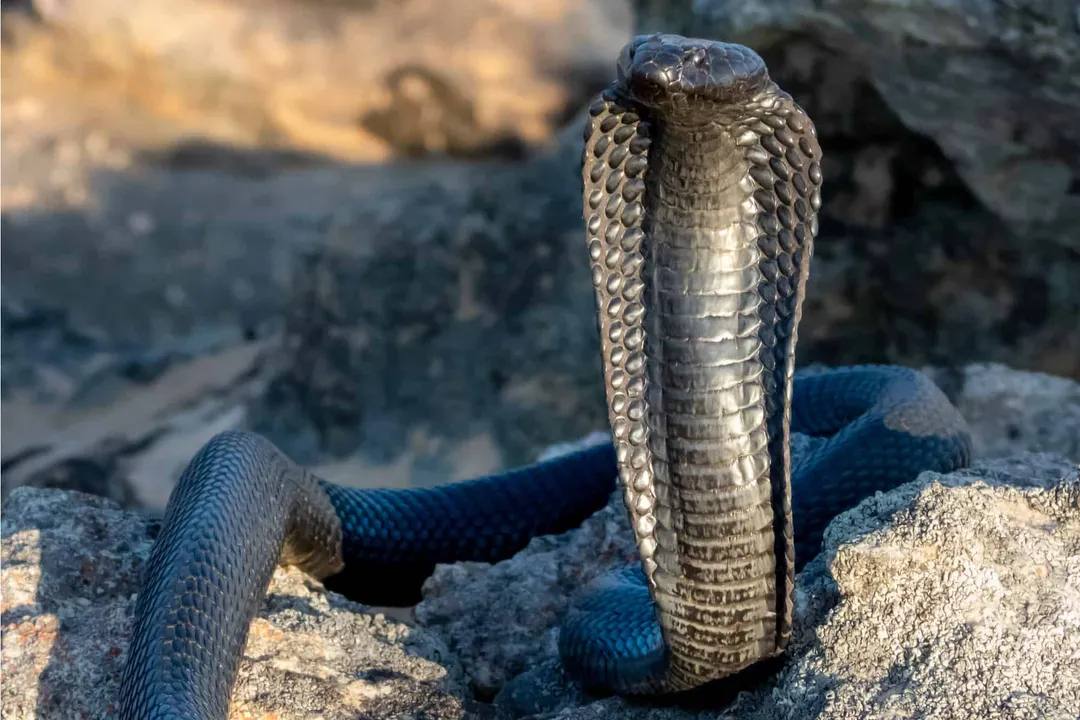
The creature often recognized across the southern African landscapes as the Zebra Snake is more formally known as Naja nigricincta, frequently referred to as the Western Barred Spitting Cobra or simply the Zebra Cobra. While its striking black and white bands and its highly dangerous cytotoxic venom capture much of the attention, understanding what sustains this venomous predator reveals much about its role in its arid and savanna habitats. As a committed carnivore, the Naja nigricincta maintains a diet that speaks to an opportunistic and adaptable nature, crucial for survival in regions where resources can fluctuate.
# Predator Basics
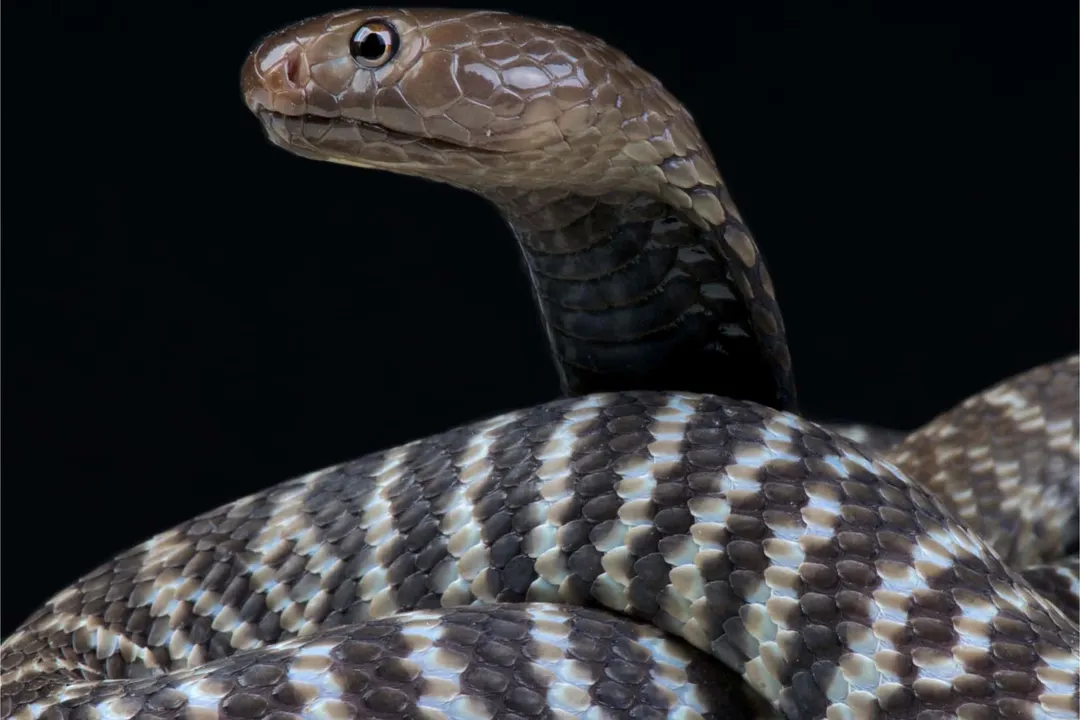
This elapid species is categorized as a predator that actively seeks its meals. It is predominantly nocturnal, meaning its primary hunting activity occurs under the cover of darkness, though it may occasionally be observed crossing roads in the early morning or evening. This activity pattern inherently shapes the types of food sources it encounters and targets. Despite being terrestrial hunters most of the time, these cobras are also capable swimmers and climbers, which suggests their foraging range is not strictly limited to the ground layer of the savanna or shrubland. An average adult reaches between 80 to 120 cm, though larger specimens exist, which allows them to tackle a respectable range of prey sizes. They possess the means to subdue prey effectively, capable of using their potent venom for offense against meal items as well as in defense.
# Diet Composition

The Zebra Cobra’s menu reflects a broad appetite rather than a highly specialized focus, which is a key advantage in its diverse and sometimes harsh environment across Namibia, Angola, Botswana, and South Africa. Its consumption habits span several classes of vertebrates and even small invertebrates.
The primary components identified in its diet include:
- Amphibians and Reptiles: Frogs are a noted part of its intake, alongside lizards and even other snakes.
- Birds and Mammals: Smaller feathered creatures and terrestrial mammals, specifically mentioned as rodents, form significant components of the diet.
- Eggs and Insects: Unsurprisingly, eggs are taken when available, and remarkably, some sources indicate the consumption of insects.
- Fish: At least one source also lists fish as part of its prey spectrum.
This assembled list suggests a feeding strategy that capitalizes on whatever small, manageable vertebrates are abundant or accessible at night. It is interesting to note the sheer flexibility here; while many specialized snakes focus heavily on one category, the Zebra Cobra's need to consume rodents, birds, frogs, fish, and even insects points toward a high degree of dietary plasticity—an essential trait for a predator whose habitat includes arid zones where consistent populations of a single prey type may not be guaranteed year-round. A snake that can successfully hunt a rodent one night and switch to an amphibian or even an insect the next has a distinct survival edge compared to a more rigid feeder.
The capacity of Naja nigricincta to consume prey nearly half its own size is impressive, suggesting that when a meal presents itself, the cobra commits to subduing it, aided by its venomous delivery.
| Prey Category | Specific Items Mentioned | Source Confirmation |
|---|---|---|
| Mammals | Small mammals, Rodents | |
| Birds | Birds | |
| Reptiles | Lizards, Other snakes | |
| Amphibians | Frogs | |
| Other | Fish, Eggs, Insects |
# Hunting Strategy
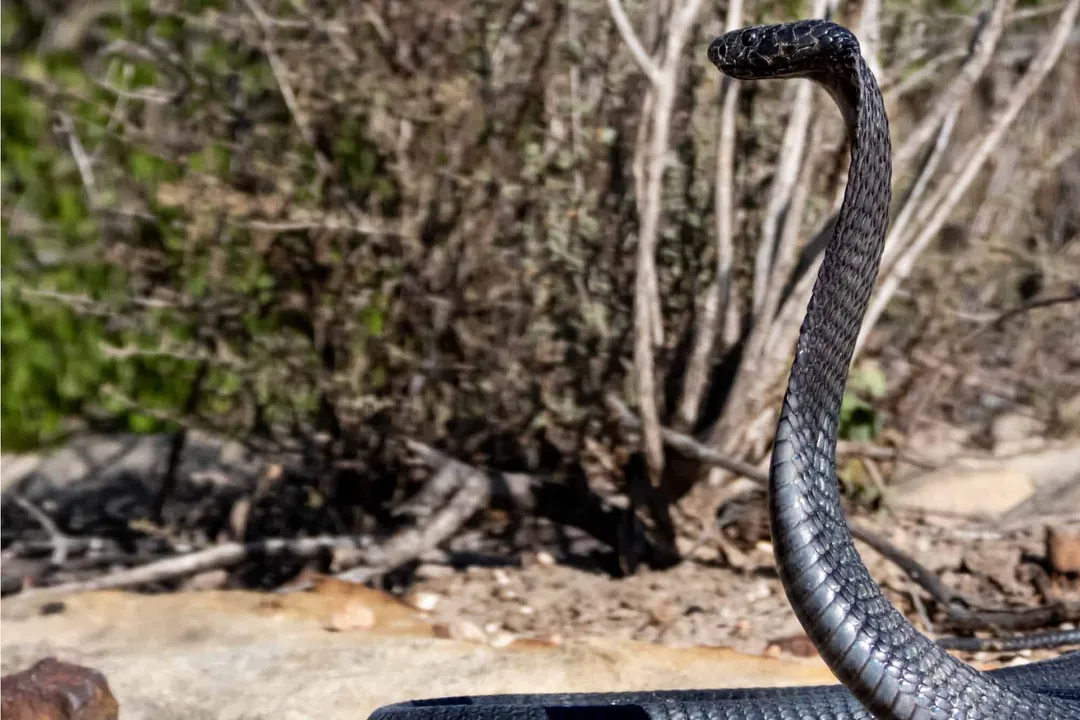
When actively hunting, the Zebra Cobra is described as a fast-moving predator. However, their general demeanor suggests a preference for avoidance over confrontation. While they will use their venom to subdue prey, their defensive display—raising the hood, hissing, and spitting venom up to nine feet—is typically reserved for when they feel cornered or threatened by larger animals or humans. This implies that for typical feeding events involving a rodent or a frog, the snake likely relies on a swift, venomous strike rather than a prolonged defensive confrontation with its meal. A successful hunt relies on stealth, exploiting its nocturnal activity to surprise prey that might be resting or less alert in the dark. The fact that they can see color and have round pupils suggests an adaptation for effective daylight vision, which they might employ during crepuscular (twilight) hours or for identifying potential mates, though their primary foraging is after sunset.
# Ecosystem Balance
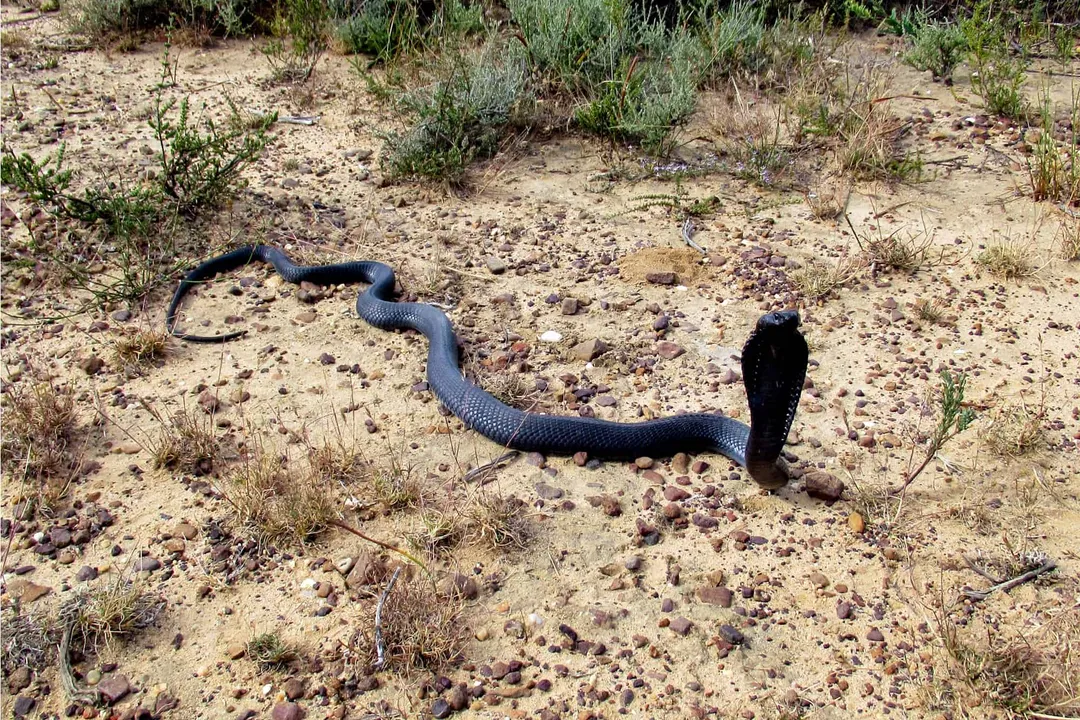
The wide-ranging diet of the Naja nigricincta positions it as a significant regulator of various small animal populations within its African range. By preying on rodents, frogs, and insects, the Zebra Cobra helps maintain the delicate balance in savanna, desert, and shrubland ecosystems. In environments where resources are thinly spread, a predator that can keep populations of common pests—like rodents which can spread rapidly—in check is performing an essential service to the overall ecological health of the region. Their presence contributes to the structural integrity of the food web, preventing any single smaller group from overpopulating the available resources. Considering they are classified as Least Concern with a stable population, it suggests their current predation levels are sustainable and integrated within the natural predator-prey dynamics of their home territories.
Related Questions
#Citations
Naja nigricincta - Facts, Diet, Habitat & Pictures on Animalia.bio
Zebra Cobra - African Snakebite Institute
Zebra Snake Facts & Photos | Wowzerful
Zebra Spitting Cobra | Made in the Wild
Zebra Snake Animal Facts - Naja nigricincta