What principle dictates feeding prey insects for 24 to 48 hours before offering them to the *A. semanni*?
Answer
Gut-loading
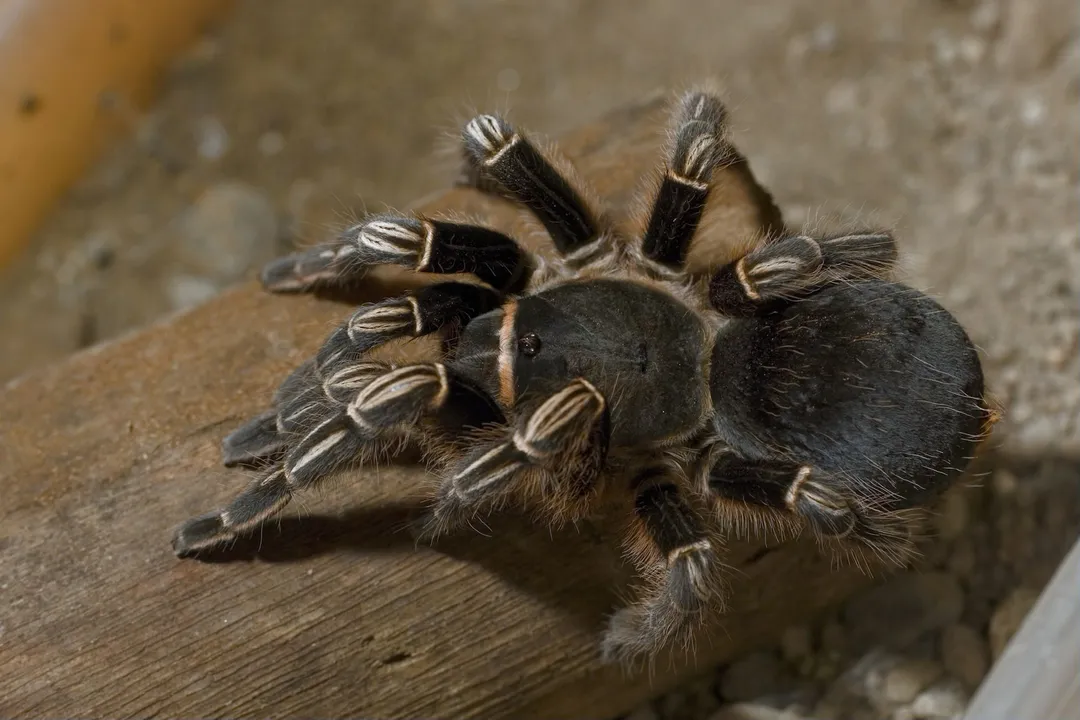
Gut-loading is a paramount practice in preparing feeder insects for captive tarantulas, including the adaptable *Aphonopelma seemanni*. This process involves feeding the prey insects a diet rich in high-quality nutrition for a specific period, typically ranging from 24 to 48 hours immediately preceding feeding time. The purpose is to ensure that the nutritional value consumed by the feeder insect is efficiently transferred to the tarantula upon ingestion. If the prey item consumes poor-quality scraps, the nutritional benefit delivered to the spider, irrespective of the prey's size, will be minimal. Quality gut-loading substances include items such as carrots, commercial insect diets, or fresh leafy greens.
Related Questions
Which feeder insect is often considered superior to crickets in the *A. semanni* diet rotation?What principle dictates feeding prey insects for 24 to 48 hours before offering them to the *A. semanni*?What is the general rule regarding prey size relative to the *A. semanni*'s carapace?What is the recommended feeding interval for large, mature adult *A. semanni* spiders?What type of prey is suggested initially for *A. semanni* referred to as slings?What is the most probable cause if a healthy adult *A. semanni* suddenly stops accepting food?How long must fresh, clean water be available at all times for the Zebra Tarantula?How long should uneaten prey be left in the enclosure before removal for *A. semanni* spiderlings?Why is dusting adult *A. semanni* prey with vitamin powders often discouraged?What technique is used to help distinguish a hungry adult *A. semanni* from one that is pre-molt?