How did *Dreissena polymorpha* likely arrive in the Great Lakes basin?
Answer
Via the ballast water of ocean-going vessels
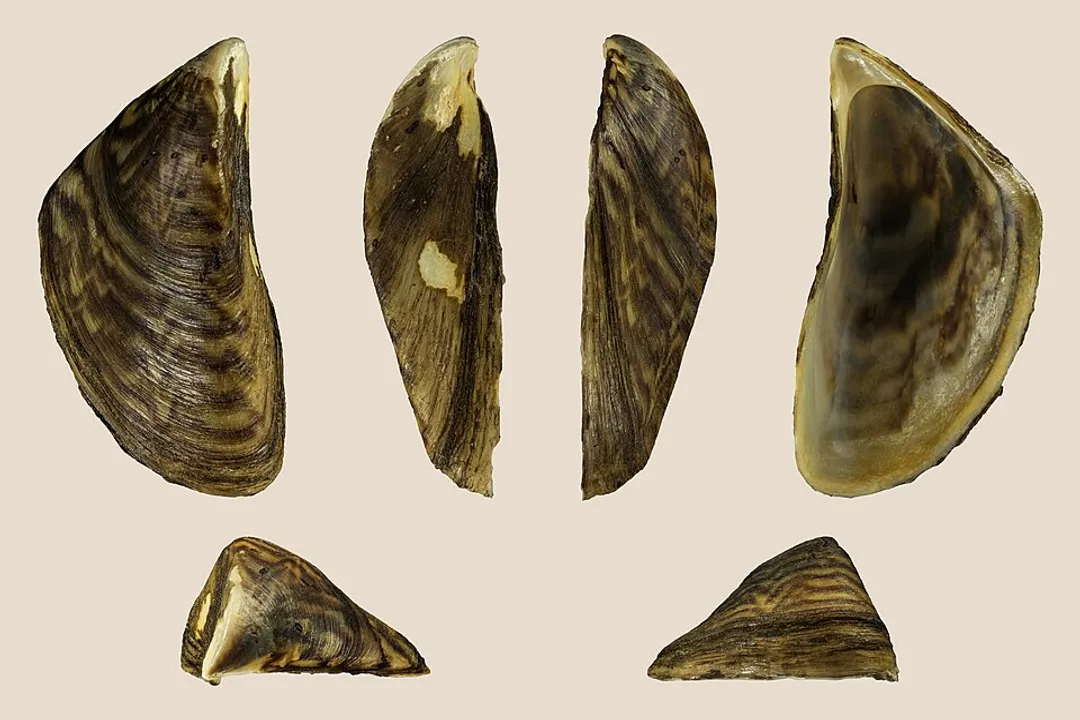
The introduction of zebra mussels to North America is historically traced back to transatlantic shipping activities that occurred around the mid-1980s. The primary suspected mechanism for this continental introduction involved ocean-going vessels discharging water used for stability and buoyancy, known as ballast water, after traversing the Atlantic Ocean. Once released into the Great Lakes, this method provided the initial foothold necessary for the massive establishment observed throughout that interconnected system.
Related Questions
What is the natural habitat for the zebra mussel, *Dreissena polymorpha*?How did *Dreissena polymorpha* likely arrive in the Great Lakes basin?What term denotes the microscopic larvae spread downstream through river currents?Which New York waterway is noted for intense monitoring and community science initiatives regarding zebra mussels?What is identified as the number one vector for spreading zebra mussels between geographically separate lakes?What type of substrate do zebra mussels strongly prefer for attachment in a lake environment?How does the colonization pattern of the quagga mussel differ from the substrate-dependent zebra mussel?After establishing in the Great Lakes, what became a major secondary corridor for zebra mussel expansion?What quantitative risk assessment strategy is considered more effective than static mapping for areas like Lake George?Why is distinguishing between zebra mussels and quagga mussels critical for remediation strategies?