Zebra Mussels Evolution
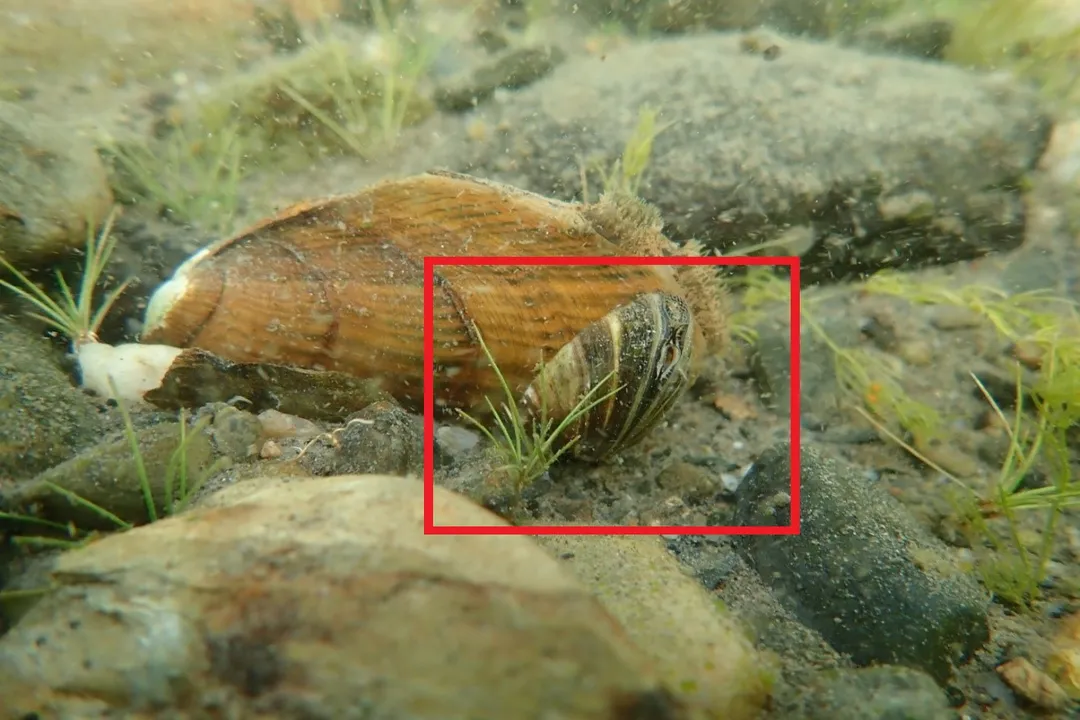
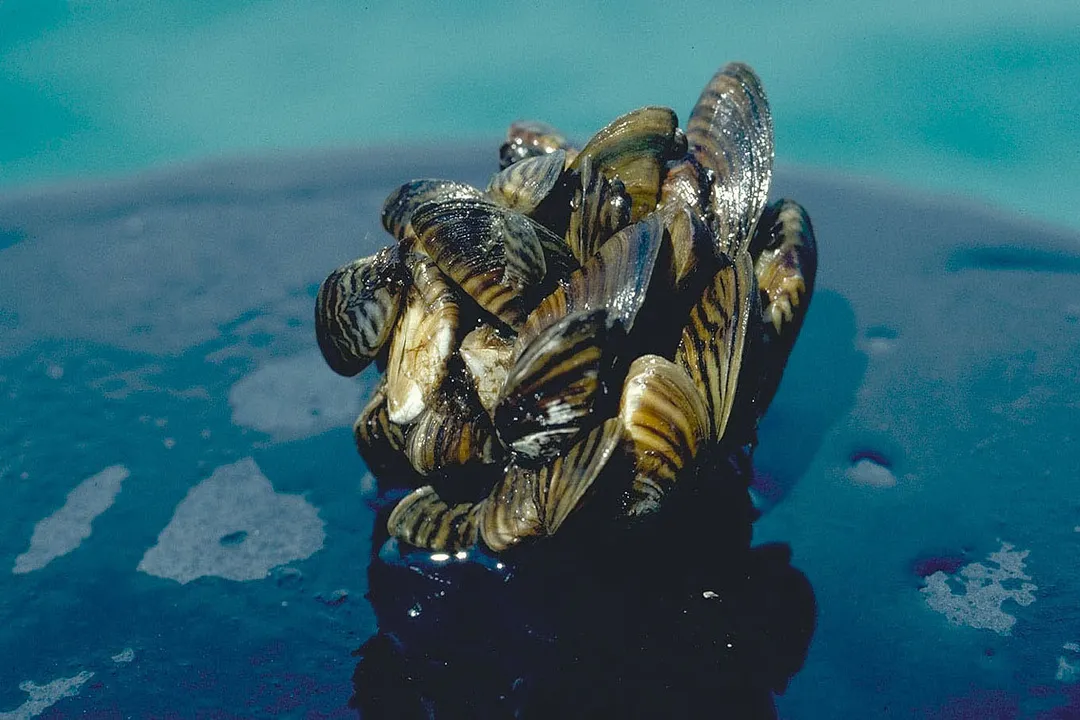
The arrival of the zebra mussel, Dreissena polymorpha, in new continents often makes headlines for its destructive impact on infrastructure and native ecosystems. Yet, beyond the immediate ecological disruption lies a far more fascinating process: evolution in fast forward. These small, striped mollusks represent a living laboratory demonstrating how quickly a species can adapt when transplanted from its ancestral home into dramatically different environments.
# Original Home
The evolutionary journey of the zebra mussel begins thousands of kilometers away from the Great Lakes or Mississippi River basins, originating in the Ponto-Caspian region. This area, encompassing the Black Sea, Caspian Sea, and connecting freshwater systems, is characterized by variable salinity, temperature fluctuations, and fluctuating water levels. Species that successfully establish themselves here must possess a degree of physiological flexibility. This native environment, which includes both brackish and freshwater conditions, acted as a crucial incubator for traits that would later prove highly advantageous during global dispersal. The species found a niche, often coexisting with native bivalves and thriving in these dynamic conditions.
# Global Transit
The modern chapter of the zebra mussel's story is defined by its extraordinary capacity for travel. While they were likely introduced to Europe centuries ago via river barges and canals, their jump across the Atlantic was much more dramatic and geographically specific. In North America, the primary vector for introduction was the discharge of ballast water from transoceanic ships. The first confirmed detections in the Great Lakes near Detroit and St. Clair rivers occurred in 1988 and 1989, respectively, fundamentally altering the trajectory of aquatic ecology in the region. Once established, subsequent spread within continents is often facilitated by connecting waterways, recreational boating, and the aquarium trade, where they were once sold as small, novelty pets.
# Invasional Change
When a species moves into a novel environment, it faces immediate selective pressures different from those that shaped it historically. For zebra mussels, the move from the often-variable, sometimes brackish Ponto-Caspian waters to the comparatively stable freshwater systems of North America represents a major shift in the rules of survival. Researchers studying this phenomenon note that adaptation isn't always instantaneous genetic mutation; sometimes, it is phenotypic plasticity—the ability of an individual organism to change its physical traits in response to the environment—that kicks in first.
However, the observation of ongoing changes suggests that true, heritable evolution is also at play. Ecologist Dr. David Strayer noted that when invaders like the zebra mussel rapidly colonize new areas, natural selection begins weeding out individuals less suited to the new conditions. This process can lead to shifts in population characteristics over generations, effectively shaping a new, locally adapted lineage. The speed at which these changes are observed is striking, sometimes occurring within just a few decades, which provides a rare, real-time look at evolutionary mechanisms in action.
It’s easy to view them simply as a static threat, but the reality is that the mussels currently filtering water in Lake Erie are likely not genetically identical to the founders that arrived in 1988. The selective regime has changed, and the genetic makeup of the population is responding to optimize survival in the new world.
# Genetic Signatures
Scientists examine the genetics of invasive populations to understand which evolutionary forces are dominant. Studies focusing on the genetic structure of zebra mussels have sometimes revealed evidence of strong selection pressure acting differently in various invaded basins. For instance, researchers have found that populations in new locations might exhibit reduced genetic diversity compared to their native European counterparts, reflecting a bottleneck effect from the small initial founding population that made the journey. Despite this reduction, the remaining genetic variance is what selection acts upon. If one area has high predation pressure from native crayfish, for example, the genes for thicker shells or denser byssal threads (the sticky fibers they use to attach) might become more prevalent over time. Conversely, in a system where food availability is the main limiter, genes related to superior filtration efficiency or faster growth in warmer summer months could become fixed within the local gene pool.
# Ecological Shifts
The evolutionary trajectory of the zebra mussel has direct and measurable consequences for the receiving ecosystem. Their defining characteristic is their incredible filtering capacity; a single zebra mussel can filter up to a liter of water per day. This massive filtration effort fundamentally alters the water column, increasing water clarity by removing phytoplankton, which are the base of the aquatic food web.
This change in the base of the food chain forces shifts higher up. Native zooplankton populations can decline due to food scarcity, impacting the fish that rely on them. The energy that was once dispersed throughout the water column is now rapidly processed and deposited in concentrated mounds of pseudofeces (waste) on the lake or river bottom, often in dense mats around the mussels themselves. This localized nutrient concentration can, in turn, fuel algal blooms near the shoreline, a paradoxical effect of removing suspended particles from the open water.
Consider the impact on native filter feeders, such as clams or native mussels. While competition for resources is fierce, the evolutionary response of the native species is also being molded. Native bivalves, subjected to intense, sustained filtration competition by an established, highly efficient invader, might begin exhibiting selection for traits like earlier spawning times or altered larval development stages to avoid peak filtration periods by the zebra mussel population—a delayed evolutionary response to a modern invader. This creates a kind of "evolutionary lag" where the invaders adapt faster than the natives can respond, exacerbating the invasion impact.
# Ongoing Trajectories
The story of zebra mussel evolution is far from over. As populations continue to spread geographically—moving further south in the Mississippi River system or into new inland lakes—they repeatedly encounter slightly different physical and chemical profiles. Each new location provides a new, albeit often related, selective challenge.
A key factor determining the long-term evolutionary path will be the balance between plasticity and genetic adaptation. If environments remain relatively stable (e.g., a large, stable lake), genetic adaptation will likely lead to a specialized population optimized for that specific set of conditions. However, if climate change introduces greater temperature variability or more extreme hydrological events, the mussels that retain a degree of ancestral plasticity—the ability to handle swings in conditions, much like their Black Sea ancestors—might fare better in the long run. The study of D. polymorpha serves as an urgent reminder that invasive species are not static agents of destruction; they are dynamic biological entities constantly reshaping themselves in response to their new homes. The continuing monitoring of their genetic structure across North America will be essential for predicting future ecological impacts and designing management strategies that account for a constantly evolving target.
Related Questions
#Citations
Zebra mussel - Wikipedia
[PDF] Zebra Mussels Fact Sheet - NH.gov
zebra mussel (Dreissena polymorpha) - Species Profile
Recording the evolution of an invasion: An interview with Dr. David ...
Evolution of zebra mussels in Lake Memphremagog
Phylogeography and systematics of zebra mussels and related ...
[PDF] Early life stages of Dreissena polymorpha (zebra mussel)
[PDF] The Introduction and Spread of the Zebra Mussel in North America
Zebra Mussel (Dreissena polymorpha) | U.S. Fish & Wildlife Service