Which feeder insect is often considered superior to crickets in the *A. semanni* diet rotation?
Answer
Dubia roaches
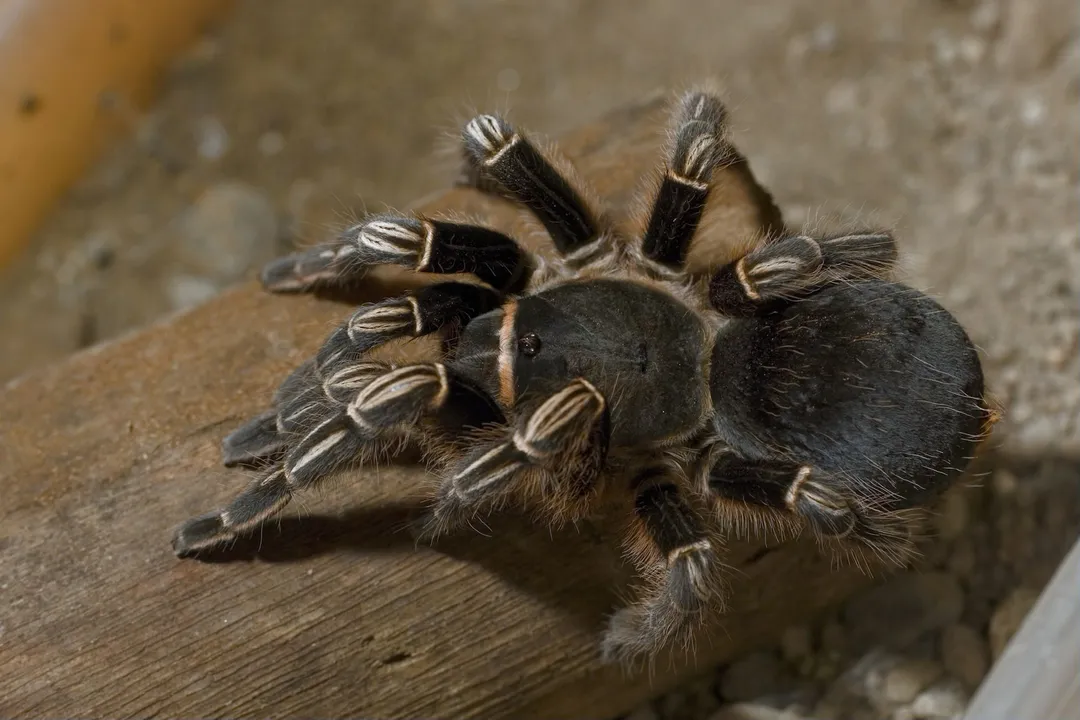
While crickets form the basis of the diet, Dubia roaches are frequently advocated by keepers as a superior alternative to incorporate into the feeding rotation for the Costa Rican Zebra Tarantula. This preference stems from several advantages: Dubia roaches are less likely to stress the tarantula if left uneaten compared to crickets. Furthermore, they possess a tendency to burrow rather than jump erratically, which is less disruptive to the spider. Crucially, properly reared Dubia roaches often provide a better overall nutritional profile compared to standard crickets, contributing to better health maintenance for the captive *Aphonopelma seemanni*.
Related Questions
Which feeder insect is often considered superior to crickets in the *A. semanni* diet rotation?What principle dictates feeding prey insects for 24 to 48 hours before offering them to the *A. semanni*?What is the general rule regarding prey size relative to the *A. semanni*'s carapace?What is the recommended feeding interval for large, mature adult *A. semanni* spiders?What type of prey is suggested initially for *A. semanni* referred to as slings?What is the most probable cause if a healthy adult *A. semanni* suddenly stops accepting food?How long must fresh, clean water be available at all times for the Zebra Tarantula?How long should uneaten prey be left in the enclosure before removal for *A. semanni* spiderlings?Why is dusting adult *A. semanni* prey with vitamin powders often discouraged?What technique is used to help distinguish a hungry adult *A. semanni* from one that is pre-molt?