Zebra Finch Diet
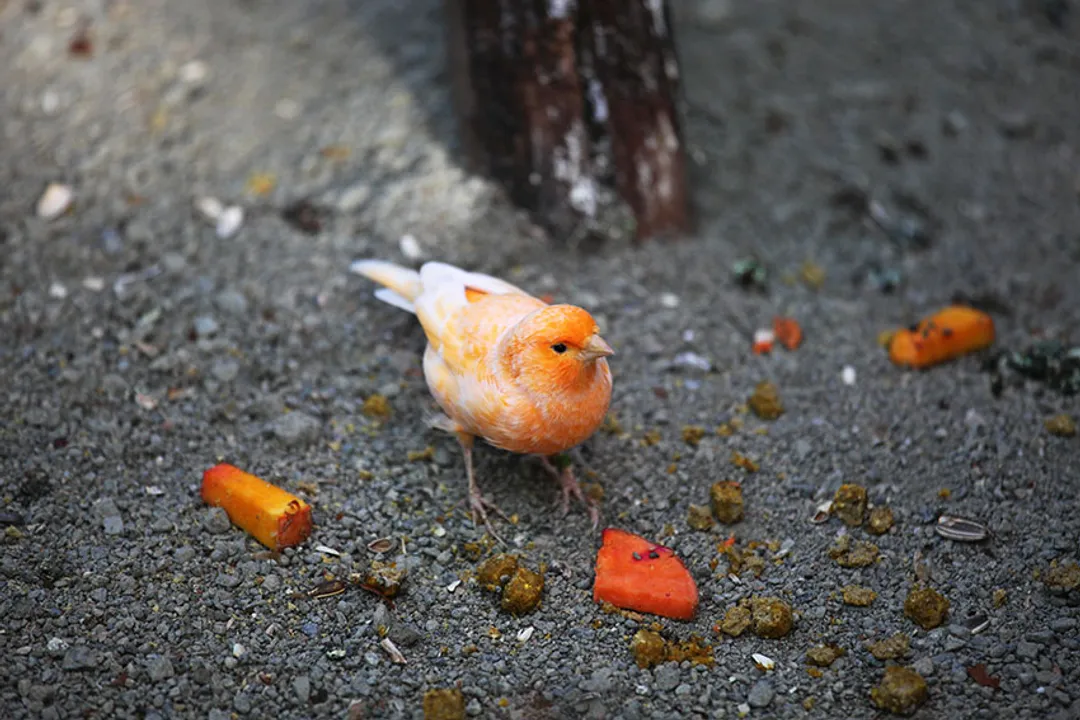
Establishing a proper diet is fundamental to keeping Zebra Finches thriving, as these small, energetic birds have specific nutritional requirements that mimic their native Australian environment. [9] While they are often kept as easy starter birds, their diet is precise, moving well beyond just a bowl of seed, especially when considering their high activity levels and reproductive cycles. [1][4] A successful feeding regimen blends high-quality seeds with essential fresh supplements to ensure they receive the full spectrum of vitamins and minerals necessary for good feather condition and robust health. [4]
# Staple Seeds
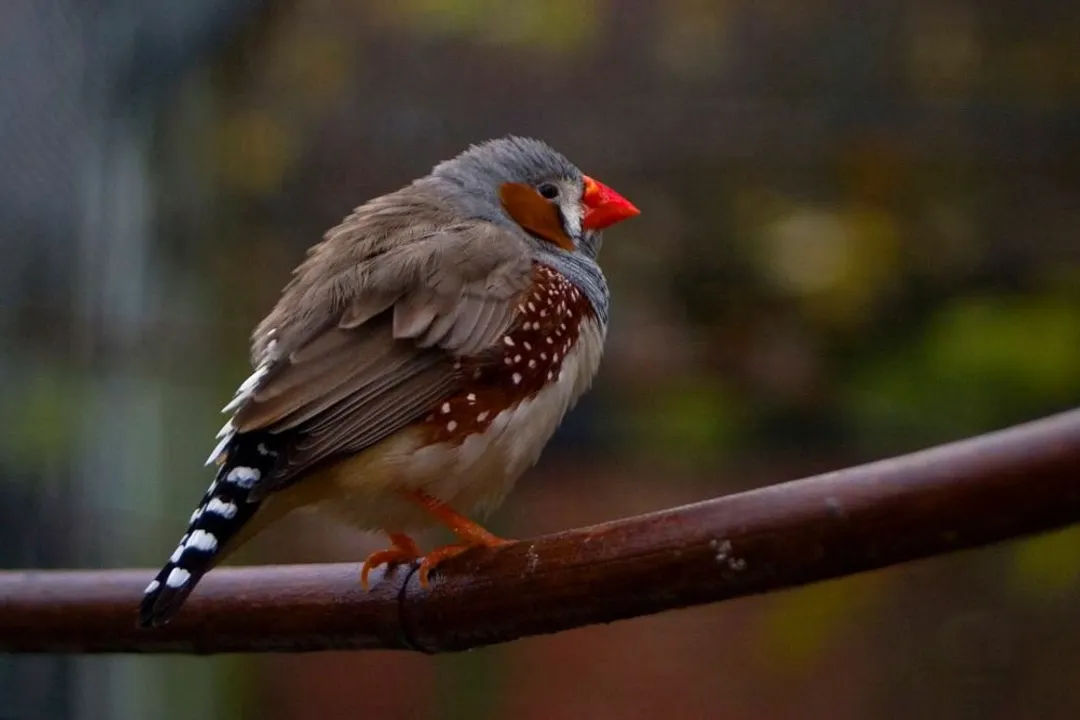
The core of the Zebra Finch diet in captivity revolves around a good quality, fine seed mix. [5] Ideally, this mix should be composed primarily of millet, canary seed, and oats. [1][4] This combination provides the necessary energy base for these small flyers. [5] It is crucial to select a mix specifically formulated for finches rather than general mixed bird seed, as the latter often contains seeds too large or inappropriate for their small beaks and systems. [7]
A common pitfall for new owners is allowing finches to graze perpetually on a large bowl of seed. While the seed mix is the staple, finches are often drawn to the fattier components first, like niger seed or even sunflower seeds if they are present in the blend. [5] If a bird becomes selective, only consuming the high-fat seeds, it can lead to obesity and nutritional deficiencies, as key vitamins are often found in the smaller, less attractive components or the greens you supplement. [4][5] One actionable way to monitor this is by observing what is left in the dish. If the bowl is consistently full, you may be overfeeding, or your bird is selectively discarding the healthier seeds. A good practice to manage this is to remove the empty hulls from the seed dish periodically; if the seeds remain untouched, it confirms the bird is filling up on less nutritious elements. [5]
It's important to note that, unlike parrots, Zebra Finches are not typically adapted to a pellet-based diet, and while some commercial pellets exist, they often struggle to transition away from seeds entirely. [7] This behavioral reliance on seeds makes the quality and balance of the dry mix exceptionally important from the outset. [4]
# Fresh Produce
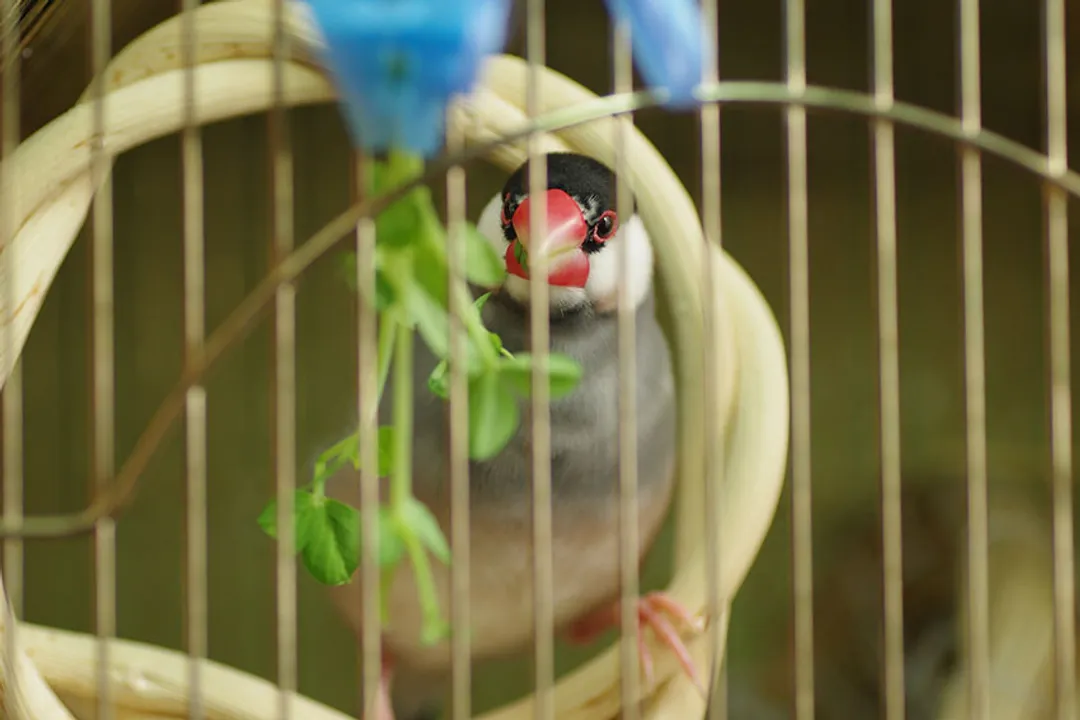
Seeds alone are insufficient because they often lack vital nutrients, most notably Vitamin A. [4] To compensate, owners must regularly introduce fresh items to the diet. [3] Greens are the most straightforward and essential addition. [1] Romaine lettuce, broccoli, kale, and spinach are generally well-received options. [1][3] When introducing new vegetables, it is best to start small and try offering them in a small clip-on feeder or directly on a clean plate so the finches can easily access them. [3]
The natural diet in the wild is heavily based on the seeds of various grasses, but they also consume insects, which provides them with protein and fats that are harder to replicate perfectly with dry food alone. [9] The fresh greens help bridge the gap for vitamins and moisture that seeds lack. [4] Furthermore, offering sprouted seeds is a fantastic way to increase the nutritional density of the staple diet. [5] Sprouting significantly enhances the availability of vitamins and enzymes within the seed itself, offering a much richer meal than the dry seed offers. [5]
# Protein Needs
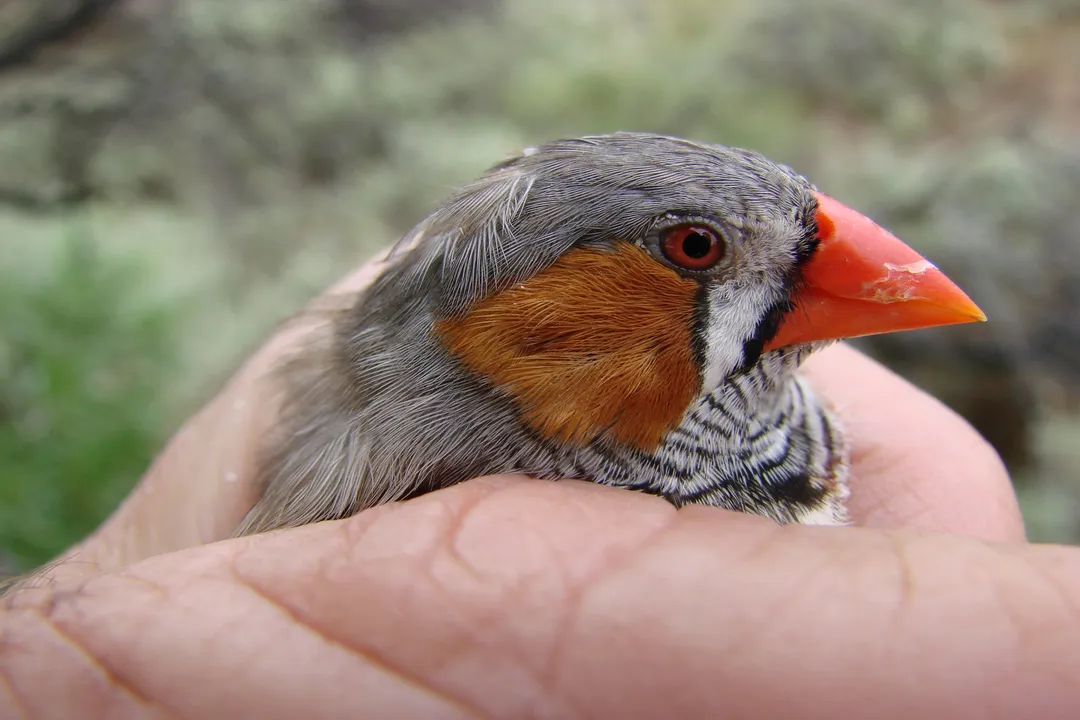
While the daily diet is seed-and-green based, periods of high physical demand require an increase in protein intake. This is particularly true when the birds are actively breeding or undergoing their annual molt. [4] During these times, a small addition of cooked egg can make a significant difference in their recovery and the health of new feathers or chicks. [1][7] Finches readily accept scrambled or chopped hard-boiled egg, which should be served sparingly, perhaps a small pinch a few times a week during these intensive phases. [4]
Another protein source that can be incorporated occasionally is live food. [1] Small insects, such as mealworms, can be offered as a high-value treat, but they should not form a regular part of the diet due to their high fat content. [1] Think of these as enrichment or specialized supplements rather than daily fare.
# Grit Calcium
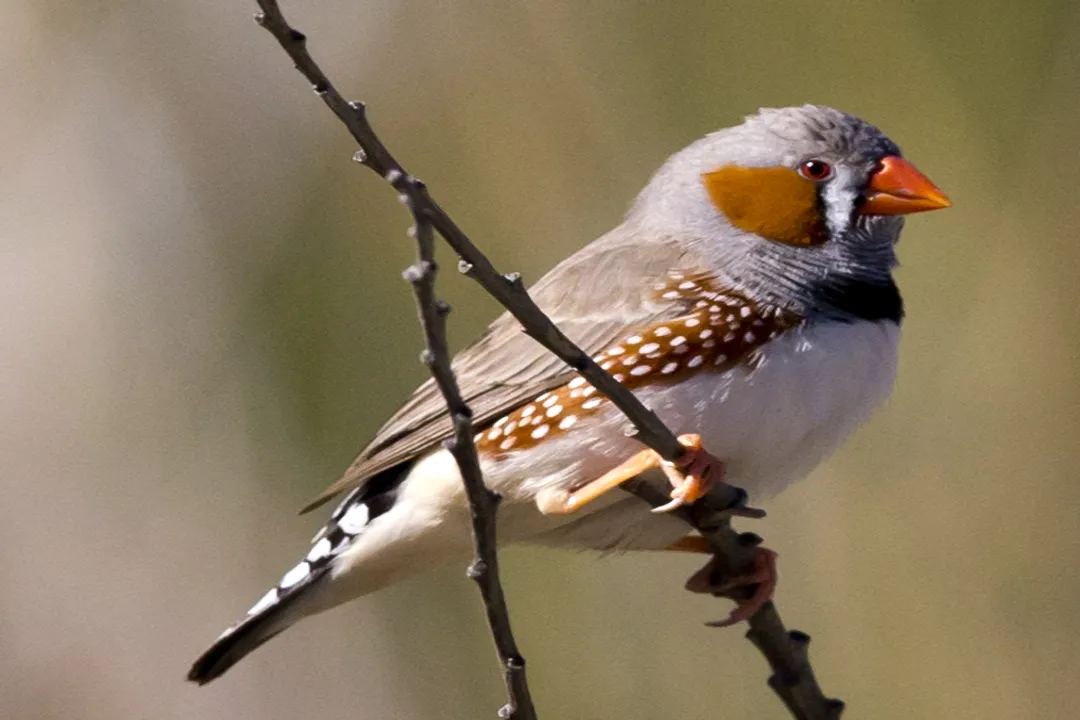
Zebra Finches, like all birds, lack teeth, meaning they rely on their gizzard to grind food down for digestion. [4] To aid this process, they need access to grit. [4] This specialized mix of coarse sand or small pebbles helps them break down tough seed husks. Beyond digestion, a source of calcium is critical, especially for female birds who are laying eggs, as this mineral is heavily drawn from their bodies for shell production. [1][4]
Owners should ensure a separate source of calcium is always available, such as a cuttlebone or a mineral block placed in the cage. [4] This allows the finches to self-regulate their intake of both grit and calcium, taking what they need as required by their digestive processes or reproductive status. [4] It is worth noting that in an ideal, varied diet, the need for supplemental grit may be slightly reduced if they are consuming plenty of greens, but the calcium source should remain constant for females year-round. [1]
# Water Hygiene
No matter how perfect the solid food provided, fresh, clean water remains the single most crucial element of survival. [8] Zebra Finches must have constant access to drinking water. [1][4] Because they are small and their environment is contained, water dishes can become contaminated quickly with droppings, seed dust, or food debris. [8] Therefore, water bowls or sippers must be thoroughly cleaned and refilled with fresh water at least once daily. [1] If you notice the water looking cloudy or containing floating debris, change it immediately, even if it hasn't been a full twenty-four hours. [8]
# Feeding Habits
Determining when and how much to feed revolves around consistency and observation. Most keepers find success feeding their finches once or twice a day. [4] The key is to monitor consumption. They should consume the provided seed and fresh matter within a reasonable period, ensuring they aren't just picking at seeds all day without moving enough to burn the calories. [5]
One way to encourage a wider range of nutrition, which mimics foraging behavior in the wild where seeds vary by season and location, is to rotate the types of greens offered. [9] Instead of only providing romaine, try alternating with chopped carrots one day and dandelion leaves the next. This prevents the finch from becoming fixated on a single vegetable, maintaining their necessary dietary flexibility. This proactive rotation helps guard against nutrient gaps that can occur if a favorite green is temporarily unavailable or if the bird decides it dislikes its current offering. [3] Always ensure that any fresh items you provide are washed thoroughly to remove potential pesticides and are free from any visible mold or spoilage before offering them to your flock. [1]
Related Questions
#Citations
Zebra finch care - Animal Humane Society
What Food is best for Zebra Finches - Reddit
Fruits and Vegetables | Finch Food | Finches and Canaries | Guide
Feeding Finches | VCA Animal Hospitals
Care - Our Finch Diet
Zebra finch diet options beyond seed, spinach, eggs, and millet
I have a couple of zebra finch birds, and would like to know ... - Quora
Zebra Finch Personality, Food & Care – Pet Birds by Lafeber Co.
Zebra Finch - The Australian Museum
Zebra Finch - Facts, Diet, Breeding, Mutations, Pet Care, Pictures