Zebra Mussels Locations
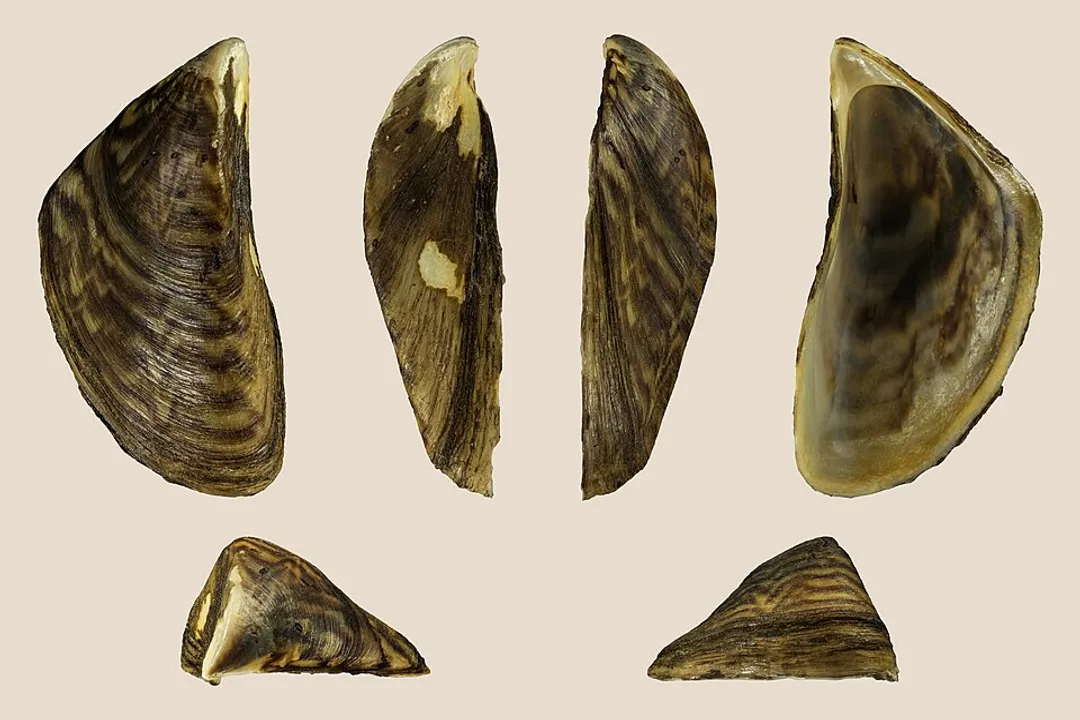
The appearance of zebra mussels, Dreissena polymorpha, in new bodies of water sends immediate ripples of concern through environmental agencies and recreational users alike. These small, striped mollusks are perhaps the most well-known aquatic invasive species in North America, having established themselves across vast hydrological networks since their initial arrival. [2][4] Understanding where they are currently established, and how they travel between these points, is essential for managing their continued spread and mitigating the economic and ecological damage they inflict. [1][9]
# Origins
The natural habitat for the zebra mussel lies far across the Atlantic Ocean, rooted in the freshwater systems of Eurasia. [2] Specifically, their native range encompasses the Black, Caspian, and Azov Seas, as well as the surrounding rivers and lakes. [1][2] This area provided the environment where these mussels evolved their incredible hardiness and reproductive capabilities. [2]
# North America
The introduction to the North American continent is a well-documented event linked to transatlantic shipping. [2][6] It is believed that zebra mussels arrived in the Great Lakes, likely via the ballast water of ocean-going vessels, sometime in the mid-1980s. [2][4][6] Their rapid establishment in the Great Lakes system became the foothold from which they began their inland colonization. [1]
# Great Lakes Foothold
The initial and most significant establishment zone was the Great Lakes basin. [6] Within a short time following their detection, zebra mussels spread throughout all five of the Great Lakes—Superior, Michigan, Huron, Erie, and Ontario. [1] Their filtering capabilities, though ecologically devastating to the native food web, allowed them to thrive in these enormous, interconnected waters. [4]
# Inland Flow
From the Great Lakes, the movement followed natural water pathways, primarily rivers and connected systems. [1] The Mississippi River basin became a major secondary corridor for their expansion. [1] Once established in a major river, currents and continuous flow naturally distribute the microscopic larvae, or veligers, downstream, allowing the infestation to progress along the entire length of the drainage system. [5]
# Regional Concentrations
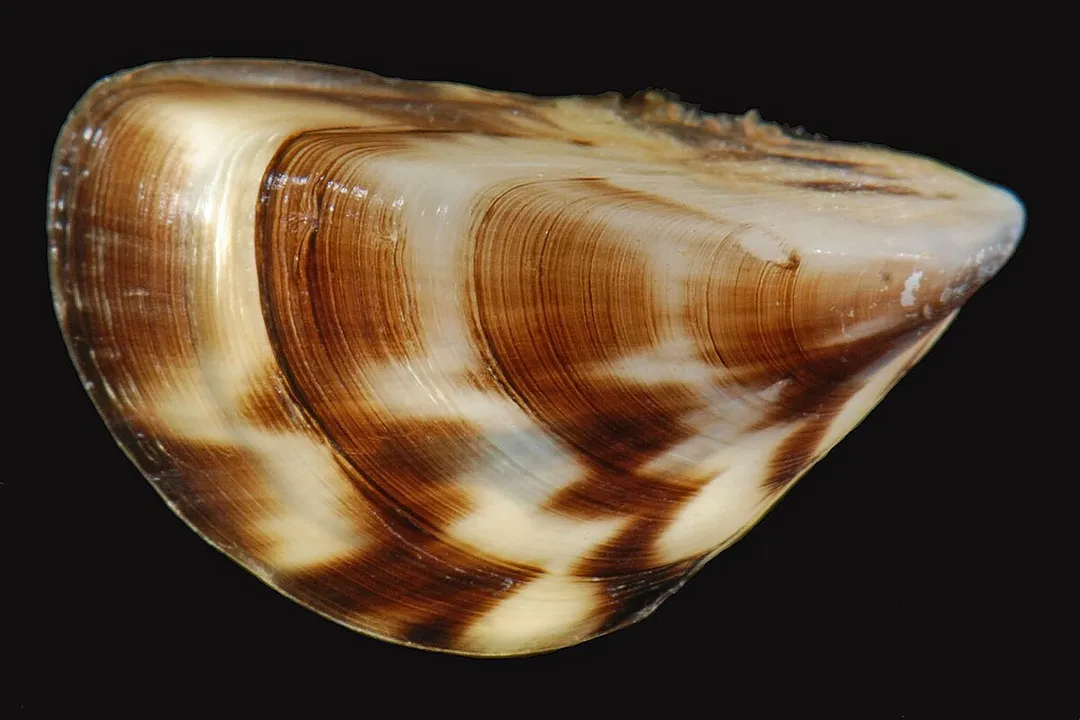
While their presence spans major water systems, specific regional foci highlight the ongoing containment efforts in various states and provinces. [3][5][9] The focus of concern often shifts depending on proximity to established “source waters”. [1]
# New York State
In New York, for instance, the presence of zebra mussels is noted in several crucial waterways. [3] The Finger Lakes region is one area facing pressure, as are parts of the Hudson River system. [3] Perhaps one of the most intensely monitored areas is Lake George, where significant efforts are underway to manage and understand the local population dynamics, often involving community science initiatives to track their presence. [7] The situation in Lake George often involves coordination with neighboring regions, as its connection to other waters dictates how quickly new threats might arrive. [9]
# New England Monitoring
Moving eastward, states like Vermont and New Hampshire actively track and report on known locations. [5][9] In New Hampshire, established populations exist in certain water bodies, prompting close monitoring of recreational access points and potential movement vectors. [5] Similarly, Vermont’s aquatic invasive species programs focus on preventing introduction to waters like Lake Champlain, which shares a border and connectivity with areas already known to harbor the species. [9]
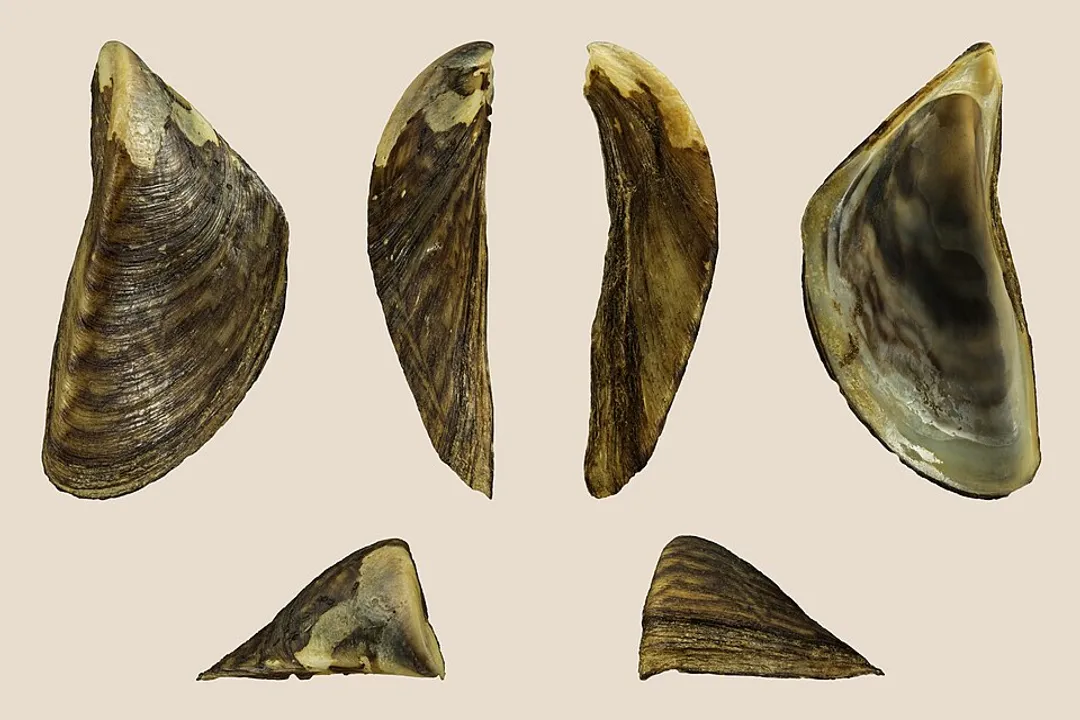
It’s important to note that in many newer invasion fronts, the primary concern involves both zebra mussels and their close relative, the quagga mussel (Dreissena rostriformis bugensis). [3][8] While they can often be found in the same general regions, distinguishing between the two is critical for management, as quagga mussels, which are flatter and can live unattached on soft bottoms, sometimes colonize deeper or softer sediments than the strictly substrate-dependent zebra mussel. [3][8] The success of management hinges on recognizing which species is dominating a specific localized habitat.
# Vectors of Travel
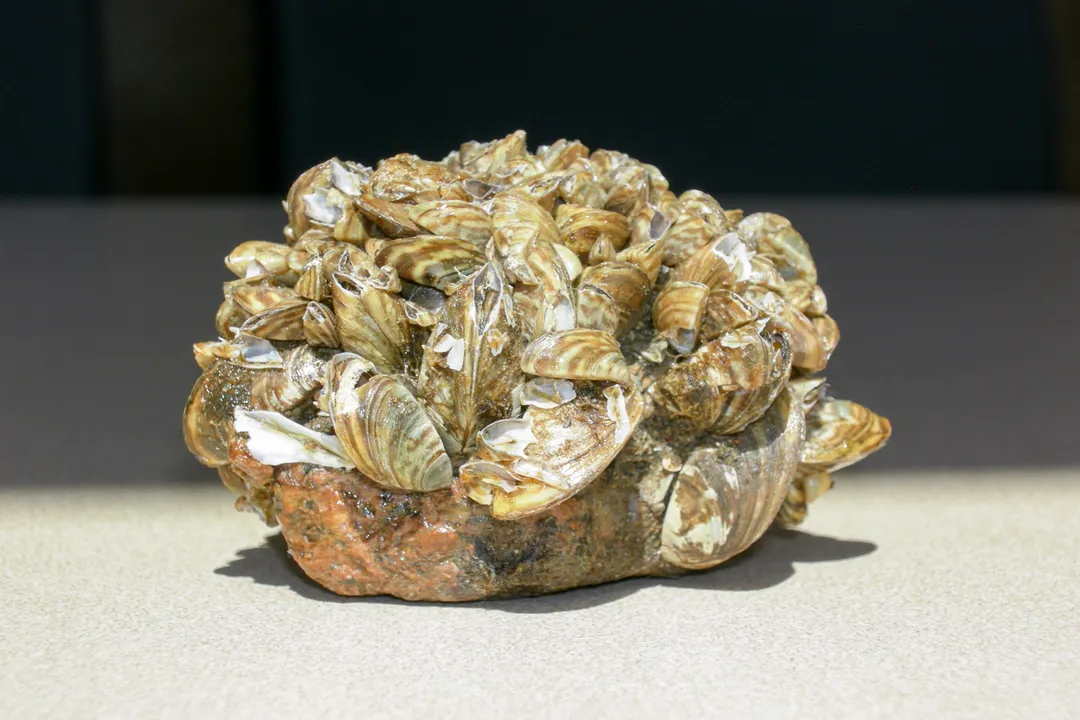
The location of a zebra mussel infestation is rarely random; it is almost always traceable back to a pathway of introduction, whether accidental or intentional. [5] This is where the concept of "location" shifts from a static map point to a dynamic pathway of spread. [6] The primary ways these organisms move from one water body to another are tied directly to human activity. [5][9]
Recreational boating remains the number one vector for spread between geographically separate lakes or rivers. [5][9] A boat hull, trailer, anchor, or fishing gear pulled from an infested lake carries the adult mussels, their hard-shelled young, or their microscopic larvae. [5][6] If that equipment is subsequently launched into a clean lake, the infestation process begins anew. [9] This process highlights a key difference in risk assessment: a large shipping vessel is responsible for continental introduction, but a weekend fisherman’s poorly cleaned kayak is responsible for introducing the species to a small, isolated mountain lake. [1]
Considering this vector dependency, an original consideration for local water managers is not just mapping where they are, but mapping traffic flow. For example, tracking the number of trailered boats moving from a known infested lake (like Lake George) to a nearby, uninfected system (like a smaller reservoir) provides a quantifiable risk assessment that a simple static map of presence/absence does not. [7] If Lake A sees 500 boat movements per month into Lake B, but Lake C only sees 5, the immediate threat level to Lake B is demonstrably higher, regardless of proximity alone.
# Habitat Preferences
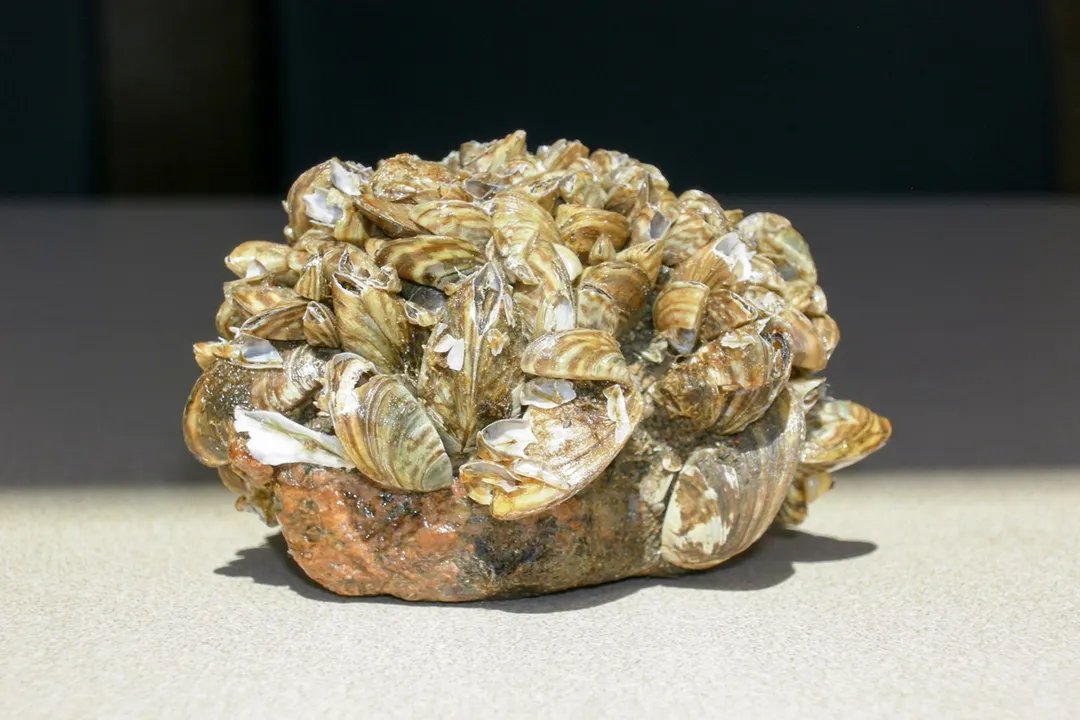
Once a mussel arrives in a new system, its long-term location—its preferred microhabitat—is governed by its biology. [1] Zebra mussels strongly prefer to attach themselves to hard, stable substrates in shallow, well-lit, flowing water. [1] This means that in a typical lake environment, you are most likely to find dense colonies clustered on rocks, sunken wood, boat hulls, submerged infrastructure (like water intake pipes or docks), and the shells of other mussels. [1][4] They are rarely found burrowed deep in soft mud, distinguishing them somewhat from the quagga mussel, which exhibits a stronger tendency to colonize soft sediments, sometimes leading to denser populations on the lake bottom far from the shoreline. [3][8]
This attachment preference creates tangible problems, such as restricting water flow through industrial or municipal intake pipes, a significant issue in populated areas near major water sources. [4] Furthermore, while zebra mussels tend to colonize in the upper water column due to their light requirements and substrate preference, an area suffering from a heavy quagga invasion might show a heavier concentration of biomass along the benthic zone, necessitating different remediation strategies depending on the dominant species present. [3] This difference in depth and substrate preference means that even when both species are present in the same lake, their impact on human infrastructure and the native ecosystem manifests in distinct physical locations within that water body. [3]
# Ongoing Spread Dynamics
The map of zebra mussel locations is not fixed; it is constantly expanding as long as viable vectors exist and uninfected waters remain. [6] Management efforts rely heavily on early detection and rapid response protocols tailored to the specific geography of the region. [9] For example, in areas surrounded by dense recreational use, decontamination stations at boat launches become the primary defense line. [5] In areas near major shipping channels, monitoring for larval stages in the water column might take precedence. [1] The establishment of a new location serves as an immediate alert for surrounding, connected waters, prompting increased vigilance and water testing in those neighboring areas. [5][9] The continuing challenge is keeping pace with the spread driven by hidden larvae or microscopic transport mechanisms that are harder to track than the boats themselves. [5]
Related Questions
#Citations
zebra mussel (Dreissena polymorpha) - Species Profile
Zebra mussel - Wikipedia
Zebra and Quagga Mussel - NYIS - New York Invasive Species
Invasive Zebra Mussels (U.S. National Park Service)
[PDF] Zebra Mussels Fact Sheet - NH.gov
Zebra Mussel (Dreissena polymorpha) | U.S. Fish & Wildlife Service
Zebra Mussel - Lake George Association
Quagga & Zebra Mussels - Center for Invasive Species Research
Zebra Mussels | Vermont Fish & Wildlife Department