Zebra Mussels Scientific Classification
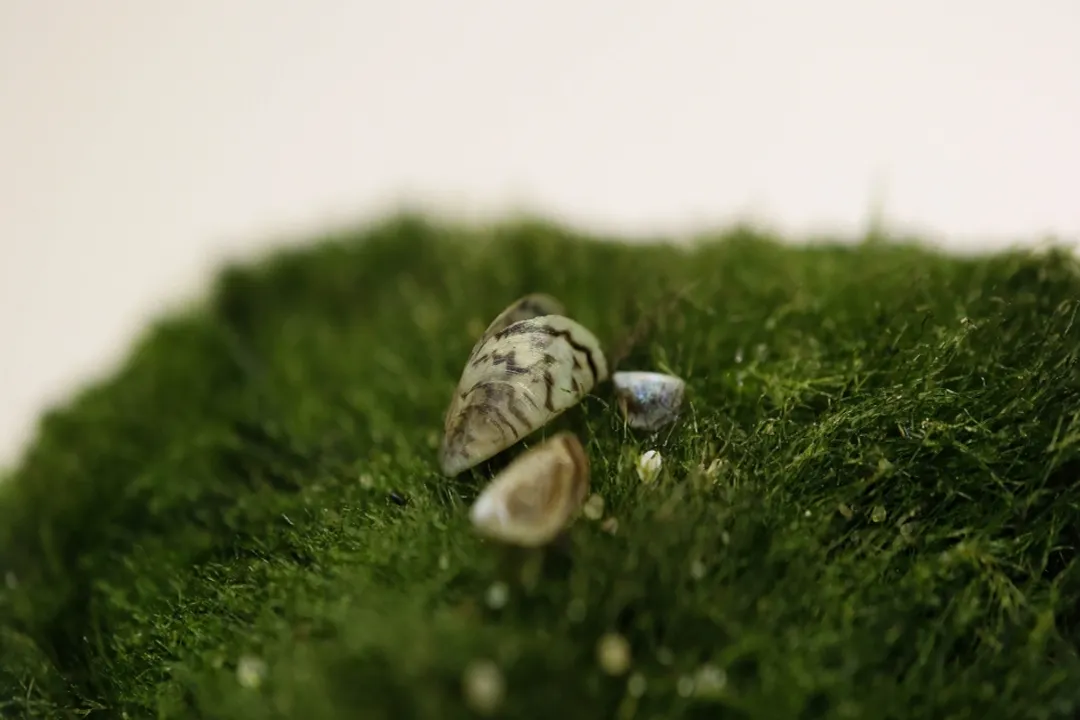
The formal designation of the Zebra Mussel, Dreissena polymorpha, is the key to understanding its origin, behavior, and the challenges it presents as a highly successful invasive species across North America. When we delve into its scientific classification, we are essentially tracing its evolutionary tree, which reveals why this small, striped bivalve has become such a significant ecological and economic concern in freshwater systems worldwide. Unlike common names, which can shift depending on region or local dialect, the Linnaean system provides a universal language for researchers, managers, and boaters to discuss this specific organism accurately.
# Binomial Name
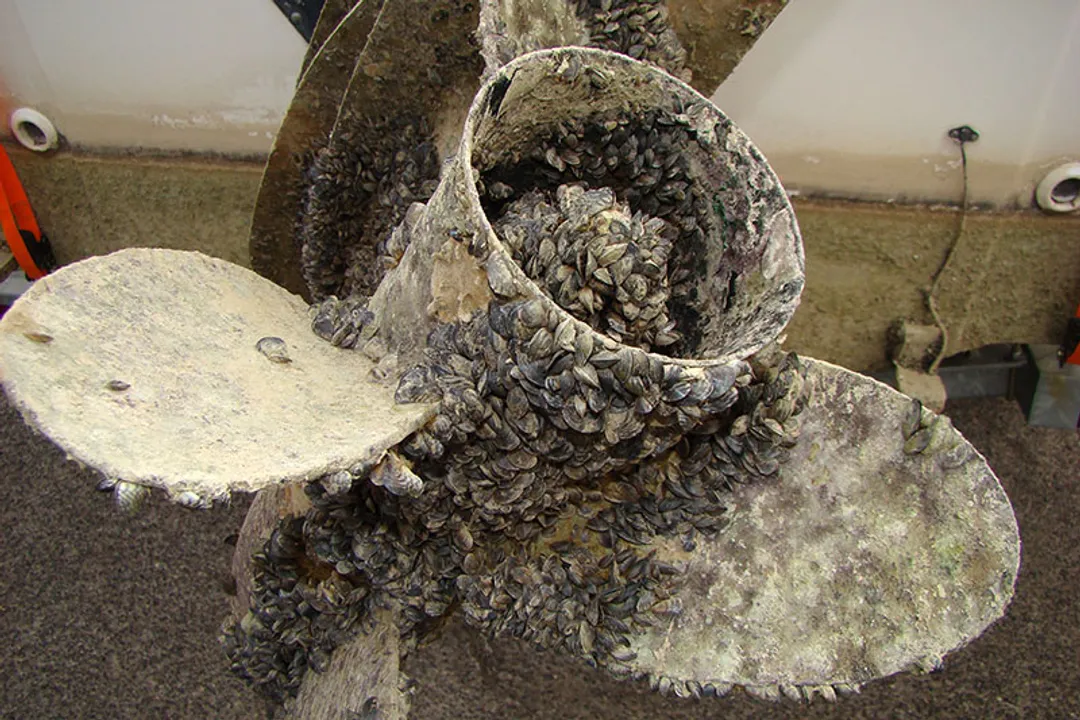
The core identifier for this creature is its binomial name: Dreissena polymorpha. This two-part naming system, established by Carl Linnaeus, consists of the genus name, Dreissena, and the specific epithet, polymorpha. The genus, Dreissena, groups together closely related species, while the specific epithet distinguishes D. polymorpha from others within that genus. The name polymorpha itself offers a clue to one of the mussel's notable characteristics: its varied shape and color, which can differ based on habitat conditions, a trait often noted by observers. While its classification as a pest is widespread, understanding that it is not native to North America is crucial; it originated in Eastern Europe and Western Asia.
# Kingdom Placement
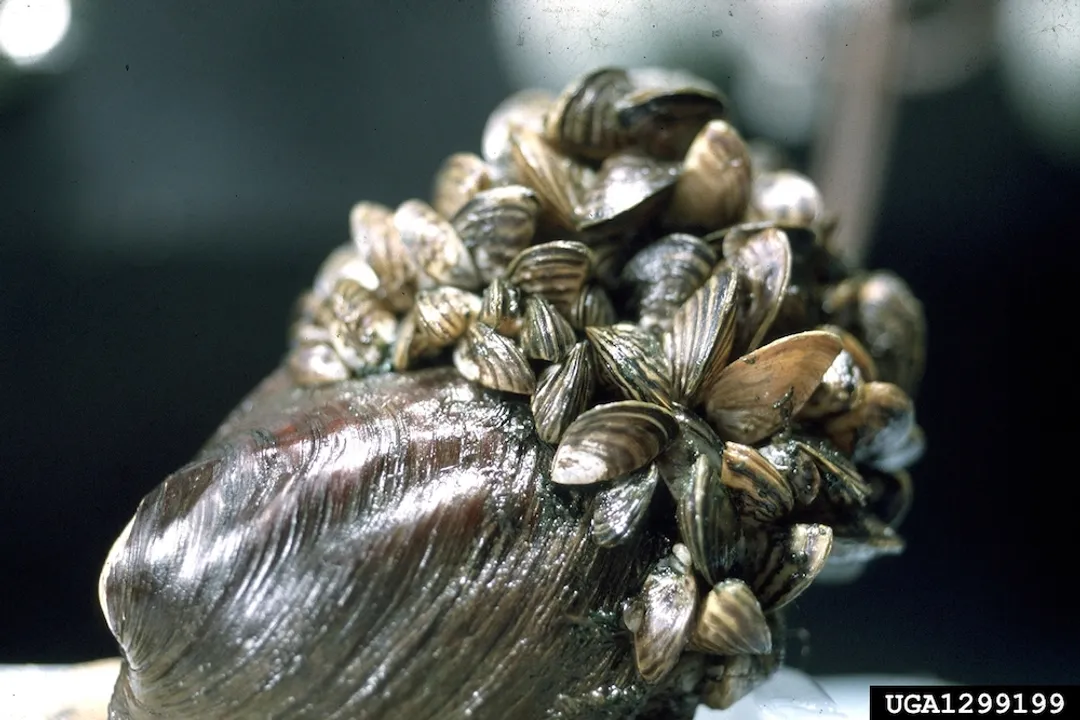
Tracing the classification upward from the species level places the Zebra Mussel firmly within the larger biological groupings that define its fundamental nature. It belongs to the phylum Mollusca, a group renowned for its diversity, which includes snails, slugs, squid, and octopuses. Within Mollusca, Zebra Mussels are further defined as belonging to the class Bivalvia. This classification immediately tells us several things about the organism: it possesses a hinged, two-part shell, which is evident when one finds these mussels attached to hard surfaces. For a general reader, recognizing this placement helps contextualize its physiology; like other bivalves, its primary mode of interaction with the water column is filter feeding.
By synthesizing the known ranks, we can construct a partial taxonomic profile that helps frame discussions about its biology:
| Taxonomic Rank | Classification | Notes |
|---|---|---|
| Kingdom | Animalia | Multicellular organism. |
| Phylum | Mollusca | Soft-bodied invertebrates. |
| Class | Bivalvia | Two-part shell, filter feeders. |
| Genus | Dreissena | Group containing freshwater mussels. |
| Species | D. polymorpha | The specific invasive type. |
It is worth noting that while the sources confirm its place as a mollusk and bivalve, the specific details for the Order and Family are often assumed knowledge in management literature but are necessary components for a complete scientific portrait. For instance, knowing they belong to the family Dreissenidae separates them taxonomically from native North American freshwater mussels, which typically belong to the family Unionidae. This subtle difference in family classification reflects significant distinctions in reproductive strategy and physiological tolerance that drive their invasive success.
# Naming Confusion
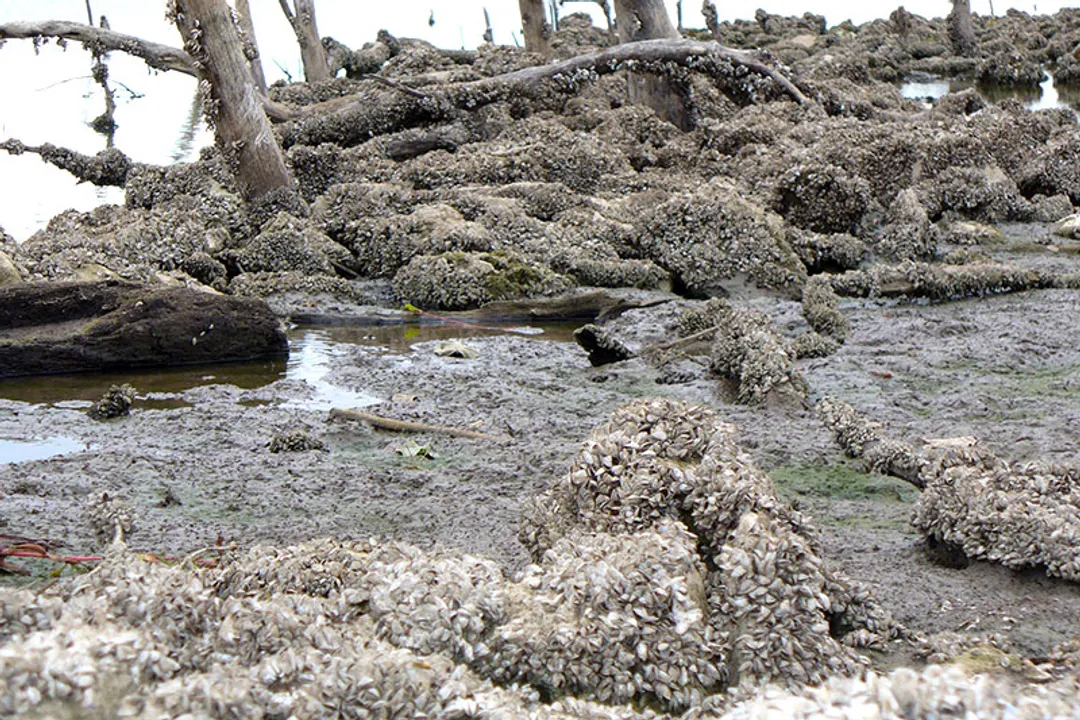
The reliance on the formal scientific name becomes critical when considering the sheer number of common aliases attached to D. polymorpha. In various regions, people might refer to them simply as "zebra mussels," but they are also frequently called "quagga mussels" in contexts where confusion with the closely related Quagga Mussel (Dreissena rostriformis bugensis) might occur, though technically these are distinct species. Other, less precise terms might be used locally, but the scientific name remains the single, unambiguous reference point. If a resource manager in Minnesota reports an infestation, that data must be universally understood by an official in Wisconsin or the Great Lakes region, and only Dreissena polymorpha guarantees that shared understanding. This avoids the pitfalls of regional terminology that can obscure the true extent of a biological threat.
# Ecological Identity
Understanding the classification of D. polymorpha as a member of the family Dreissenidae, rather than the native Unionidae, is not just an academic exercise; it speaks directly to its destructive capacity. Native freshwater mussels are generally slow-growing and long-lived, adapted to stable, established ecosystems. Zebra Mussels, however, are characterized by rapid reproduction, short lifespans, and a planktonic larval stage known as the veliger.
This classification difference allows for a key insight into their spread: the veliger stage, being microscopic and free-swimming for weeks, acts as a perfect vector for long-distance transport via currents or, more significantly, in the ballast water or on the hulls of recreational boats. A native mussel species in North America has evolutionary constraints that prevent this type of massive, waterborne dispersal across state lines in a single season. When an agency tracks the spread of Dreissena polymorpha, they are tracking the movement of a highly adapted non-native life strategy. Their ability to colonize hard substrates like pipes, docks, and boat motors is a consequence of this non-native success story.

# Functional Grouping
The classification of Zebra Mussels as filter feeders places them in direct functional competition with many other aquatic organisms. They are highly efficient at removing phytoplankton and other particles from the water column, which dramatically alters water clarity and nutrient cycling in affected lakes and rivers.
Consider the sheer biomass they can achieve. A single square meter of suitable substrate in a high-density area can host tens of thousands of individuals. If we calculate the filtering capacity: assuming an average adult mussel filters perhaps half a liter of water per day, a dense mat covering just one square kilometer of lake bottom—if uniformly distributed across the top meter of water—could process the entire volume of that square kilometer's surface layer several times over in a short period. This intense filtering removes the base of the aquatic food web, impacting zooplankton and, consequently, the fish that rely on them. This is a primary mechanism of ecosystem disruption that flows directly from their identity as extremely effective bivalve filter feeders. While native bivalves are important components of ecosystem services, their lower densities and different physiological tolerances mean they do not exert this level of systemic control over water quality.
# Management Implications
Knowing the scientific classification directly informs management decisions, which is perhaps the most practical application of taxonomy for the general public. For instance, management protocols must account for the fact that D. polymorpha can survive for significant periods out of water if kept cool and moist, a trait that demands specific decontamination procedures for boats and equipment. If a boat is pulled from infested waters, the procedure isn't just about rinsing off visible adults; it must address the possibility of microscopic, attached veligers or attached adults hidden beneath barnacle-like clusters. An effective response checklist, therefore, must be built around the known life history stages implied by its classification: drain all water, clean all surfaces of visible material (adults/juveniles), and dry or chemically treat the surfaces to kill any remaining larvae or attached individuals.
The scientific understanding reinforces the need for vigilance that goes beyond simply recognizing the familiar striped shell. When managers discuss "aquatic invasive species" (AIS), the precise identity—Dreissena polymorpha—ensures that the strategies deployed are tailored to counter the specific biology of this highly successful invader rather than a generalized threat, ensuring that valuable resources are not wasted on treatments effective only against other groups of organisms.
Related Questions
#Citations
Zebra Mussel (Dreissena polymorpha) | U.S. Fish & Wildlife Service
zebra mussel (Dreissena polymorpha (Pallas, 1771)) - Invasive.Org
zebra mussel (Dreissena polymorpha) - Species Profile
Zebra Mussel | North Dakota Game and Fish
Dreissena polymorpha - Marine Invasions research at SERC
Zebra Mussel - Finger Lakes PRISM
Zebra Mussel | (Dreissena polymorpha) - Wisconsin DNR
Zebra Mussels | Omaha Marine Center Nebraska
Zebra mussel (Dreissena polymorpha) | Minnesota DNR