Zebra Mussels Diet
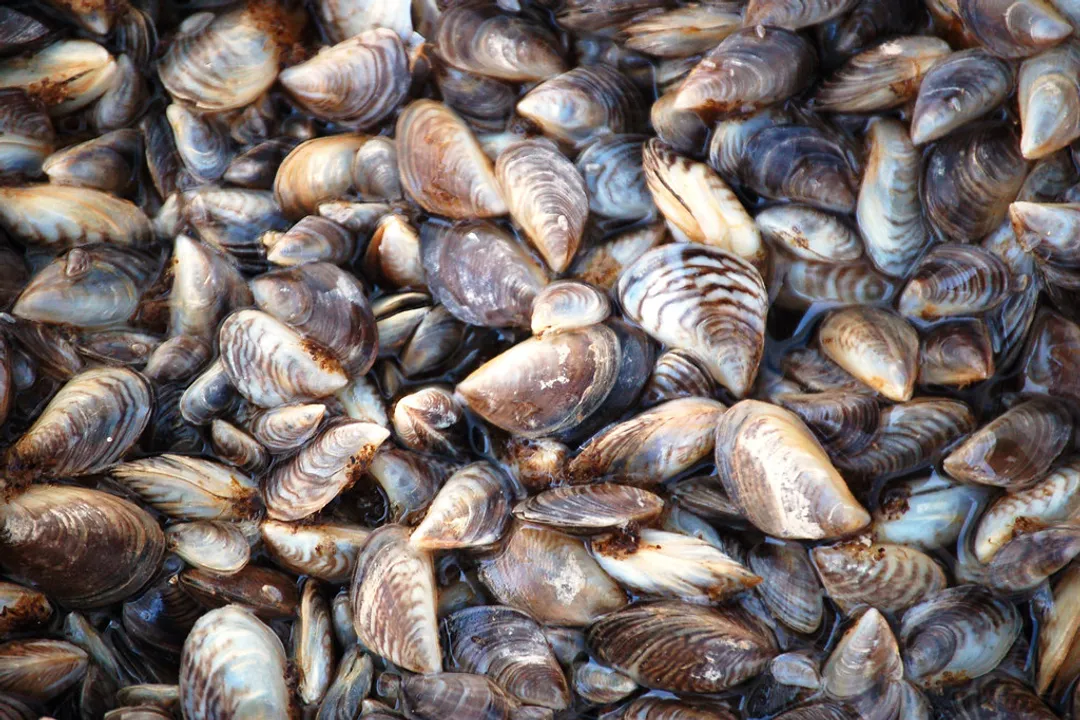
This small, deceptively patterned creature, the zebra mussel (Dreissena polymorpha), is an ecological powerhouse whose feeding habits have reshaped entire aquatic ecosystems across continents. [1][2][6] To understand the scale of the invasion wrought by these mollusks, one must first grasp the sheer efficiency of their diet. They are not passive grazers; they are highly specialized, relentless water purifiers whose primary mode of sustenance is a relentless, high-volume filtering process. [8][9]
# Filter Mechanics
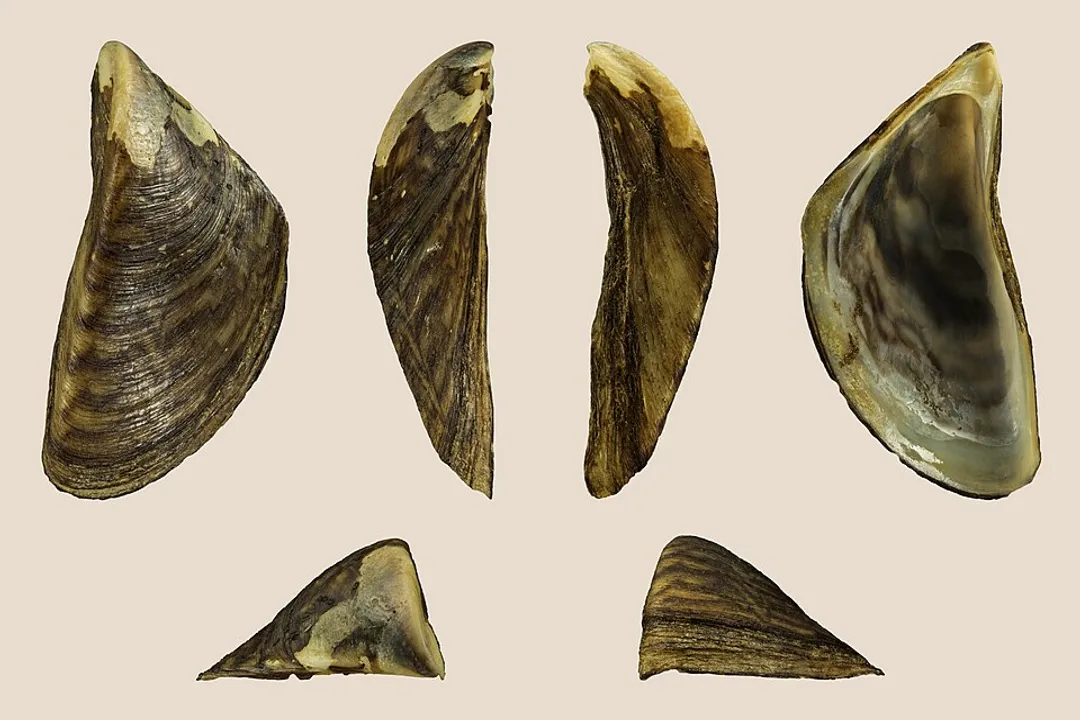
The method by which a zebra mussel consumes food is fundamental to its success. [6] They are classified as bivalve filter feeders, meaning they draw water in through an incurrent siphon and expel it through an excurrent siphon after extracting nutrients. [2][9] This feeding action is constant when conditions are favorable, such as when the water temperature is above freezing and the organism is active. [3]
Inside the mussel's mantle cavity lies a complex gill system designed for particle separation. This system acts like a highly specialized sieve. [6] The zebra mussel is particularly adept at capturing particles within a specific size range, often cited as being between approximately 2 and 40 micrometers in diameter. [6][9] This specific size preference is a key factor dictating what they remove most effectively from the water column. [9]
While phytoplankton and zooplankton form the bulk of their nutritional intake, the filtering apparatus is not entirely exclusive. [1][6] They also ingest detritus—the decaying organic matter suspended in the water—and other microscopic particles. [6] However, the primary nutritional draw comes from the living microscopic plants and animals that form the base of the aquatic food web. [8]
# Primary Diet
The planktonic community serves as the main buffet for zebra mussels. [1] Phytoplankton, the microscopic algae that float in the water column and form the primary producers in many aquatic systems, are a major food source. [2][9] Equally important are zooplankton, the tiny animals that feed on phytoplankton, providing a secondary, protein-rich target for the mussels. [1][8]
It is important to recognize that the diet of the zebra mussel is highly dependent on local conditions and resource availability. [9] In the Great Lakes or invaded river systems of North America, the specific species of plankton available will dictate the exact composition of their diet. [4] For instance, in environments where certain species of desirable, large phytoplankton bloom, the mussels will thrive on that readily available, high-energy food source. [2] When high concentrations of these primary producers are present, the mussels can achieve rapid growth rates and reach high population densities. [3]
One interesting observation, which speaks to their opportunistic nature, is that when preferred food sources become scarce, they will consume smaller or less nutritious particles, including detritus, simply to keep their filtration system running and their energy reserves from depleting entirely. [6] This ability to subsist on lower-quality food sources, even temporarily, is another aspect of their ecological hardiness.

# Filtration Capacity
The sheer volume of water processed by a single zebra mussel, and subsequently by a dense colony, is staggering and is what causes their most dramatic ecological effects. [7] A single adult mussel is capable of filtering an astonishing amount of water each day. [3] Estimates commonly place this capacity between one and two liters of water per day under ideal conditions. [3][9]
To put this into perspective, imagine a small city aquarium holding 50 gallons of water. A few hundred adult zebra mussels could theoretically pass that entire volume through their systems every 24 hours. [9] When you scale this up to a large, infested bay or lake, the cumulative effect is massive water clearance. [7]
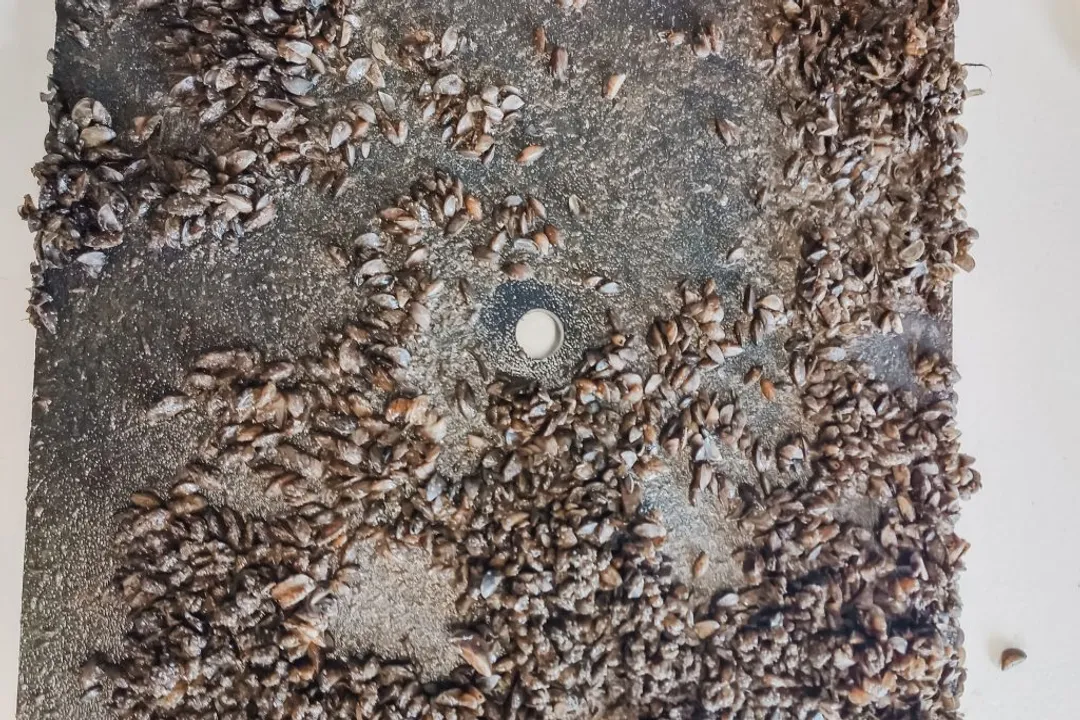
If we consider a relatively modest infestation density—say, 10,000 mussels per square meter of substrate, a density often observed in heavily colonized areas—the biomass performing this filtration task is immense. [4] This constant processing fundamentally alters the physical and chemical properties of the water. The direct consequence of this hyper-efficient feeding is increased water clarity. [2][7] While clearer water might sound beneficial to human recreation, this clarity is a sign of massive ecological disruption.
This leads to an area requiring careful consideration for those living near or managing affected waters. Because zebra mussels concentrate particles from the water into their tissues, they essentially act as a biological mechanism for bioaccumulation. While general facts suggest that many small organisms are edible, the edibility of zebra mussels for human consumption is complex and highly debated. [5] Any foraging attempt must account for what the mussels were feeding on. [5] If the water body they inhabit has accumulated pollutants, toxins, or harmful algal blooms—substances that are not filtered out but instead concentrated—the mussels can become hazardous to consume. [5] Therefore, while they are capable of processing a diet that includes certain types of algae, consuming them without rigorous, up-to-date testing of the local water body is a significant risk, as toxins can build up within the mussel tissue. [5]
# Ecological Shift
The zebra mussel's diet directly translates into a profound restructuring of the aquatic food web, primarily by interfering with the energy transfer from primary producers to native consumers. [9] By efficiently stripping out phytoplankton and smaller zooplankton, they starve out native filter feeders that rely on those same food sources. [2][7] For example, native clams, mussels, and many species of larval fish depend on the phytoplankton and suspended organic matter that the zebra mussels are aggressively consuming. [9]
The shift in water clarity also has secondary effects. Historically, much of the lake's energy transfer occurred within the water column (pelagic zone). When zebra mussels clear the water, sunlight penetrates deeper. [7] This allows submerged aquatic vegetation to grow in areas where it couldn't before, fundamentally changing habitat structure near the shoreline. [2]
Furthermore, the mussels excrete pseudofeces—material they reject after testing it—which is rich in nutrients. [9] This rejected matter is often composed of larger, less digestible particles that sink to the bottom sediment. This process shifts energy storage from the water column to the lakebed, favoring benthic (bottom-dwelling) organisms over pelagic ones. [9] This redirection of energy flow is a critical, often overlooked, consequence of their feeding habits. If one were tracking the energy budget of a system undergoing invasion, one could potentially track the steep drop in plankton biomass coupled with a corresponding rise in benthic invertebrate biomass and an increase in near-shore rooted plant density, all driven by the mussels' dietary habits. [7] This dietary preference effectively reroutes the entire lake's nutritional output.

# Particle Size Implication
The fact that zebra mussels preferentially consume particles in the 2 to 40 micrometer range offers a niche insight into their impact. [6] This range often excludes larger, more nutritious phytoplankton species, meaning the mussels are selectively removing the most valuable, easily digestible energy packets available to the ecosystem. [9] While they are eating something, they are often removing the best-quality fuel for the native species.
If we were to perform a simple theoretical calculation based on established data, a colony of mussels filtering 1.5 liters per day could theoretically process the equivalent of a small municipal swimming pool's worth of water daily. [3] If that water contains of desirable 10 phytoplankton (a relatively common concentration), a single mussel removes of that resource daily. In a high-density bed covering a square meter, supporting perhaps 500 mussels, that equates to over of prime plankton removed from that square meter every day, an amount that would otherwise fuel the local food web. [4][9] This level of continuous extraction creates a massive caloric deficit for the rest of the system. [7]
In essence, the zebra mussel diet is characterized by high volume, specific size targeting, and a profound ability to decouple the primary production cycle from the rest of the aquatic community. Their simple preference for microscopic floating matter translates directly into ecosystem-wide transformation.
# Maintaining Clarity
For water managers or researchers studying invaded waterways, monitoring the diet means monitoring the plankton community structure itself. [9] When zebra mussel populations are high, monitoring efforts should shift focus from just water clarity to the quality of the remaining plankton. If testing reveals a dominance of very large algae or detritus that the mussels are rejecting, it is a strong indicator that the mussels have already consumed the most nutritionally rich, appropriately sized food, leaving behind a less valuable, energy-poor soup for native grazers. [2][6] Paying close attention to this selective removal highlights that water clarity alone is a poor indicator of ecosystem health in a zebra mussel-dominated system. The water may look beautiful, but its nutritional content has been fundamentally altered by what the mussels did eat. [7]
Related Questions
#Citations
Zebra mussels: What they are, what they eat, and how they spread
Zebra Mussels - Saint Croix National Scenic Riverway (U.S. ...
[PDF] Frequently Asked Questions about the Zebra Mussel
Invasive Species: Zebra Mussel - State of Michigan
Anyone forage and eat zebra mussels? - Reddit
Zebra mussel - Wikipedia
Zebra mussel (Dreissena polymorpha) | Minnesota DNR
[PDF] ZEBRA MUSSELS
[PDF] Zebra Mussel Fact Sheet - Cary Institute of Ecosystem Studies