Zebra Shark Diet
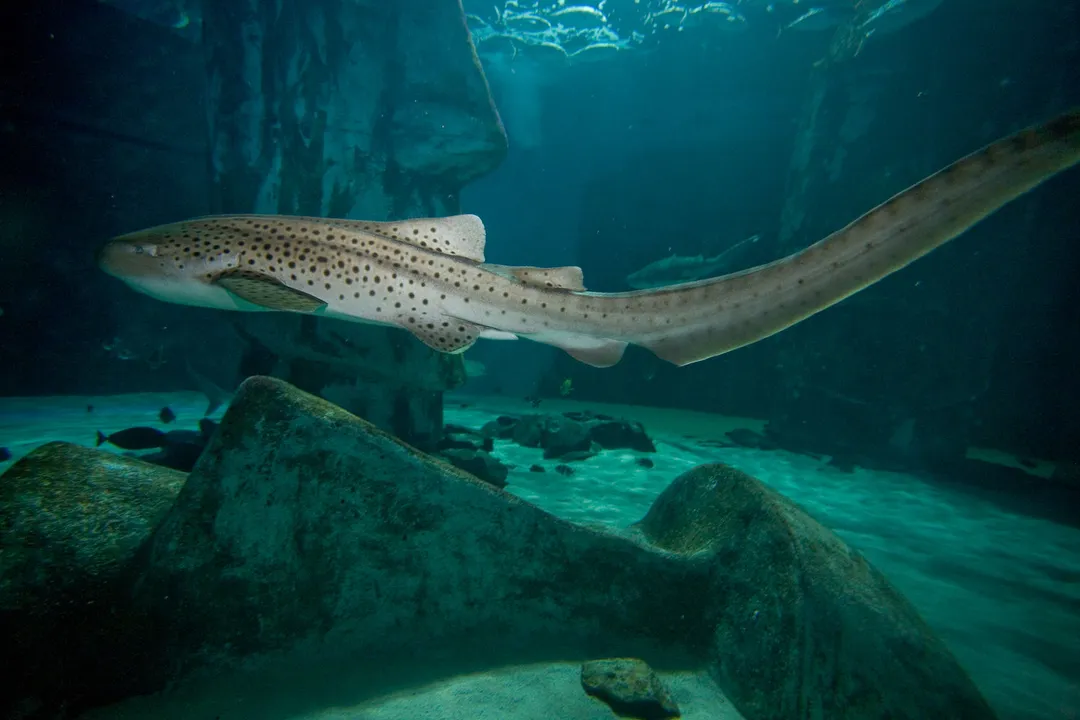
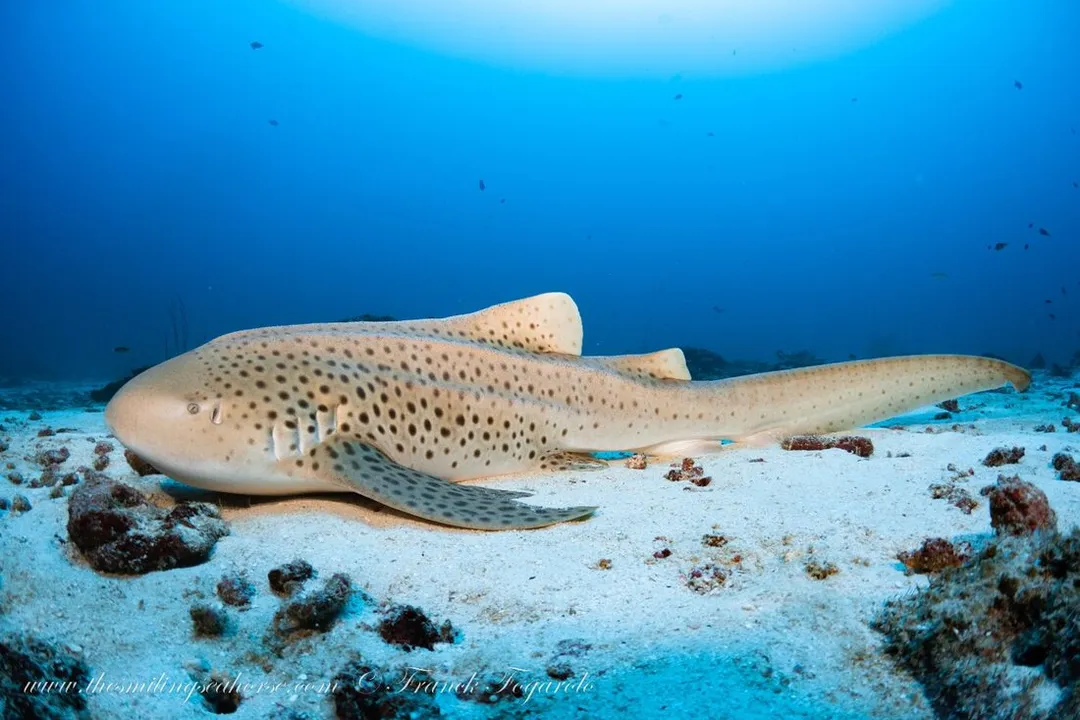
The zebra shark, Stegostoma tigrinum, presents a visual puzzle; juvenile coloration suggests a different identity from the spotted adults that cruise the shallow Indo-Pacific reefs. [1][9] While their distinctive appearance and peaceful nature often intrigue divers, understanding what sustains this slow-moving species reveals a highly specialized existence adapted to the reef floor. [5][7] This shark does not rely on high-speed pursuits or large, open-water catches. Instead, its diet is a curated selection of the small, hard-to-reach inhabitants of the seabed. [3][8]
# Hunting Schedule
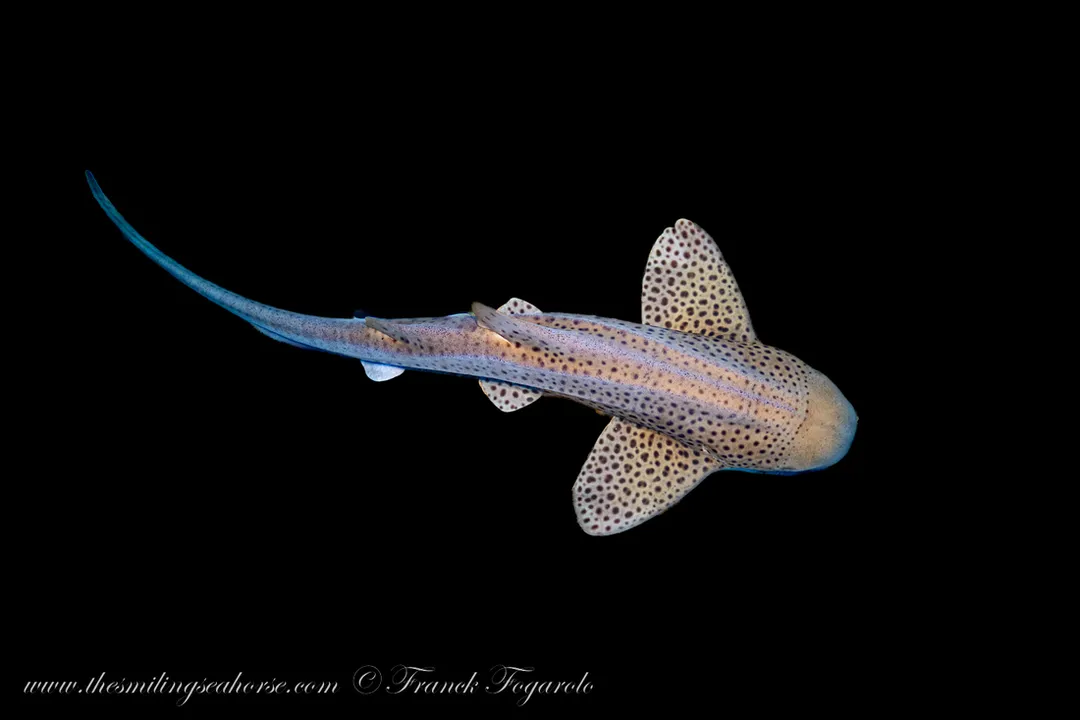
Zebra sharks operate on a schedule contrary to many of their more famous, constantly-moving relatives. They are predominantly nocturnal hunters. [1][3][5][7][8] When sunlight bathes the coral reefs, these sharks are typically found resting motionless on the sandy bottom or tucked into reef crevices. [1][5][8] This daytime inactivity is physically possible because, unlike many shark species, they possess the capability to breathe while stationary. [5][8] They achieve this by actively pumping water across their gills using specialized throat muscles, a process known as buccal pumping. [2][8]
As darkness settles, the zebra shark transitions from resting predator to active forager. [1][5] They move slowly, sinuously, allowing their slender bodies to navigate the complex reef structures where their preferred meals hide. [1][5] This nighttime activity means that observers on a typical daytime dive are only seeing the shark in its downtime, not when it is fulfilling its primary energetic needs. [1]
# Benthic Menu
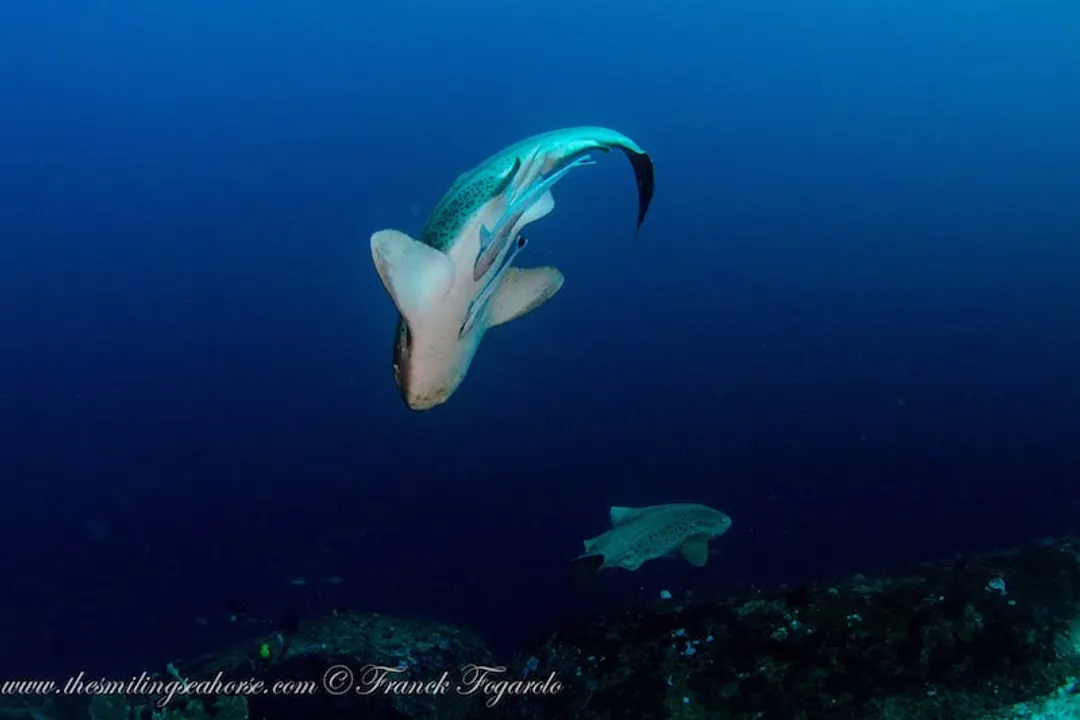
The diet of the zebra shark is perfectly aligned with its habitat—shallow coral reefs, sandy bottoms, and rocky substrates—and its nocturnal, creeping hunting style. [1][4][7][9] They are specialized carnivores, primarily targeting organisms that live on or within the seafloor. [3][8]
The bulk of their caloric intake comes from invertebrates. [3][5][7][8][10] This includes:
- Mollusks, such as snails. [1][4][5][6][8][10]
- Crustaceans, including crabs and shrimp. [1][4][5][6][8][10]
- Echinoderms like sea urchins. [1][5][6]
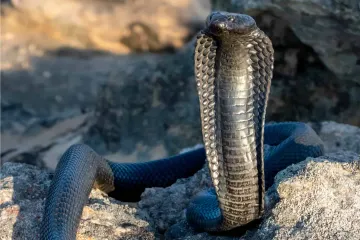
In addition to these benthic dwellers, zebra sharks also consume small fish. [3][4][6][7][8][10] Intriguingly, one source notes that their diet can occasionally include sea snakes, a prey item that suggests they are capable of confronting potentially venomous creatures in the dark recesses of the reef. [9]
It is noteworthy that while many sources list crustaceans and mollusks as staples, the specific inclusion of sea urchins and sea snakes highlights the variety of tough-shelled or slow-moving fauna they target. [1][5][9] The consumption of hard-shelled prey necessitates powerful adaptations for processing food, an area where the zebra shark excels.

# Feeding Anatomy
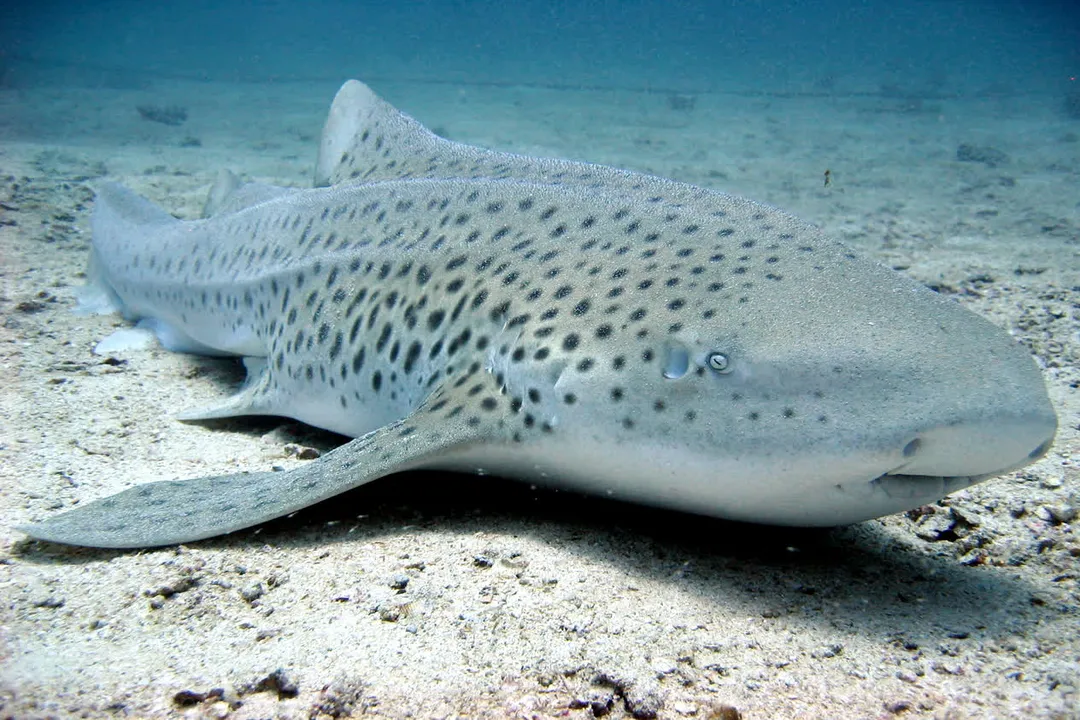
To successfully capture prey that hides within cracks, crevices, and shells, the zebra shark relies on a suite of specific physical tools rather than raw speed. [4][5]
A crucial sensory organ is the barbel—a whisker-like appendage located in front of the snout. [1][4][5][7][8] These barbels are instrumental in detecting prey hidden from sight, particularly in the dark, sandy substrate where small invertebrates burrow. [1][4] This sensory input guides the shark to its next meal.
Once the prey is located, the physical capture involves mechanical suction. Zebra sharks are equipped with a small mouth combined with strong gill muscles. [1][4] Rather than biting and tearing large pieces of flesh, they effectively use these muscles to create negative pressure, sucking the prey item—sometimes right out of its shell—into their mouths. [1][4] For prey like snails and clams that possess tough exteriors, they are equipped with strong, flat teeth capable of crushing the shells to access the soft insides. [4]
This combination of sensory barbels, suction feeding, and crushing power defines their niche as a reef cleaner, processing smaller, sessile, or slow-moving organisms that many faster predators might overlook. [8]
When considering the physics of feeding, the zebra shark’s strategy represents an energy-saving approach to predation. While large, pelagic sharks must maintain forward momentum—a constant expenditure of energy—to force oxygenated water over their gills (known as ram ventilation), the zebra shark's ability to rest and pump water means it can afford to spend hours meticulously rooting out well-hidden meals without becoming exhausted. [5][8] This lifestyle divergence suggests that they thrive best in areas with abundant, albeit hard-to-access, bottom-dwelling food sources, rather than relying on migratory fish schools. [5]
# Aquarium vs. Wild Sustenance
In managed environments like aquariums, the focus shifts from foraging to ensuring complete nutritional intake, which often results in a structured, pre-prepared diet that contrasts with the opportunistic nature of their wild feeding. [2] For example, at the Shedd Aquarium, zebra sharks are fed a measured diet consisting of squid, clams, and various fish. [2]
Because the natural activity of foraging and the varied consumption of numerous small items are absent, aquarists supplement their meals to maintain health. [2] A creative method observed in these settings involves tucking a multivitamin inside a small fish, which is then stuffed inside a squid—familiarly termed a “fish burrito”. [2][4] This practice highlights an important aspect of animal husbandry: replicating the essential micronutrients a wild animal gains through dietary diversity through controlled methods. [2][4] While a wild zebra shark might crush one snail shell, consuming one type of invertebrate, the aquarium feeder ensures it gets a balanced mix in one go. [2]
# Foraging Behavior and Diver Observation
For underwater observers, understanding the zebra shark's diet and habits offers context for respectful encounters. Since they spend their day resting, if one hopes to observe active feeding, a night dive is necessary. [5] A good way to note their presence is not just by seeing the shark itself, but by looking for the signs of its work on the reef. [1] A diver might observe sand lightly disturbed around a crevice or a small hole where the shark has recently used its powerful suction to dislodge a crab or snail. [1]
Given that they can wriggle into tight spaces to access food, their survival is tied directly to the structural integrity of the reef. [5][7] A reef flattened by destructive practices, such as bottom trawling, eliminates their primary hunting grounds and shelters for their invertebrate prey. [5] Therefore, the health of the small crustaceans and mollusks they rely on directly dictates the shark’s ability to thrive in an area, offering a subtle indicator of the overall benthic health of a specific coral location. [6][7] The zebra shark functions as a specialized bio-indicator of complex, undisturbed reef architecture. [5]
# Dietary Niche and Conservation
The zebra shark’s dietary specialization—being a suction-feeding benthivore—places it in a unique trophic niche compared to active predators. [4] They are not competing heavily with large, fast-moving sharks for schooling fish. Their slow metabolism and reliance on hard-to-reach prey mean that while they are formidable enough to deter most predators as adults, their slow reproductive rate hinders their ability to recover from large population losses. [4]
The very success of their feeding mechanism, which allows them to rest on the bottom, makes them vulnerable to specific human threats like bottom trawling, where weighted nets scrape the seafloor and destroy their habitat and food sources. [5] Furthermore, the high value placed on their fins for traditional delicacies means they are subject to intense targeted fishing pressure across their range. [5][7]
Ultimately, the quiet, nocturnal diet of the zebra shark—snails, crabs, and small fish vacuumed from the reef structure—is intrinsically linked to the preservation of the complex coral ecosystem it inhabits. [6][9] Protecting the reef isn't just about saving the corals; it’s about safeguarding the specific, dark hiding places where this docile predator finds its sustenance. [1][5]
Related Questions
#Citations
Zebra Shark - National Aquarium
Zebra shark | National Geographic
Zebra Shark | Shedd Aquarium
Facts About Zebra Sharks | SEA LIFE Orlando Aquarium
Meet the Zebra Shark also known in Thailand as Leopard Shark
Zebra shark | Animals - Monterey Bay Aquarium
Zebra Shark - Georgia Aquarium
Zebra Shark - Mystic Aquarium
Zebra shark | Mote Marine Laboratory & Aquarium
Zebra Shark - Oceana