Zebra Pleco Diet
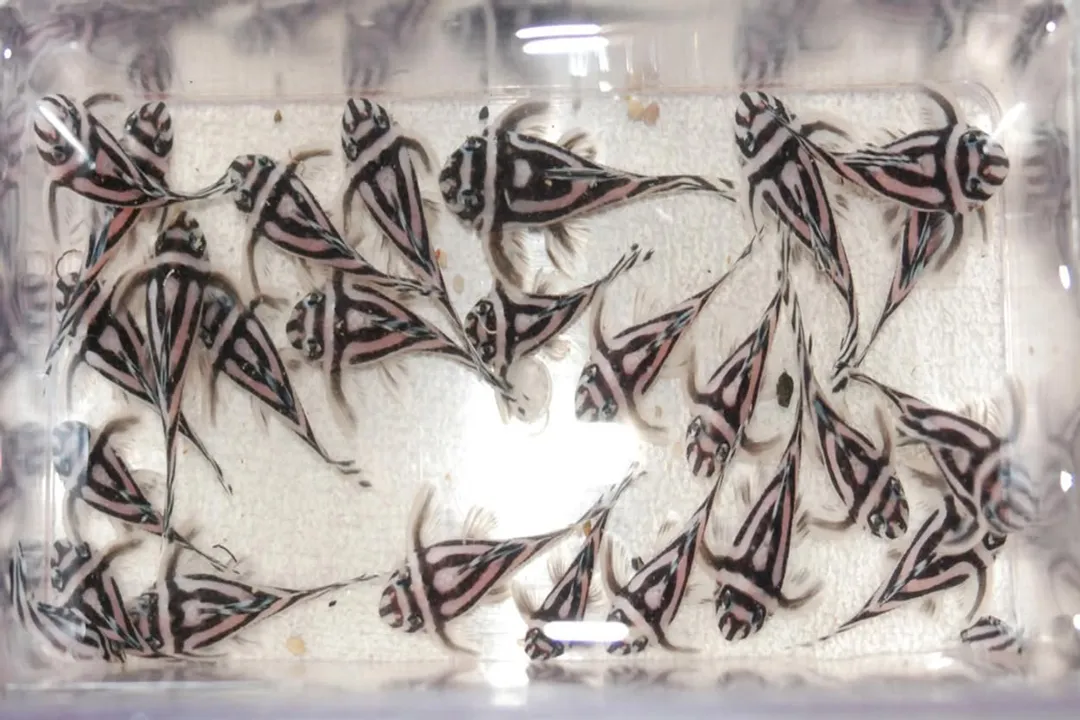
Caring for the spectacular Zebra Pleco (Hypancistrus zebra), or Hypancistrus zebra, requires more finesse than simply dropping an algae wafer into the tank. While many associate plecos with scraping green film off glass, the Zebra Pleco has specific dietary needs rooted in its natural habitat in the Xingu River basin, making diet one of the most critical aspects of its long-term health. [9][4] These fish are often described as nocturnal scavengers that prefer biofilm and detritus over heavy grazing on hard surfaces. [3] Understanding this distinction is paramount for keeping these prized catfish thriving outside of their native environment.
# Staple Foods
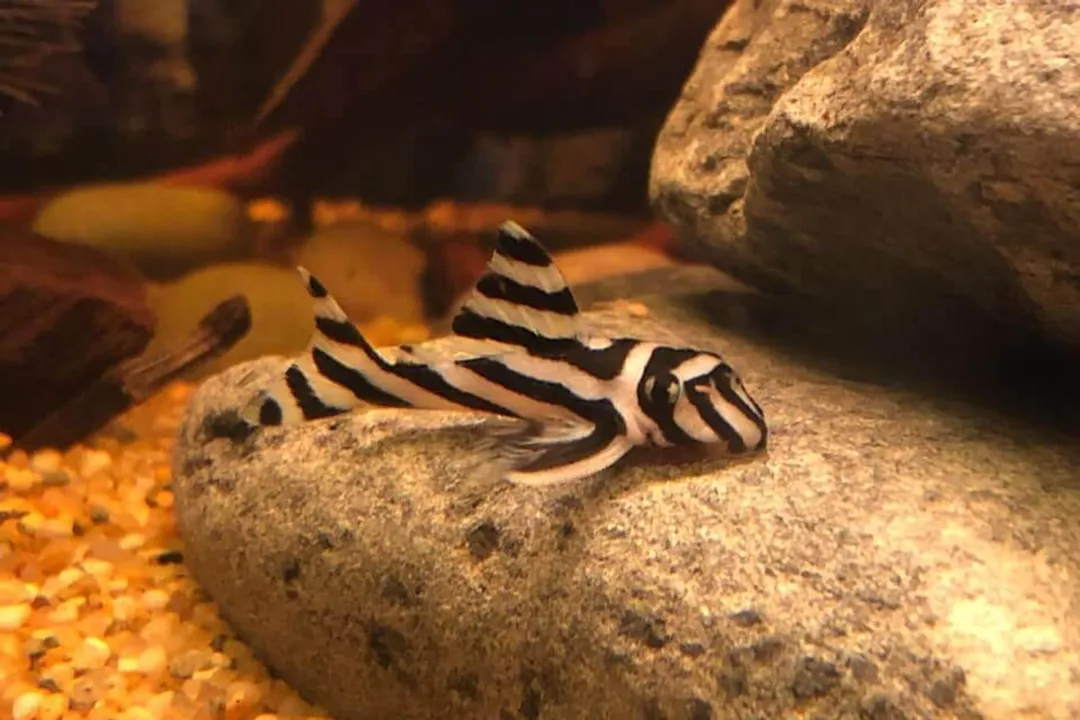
The foundation of a Zebra Pleco's diet should center around sinking foods that mimic the natural detritus and organic matter they consume. [9][4] Unlike some of their larger cousins, they are not primarily relied upon to keep algae in check; rather, they seek out softer material. [3] Sinking pellets specifically formulated for carnivorous or omnivorous bottom-dwellers are often recommended as the primary staple. [9] These should be high-quality sinking foods that break down slowly, ensuring the pleco has time to find and consume them before they pollute the water column. [2]
It is important to contrast the Zebra Pleco's needs with those of common algae-eaters. A fish like the common Pterygoplichthys species readily consumes algae sheets and firm vegetable matter, but H. zebra primarily requires detritus, biofilm, and softer components. [3][4] Some aquarists strongly advocate against relying heavily on commercially branded, algae-heavy foods for this species, suggesting that artificial binders and fillers may not provide the necessary nutritional balance. [8] This approach favors whole, natural foods where possible, reducing reliance on mass-marketed products. [8]
# Vegetable Requirements
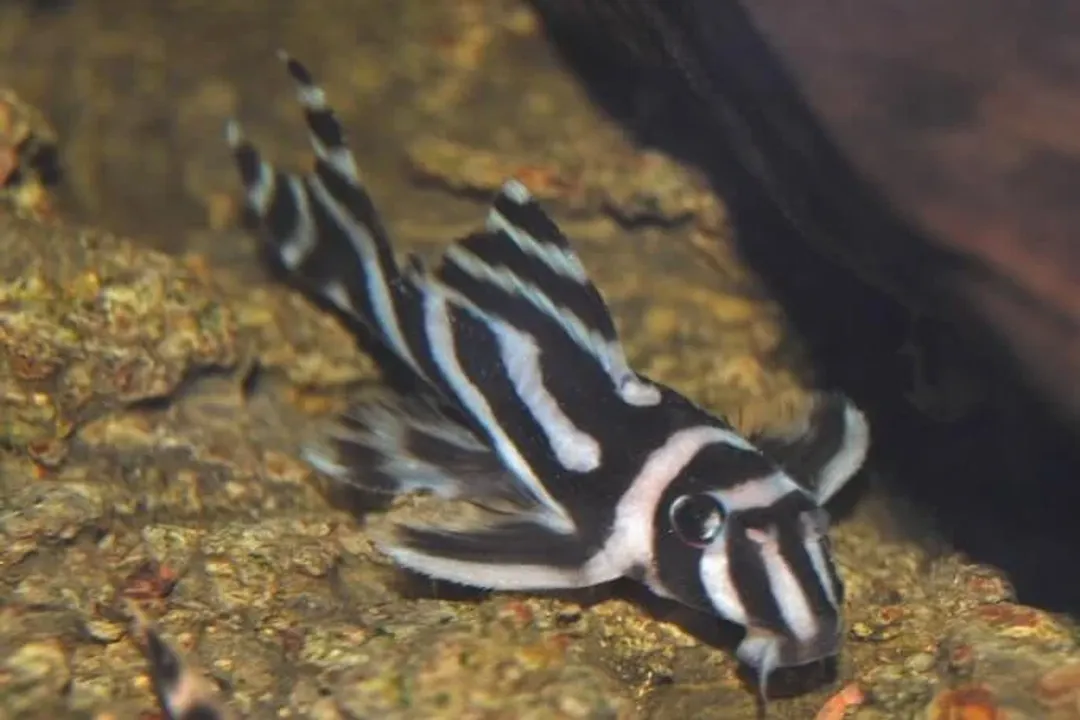
While not strictly herbivores, incorporating vegetable matter into their rotation is highly beneficial for providing necessary roughage and nutrients. [9][4] The key is variety and preparation, as these catfish are generally hesitant to graze on hard, raw vegetables that might remain untouched for days. [6]
Good options often include blanched zucchini, cucumber, or sweet potato, though these must be removed promptly after the fish have fed to prevent spoilage. [4][9] Blanching softens the food, making it more accessible and appetizing for the pleco. [6] Leafy greens such as spinach or kale, briefly blanched or lightly steamed, also make excellent additions. [4] When presenting vegetables, remember that these fish are nocturnal feeders, so introducing new food items in the evening, after the main lights have dimmed, significantly increases the chances of them finding and consuming the offering. [2]
A helpful strategy when introducing a new vegetable is to anchor it to a smooth rock or piece of driftwood using a stainless steel veggie clip. This prevents it from floating away or being hidden under substrate, making it easier for the pleco to locate in the dark, while also keeping it slightly elevated off the substrate where uneaten portions can easily foul the water. This proactive management of uneaten food is critical, as spoiled vegetable matter rapidly degrades water quality, which is particularly detrimental to sensitive catfish like the Zebra Pleco. [3]
# Protein Sources
The diet for H. zebra must include a significant protein component, confirming their classification as omnivores leaning towards carnivory in terms of nutritional requirements. [9] High-quality sinking pellets designed for loaches or catfish often fill this role adequately, provided they are rich in animal-based proteins. [7]
For supplemental protein, live or frozen foods are often suggested. Options like bloodworms, brine shrimp, or daphnia can be offered sparingly as treats or boosters. [1][7] When offering frozen foods, they must be thoroughly thawed and rinsed to remove any preservative fluids before being introduced to the tank. [1] While some experienced keepers suggest these protein boosts can be beneficial, they should not form the basis of the diet, nor should they be offered daily. [1][2] Overfeeding protein can lead to digestive issues and is often linked to higher levels of ammonia and nitrate if not consumed quickly. [7]
There is some divergence in community opinion regarding how much supplemental protein is necessary versus relying solely on high-quality sinking wafers. Some keepers maintain that a very high-quality commercial pellet, combined with a good biofilm environment, is sufficient for adult fish, while younger or stressed individuals might benefit more from regular, small offerings of frozen fare. [2]
# Feeding Routine
Establishing a consistent feeding routine is essential, especially in a community tank where the Zebra Pleco might face competition. [4][9] Because they are shy and primarily active after the main tank lights are turned off, feeding should occur late in the evening, well after the aquarium lights have been extinguished. [2][6]
A general guideline suggests feeding every day or every other day, depending on the tank's bio-load and the specific food offered. [4][9] The quantity offered should be carefully managed; only provide what the pleco can reasonably consume within a few hours. [2] If a large piece of vegetable or a substantial pellet remains untouched by morning, it should be removed to maintain pristine water conditions. [4] This careful portion control is arguably more important than the specific brand of food used, as overfeeding is a common cause of health issues in catfish. [8]
When managing feeding in a tank shared with faster-moving fish, observe their behavior. If the Zebra Pleco consistently misses out, consider placing its primary food source directly in its preferred hiding spot or using a feeding tube to deliver the food near its line of sight just after lights out. This ensures the shyer fish gets access before more aggressive bottom-dwellers arrive.

# Special Offerings
While the staple diet should remain consistent, occasional treats can be given to supplement nutrition and provide enrichment. [1] Beyond the occasional blanched vegetable or small frozen morsel mentioned earlier, some hobbyists experiment with specialized, naturally derived products. [1] For instance, small amounts of spirulina or other algae-based pastes, which can sometimes be smeared onto driftwood or the glass, can attract the pleco and provide beneficial micro-nutrients. [1]
However, extreme caution is advised with any "treat." The narrow digestive tract of H. zebra means that feeding inappropriate items, or too much of anything, can cause serious blockages or internal distress. [3] Any treat should be introduced in very small quantities initially, and one must be prepared to remove it quickly if it shows signs of being ignored or causing unease in the fish. [1] The goal is enrichment and supplemental nutrition, not filling the fish up with novelty items that displace their necessary staple foods. [8] Ultimately, the most reliable "treat" for a Zebra Pleco is a clean, thriving environment that naturally grows sufficient biofilm between scheduled meals. [3]
# Water Quality Link
The discussion of diet cannot be separated from water parameters, as feeding practices directly impact the aquarium's chemical balance. [3] Uneaten food, whether it's a soft vegetable or a sinking wafer that breaks down too quickly, decomposes and contributes heavily to ammonia and nitrate spikes. [7] Given the Zebra Pleco's sensitivity—they require clean, well-oxygenated water comparable to their fast-flowing river origins—poor dietary management rapidly translates into health crises. [4][9] Effective filtration and diligent removal of detritus are therefore non-negotiable components of a successful feeding strategy. [3] A healthy diet relies on a healthy environment, and vice versa.
#Videos
What I feed my Zebra Pleco - It's not what you think! - YouTube
My Top 5 Zebra Pleco Foods - YouTube
Related Questions
#Citations
Zebra Pleco Diet & Treats - General Chat - Aquarium Co-Op Forum
what food is best for zebera plecs ?? - ZebraPleco.com
Zebra pleco care? - Reddit
Zebra Pleco Care - Hypancistrus Zebra - Fish Lore
The Ultimate Guide to Zebra Pleco Care: Habitat, Feeding, Health ...
What I feed my Zebra Pleco - It's not what you think! - YouTube
feeding Zebra plecos - PlanetCatfish.com
Our approach for Feeding plecos. Why we dont use branded food
Zebra Pleco 101: Care, Size, Breeding & More! - Aquarium Source