When is the Zebra Spitting Cobra described as being primarily active when hunting?
Answer
Nocturnal
A critical aspect defining the feeding strategy of the *Naja nigricincta* is its temporal activity pattern when seeking meals. The species is characterized as being primarily nocturnal during its hunting activities. This nighttime schedule suggests an adaptation where its preferred prey items are often most vulnerable or active after the sun sets. For instance, rodents, a major food source, frequently exhibit nocturnal behavior, creating a perfect synchronization between the predator's active time and the prey's vulnerability. This specialization allows the cobra to capitalize on the reduced activity or heightened vulnerability of its targets during darkness.
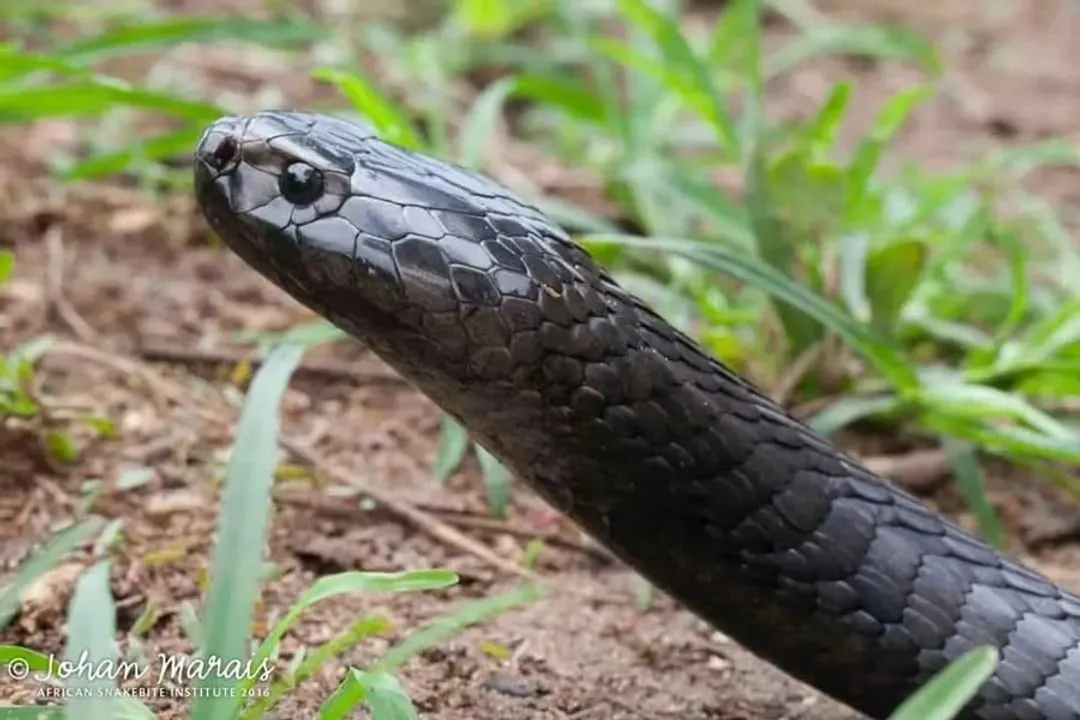
Related Questions
Which three main categories constitute the bulk of the *Naja nigricincta*'s menu?When is the Zebra Spitting Cobra described as being primarily active when hunting?Besides mammals, birds, and amphibians, what reptilian element is recorded as part of the *Naja nigricincta*'s consumption?Which primary prey item aligns perfectly with the *Naja nigricincta*'s nocturnal hunting schedule?How does the generalized diet of *Naja nigricincta* affect its survival during a dry spell decimating amphibian numbers?What is the potential consumer level of the Zebra Spitting Cobra when it eats a frog that consumes insects?What is the common practice for the primary staple diet in the captive care of *Naja nigricincta*?What technique relies on the *Naja nigricincta*'s ground-dwelling nature for feeding success?What advantage does finding eggs offer the *Naja nigricincta* compared to hunting active prey?What specialized sense is suggested by the *Naja nigricincta*'s broad inclusion of diverse prey types?