Zebra Diet
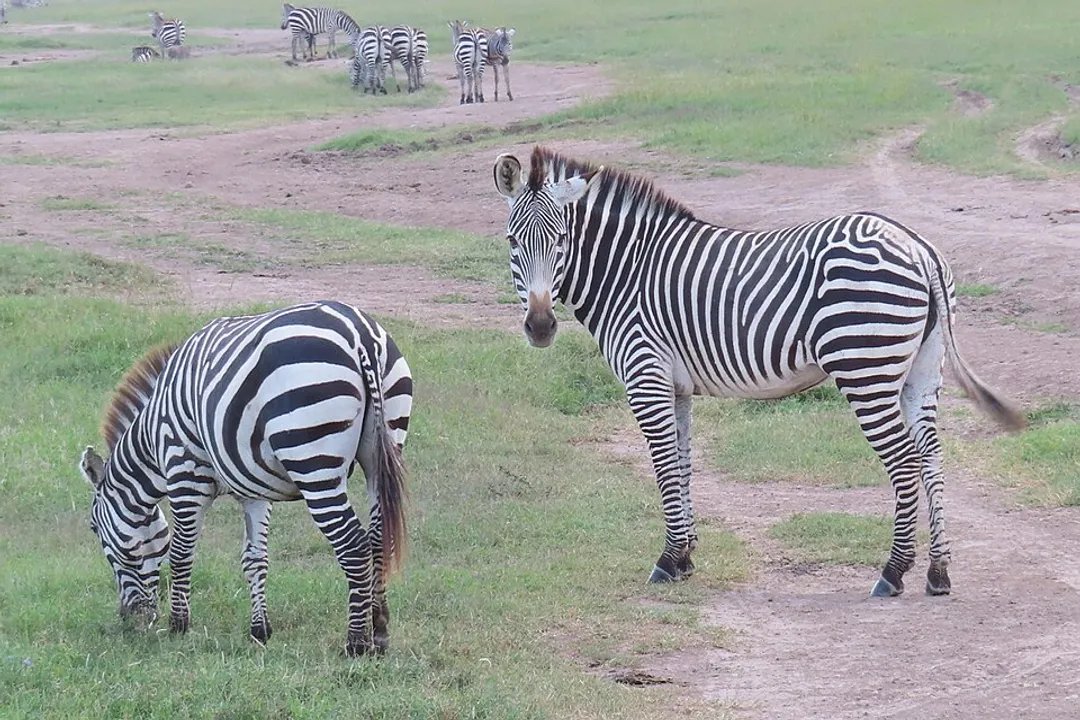
Zebras are instantly recognizable by their striking black and white stripes, but their survival in the often harsh African grasslands hinges entirely on what they put in their stomachs. These equids are firmly classified as herbivores, meaning their diet is composed exclusively of plant matter. [2][5] Unlike specialized feeders, the zebra's success in its varied habitats—from open savannas to scrublands—stems from a generalist approach to plant consumption, though preferences certainly exist depending on the species and the immediate availability of forage. [3]
# Grazing Animals
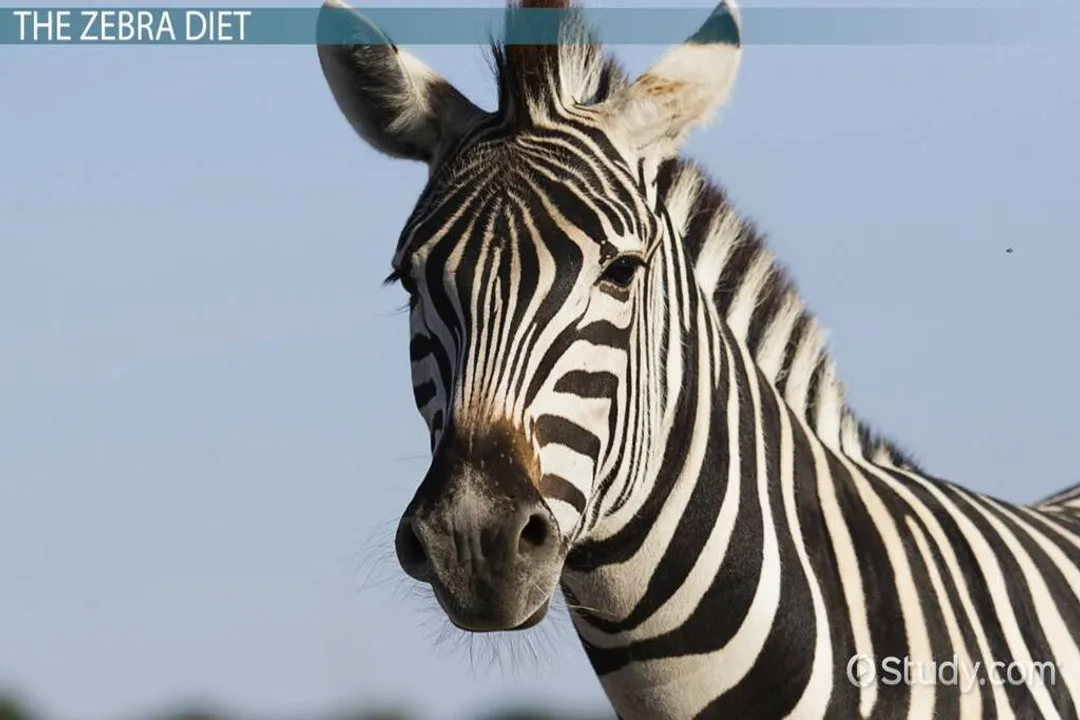
The overwhelming majority of a zebra’s caloric intake comes from grasses, making them primarily grazers. [2][3][5] A zebra spends a significant portion of its active day dedicated to feeding, typically grazing for several hours, resting or ruminating, and then returning to graze again. [2] This continuous effort is required because, despite eating large volumes, the nutritional quality of their staple food is often low. For instance, the plains zebra, the most widespread species, is known to consume medium to tall grasses in its diet. [3]
The sheer volume of plant material required is staggering. To sustain their body weight on vegetation that might only yield 1-2% crude protein and 40-50% crude fiber, they must ingest massive quantities daily. [3] This bulk feeding strategy means that when high-quality, fresh, short grasses are available, they are preferred, but the zebra is equipped to survive when only tougher, older material remains. [3] This ability to utilize less desirable forage is a critical factor in its ecological success across diverse landscapes.
# Grass Quality
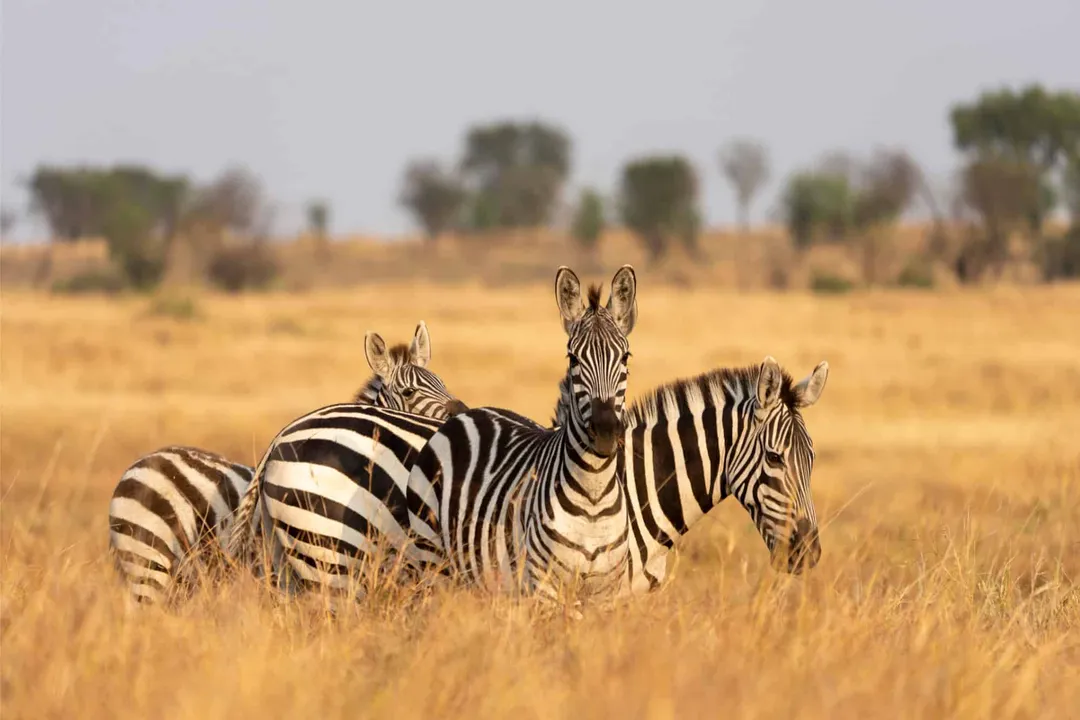
Not all grass is created equal in a zebra’s menu, and individual preferences shape their day-to-day foraging patterns. Zebras, particularly the plains zebra, show a distinct preference for shorter grasses and the fresh, new shoots that emerge after rain or disturbance. [3][9] This preference highlights an ecological niche; they often crop the grass down to a level that other, more selective grazers might initially ignore. [3]
When considering the savanna ecosystem, one management observation that becomes clear is the relationship between grass structure and consumption. Zebras readily clip down the existing grass mat, often leaving behind stems that are too coarse or too tall for their immediate needs, which allows other species to follow in their wake. [3] While they will settle for older, drier grasses if necessary—a testament to their adaptability—this less nutritious fare requires them to spend more time eating and digesting to meet their energy requirements compared to when they can feast on tender new growth. [3] In contrast, specialized species like Grevy's zebra are often described as more discerning, focusing their grazing efforts on the finest grasses available. [6][9]
# Browsing Habits
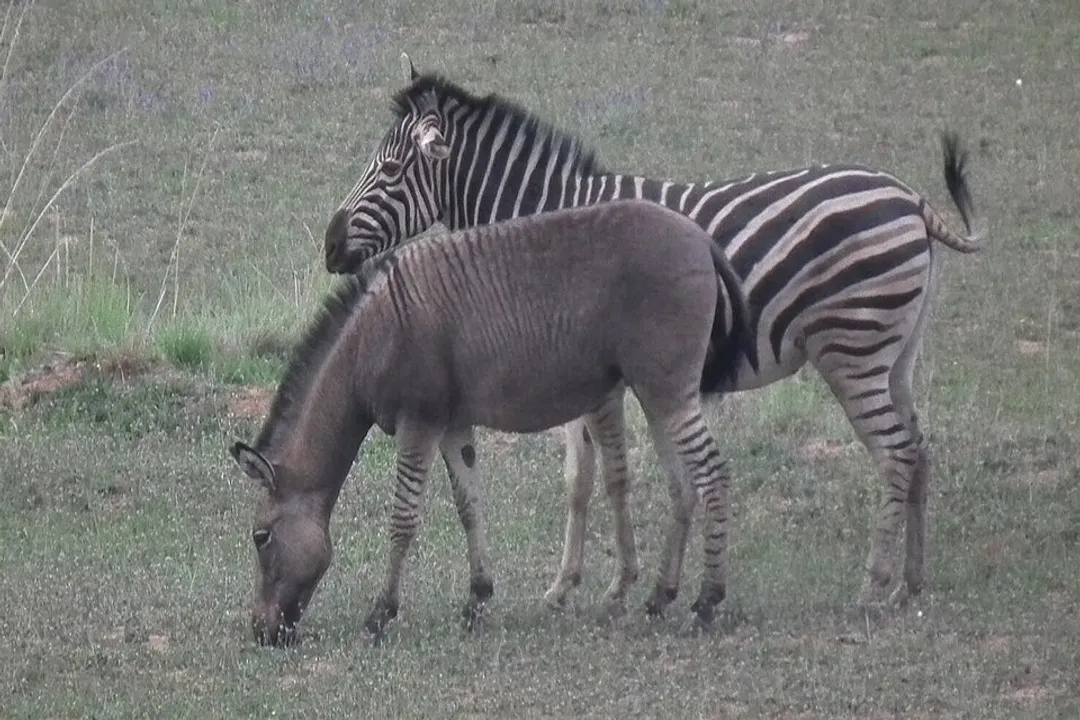
While grass forms the foundation of their diet, zebras are not strictly limited to the ground level. They exhibit browsing habits, which means they will supplement their diet with other plant material when needed. [3] This can include leaves, stems, bark, and even roots. [3] The extent of browsing is heavily influenced by the species and the environmental conditions. In areas where grasses are scarce or of poor quality, a zebra's reliance on browsing increases significantly. [3]
For example, Grevy's zebras are noted for incorporating a higher proportion of browsing into their diet compared to the plains zebra, especially when grasses are limited. [6][9] This willingness to shift diets, moving from near-total grazing to incorporating substantial woody material, provides a crucial buffer against seasonal scarcity. When you observe a herd, note that they aren't just consuming the softest blades; they are constantly sampling the environment, ensuring they extract nutrients from every available layer of the local vegetation, a behavioral flexibility that underscores their survival in challenging environments. [3]
# Water Dependence
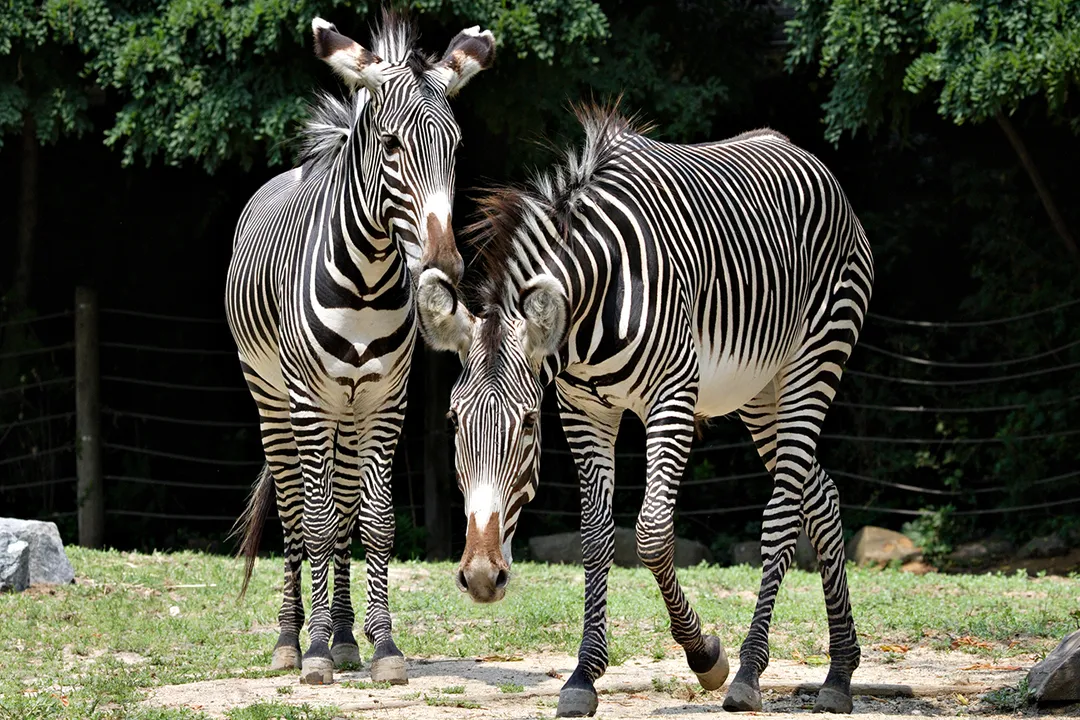
A fundamental constraint on where and how zebras feed is their need for water. Unlike some desert-adapted herbivores that can go for extended periods without drinking, zebras must find water regularly. [5] They generally need to drink every day, which means their feeding grounds are closely tied to reliable water sources. [2][5]
This daily requirement places a geographical limit on their grazing range. A zebra cannot wander too far from a river, waterhole, or dependable spring, which in turn dictates the composition of the grass they consume—it has to be the grass near the water, whether it is fresh or dry. This dependency differs from animals that can migrate vast distances away from water sources for extended periods, forcing the zebra to maintain a lifestyle tethered to accessible liquid hydration. [5]
# Hindgut Fermentation
The ability of the zebra to thrive on large volumes of fibrous, relatively low-quality forage is explained by its digestive system. Zebras are classified as hindgut fermenters. [5] This means that while they chew their food initially, the critical breakdown of cellulose and other tough plant components happens after the stomach and small intestine, within the large intestine and cecum. [5]
This process contrasts with ruminants (like cattle or antelope), which ferment food in a specialized stomach compartment before it passes on. Hindgut fermentation is faster than rumination, allowing the zebra to process large amounts of food quickly. [5] However, this efficiency comes at a cost: the nutrients released from the fibers are absorbed less completely than in ruminants. To compensate for this slightly lower efficiency, the zebra must consume significantly greater quantities of vegetation overall. [5] This digestive architecture is a fantastic adaptation for rapidly processing bulk forage in environments where high-quality, protein-rich grass is often scarce or short-lived. [5] If you consider a typical grazing day, the physical bulk they handle internally means their digestive tract is constantly working to extract energy from materials that would starve a less equipped herbivore.
# Species Variation
While we often speak of "the zebra diet," it is important to recognize that dietary strategies vary among the three main species: Plains, Mountain, and Grevy's zebras. [5] These differences are often reflections of their distinct habitats and physical adaptations.
| Zebra Species | Primary Feeding Style | Grass Preference | Notes |
|---|---|---|---|
| Plains Zebra | Grazer (Bulk Feeder) | Medium to tall grasses | Most adaptable; utilizes a wide variety of forage. [3] |
| Grevy's Zebra | Selective Grazer/Browser | Finest, shortest grasses | More selective; higher proportion of browsing than Plains Zebra. [6][9] |
| Mountain Zebra | Grazer/Browser | Varied, often includes woody plants | Adapts to mountainous terrain; may browse more heavily seasonally. [5] |
Grevy's zebras, found in drier regions of Kenya and Ethiopia, are the most selective feeders among the group. [6] Their preference for the very finest grasses and higher reliance on browsing allows them to subsist where the competition for bulk grass is fierce. [6][9] Understanding these distinctions is key; an animal surviving on the highland slopes of a Mountain Zebra population has a different daily menu than one in the open plains, even if both are fundamentally grass-eaters. [5]
# Herd Ecology
The zebra's diet is also influenced by its social structure and its interactions with other grazing animals in mixed-species herds. Zebras frequently coexist and feed alongside animals like wildebeest. [1] This co-grazing is not accidental competition; it often forms a symbiotic, or at least mutually beneficial, relationship rooted in grass utilization.
Wildebeest are generally bulk grazers that prefer medium-height grasses, often eating the upper, more nutritious parts first. [1] By feeding in tandem, zebras can benefit from the wildebeest having cropped the grass down, making the remaining lower, tougher material more accessible, or vice versa. This coordinated utilization maximizes the total biomass extracted from a single patch of savanna over time. Essentially, the herd acts as a highly effective, multi-stage mowing system. Observing how a mixed herd moves across a plain reveals an unspoken agreement on resource partitioning, ensuring that the entire profile of the grass layer—from the soft tips to the tougher stalks—is eventually consumed by one species or another. [1] This ecological interplay dictates that a zebra's available diet is often defined by what its neighbors leave behind, or what they clear away.
Related Questions
#Citations
Zebra Facts: Habitat, Diet, & Conservation - IFAW
What Do Zebras Eat? - A-Z Animals
Plains Zebra (Equus quagga) Fact Sheet: Diet & Feeding - LibGuides
Zebra | Kiezebrink Focus on Food
Zebra - Wikipedia
Grevy's zebra - National Zoo
Zebra diet: eating a wide variety of grasses and leaves - Facebook
Video: What Do Zebras Eat? - Lesson for Kids - Study.com
Zebra (Grevy's) - Feeding - Better Planet Education