Zebra Spitting Cobra Diet
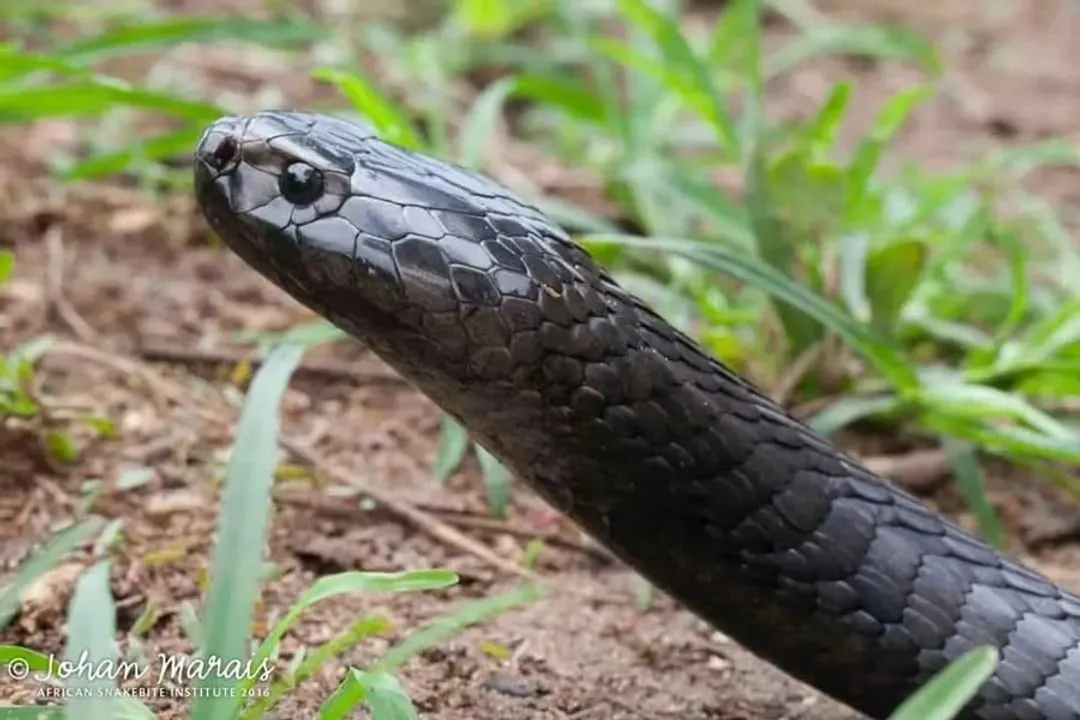
The dietary habits of the Naja nigricincta, commonly known as the Zebra Spitting Cobra, reveal a predator adapted to opportunistic feeding across several terrestrial and semi-arboreal prey groups. This snake is not a highly specialized feeder; rather, its survival hinges on capitalizing on the readily available small fauna within its African habitat. The bulk of its menu centers around three main categories: small mammals, birds, and amphibians.
# Primary Targets
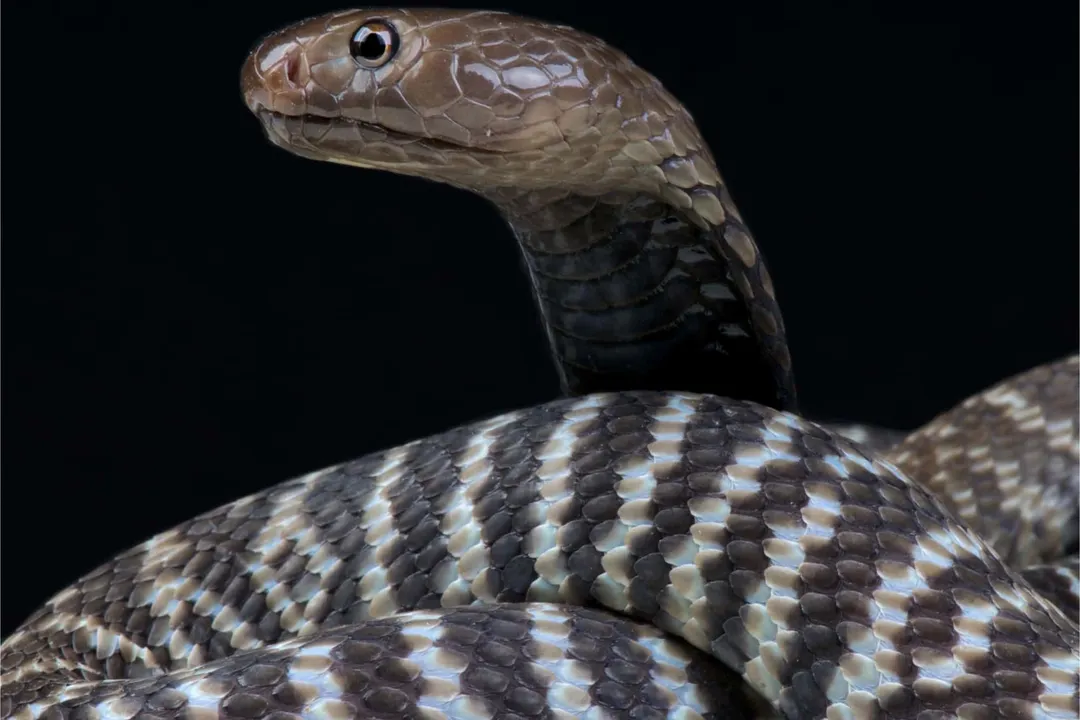
The consumption of small mammals forms a significant component of the Zebra Spitting Cobra's diet, a commonality among many medium-to-large venomous snakes. Specifically, rodents are frequently mentioned as key prey items. For a snake of this size, these warm-blooded meals provide a substantial caloric return for the energy expended during a hunt.
Birds, whether they are fledglings, nesting adults, or those foraging on the ground, also feature prominently in their feeding records. Since the cobra spends its time primarily on the ground, it likely targets nests accessible from the substrate or birds that spend a considerable amount of time on the forest floor or near ground cover. This requirement for accessibility might subtly bias their bird prey selection towards ground-nesting species or those that roost low.
Amphibians, particularly frogs, represent another crucial element of their sustenance. Snakes preying heavily on amphibians often demonstrate a preference for damp or moist environments where these creatures thrive. Given the distribution of Naja nigricincta, which can include savannas and forests, access to water bodies or areas retaining moisture after rains would directly correlate with higher amphibian availability and, consequently, a richer diet for the cobra.
# Foraging Details
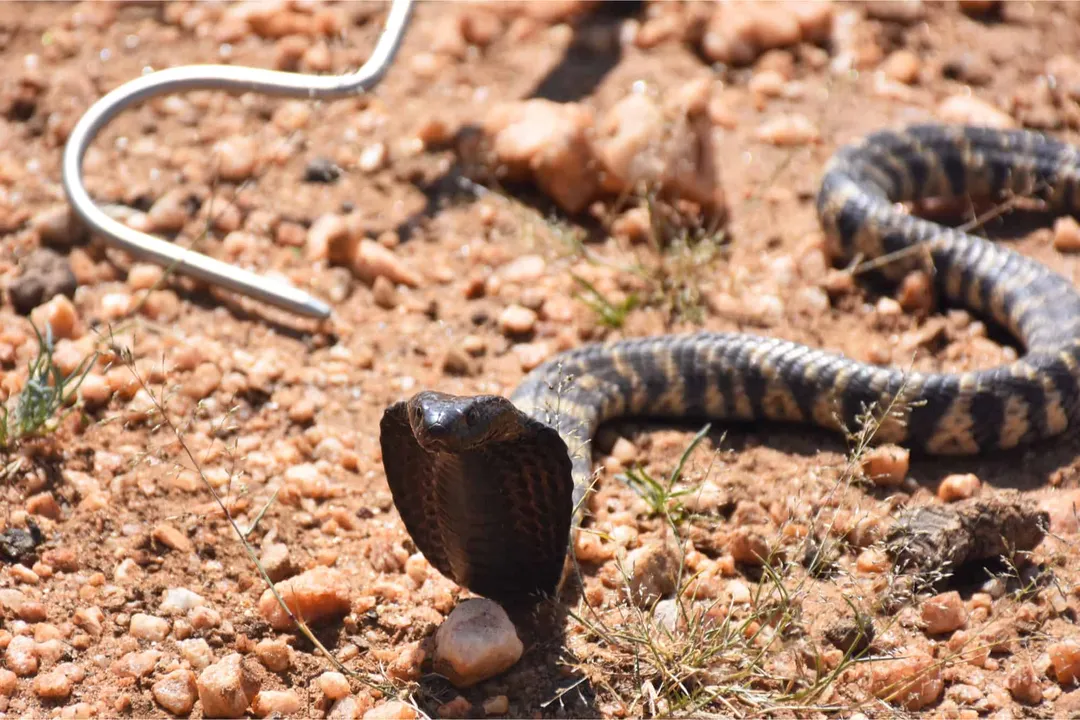
While mammals, birds, and amphibians constitute the staples, the Zebra Spitting Cobra’s opportunistic nature means its diet is broader than these three groups alone. Lizards are also recorded as part of what they consume, adding a reptilian element to their intake.
Interestingly, eggs occasionally make an appearance on the menu. For a snake, finding a nest containing eggs offers a concentrated, relatively defenseless meal, though the frequency of this behavior compared to hunting active prey is likely lower.
A critical aspect shaping when these meals are acquired is the snake's activity pattern. The Zebra Spitting Cobra is described as being primarily nocturnal when hunting. This nighttime activity suggests that their preferred prey might also be most vulnerable or active after sunset. Rodents are often nocturnal, aligning perfectly with the snake's hunting schedule, whereas birds and amphibians may be ambushed when they settle down for the night or when moisture attracts them out after dark.
# Environmental Impact
Considering the snake is ground-dwelling, its feeding success relies on effective ground-level searching or ambush techniques rather than sustained pursuit in dense canopy. A fascinating implication of this ground-based predation is the potential for localized population control. In areas with dense rodent colonies or high frog density near water sources, a single, successful Zebra Spitting Cobra could exert a notable pressure on those specific local populations. If one were tracking the health of a small mammal population in a mixed woodland area where these cobras are present, noting the absence of significant, unexplained rodent spikes might suggest effective top-down regulation by predators like Naja nigricincta.
Furthermore, their generalized diet across ectotherms (amphibians, lizards) and endotherms (mammals, birds) means they are less susceptible to the decline of a single prey species. A dry spell that decimates amphibian numbers, for example, might be survivable as long as rodents or birds remain accessible. This dietary flexibility contributes significantly to the species' apparent adaptability across different localized African environments. This contrasts slightly with snakes that rely heavily on just one or two food sources, which face much greater risk during resource scarcity.
The necessity for a varied diet, spanning different trophic levels, places the Zebra Spitting Cobra in a somewhat unique position ecologically. It acts as a tertiary or quaternary consumer depending on whether it eats a primary consumer (like a herbivorous rodent) or a secondary consumer (like a frog eating insects). This broad inclusion of prey types suggests a highly developed sense of smell and chemoreception, enabling the snake to locate diverse scent trails across the terrain at night.
# Captive Considerations
While the wild diet is varied, those who keep these snakes in captivity must mimic this diversity to ensure proper health. A common practice in captive care, often necessary due to the danger involved in procuring wild prey, involves feeding appropriately sized rodents, such as mice or small rats, as the primary staple. However, supplementing this with occasional, appropriate substitutes like chicks or even specialized amphibian substitutes, if ethically sourced and safe, reflects the natural requirement for dietary variation and nutrient profiles found in the wild. The key takeaway for any handler or observer is that while the snake is capable of eating many things, the frequency and proportions of those meals in the wild are dictated by immediate environmental availability, making it a true ecological generalist within its niche.
Related Questions
#Citations
Zebra Spitting Cobra Animal Facts - Naja nigricincta
Zebra Spitting Cobra | Made in the Wild
Naja nigricincta - Facts, Diet, Habitat & Pictures on Animalia.bio
Zebra Spitting Cobra Facts & Photos | Wowzerful
Black-necked Spitting Cobra Habitat and Behavior in Southern Africa
Zebra Cobra - African Snakebite Institute
My newest addition! Female Zebra Spitting Cobra! (Naja nigrincincta)
Black-necked spitting cobra - Wikipedia