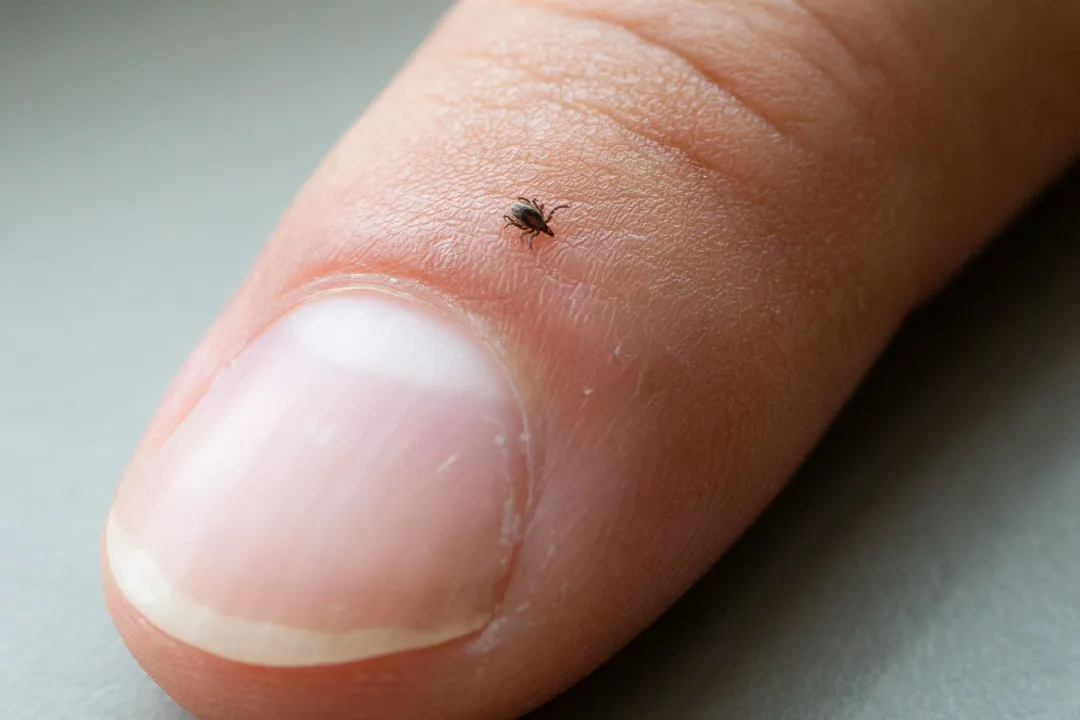
Why is the feeding dependency of *D. andersoni* larvae/nymphs on small mammals ecologically significant?
These smaller hosts often carry and transmit important pathogens the tick acquires.
The ecological role played by small rodents like mice and ground squirrels as primary hosts for larval and nymphal *D. andersoni* is crucial to understanding disease dynamics. These small mammals function as reservoir hosts, meaning they harbor and sustain populations of various pathogens, such as the bacteria causing Rocky Mountain Spotted Fever or tularemia. When the immature tick feeds on an infected rodent, it ingests the pathogen, which then develops or migrates within the tick's body. This acquired infection remains viable until the tick later feeds on a secondary host, which can include humans or larger domestic animals, thus completing the disease transmission cycle across different host sizes.