Wood Bison Diet
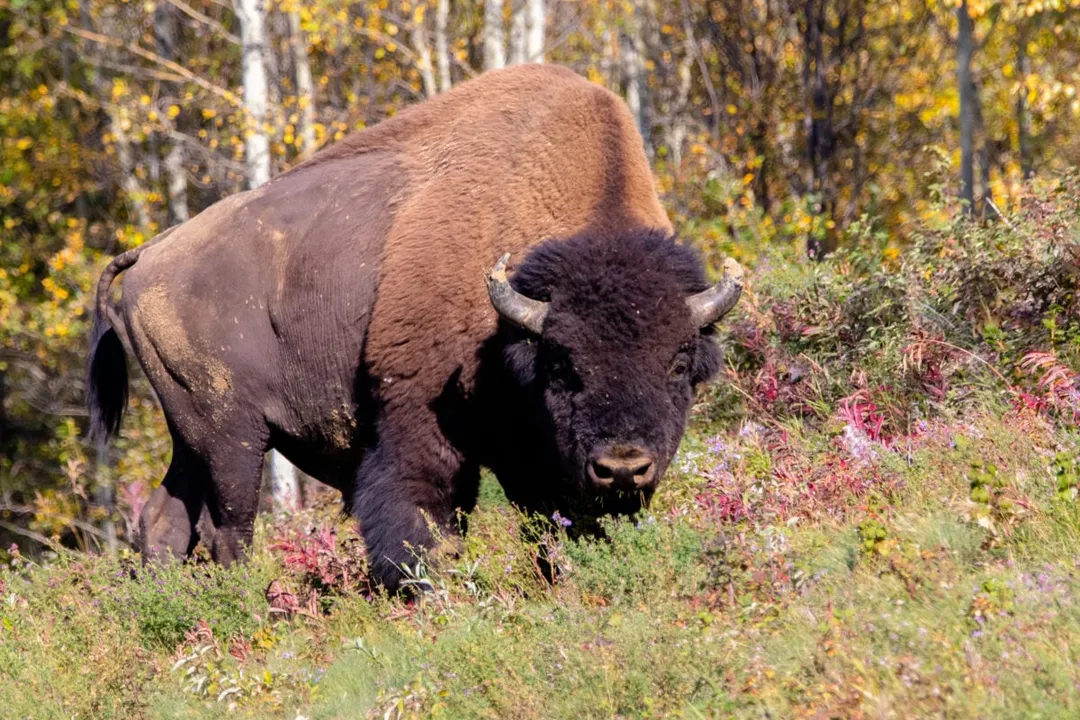
The wood bison, Bison bison athabascae, stands as North America's largest terrestrial animal, yet its survival hinges on a diet deeply rooted in the boreal landscape it inhabits. These magnificent creatures are classified first and foremost as herbivores and, more specifically, grazers. Their existence revolves around consuming vegetation, particularly grasses, sedges, and forbs, throughout the year.
The wood bison is biologically equipped for a graminivorous lifestyle, meaning grass forms the cornerstone of its nutrition. This reliance on lower-growing vegetation dictates much of their daily activity. In fact, wood bison are known to spend between 9 to 11 hours each day dedicated solely to grazing in the open meadows, riverbanks, and parklands they frequent.
# Seasonal Shifts
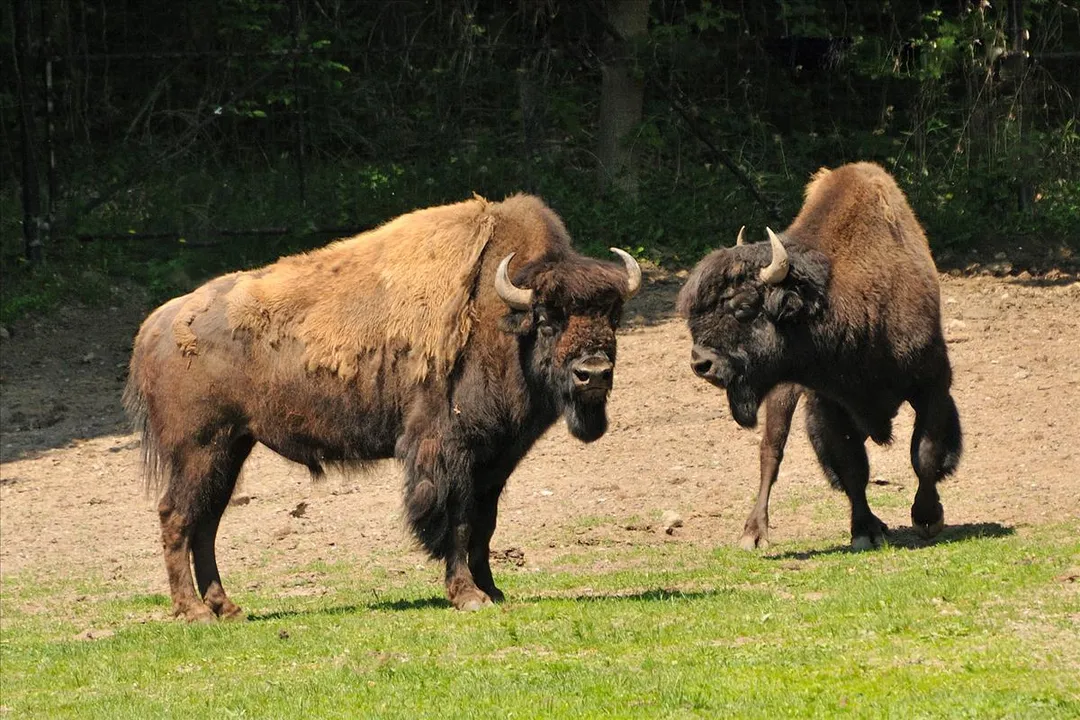
The diet of the wood bison is not static; it demonstrates pronounced seasonal changes directly related to the availability and quality of forage in the northern environments of Canada and Alaska.
As the long, dark winter gives way to the growing season, the bison shift their intake to include more palatable, leafy material. During the warmer summer months, they supplement their primary diet by browsing on the leaves of willow (Salix spp.) and silverberry. In studies conducted in the Mackenzie Bison Sanctuary, the summer diet became notably more diverse, mixing the usual sedges and grasses with willow shoots. When available, other greenery such as lichens and various shrubs are also consumed.
This seasonal flexibility is essential. While they are primarily grazers, wood bison are noted to substitute browse when grasses and sedges become sparse. The presence of water is also a continuous, non-negotiable part of their sustenance; they cannot survive for extended periods without a reliable water source.
# Snow Digging
Survival in the deep snows characteristic of their northern habitat requires specialized behavior and physical adaptations, both of which directly influence their winter diet. When heavy snowfall covers their preferred forage, wood bison must physically access buried food.
Unlike many northern ungulates that use their feet, the wood bison employs its massive head and powerful neck muscles to sweep snow aside, uncovering edible plants beneath. The very morphology of the wood bison—specifically the large, forward-peaking shoulder hump—is supported by a skeletal structure and strong ligaments that evolved to power this strenuous shoveling action. This adaptation allows them to maintain their high reliance on grasses and sedges even when snow depth presents a significant barrier.
This physical effort, combined with the lower nutritional availability of dormant winter plants, necessitates physiological efficiency. It is fascinating to consider how their feeding strategy aligns with another key survival mechanism: the ability to slow their metabolic rate in cold temperatures. By processing food more slowly, they extract maximum nutrients from fewer meals, reducing overall energy demand while simultaneously using the metabolic process as an internal heat source—a perfect coupling of digestive strategy and diet during scarcity.

# Regional Diets
Dietary analysis often shows variation depending on the specific local ecosystem the herd occupies, highlighting that "wood bison diet" is better understood as a flexible range of preferences based on immediate plant communities.
For example, studies in the Slave River Lowlands demonstrated an overwhelming reliance on two key species year-round:
- Slough sedge (Carex atherodes): Ranging from 42% in winter to 77% in spring.
- Reedgrass (Calamagrostis spp.): Ranging from 15% in spring to 35% in winter.
Collectively, these two forages made up more than 70% of the diet across all seasons in that region.
In contrast, observations from the Mackenzie Bison Sanctuary showed an even more extreme winter dependency, where sedges accounted for over 96% of the diet. However, the fall diet there saw lichen emerge as a major component, suggesting a key seasonal substitution when sedge availability might be changing.
If one were to compare the year-round consumption across these two documented regions, the primary distinction is the relative prominence of sedges versus the grasses that form the secondary component. In the Slave River Lowlands, grasses feature heavily year-round, whereas the Mackenzie Sanctuary data suggests a sharper division between sedge-heavy winter and mixed summer diets. This difference, though potentially a reflection of localized plant density or study methodology, suggests that habitat managers should focus less on which grass or sedge is present and more on ensuring a high overall density of these preferred forage types.
# Habitat Impact
The feeding habits of the wood bison are not merely passive; they actively shape the very ecosystems they inhabit, demonstrating their role as a key grazing animal. Their impact extends beyond simple consumption; their grazing pressure, the disturbance from their hooves, and their habit of wallowing all contribute to the health and structure of their environment.
One significant ecological interaction involves prescribed burning. Wood bison show a strong preference for foraging on recently burned areas. This behavior is highly valuable because fire cleans out the old, persistent dead plant material, making the new, nutrient-rich spring growth of grasses and sedges much more accessible and palatable. For those involved in maintaining the health of these northern ecosystems, understanding this dietary pull toward post-fire regrowth suggests that strategic, controlled burns can act as a powerful, natural tool to improve forage quality and direct grazing pressure away from sensitive areas.
Furthermore, their wallowing—the act of rolling in shallow depressions—creates small, temporary water catchments on flat terrain, which become crucial small pools for invertebrates and other small wildlife. By continually grazing and churning the soil, they help cycle nutrients and promote plant diversity, thereby contributing to healthy meadows. The relationship between the bison's need for forage and its role in shaping that forage underscores the intricate balance required for their successful persistence.
Related Questions
#Citations
Wood Bison Species Profile, Alaska Department of Fish and Game
[PDF] Wood Bison
Wood bison - Facts, Diet, Habitat & Pictures on Animalia.bio
Wood bison - Wikipedia
Animal Facts: Wood bison | Canadian Geographic
WILDLIFE SPECIES: Bos bison - USDA Forest Service
Wood bison - Animals - Toronto Zoo
Bos bison athabascae - NatureServe Explorer