Which group of animals defines the common host preference for adult *D. variabilis*?
Answer
Medium to large mammals.
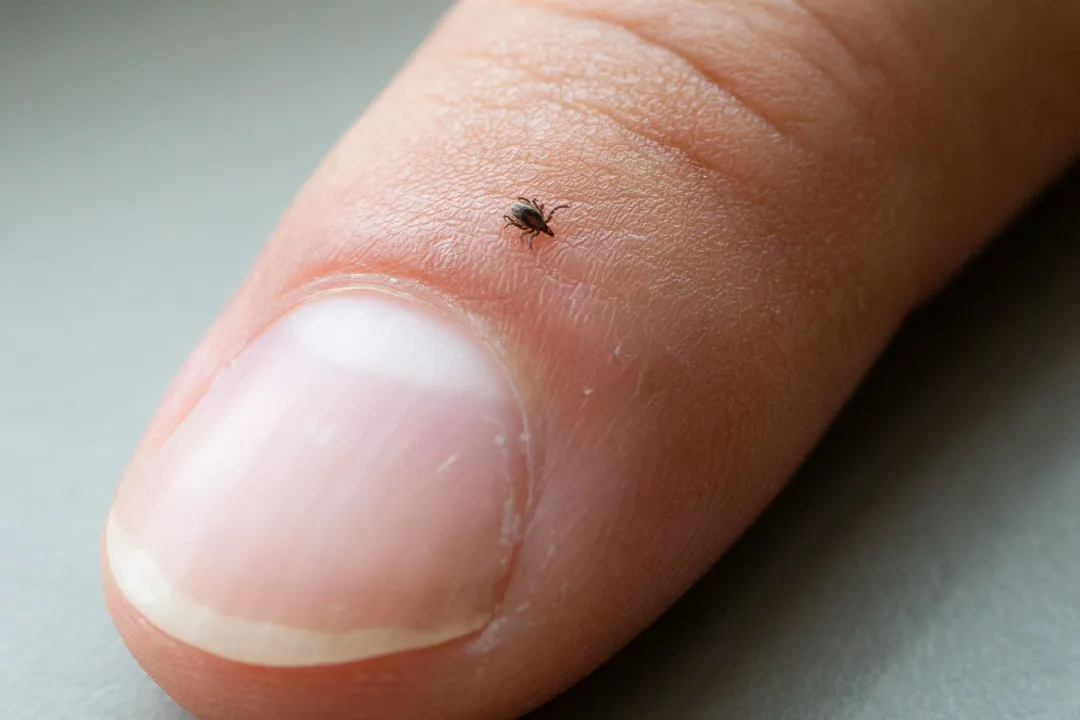
As the American Dog Tick (*Dermacentor variabilis*) matures into its adult stage, its feeding targets transition from small mammals to substantially larger hosts. This shift is necessary to secure the large blood volume required for final maturation and reproductive preparedness. Typical hosts for adult *D. variabilis* encompass a wide range of medium to large mammals, commonly including domestic animals like dogs, as well as wildlife such as raccoons, skunks, coyotes, horses, cattle, and humans. This broad host tolerance contributes significantly to the widespread geographic distribution observed for this particular species across North America.
Related Questions
What is the absolute dietary requirement for *Dermacentor* tick development?How does the adult male wood tick's blood meal requirement compare to the female's?What substance is secreted by the tick's *capitulum* to prevent immediate host detection?What small mammals are typical hosts for larvae and nymphs of *D. andersoni*?Which group of animals defines the common host preference for adult *D. variabilis*?When questing, how does a tick utilize its legs to sense potential passing hosts?What physical height range corresponds to the common questing posture of nymphs and adults?What happens after a tick ingests blood that prepares it for future pathogen injection?Which specific disease is transmitted by *D. andersoni* but not generally associated with *D. variabilis*?Why is the feeding dependency of *D. andersoni* larvae/nymphs on small mammals ecologically significant?