Vervet Monkey Diet
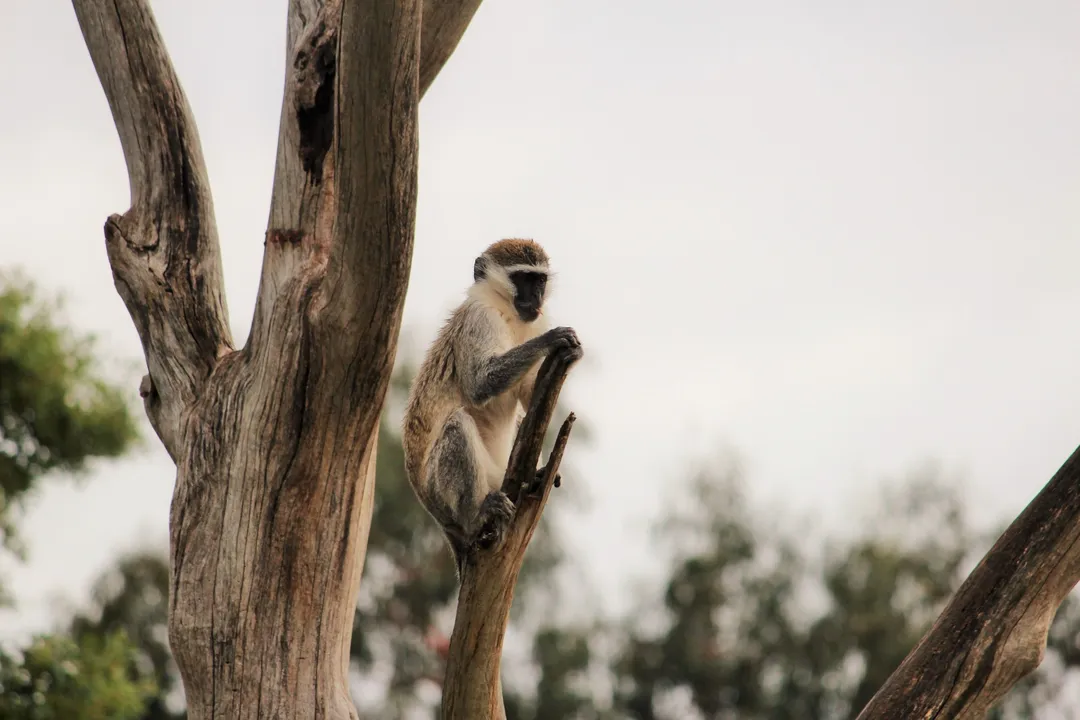
Vervet monkeys, scientifically known as Chlorocebus pygerythrus, maintain a diet that is remarkably flexible, classifying them as omnivores whose nutritional intake shifts significantly depending on season, location, and immediate availability. [5][8] This adaptability is key to their survival across the varied habitats they occupy in eastern and southern Africa. [2][5] While they are often observed foraging for plants, their menu extends much further, allowing them to exploit a wide range of food sources when necessary. [5] Understanding what comprises their daily intake reveals a species keenly attuned to the ecological pressures of their environment. [8]
# Dietary Classification
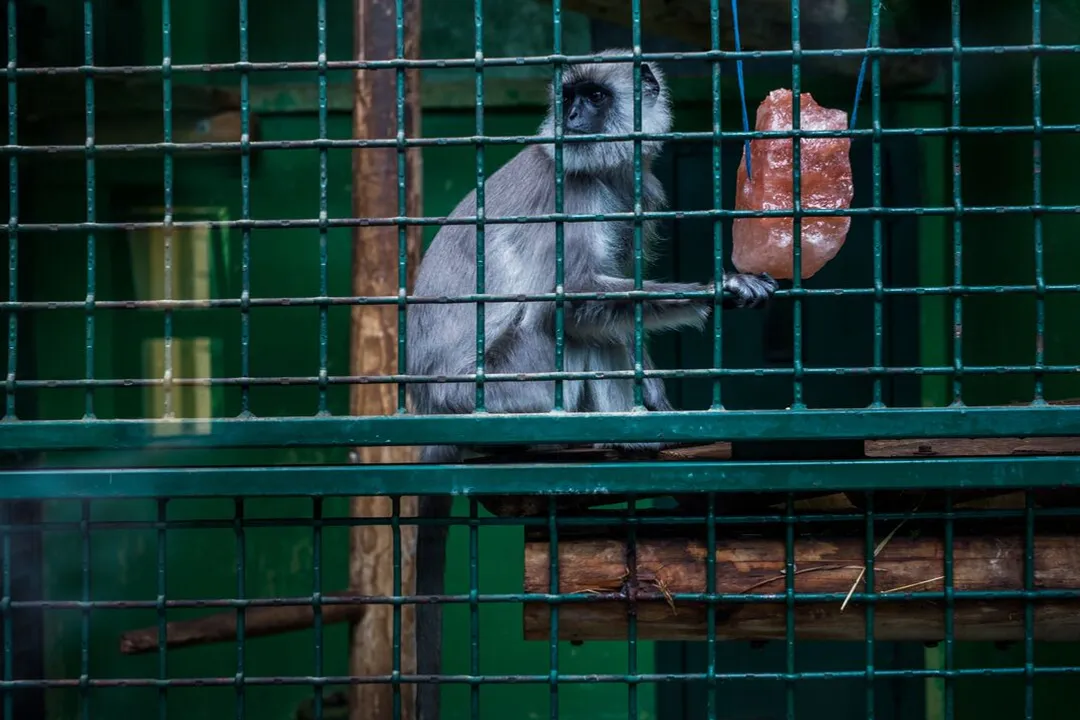
The foundation of the vervet's sustenance rests heavily on plant matter, which forms the bulk of their diet year-round. [1][3] They are considered opportunistic feeders, meaning they will consume whatever is accessible and palatable at any given time. [5] This generalist approach contrasts sharply with species that rely on a highly specialized food niche. [8] Their classification as omnivores signals an evolutionary advantage in environments where food supplies fluctuate dramatically between wet and dry periods. [5][1]
In terms of basic composition, the majority of their food consists of fruits, leaves, flowers, seeds, and buds. [3][5] However, they are equally known to supplement this vegetarian base with animal protein, which becomes especially important when preferred plant foods are scarce. [5][1]
# Plant Foods
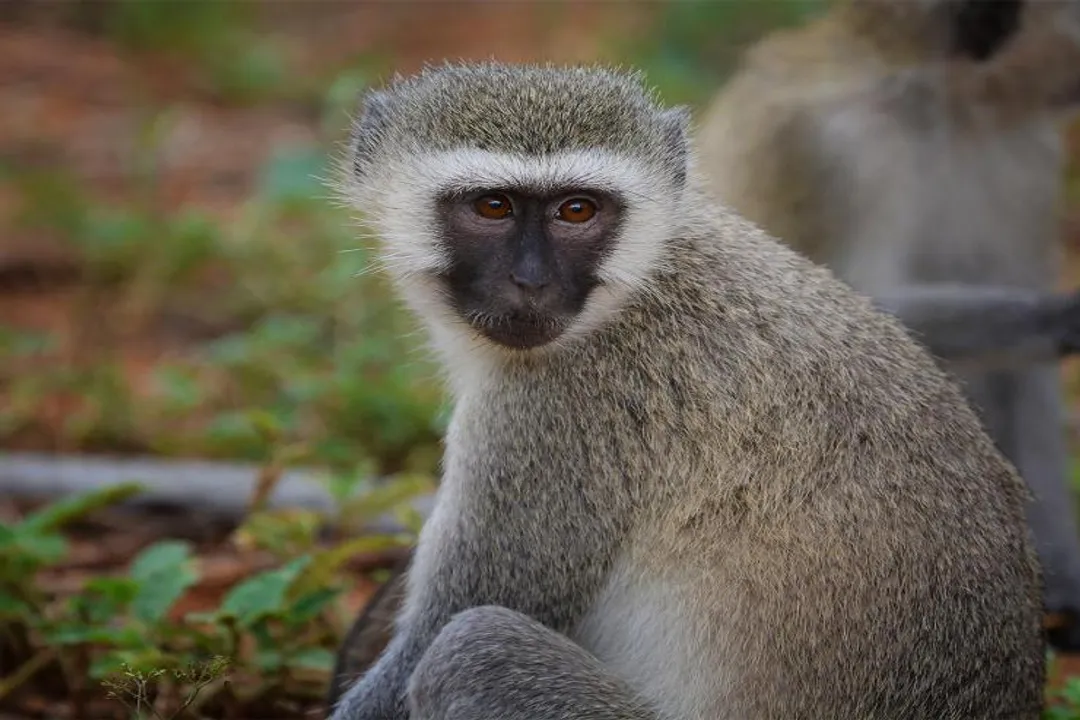
The preferred items in the vervet diet are often the sweet, energy-dense options that are seasonally abundant. [3] Fruits frequently top this list, providing necessary sugars and calories. [1][5] Depending on the specific region—whether it's a savanna, woodland, or coastal forest—the types of fruits available can vary widely, influencing local dietary habits. [5]
Beyond the allure of ripe fruit, the monkeys consume various plant parts:
- Flowers and Buds: These are soft, relatively easy to process, and provide concentrated nutrients when in bloom. [1][3]
- Leaves: While less appealing than fruit, young leaves and shoots are essential sources of roughage and nutrients, particularly when softer foods are unavailable. [3] Some leaves might be less digestible, requiring them to process larger quantities or select tender new growth. [1]
- Seeds and Pods: These offer fat and protein reserves, though extracting them from tough casings requires effort. [3]
- Roots and Gums: Vervets have been noted to dig for roots or strip bark to consume sap or gums, especially during harsher times of the year. [1][3]
It is fascinating to observe how the dietary emphasis shifts throughout the year. During peak fruiting seasons, an individual monkey might prioritize fruit intake, possibly spending over 60% of its foraging time selecting the ripest items. [3] Conversely, during drier, less productive months, the reliance shifts heavily toward more fibrous materials like leaves and bark extracts. [1] This dynamic flexibility, where the preferred energy source changes based on what the local flora offers, illustrates an excellent ecological adaptation, allowing the troop to maintain energy balance even as the landscape transforms from lush to arid. [1]
# Protein Sources
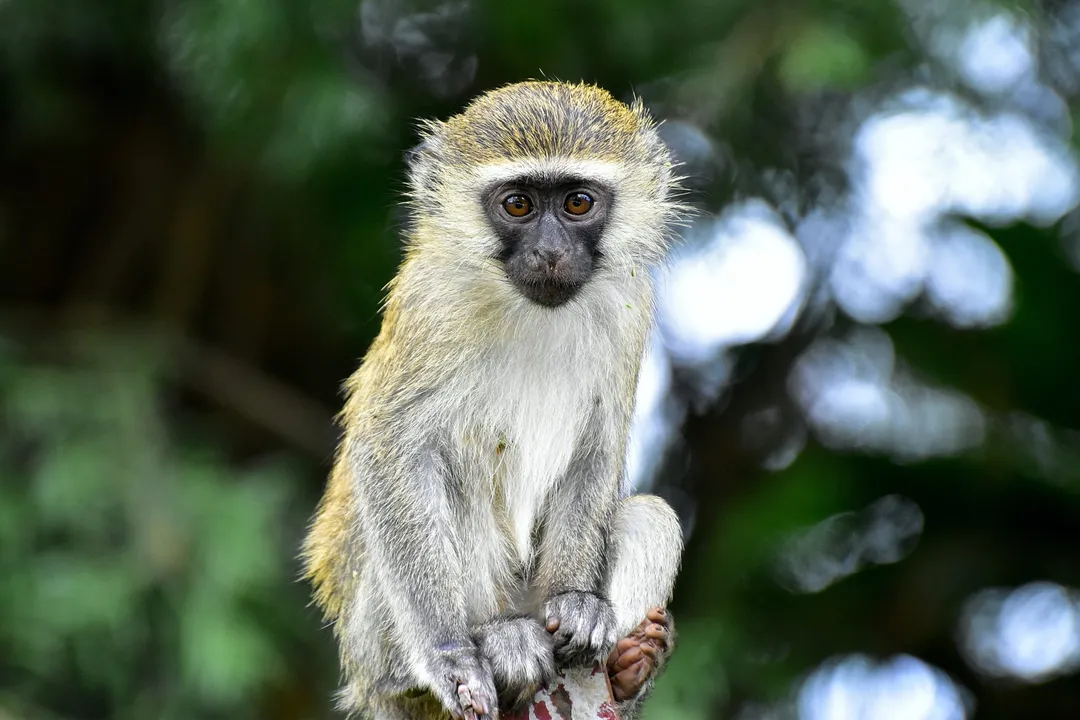
To satisfy their protein requirements, vervet monkeys actively seek out animal matter, making them far more than just frugivores or folivores. [5][8] This non-plant consumption is critical for growth, maintenance, and potentially for supplementing diets lacking in certain amino acids found primarily in animal tissue. [5]
Their invertebrate prey forms the most consistent part of their animal diet:
- Insects: This group includes a wide variety of arthropods such as grasshoppers, caterpillars, ants, termites, and beetle larvae. [1][3] They often forage deliberately for these hidden morsels, turning over leaves or probing into bark crevices. [3]
- Spiders: These are also readily consumed when encountered. [3]
However, vervets are also known to hunt small vertebrates when the opportunity arises. [5] This opportunistic predation can include:
While this carnivorous activity is less frequent than foraging for fruit or leaves, it represents a significant nutritional boost when successful. [5] Some observational data suggests that the consumption of insects and small vertebrates is more pronounced in younger, growing animals or nursing females, reflecting higher protein needs during those periods. [1]
# Human Influence
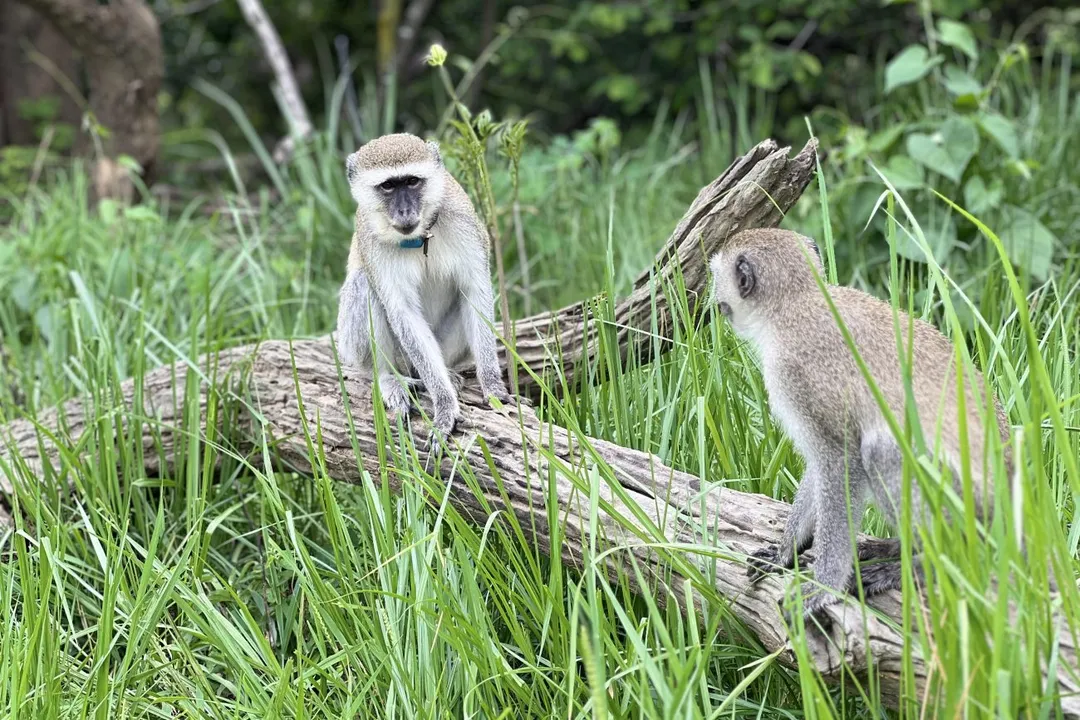
One of the most significant challenges to the natural diet and behavior of vervet monkeys today stems from human encroachment and settlement. [7][10] In areas where human populations live in close proximity to vervet habitats, the monkeys quickly learn to exploit anthropogenic food sources. [6] This is a critical area where understanding their diet intersects with conservation efforts. [7]
Vervets are remarkably intelligent and quickly recognize reliable sources of easy calories provided by humans, whether intentionally or unintentionally. [6][10] This includes:
- Direct Feeding: Though strongly discouraged by wildlife organizations, some people feed them directly. [7][10]
- Scavenging: Accessing unsecured garbage, open refuse bins, or food left outside unattended. [6]
- Gardens and Crops: Raiding cultivated fruit trees, vegetable patches, and ornamental plants. [10]
The introduction of human food into their system, even if readily accepted, poses serious health risks. [7] Processed foods, high in sugars, salts, or fats that are unnatural to their digestive systems, can lead to obesity, diabetes, and other ailments. [7] Furthermore, relying on handouts reduces their natural foraging skills and can habituate them to view humans as a non-threatening food source, increasing conflict potential. [10] It is often stressed that providing food alters their natural behavior and diet, sometimes leading to dependency or aggression when the expected reward is not forthcoming. [10][7]
# Foraging Techniques
The success of the vervet diet relies heavily on effective foraging strategies, which are often shared across the troop. [5] Their dexterity, utilizing hands and feet effectively, allows them to manipulate objects, open tough seed pods, and carefully pick small insects off foliage. [3]
Vervet foraging is generally split between terrestrial and arboreal activities. [5] They spend considerable time on the ground digging for roots or insects, but they are also skilled climbers, accessing fruits and leaves high in the canopy. [5][3] Their daytime activity is highly structured around feeding, often consuming food shortly after waking and periodically throughout the day. [8]
When a rich food source is found, social dynamics come into play. While generally not overly aggressive over food compared to some other primates, dominance hierarchies influence access to the best items, particularly high-value fruits. [5] Troop members learn quickly what is safe to eat; for instance, they possess an innate or rapidly learned aversion to certain brightly colored, toxic plants, a vital piece of information for any generalized feeder. [1] A helpful comparison point, which can be useful for those living near these primates, is noting that the proportion of time spent actively foraging (versus resting or socializing) often increases dramatically in the dry season, sometimes by 30-40%, simply because food items are more dispersed and harder to locate. [3][1]
# Dietary Diversity Analysis
Vervet monkeys exhibit a high degree of dietary plasticity, which is a defining characteristic of the Chlorocebus genus. [5] This flexibility allows them to thrive across diverse environments, from arid scrubland to more humid forest margins. [5]
To illustrate the variability, one can consider the estimated shifts in their major dietary components across a typical wet/dry cycle in a savanna environment. While precise species-specific quantification across all 10 sources is unavailable, a generalized analytical expectation looks something like this:
| Food Category | Wet Season (High Availability) | Dry Season (Low Availability) |
|---|---|---|
| Ripe Fruits/Nectar | Dominant (Est. 40-60% of intake) | Reduced significantly (Est. 10-20%) |
| Young Leaves/Shoots | Moderate (Est. 20-30%) | Increased reliance (Est. 40-55%) |
| Insects/Arthropods | Steady (Est. 10-15%) | Stable or slight increase due to focused searching (Est. 15-25%) |
| Seeds/Pods/Gums | Opportunistic | Increased importance for fat/protein reserves (Est. 10-20%) |
This table emphasizes that during times of scarcity (dry season), the monkeys don't just eat less; they fundamentally change what they eat, substituting easily digestible sugars for tougher, fibrous, or less energy-dense alternatives like leaves and gums. [1][3] This systematic replacement of high-quality energy sources with lower-quality but available sources is the core mechanism of their survival strategy. [8]
# Feeding and Toxicity
A critical aspect of being an omnivore that consumes a broad spectrum of plant life is managing potential toxins. [1] Vervets must navigate the biochemical defenses that plants employ to deter herbivores. [1] While specific research on their detoxification mechanisms isn't detailed in all sources, the fact that they consume large amounts of foliage suggests an adaptation to deal with secondary compounds. [1][3] They show preference for new growth or ripe fruit, which often contain lower concentrations of defensive chemicals compared to mature leaves. [1]
Another notable dietary behavior is their interaction with irritating substances, such as chili peppers. While they are known to eat the fruit of chili plants (which are botanically fruits, often eaten by other animals), they exhibit a behavioral pattern that suggests they can detect or react negatively to the capsaicin, though they still consume the pulp. [4] This specific observation points to a sensory capability that tempers their otherwise unselective approach to non-poisonous plant matter. [4]
In summary, the vervet monkey diet is a testament to ecological adaptability. It balances the high reward of seasonally abundant fruits with the steady necessity of leaves, complemented by crucial protein derived from the insect and small animal world. [5][8] Their primary challenge in the modern era is not finding enough to eat in the wild, but rather navigating the temptations and dangers associated with human-provided food sources. [7][10]
Related Questions
#Citations
Vervet Monkey (Chlorocebus pygerythrus) Fact Sheet: Diet & Feeding
Vervet Monkey | African Wildlife Foundation
Monkey (Vervet) - Food and feeding | Better Planet Education
Vervet monkeys eat various foods seasonally - Facebook
Vervet monkey - Wikipedia
Vervet Monkey Facts | East Africa Wildlife Guide
Everything you need to know about vervet monkeys - Born Free
Vervet monkey - SANBI
Vervet Monkey - Columbus Zoo
Living with Vervets - Commercial Info