What small mammals are typical hosts for larvae and nymphs of *D. andersoni*?
Answer
Small rodents such as mice, chipmunks, and ground squirrels.
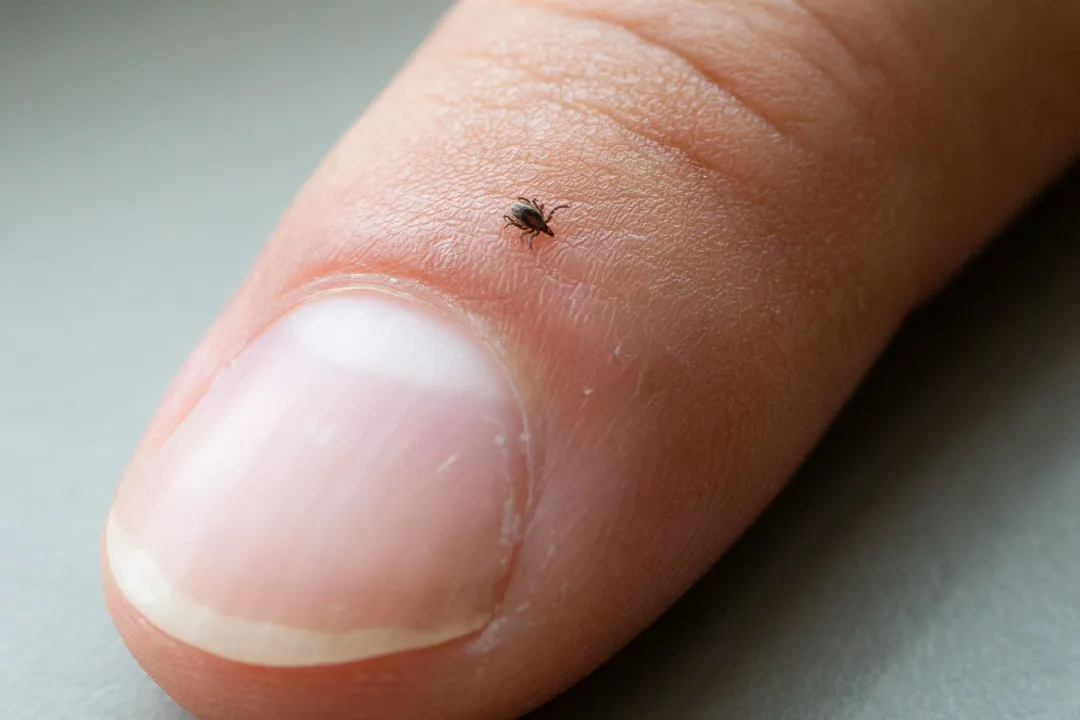
The immature stages, specifically the larvae and nymphs, of the Rocky Mountain Wood Tick (*Dermacentor andersoni*) exhibit a strong host preference for smaller creatures found close to the ground. Common feeding sources for these young ticks include small rodents such as mice, chipmunks, and ground squirrels. This ecological relationship is significant because these smaller mammals often serve as reservoir hosts, meaning they carry and transmit various pathogens which the tick subsequently acquires during its blood meal, holding the potential infection until the tick matures and feeds on a larger host later in its life cycle.
Related Questions
What is the absolute dietary requirement for *Dermacentor* tick development?How does the adult male wood tick's blood meal requirement compare to the female's?What substance is secreted by the tick's *capitulum* to prevent immediate host detection?What small mammals are typical hosts for larvae and nymphs of *D. andersoni*?Which group of animals defines the common host preference for adult *D. variabilis*?When questing, how does a tick utilize its legs to sense potential passing hosts?What physical height range corresponds to the common questing posture of nymphs and adults?What happens after a tick ingests blood that prepares it for future pathogen injection?Which specific disease is transmitted by *D. andersoni* but not generally associated with *D. variabilis*?Why is the feeding dependency of *D. andersoni* larvae/nymphs on small mammals ecologically significant?