Wood Frog Diet
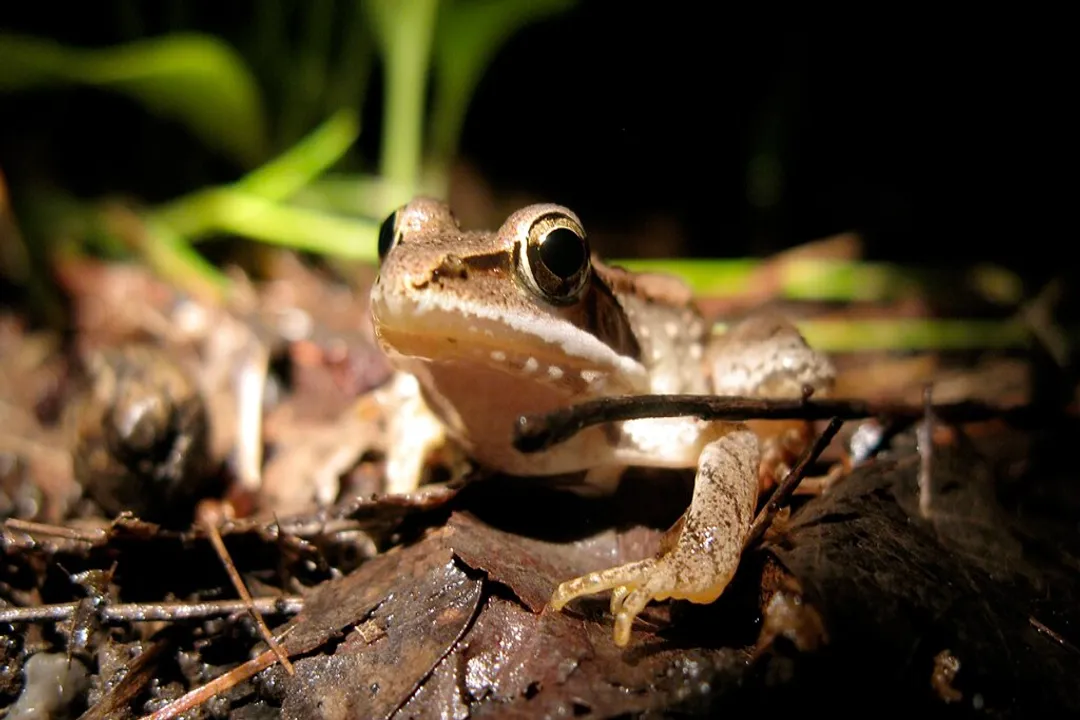
The world of the wood frog, Lithobates sylvaticus, is characterized by its remarkable adaptation to cold climates, yet its day-to-day existence, particularly its meals, is quite specific, undergoing a dramatic transformation from its earliest life stage to adulthood. For those observing these amphibians as they emerge from hibernation early in the spring, understanding what they choose to consume reveals much about their survival strategy in rapidly changing environments. The diet is a clear dividing line between the aquatic larval stage and the terrestrial adult.
# Larval Nutrition
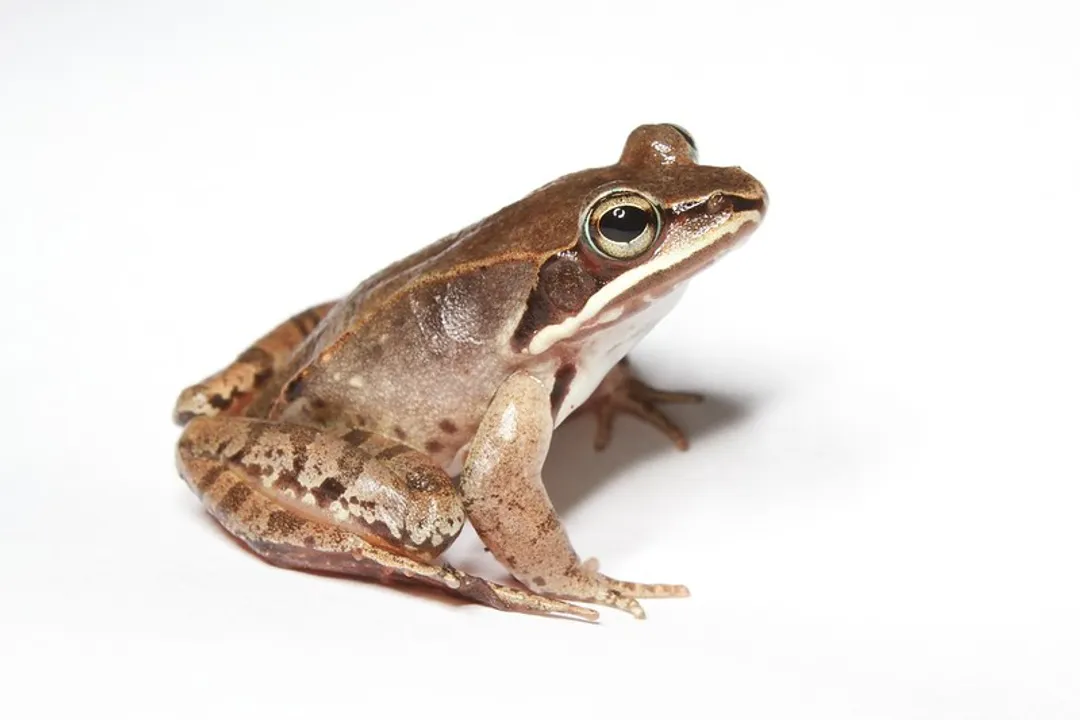
The dietary habits of the wood frog begin quite differently than how they end. While adults are strictly carnivorous, the tadpoles emerging from those gelatinous egg masses are fundamentally plant-eaters. This herbivorous phase is essential for gathering the necessary energy reserves to fuel the massive physiological changes required during metamorphosis.
Wood frog tadpoles are primarily herbivores. Their main sustenance comes from consuming algae growing in the temporary ponds where they develop. Beyond just the living plant matter, they also feed on detritus, which is essentially decaying plant material floating in the water or settled on the bottom. While the emphasis is heavily on plant-based sources, some evidence suggests they may also consume decaying animal matter they encounter in their aquatic environment.
This dietary distinction between the young and the mature is quite common among amphibians, but for the wood frog, the transition is stark. The energy requirements for a tadpole are focused on growth and swimming, demanding high volumes of easily accessible, surface-level nutrition like algae mats. Once they absorb their tails and develop legs, their entire digestive system must rapidly retool to handle protein and chitin—the very opposite of their previous diet. This dramatic shift hints at the intense energetic bottleneck that metamorphosis represents; they must transition from a slow-burning, high-volume plant diet to a fast-acting, protein-rich diet to sustain rapid terrestrial growth and the imminent need for long-term energy storage for hibernation.
# Adult Menu
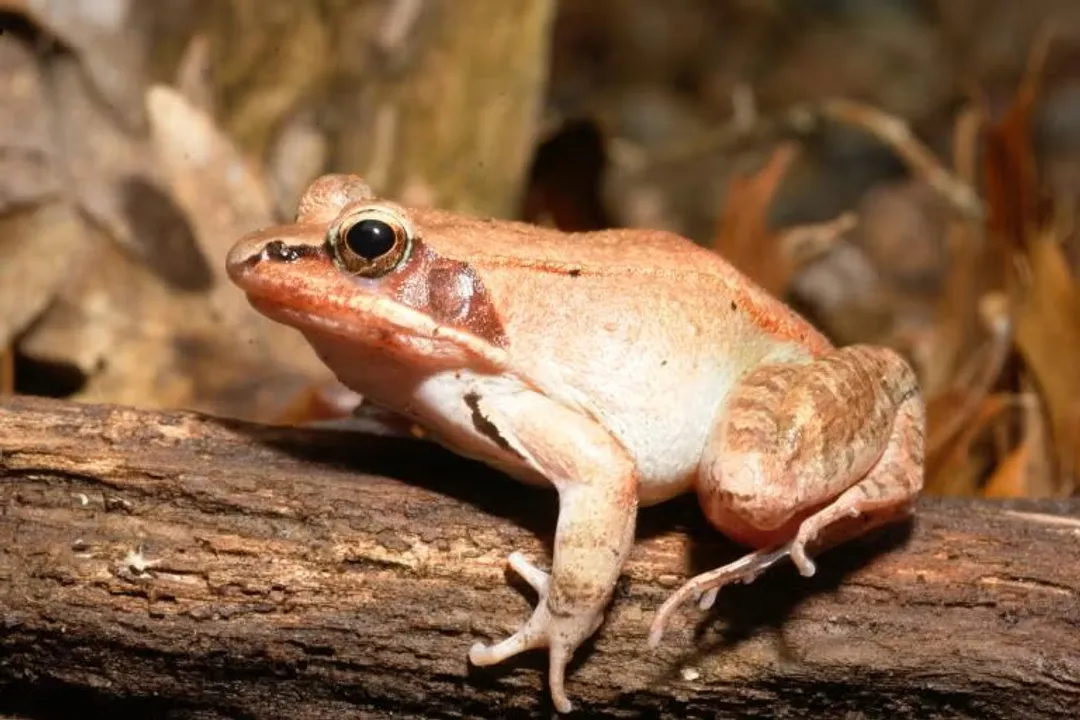
Once the wood frog has fully metamorphosed and taken to the forest floor, its palate switches entirely to animal protein. They are classified as carnivores, focusing their foraging efforts on the wealth of small invertebrates that share their woodland habitat.
The core of the adult wood frog's diet is comprised of small, slow-moving, or soft-bodied arthropods and other terrestrial invertebrates. A typical meal list includes:
- Insects: This is a broad category, likely including beetles, ants, small flies, and other crawling or slow-flying insects they can easily catch on or near the ground.
- Spiders: Various small terrestrial spiders fall victim to the frog’s sticky tongue.
- Slugs and Snails: Soft-bodied mollusks are easily subdued and consumed.
- Worms: Ground-dwelling annelids are also an accessible food source.
They are described as opportunistic feeders. This means they do not typically hunt large or fast prey that requires significant energy expenditure; rather, they consume whatever small, edible creatures happen to come within range during their foraging periods.
# Hunting Strategy
Wood frogs are not generally active, pursuit predators; instead, their feeding method relies on stealth, proximity, and a rapid strike. Their primary tool for securing a meal is the tongue. This muscular organ is quickly projected outward, covered in sticky mucus, and snatched back into the mouth, bringing the unfortunate invertebrate along for the ride.
They wait patiently for prey to wander near enough to their resting or foraging spots. This strategy is energy efficient, meaning they expend very little energy waiting, maximizing the caloric return from each successful strike. Observing a wood frog hunting, one might notice long periods of stillness punctuated by an extremely fast extension and retraction of the head and tongue assembly. This reactive feeding style is perfectly suited for a smaller, more secretive frog inhabiting the leaf litter.
# Seasonal Availability
The timing of the wood frog's emergence is critical to its feeding success, perhaps more so than many other frog species because of its early spring activity. Wood frogs are among the first amphibians to become active, often appearing while snow is still melting or has only recently receded from the forest floor.
This early start gives them a brief window to feed before many other predators or competitors are active. However, this also means their initial food sources are limited to the invertebrates that can survive or emerge in cooler temperatures. They must capitalize on the availability of early-hatching insects, ground arthropods that have survived the winter, and any emerging earthworms.
The feeding intensity ramps up significantly as spring progresses and temperatures warm. As the season matures, the variety and sheer abundance of insects increase, allowing the wood frog to build up the necessary fat reserves. These reserves are vital because, unlike some later-emerging species, the wood frog must prepare for a long period of dormancy, requiring substantial energy stores to last through the next winter. A productive, warm summer feeding season is directly correlated with higher survival rates through the following hibernation. If an area experiences a delayed spring or a particularly cool period after emergence, the feeding window shortens, potentially impacting the overall health and overwintering success of the local population. It is an annual race against the calendar to store enough fuel for the next deep freeze.
# Prey Size Comparison
It is instructive to consider the relative size of the prey items versus the predator. Wood frogs are generally small to medium-sized frogs, with adults typically reaching around 1.25 to 2.75 inches in length, depending on the sex and geography.
The frog's anatomy dictates its menu size. Its prey must be small enough to fit comfortably into its mouth, which naturally limits them to the smaller end of the invertebrate spectrum. Even a large beetle or a robust earthworm might present a challenge if it exceeds the frog's gape. This constraint reinforces their reliance on small spiders, mites, springtails, and early-season insect larvae. The ecosystem around the leaf litter, rather than open water or the forest canopy, is their primary grocery aisle.
# Creating a Localized Diet Profile
While general lists of prey are helpful, the actual diet of a wood frog population is inherently local, dependent on the specific microhabitat conditions of the breeding pond and the surrounding forest. For instance, in a damp, mossy woodland rich in decomposing logs, one might expect a higher proportion of slugs, snails, and ground beetles in the diet. Conversely, a drier, sandier woodland might yield more ants and burrowing spiders.
When naturalists or researchers document local wood frog diets through stomach content analysis, they often find surprising variation year-to-year based on regional weather patterns. If a specific insect species hatches unusually early or late due to temperature anomalies, the wood frog must quickly adjust its hunting focus to the next most available, appropriately sized invertebrate. This ability to pivot between different prey types, provided they are suitably small and plentiful, is key to their widespread success across North America. This flexibility, built upon the foundation of an opportunistic feeding habit, allows them to thrive in diverse forest settings, from bogs to drier uplands, as long as adequate temporary water is available for breeding.
#Videos
Feeding Wood Frogs and an American Toad - YouTube
Related Questions
#Citations
Wood Frog | National Wildlife Federation
Wood Frog- Lithobates sylvatica - New Hampshire PBS
Wood frog - Facts, Diet, Habitat & Pictures on Animalia.bio
What do baby wood frogs eat
Wood Frog - Loudoun Wildlife Conservancy
Wood Frog - Missouri Department of Conservation
Creature Feature: Wood Frog - Raritan Headwaters
Wood Frog: Reptiles & Amphibians: Species Information - Maine.gov
Wood Frog - Virginia Herpetological Society
Feeding Wood Frogs and an American Toad - YouTube