Wood Duck Diet
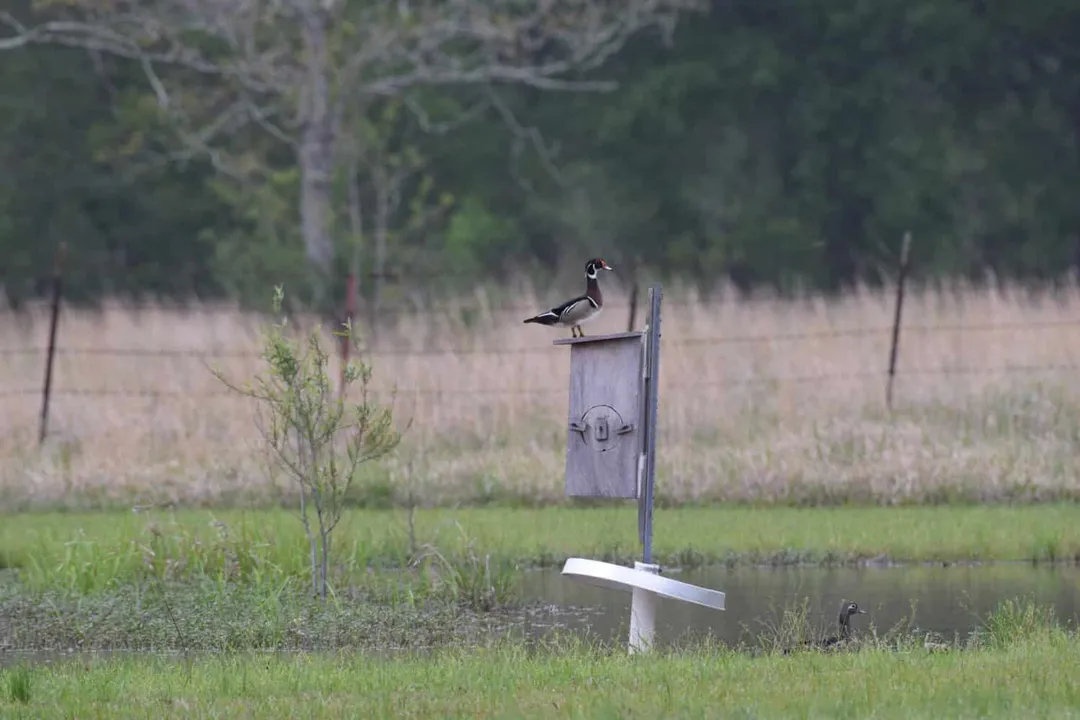
The Wood Duck, known scientifically as Aix sponsa, maintains one of the more varied diets among North American waterfowl, shifting its menu significantly based on availability throughout the year. While often categorized with dabbling ducks, their preference leans heavily toward plant matter when it is abundant, though they are certainly not strictly vegetarian. Understanding what fills their bill provides a clearer picture of why they favor certain wooded wetland habitats over open water bodies.
# Seasonal Menu Changes
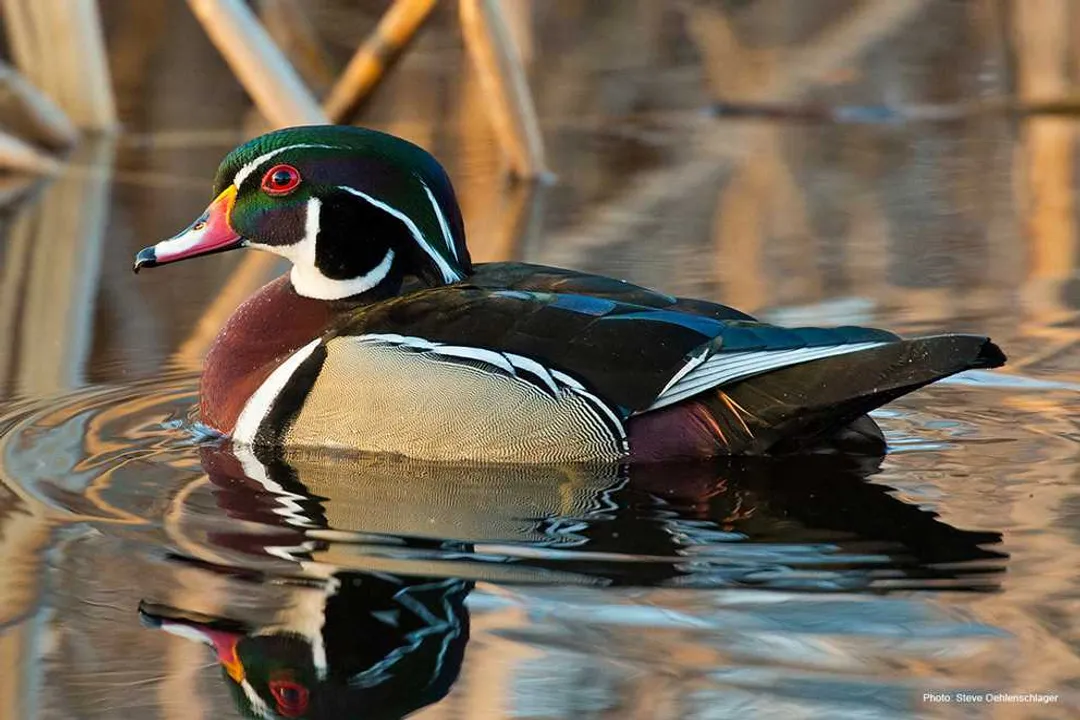
The rhythm of the Wood Duck's feeding habits closely follows the growing seasons, representing an expert adaptation to the resources available in their forested pond and swamp environments. During the late fall and throughout the winter, their sustenance relies heavily on stored, high-energy items that persist through colder months. This is the time when seeds and nuts become the primary caloric source. As spring transitions into summer, the diet pivots to incorporate a higher percentage of animal protein, which is crucial for growth and breeding activities. This seasonal flexibility allows them to exploit fluctuating food supplies effectively.
# Principal Plant Foods
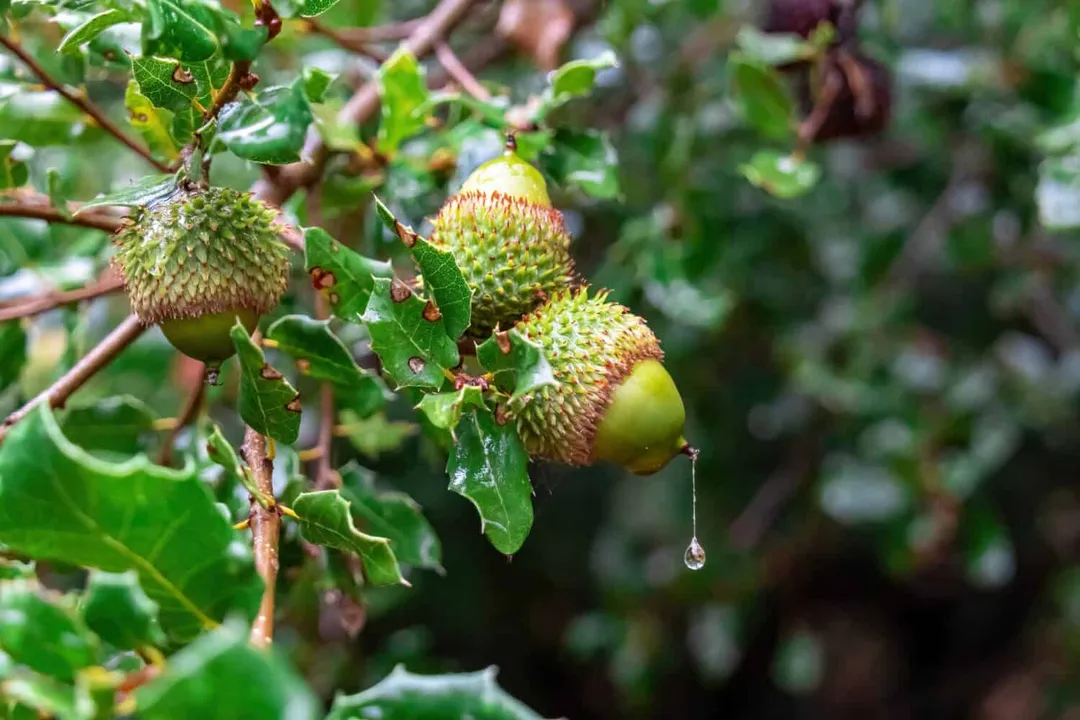
The foundation of the Wood Duck diet rests upon seeds, nuts, and tubers derived from wetland and riparian vegetation. Perhaps the most notable single food item is the acorn. These energy-rich nuts from oak trees are consumed in large quantities when they drop in the autumn.
When observing Wood Duck feeding patterns, particularly their reliance on acorns, it’s interesting to consider the localized impact. In areas with dense, mature oak stands bordering swamps, Wood Ducks become significant consumers of this resource, potentially impacting acorn recruitment for terrestrial wildlife like deer or wild turkey that share the same habitat component. Another key plant food is the seed from aquatic vegetation, with the seeds of Najas (naiad) being specifically noted as an important food source. They also consume seeds and fruits from cypress and gum trees that grow along the water’s edge. Besides seeds, they will graze on green aquatic vegetation, though this makes up a smaller portion of their overall intake compared to the harder, higher-calorie seeds and nuts.
# Animal Matter Intake
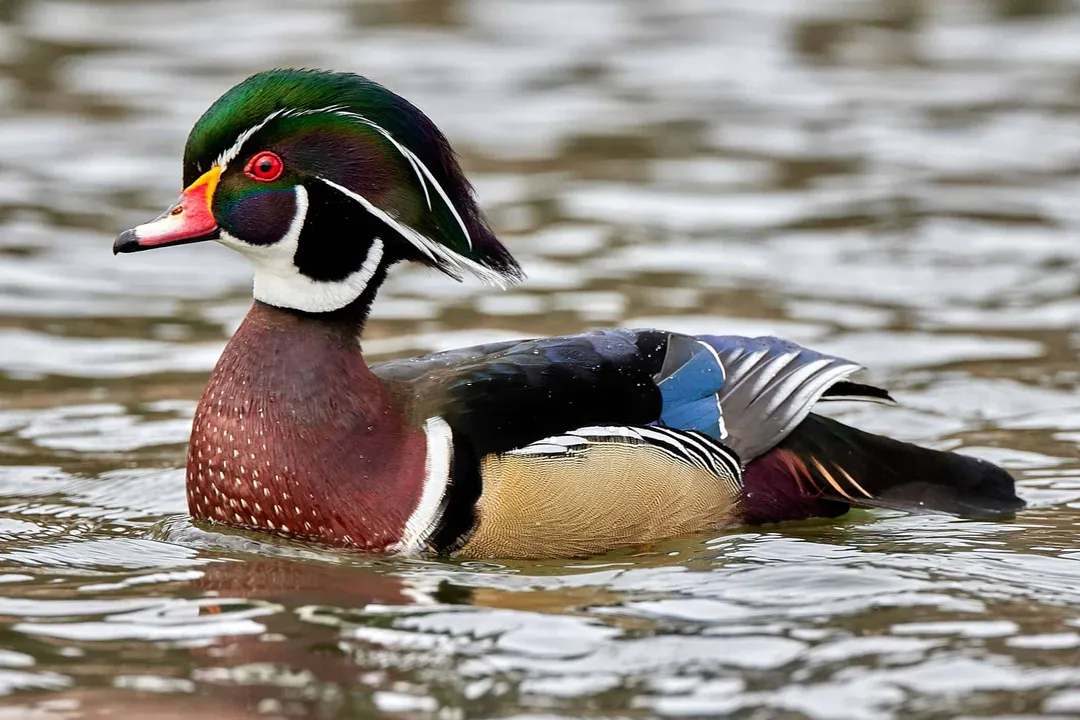
While many might think of them as strict grazers, the consumption of animal matter ramps up considerably when resources are available, particularly during the active breeding and rearing seasons. Wood Ducks forage for a variety of small, slow-moving prey found in or near the water.
This animal protein source primarily consists of:
- Aquatic invertebrates, such as insect larvae and adult beetles.
- Small crustaceans.
- Snails.
- Small fish, which they manage to catch.
This shift to a higher-protein diet in the warmer months supports the high energy demands of flight, courtship, and raising young ducklings.
# Feeding Styles and Backyard Care
Wood Ducks are classified as dabbling ducks, meaning they typically feed by tipping forward in shallow water to reach submerged vegetation or invertebrates without fully submerging. Their bill structure is adapted for picking seeds and small items off surfaces or out of soft mud.
For individuals interested in observing Wood Ducks closely, or perhaps assisting one that has been injured or found as a stray, understanding appropriate feeding practices is vital to avoid causing harm. A common mistake made with many waterfowl species is offering white bread. Bread offers very little nutritional value—it is essentially empty calories—and can lead to serious health issues in ducks, sometimes resulting in a condition known as "angel wing" where the wing bone develops improperly.
Instead of bread, experts suggest providing higher-quality alternatives that mimic their natural foraging success. For an adult or juvenile Wood Duck, specialized game bird pellets are often recommended as they are formulated to provide balanced nutrition. Cracked corn is another acceptable item when necessary, though it should be offered sparingly and not as the staple food source.
# Food Staple Comparison
To put their preferred natural diet into perspective against common human offerings, consider this comparison:
| Food Item | Nutritional Value for Wood Duck | Frequency in Natural Diet | Observation Note |
|---|---|---|---|
| Acorns | High energy, fats, protein | High (Fall/Winter) | A true staple when available. |
| Naiad Seeds | Concentrated energy | High (Seasonal) | Excellent source of aquatic carbohydrates. |
| Insects/Snails | High protein | High (Spring/Summer) | Essential for juvenile development. |
| White Bread | Very low/Poor | Zero | Should never be fed. |
| Game Bird Pellets | Balanced, complete | N/A (Artificial) | Best supplemental food for rehabilitation or pets. |
When you see a Wood Duck pair exploring the edges of a marsh or small pond, they are likely scanning for submerged vegetation or probing the substrate for snails and insect larvae, constantly balancing energy gain against the risk of exposure in more open water. Their survival hinges on this constant, educated assessment of the immediate surroundings and the seasonal calendar.
Related Questions
#Citations
Wood Duck | National Wildlife Federation
Wood Duck | Audubon Field Guide
Wood duck diet and feeding habits - Facebook
Wood Duck Life History, All About Birds, Cornell Lab of Ornithology
Wood Duck | Ducks Unlimited
[PDF] Wood ducks - Thinkport.org
Wood Duck (Aix sponsa) | U.S. Fish & Wildlife Service
What Do Wood Ducks Eat? A Complete Guide to Their Surprisingly ...
What should you feed a pet wood duck? - Quora
Help with baby wood ducks found | BackYard Chickens