What is the best diet for a snake?
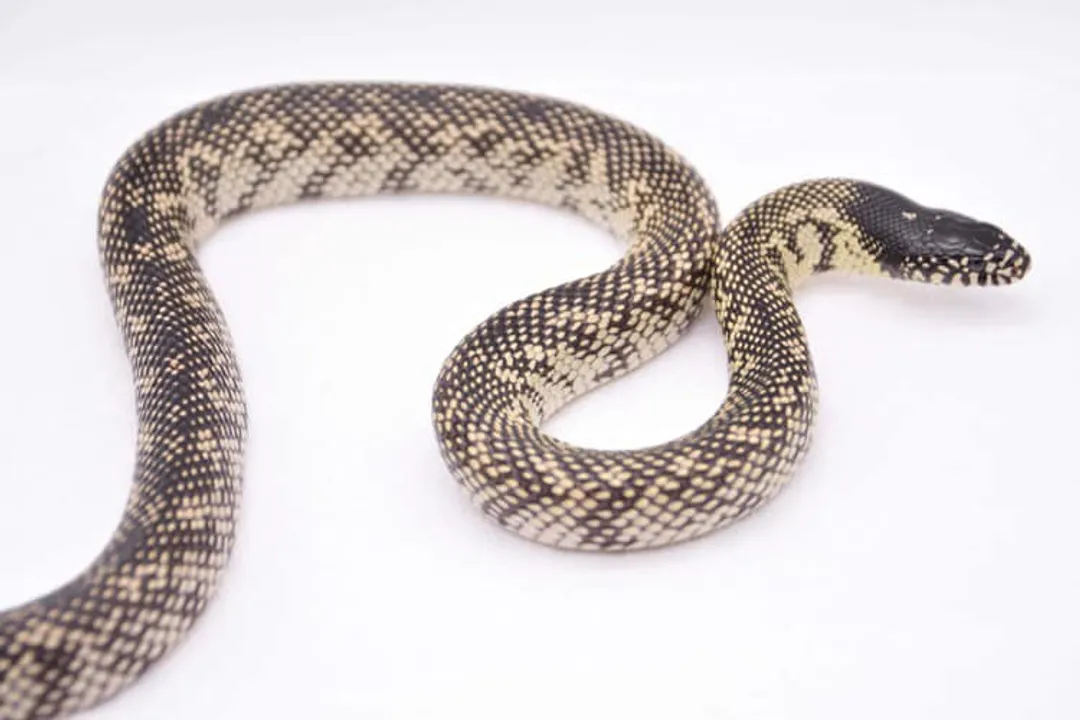
The precise diet that constitutes the "best" for a snake is fundamentally dictated by its species and whether it lives in the wild or under human care. While wild snakes have diverse menus ranging from insects and slugs to eggs, frogs, and small mammals, the needs of a pet snake generally narrow down to a consistent, nutrient-balanced prey item. [4][5] For most captive species, the foundation of a proper diet is built upon rodents, though specific requirements can vary dramatically depending on whether you are keeping a small garter snake or a large boa constrictor. [1][9]
# Wild Diets

In their natural habitats, snakes exhibit remarkable dietary specialization. [5] A snake’s menu in the field is entirely dependent on its location and its own physical adaptations. [4] For instance, some non-venomous snakes might primarily consume insects, while others prefer amphibians like frogs or slugs. [5][9] Many common North American snakes rely heavily on small rodents like mice and voles, or occasionally consume eggs or birds if they are available. [4] This natural tendency toward specialized prey is what keepers attempt to replicate when choosing food items for their pets. [1]
# Captive Staples
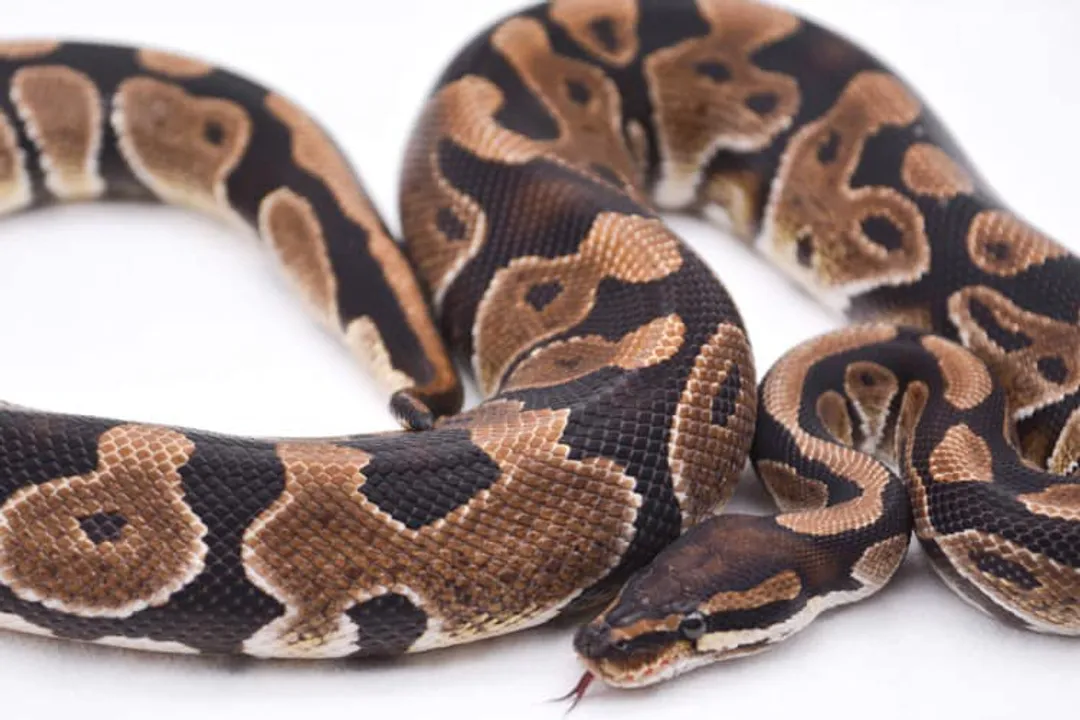
For the vast majority of pet snakes kept today, the cornerstone of nutrition is pre-fed rodents, most commonly mice or rats. [1][2][6] This standardization exists because it offers consistency in size, nutrition, and accessibility for the owner. [9] While wild snakes may eat a varied diet, in captivity, providing a consistent, high-quality prey item—usually frozen, then thawed (F/T)—is often the safest and most practical approach. [2]
# Frozen Thawed
Using frozen and then properly thawed prey is widely recommended by reptile veterinarians and experienced keepers. [2] This method eliminates the risk of injury to the snake that can occur when feeding live prey, as a rodent fighting back can inflict serious bites or scratches on the snake. [2][3] Furthermore, thawing prey under controlled conditions ensures the snake consumes a warmed meal, mimicking the body temperature of live prey, which encourages feeding. [2]
When considering the long-term health investment, the slightly higher initial cost of purchasing F/T prey is usually offset by the reduced risk of expensive veterinary care needed for injuries sustained during live feeding encounters. However, the challenge lies in prey acceptance; some snakes, particularly picky eaters or those accustomed to live food, may refuse a thawed meal, requiring owners to employ gentle warming techniques or sometimes, unfortunately, resort to live feeding as a last resort to prevent starvation. [2]
# Prey Size
Determining the appropriate size of the prey item is perhaps the most critical element after selecting the prey type itself. [1] A meal that is too large can cause regurgitation, severe internal stress, or, in extreme cases, death. [6] Conversely, prey that is too small will not provide adequate nutrition, leading to weight loss or deficiency issues, and it can cause the snake to feel compelled to eat more frequently than is healthy. [1]
A commonly accepted guideline suggests that the prey item should be no wider than the thickest part of the snake’s body, usually at its midsection. [1][6] For many common pet species, this translates to a prey diameter that is roughly equivalent to 1 to 1.5 times the diameter of the snake's body at its widest point. [1] For example, a young snake might require mice that are only slightly thinner than its body, whereas a large adult python might safely consume a rodent whose girth approaches its maximum body width. [6] It is always safer to err slightly on the side of a smaller meal, especially when introducing a new prey item or if the snake is stressed. [3]

# Feeding Rhythms
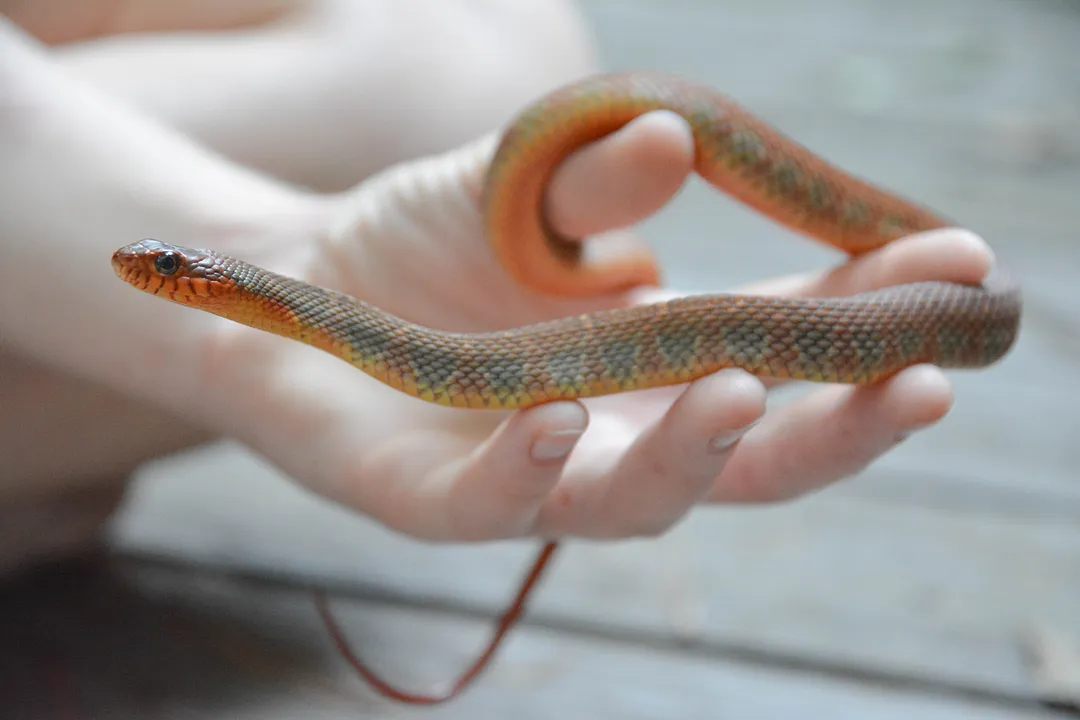
How often a snake needs to eat is directly correlated with its age, size, and the nutritional density of the meal provided. [6] Younger, rapidly growing snakes have higher caloric and nutrient demands and therefore require more frequent feedings. [1]
A general guideline breaks down the frequency based on the snake's life stage:
- Hatchlings/Juveniles: These rapidly growing animals might need to eat every 5 to 7 days. [1][3]
- Sub-Adults/Adolescents: As growth slows, feeding can be extended to every 7 to 10 days. [1]
- Adults: Fully grown snakes have much lower metabolic needs and can often thrive on meals provided every 10 to 14 days, or sometimes even longer, depending on the species' natural history. [6][9]
Providing an accurate water source is just as important as the meal itself, as dehydration can severely impact digestion and overall health. [3]
# Nutritional Balance
While consistency is key, an over-reliance on a single food source, even a standard rodent, can lead to long-term nutritional imbalances if the prey items themselves are not optimally nourished. [8] Snakes, especially those on a strict rodent diet, need a proper ratio of calcium to phosphorus for bone health and metabolic function. [8] If the feeder animals (mice/rats) are improperly fed themselves, the snake can develop metabolic bone disease (MBD), a severe condition where the snake’s skeleton weakens. [8]
To mitigate this risk in species that accept them, diversifying the diet occasionally can provide a broader spectrum of micronutrients than commercially raised rodents alone. For example, if a snake species naturally consumes birds or eggs, occasionally substituting a rodent meal with a properly sized, commercially raised chick or quail can help supply different nutrient profiles, particularly regarding bone density minerals. [7] However, such diversification must be approached cautiously and aligned with the snake's known natural history, as introducing entirely foreign food items can cause stress or refusal. [7]
# Presentation and Environment

The context of the feeding is almost as important as the food itself. Snakes thrive on routine, and the environment where the meal is offered plays a part in successful digestion. [3]
# Pre-Meal Preparation
Before offering the food, ensure the prey item is completely thawed if using F/T. [2] The prey should be warmed thoroughly, ideally reaching around 100 degrees Fahrenheit (38 degrees Celsius) near the core, though you only need to warm the exterior surface until it’s near body temperature. [2] Using warm water (not boiling) is the standard method for thawing. Never microwave rodents, as this creates dangerously hot spots that can severely burn the snake’s mouth or esophagus. [2]
# Location Matters
Feeding should ideally take place in a separate enclosure or a container designated solely for feeding, rather than inside the snake’s primary habitat. [3] While some keepers feed in the main enclosure, using a separate container minimizes the snake’s tendency to associate the owner's hands with food, which helps prevent accidental bites during routine handling outside of feeding time. [3] After the snake has successfully consumed the meal, it is important to leave it undisturbed. Handling or excessive environmental stimulation immediately following a meal can cause the snake to regurgitate, which is a significant physiological setback. [3] A good rule of thumb is to leave the snake completely alone for at least 48 to 72 hours following consumption before resuming regular handling schedules. [3]
A subtle but important environmental factor is hydration. Ensuring the water bowl is clean and full before offering food is non-negotiable, as water aids in the swallowing process and is essential for the digestive process that follows. [3] If a snake misses a scheduled meal, it is best practice to wait a full week before offering food again, rather than attempting to feed it twice in quick succession, which risks overwhelming its system. [3] This patience reinforces the snake's natural feeding rhythm and minimizes the chance of regurgitation.
Related Questions
#Citations
What Do Snakes Eat? - PetMD
Feeding Pet Snakes | VCA Animal Hospitals
Pet Snake Nutrition and Feeding | PetSmart
What do snakes eat? - Critter Control
Snake Food - Great Basin National Park (U.S. National Park Service)
What Do Snakes Eat? A Guide To Feeding Your Pet Snake - Chewy
Diversifying Snake Diets - BeWild Reptile Rescue
Nutrition in Snakes - Management and Nutrition
What Do Snakes Eat? | Seattle Vets - Northgate Veterinary Clinic