Wood Turtle Diet
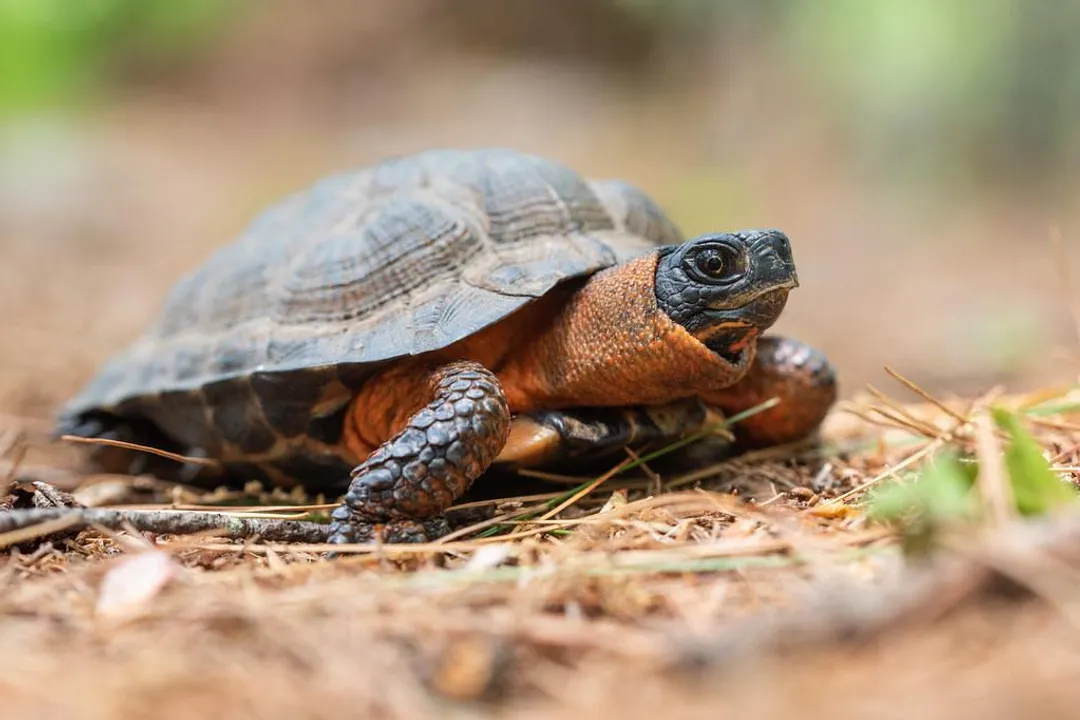
The Wood Turtle, a reptile known for its sculpted shell and preference for cool, clear streams, maintains a surprisingly varied menu in both its natural environment and in captivity. These reptiles are classified as opportunistic omnivores, meaning their intake shifts based on what is seasonally available and, significantly, based on their life stage. Understanding this dietary flexibility is key to appreciating their ecological role and providing appropriate care if they are being kept outside of the wild.
# Wild Consumption
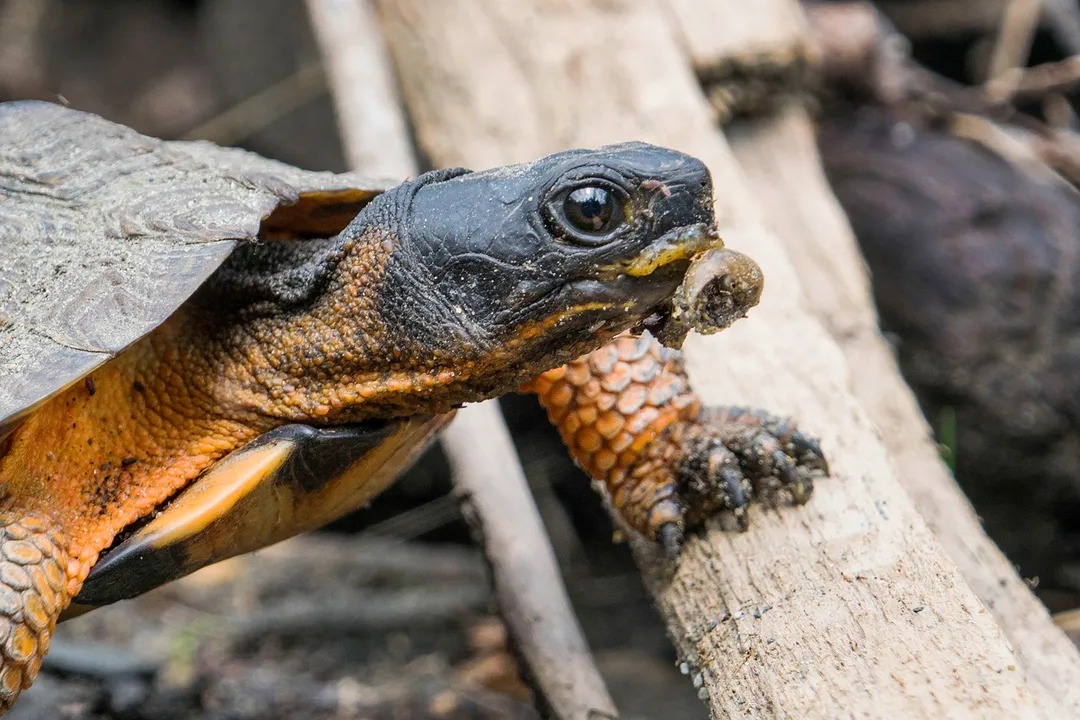
In their native habitats, which typically involve forested streams with gravel bottoms and adjacent floodplains, Wood Turtles forage both in the water and extensively on land. Their natural diet reflects a broad sampling of their surroundings, encompassing a wide variety of plant matter, fungi, and animal life.
On the animal side of the ledger, invertebrates form a crucial component. Wild Wood Turtles are observed consuming earthworms, slugs, and crayfish. In fact, the presence of snail shell fragments stuck to a Wood Turtle’s beak is a common observation, pointing to mollusks as a significant food source. Their aquatic foraging habits, sometimes seeing them crawling along the stream bottom, allow them access to food items like crayfish. Beyond these, the natural animal protein intake can include other insects, beetle species, the eggs and larvae of amphibians, and even carrion, such as dead fish or newborn mice.
The plant portion of the diet is equally diverse. Turtles will consume mushrooms when available, as well as various flowers, grasses, mosses, and algae. Of particular note are the fruits and berries they seek out when in season, including elderberries, raspberries, grapes, blackberries, and dewberries.
A fascinating, specialized behavior observed in the wild aids their foraging efforts for subterranean prey. Wood Turtles engage in what is termed “worm stomping,” a unique method where they rhythmically stamp the ground using their chest. It is hypothesized that the resulting vibrations mimic those caused by falling rain or the movement of a mole—a known predator of earthworms—thereby drawing the worms to the surface where they can be easily captured.
# Age Shifts
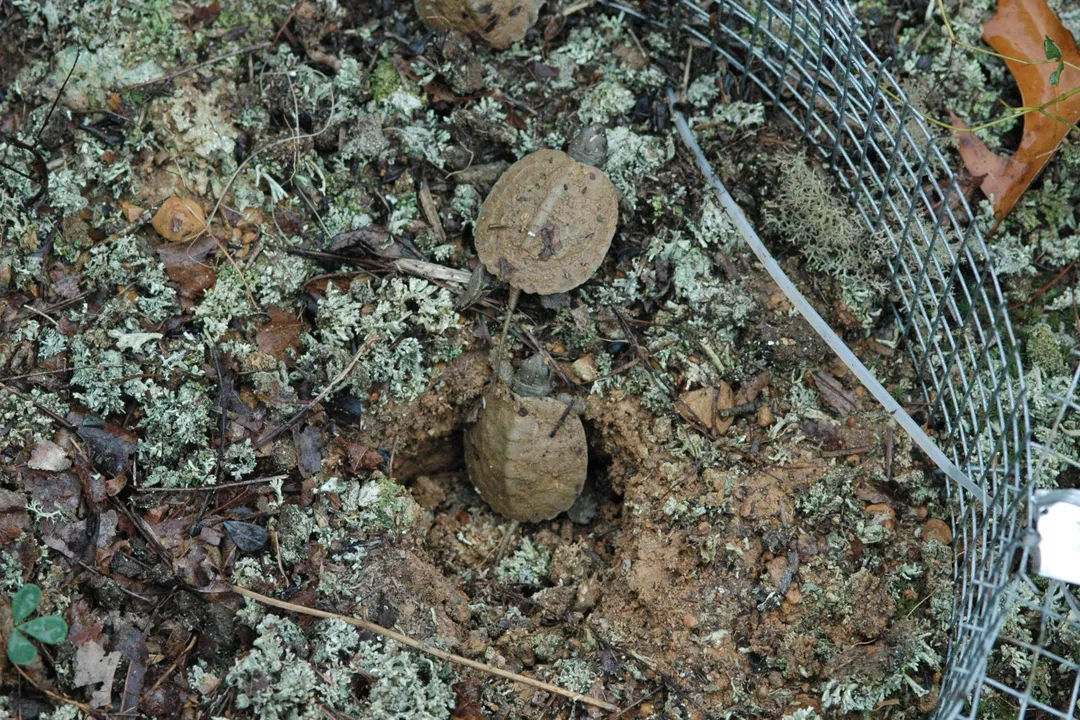
The composition of the Wood Turtle's diet is not static; it changes noticeably as the turtle matures. Juveniles require a diet relatively rich in protein, incorporating a higher proportion of insects, invertebrates, and carrion to support rapid growth.
As the turtle ages into adulthood, its reliance on animal protein lessens, and the diet naturally tips toward being predominantly vegetation-based. While this shift occurs, protein sources like slugs and snails remain important staples throughout their lives. This pattern—heavy on protein for the young, heavier on plants for the old—is a critical consideration when attempting to replicate their nutritional needs in a controlled setting.

# Captive Rations
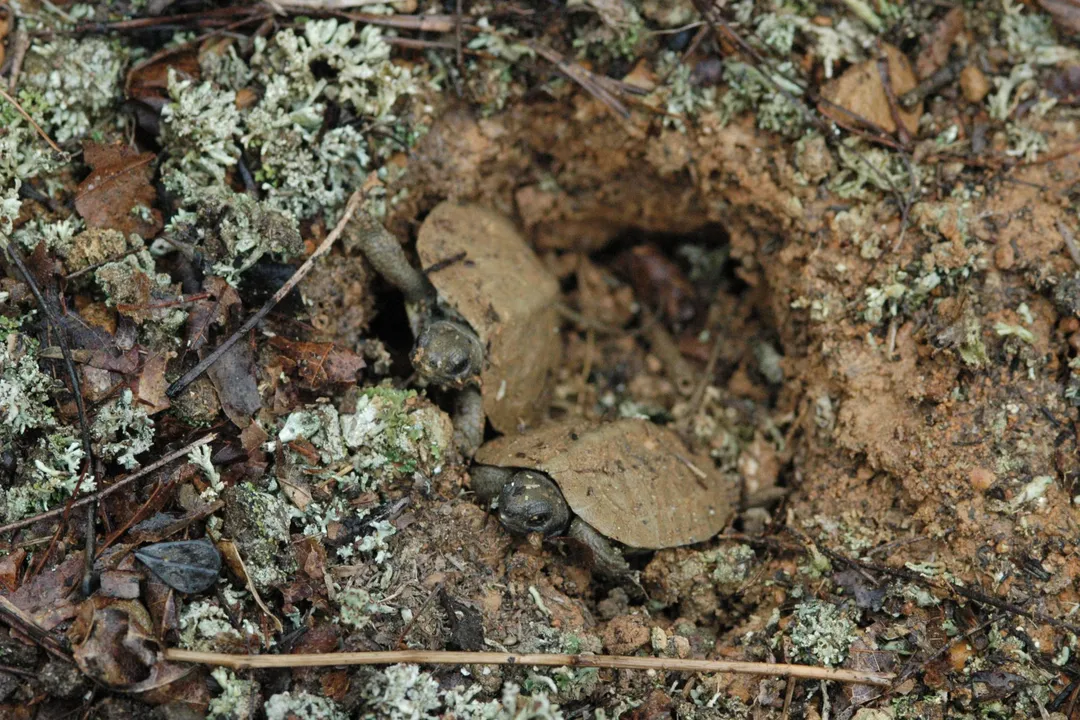
When keeping Wood Turtles in a captive environment, caretakers must balance the natural omnivorous tendency with the need to provide balanced nutrition year-round, a task often managed through scheduled feedings. [2] The target ratios for protein versus vegetables change significantly between hatchlings and established adults. [2]
For the youngest turtles, those under six months old, the recommended balance is split evenly: 50% protein food or pellets and 50% vegetables. [2] These young animals should be offered food daily. [2] As they progress into the 6- to 12-month window, the ratio remains similar at 50/50, though feeding frequency for the protein component can decrease to every other day, while vegetables remain a daily offering. [2]
Once a Wood Turtle passes its first year, the dietary emphasis swings toward plant material. [2] The guideline suggests a ratio of 25% protein food or pellets to 75% vegetables. [2] In this adult phase, the protein is generally offered only two to three times per week, while fresh vegetables should still be provided daily. [2] One source focused on Ornate Wood Turtles suggests a slightly different range, aiming for 60–70% plant matter with the remainder being protein. [5] Given the strong preference for riparian vegetation in the wild, replicating this high-vegetable diet requires careful selection of greens and produce, considering that wild turtles are not consuming commercially grown, low-nutrient commercial produce.
# Food Selection
To meet these varied requirements in a captive setting, a wide variety of food sources is available, though keepers must avoid food items that might be too "spicy" or fuzzy. [3]
Commercial pellets can form a part of the diet for all ages, with specialized formulas available for juveniles and adults, such as Omega One Juvenile Turtle Pellets, Omega One Adult Turtle Sticks, Tetra ReptoMin, Zoo Med Natural Aquatic Turtle Food, or Mazuri Aquatic Turtle Diet. [2]
For animal-based protein, suitable options include:
- Insects: Crickets, dubias, silkworms, grasshoppers, isopods, and waxworms. [2][5]
- Aquatic Invertebrates: Earthworms and snails. [2][5]
- Prepared Items: Freeze-dried shrimp or krill, and frozen bloodworms. [2] One keeper also noted using lean, raw hamburger mixed with supplements for younger animals. [3]
The vegetable component should prioritize dark, leafy greens. [2] Acceptable greens include collard greens, dandelion greens (and flowers), endive, green leaf lettuce, kale, red leaf lettuce, and romaine lettuce. [2] Other vegetables recommended are raw grated squash, carrots, green beans, and raw grated sweet potato. [2] Aquatic plants like duckweed, water hyacinth, and water lettuce can also be included. [2]
Fruits are typically offered as treats rather than daily staples. [3][5] Favorable fruits mentioned include cantaloupe, bananas, strawberries, mulberries, blackberries, and apples. [3][5]
When preparing a mixed meal, one suggested technique is to create a "turtle salad" layered with shredded vegetables at the bottom, a small piece of fruit in the middle for visual appeal, and topped with a live item to stimulate interest. [5]
# Supplementation Focus
Regardless of the exact mix of whole foods provided, ensuring the turtle receives adequate minerals is non-negotiable for shell and bone development. [2] For extra calcium, it is recommended that Wood Turtles have constant access to a cuttlebone or a calcium block within their enclosure. [2] Furthermore, when feeding a varied meal of shredded vegetables and protein, lightly dusting the food with a mix of calcium powder and reptile vitamins can help guarantee the proper micronutrient intake, though keepers should be careful not to overdo it, as excessive dusting can make the food unpalatable. [5] This regular mineral balance is especially important as these turtles are known for their long lifespans, sometimes exceeding 80 years in the wild, meaning nutritional deficits can compound over decades.
Related Questions
#Citations
Wood Turtle Care Sheet - Reptiles Magazine
Wood Turtle Care Sheet - Dubia.com
Need Help Building Habitat/Caring for Ornate Wood Turtle - Reddit
Wood Turtle - Virginia Department of Wildlife Resources
Wood Turtle - The Orianne Society