Writing Spider Facts
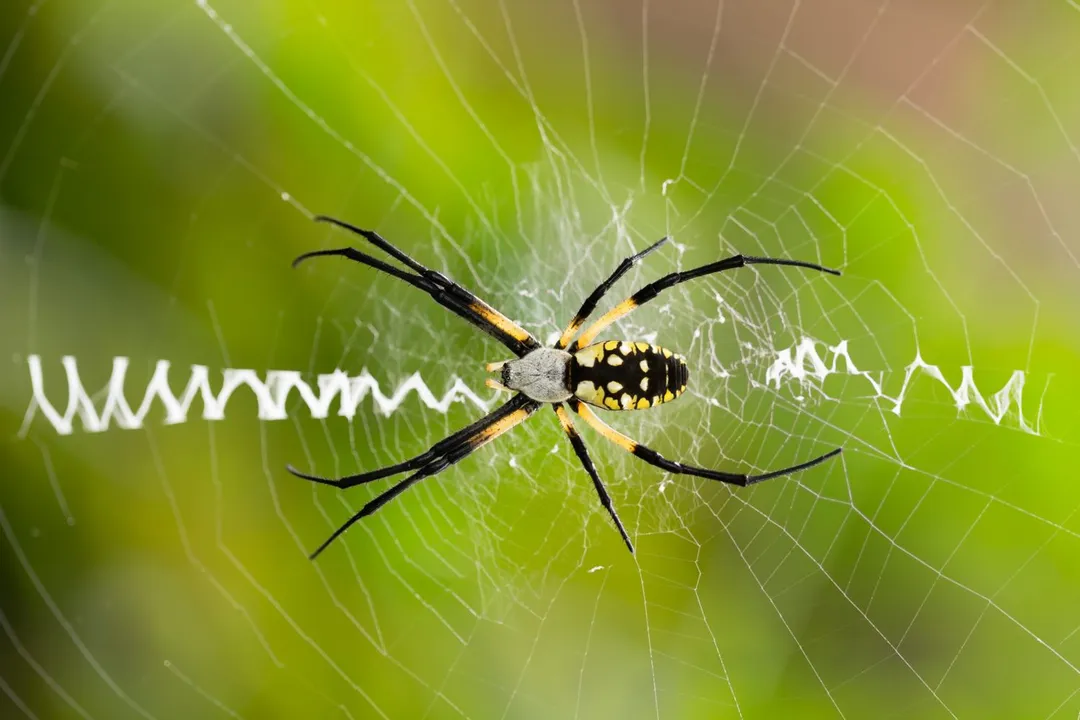
The sight of a massive orb web strung between garden stakes or shrubbery, dominated by a thick, white, zigzag pattern, immediately identifies the architect: the writing spider. This creature, scientifically known as Argiope aurantia, is a striking invertebrate, famous less for its predatory skills—which are considerable—and more for the conspicuous silken signature it leaves squarely in the middle of its snare. [6][5] These spiders are common residents of gardens, fields, and areas with tall grasses throughout North America. [2][6] While their size and dramatic webbing might suggest danger, understanding their habits reveals a generally harmless inhabitant of the backyard ecosystem. [5]
# Appearance Distinct
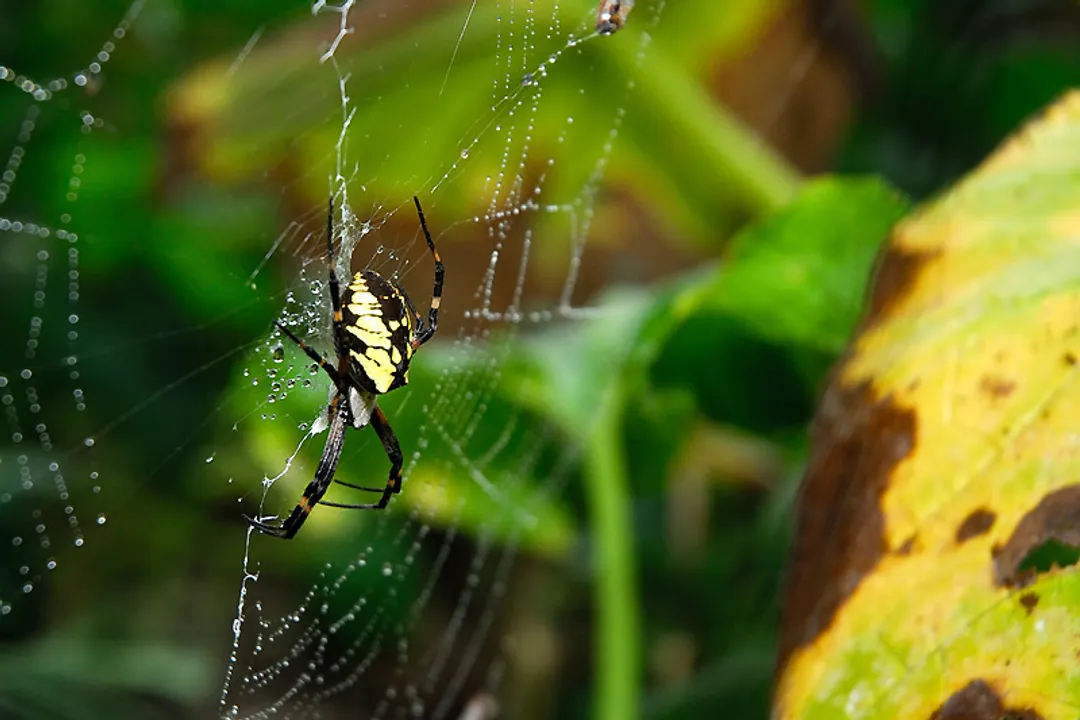
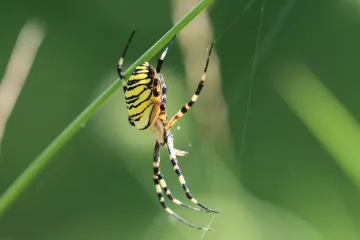
The visual impact of the writing spider is primarily driven by the female, as the males are significantly smaller and far less frequently noticed. [6] The females exhibit a bold pattern of black and bright yellow bands across their abdomen, making them highly visible. [2][3] Depending on the light and the specific spider, their legs may appear dark with reddish-orange bands or even sport iridescent blue or silvery hues. [2][6] This vivid coloration serves as a clear warning, a form of aposematism, signaling to potential predators that they might be distasteful or, at the very least, not easy prey. [6] In stark contrast, the male is slender and pale, often presenting a less intimidating profile. [6]
When viewing a mature female, one might encounter a body length reaching up to an inch, making them quite large compared to many other common orb-weavers. [6] When they occupy the center of their web, waiting for prey, their distinct coloration and large size make them unmistakable.
# Web Signature
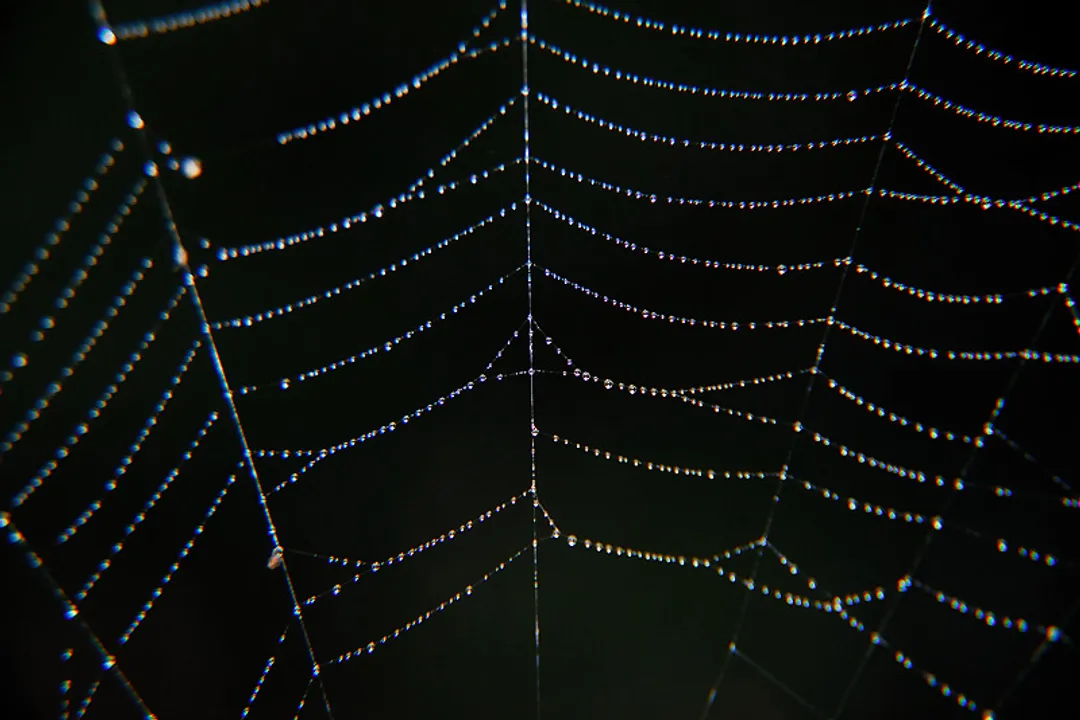
The structure created by Argiope aurantia is what earns it the common name. It is an orb web—a classic, circular, sticky spiral supported by radial spokes—but it features an embellishment that sets it apart: the stabilimentum. [1][3] This feature is a dense, zigzagging vertical band of silk woven directly into the hub of the web, where the spider usually rests. [3][5] The pattern is so pronounced that early observers likened it to written script. [5]
The silk making up the stabilimentum is different from the capture silk; it is coarse, opaque, and non-sticky. [1][3] The precise geometry varies between individuals and across different instances of web building, though it consistently anchors the center of the design. [3] It is interesting to note the consistency of this construction; even when relocated, the spider often recreates this specific architectural element in its new web. [1] If the web is damaged or the spider rebuilds frequently, the stabilimentum might appear less defined or absent entirely, which is one reason some people question if the spider is actually present. [3]
# Function Debated
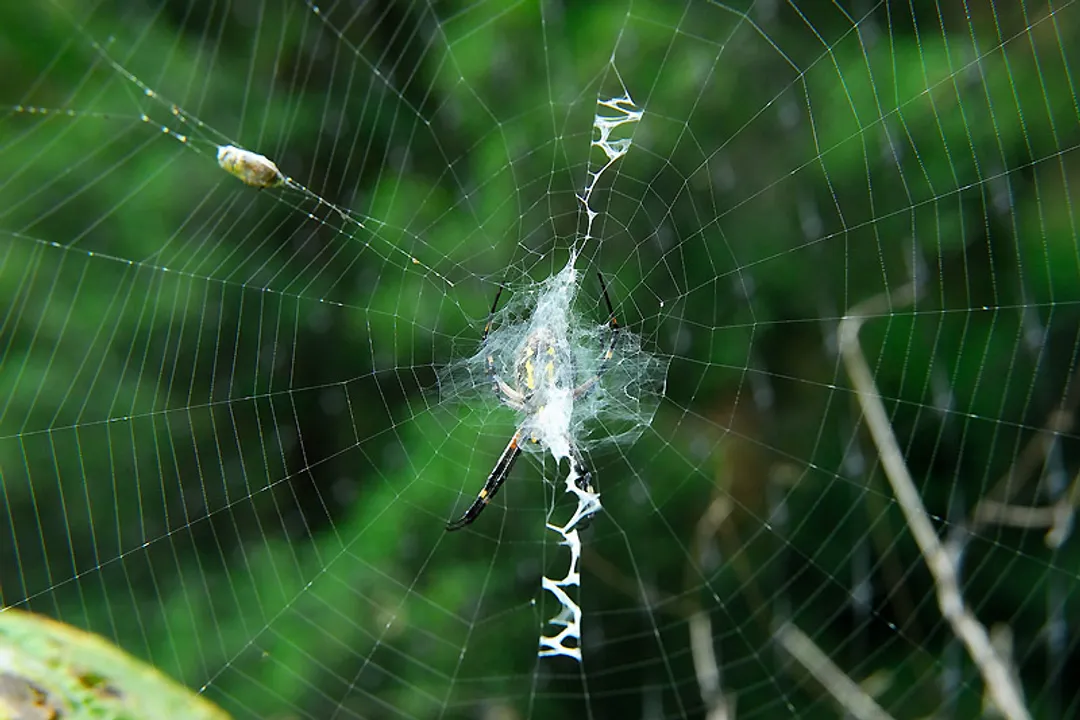
The presence of such a conspicuous structure begs the question: what is its real purpose? Scientists have put forth several compelling theories, yet no single explanation is universally accepted, indicating the stabilimentum likely serves multiple roles depending on the situation. [3][6]
One leading idea is that the stabilimentum acts as a warning sign, particularly for avian predators. [3] Birds flying at high speed might see the dense silk before striking the web, potentially avoiding damage to the structure, which the spider invests significant energy in creating. [6] If the web is damaged, the spider must expend energy to repair or rebuild it. Furthermore, the silk of the stabilimentum strongly reflects ultraviolet (UV) light. [6] This property leads to a contrasting theory: that it functions as an insect lure. Many insect species, like flies and bees, are highly attracted to UV light, meaning the zigzag could be acting as a visual beacon to draw prey directly into the sticky capture spiral. [6] While the bird warning hypothesis focuses on protection from the environment, the prey attraction hypothesis focuses on enhancing the web’s effectiveness for catching food. It seems paradoxical that a structure could simultaneously scare away large animals while attracting small ones, but the physics of light reflection and visibility at different scales might explain this duality. [6]
Another, perhaps more straightforward, theory suggests a structural role—that it helps stabilize the large web against wind and vibration, hence the name stabilimentum. [1][3] However, some observations suggest that the spider will build the web without it and relocate if it is intentionally removed, which suggests its significance goes beyond mere structural support. [3] Considering the spider’s life cycle, where it dies in the autumn, maximizing the efficiency of the web before winter is paramount, which leans toward the insect attraction hypothesis being strongly favored in many contexts.
# Temperament Assessed
Despite their imposing appearance, writing spiders are generally not aggressive toward humans. [5] They prefer to retreat when disturbed, often dropping from the web or hiding in dense foliage nearby. [1] They do not actively hunt humans or pets; encounters usually only happen when someone physically threatens the spider or accidentally walks into its web. [5]
If a bite does occur, it is typically in self-defense. [5] The venom is not considered medically significant for most people. [5] The experience is often compared to the sting of a bee or wasp—painful locally, perhaps causing some localized swelling or redness, but unlikely to cause systemic harm. [5] It is important for gardeners to remember this; recognizing the spider and respecting its space ensures a peaceful coexistence. A simple way to prevent accidental encounters is to place supporting structures for their webs, like stakes, in areas where people do not frequently walk, thereby respecting the spider's territorial boundary before the web is fully constructed. [1] This proactive measure minimizes both human risk and the spider's need to build in a high-traffic zone.
# Seasonal Span
The life of the writing spider is tied tightly to the warmer months. They emerge in the spring and mature through the summer. [3] As the season transitions toward fall and cooler temperatures set in, the adult spiders perish. [3] The continuation of the species relies entirely on the female’s final act: creating the egg sac. [3] This protective casing, often described as a silken purse often secured to nearby vegetation, safeguards the next generation of spiders through the winter months, awaiting the warmth of spring to hatch. [3] This annual cycle—a rapid, productive summer culminating in a single protective clutch—is a common strategy among many orb-weaving species across temperate zones.
#Videos
The YELLOW GARDEN SPIDER 🕷️ Animal Fact Files - YouTube
Related Questions
#Citations
The Writing Spider - Life in the Places Between - Humane Gardener
What to Know About The Garden Spider - Southern Living
The Writing Spider (Argiope aurantia) - Curbstone Valley Farm
The YELLOW GARDEN SPIDER 🕷️ Animal Fact Files - YouTube
The Writing Spider: Harmless Bug or Dangerous Nightmare Machine?
Argiope aurantia - Wikipedia
It is an Argiope aurantia, known as the "writing spider." - Facebook
Writing Spiders - Post - Mary Snoddy
Yellow Garden Spider, Writing Spider Argiope aurantia (Lucas ...