When bitten by a woodlouse spider, what characterizes the typical localized reaction in humans?
Answer
Pain, mild swelling, redness, and sometimes itching
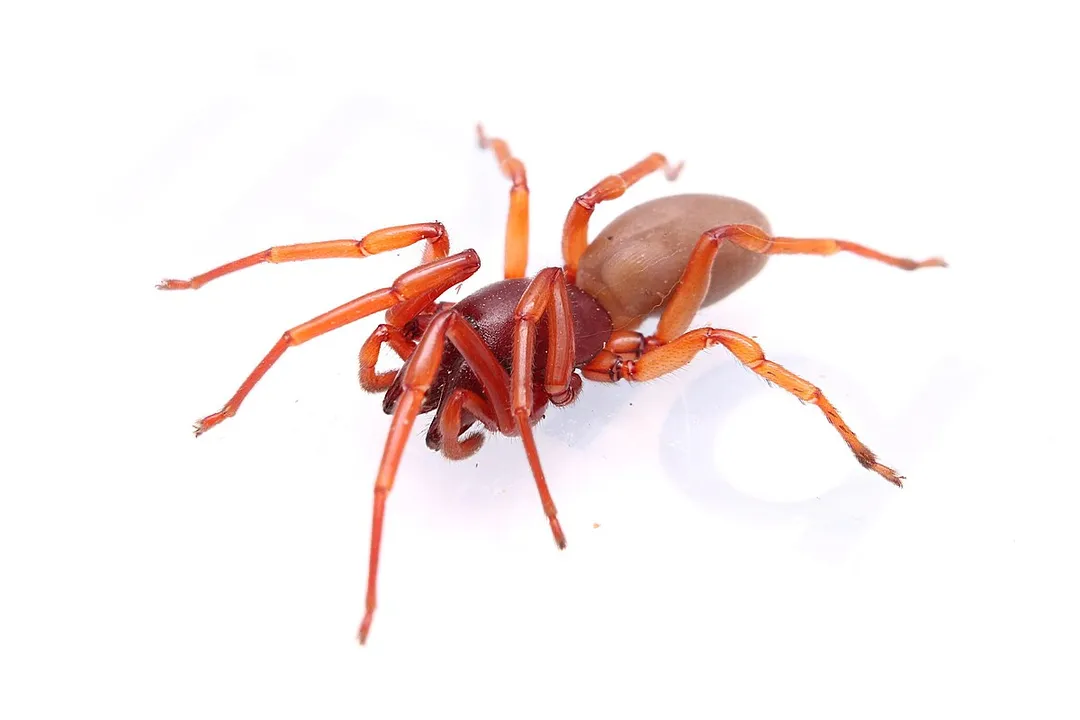
Although the woodlouse spider is venomous and its large fangs can deliver a painful bite if the spider is threatened, the severity of the effect on humans is considered low. Systemic reactions, those affecting the entire body, are rare occurrences. Instead, the symptoms are typically confined to the area of the bite. These localized effects commonly include noticeable pain immediately following the bite, mild swelling, redness developing at the site, and sometimes an accompanying sensation of itching. The puncture wounds left by the powerful fangs are often more visually prominent than the immediate effects of the venom itself.
Related Questions
What is the family classification for the woodlouse spider, *Dysdera crocata*?Why does *Dysdera crocata* possess elongated and robust chelicerae?How many eyes does the woodlouse spider possess, unlike *Tegenaria* or *Eratigena* genera?What specific terrestrial crustaceans constitute the primary diet of the woodlouse hunter?What feature camouflages the female *Dysdera crocata*'s egg sac in its damp habitat?When bitten by a woodlouse spider, what characterizes the typical localized reaction in humans?What environmental condition is essential for the woodlouse spider because of its reliance on woodlice?Which hunting web structure is typically *not* constructed by the nocturnal woodlouse spider?What is the general body length range for adult male woodlouse spiders compared to females?If pest management is deemed necessary for *Dysdera crocata*, what is the recommended primary defense strategy?