Yellow Sac Spider Facts
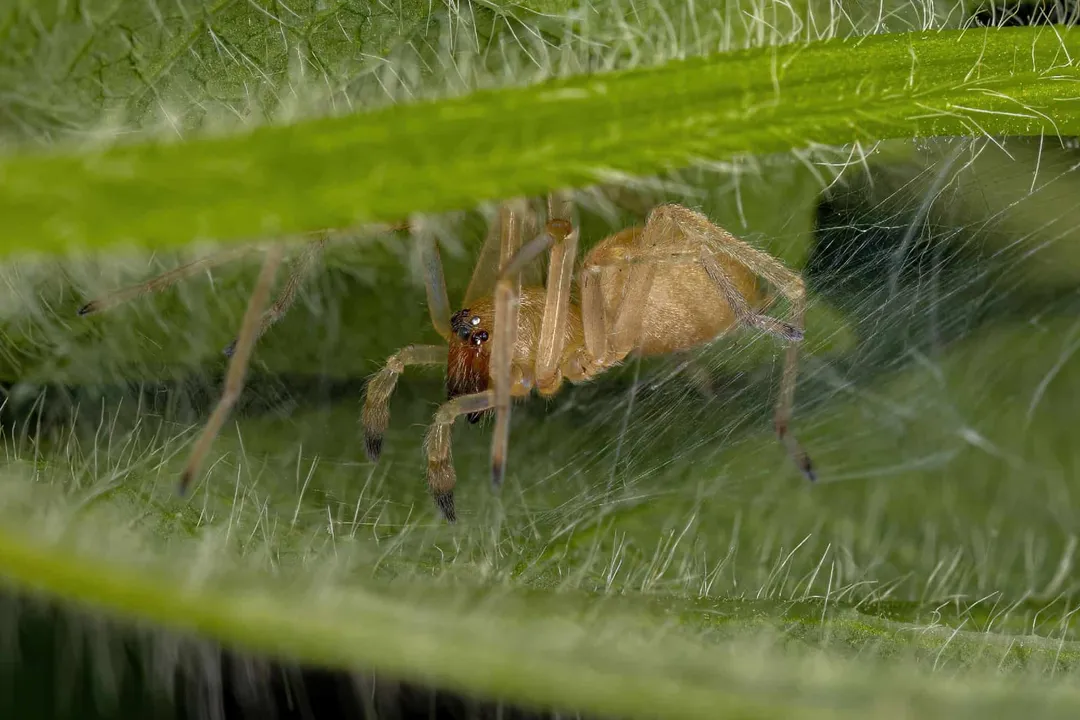
The yellow sac spider, often recognized by its pale, unassuming color, presents a fascinating case study in household arachnids that rarely receive the attention given to their more infamous cousins. These spiders, belonging primarily to the genus Cheiracanthium, are common inhabitants of both outdoor foliage and indoor environments across the globe. Though their appearance—typically a small, creamy, or yellowish creature—might suggest harmlessness, their bite carries more consequence than many casual encounters with spiders do. Understanding their habits is key to knowing when and where you might cross paths with one of these agile hunters.
# Color and Form
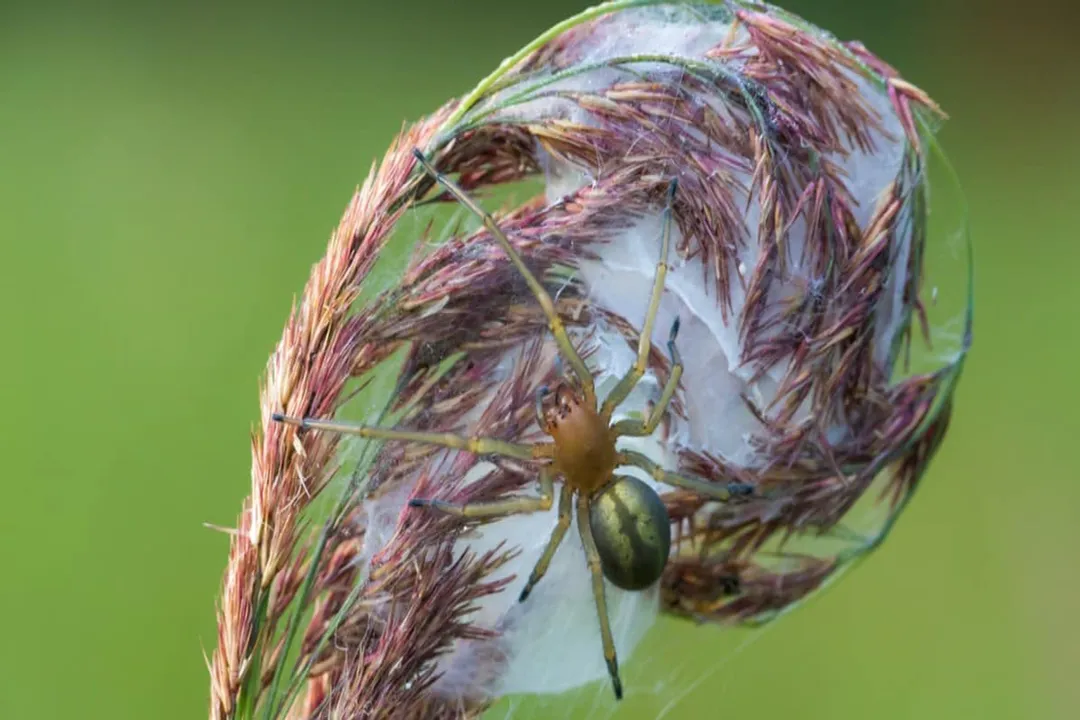
The general appearance of a yellow sac spider is often noted for its bright coloration, though this can vary depending on the specific species and environment. Most commonly, individuals are a pale yellow, sometimes leaning toward a greenish-yellow hue. This lighter coloration helps them blend into vegetation during the day. The abdomen is usually yellowish, and the cephalothorax might appear slightly lighter. While many are uniformly colored, some populations exhibit darker markings, often appearing as faint spots or lines on the abdomen or legs. In North America, two species are frequently discussed: Cheiracanthium inclusum and Cheiracanthium punctorium, though it is often difficult for the average person to differentiate between them without expert help. Regardless of subtle differences, they are small spiders, generally measuring around one-third of an inch in body length. Like other spiders, they possess eight legs and eight eyes, which are arranged in two rows of four.
# Silk Use
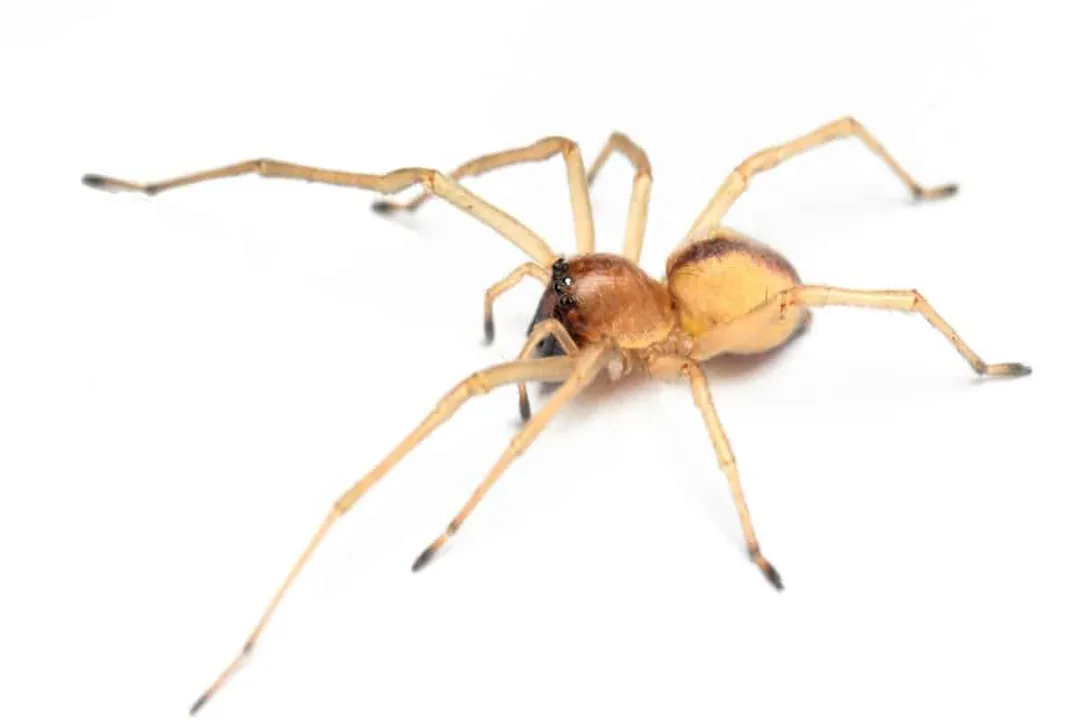
Unlike orb-weavers that construct elaborate webs to snag flying meals, the yellow sac spider is an active hunter. The silk they produce is used functionally for shelter rather than trapping prey. They construct small silken sacs, often described as tubes or flattened sheets, which serve as a retreat during the daylight hours. These retreats are surprisingly durable and are often anchored in protected locations. Outdoors, you might find these silken shelters tucked into the folded leaves of plants, under bark, or within dense ground debris. Inside human structures, these same retreat behaviors lead them to hide in undisturbed areas such as ceiling corners, behind furniture, or within clutter piles. This habit of resting in secluded spots means they are only encountered when they leave their safe space to hunt after dark.
# Nocturnal Habits
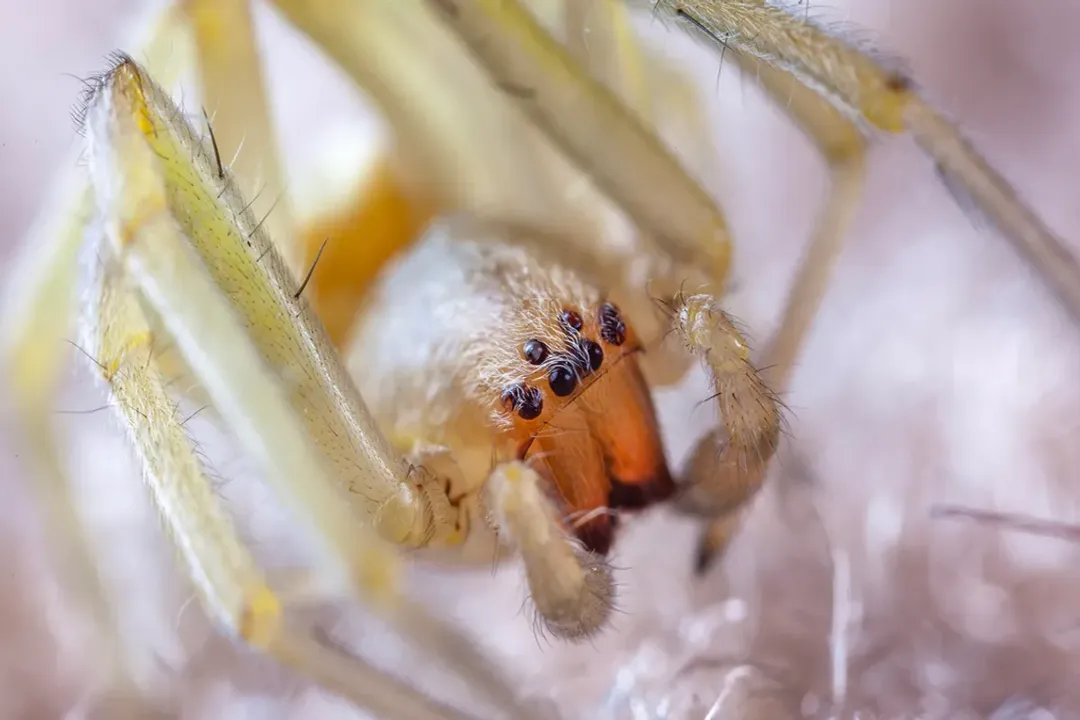
The activity cycle of the yellow sac spider is strictly nocturnal. As twilight settles, these spiders emerge from their silken retreats to actively search for prey. Their diet consists mainly of small, soft-bodied insects they can overpower through pursuit. Because they are wandering hunters, their encounters with people are usually accidental, often happening when a person brushes against a resting spider or inadvertently disturbs its hiding spot during the day.
It is interesting to observe how their retreat behavior influences where people find them. While pest control professionals often focus on removing webs associated with web-building spiders, the sacs of Cheiracanthium are less conspicuous—more like rolled-up leaves or small, dirty patches on a wall. If you are inspecting vegetation or stored items and notice small, silken enclosures, it is wise to treat them with caution, as this indicates the presence of these spiders, even if you do not see the spider itself immediately. A homeowner trying to reduce spider sightings indoors might initially focus on lighting conditions that attract insect prey, as reducing the food source can indirectly lead to a reduction in hunting spiders near frequented areas.
# Bite Significance
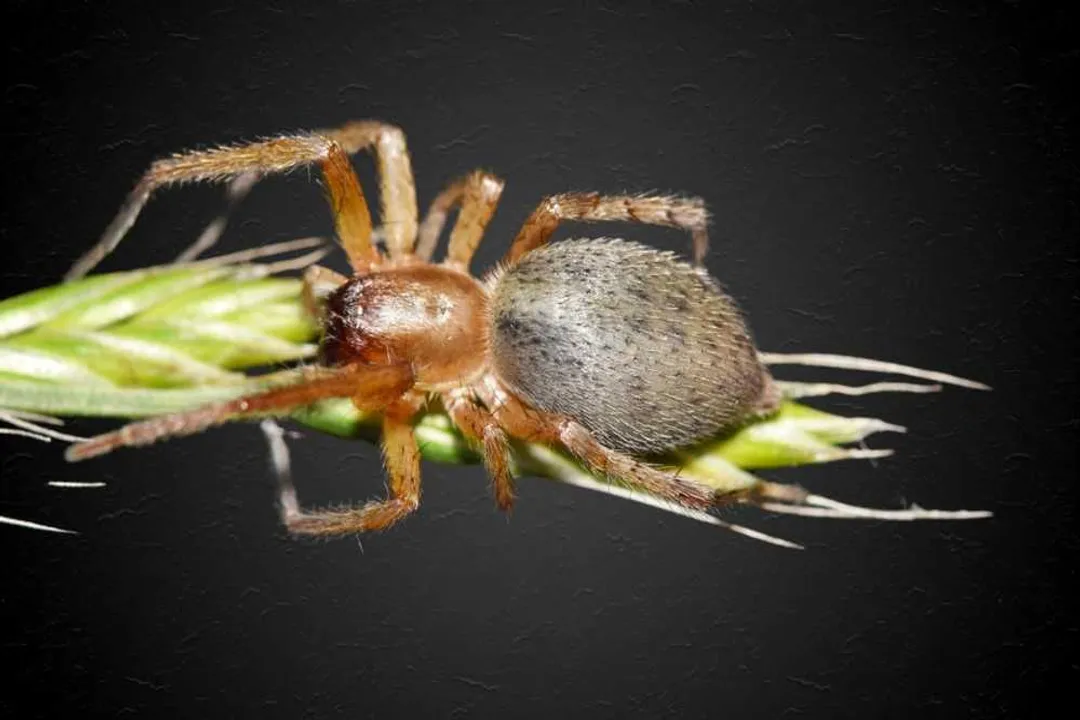
When a yellow sac spider bites, it is usually because it feels directly threatened, often when trapped against the skin, such as when one rolls over onto it in bed or puts on clothing that hasn't been worn for a while. The bite is often described as immediately painful, though the severity varies widely between individuals and species.
The symptoms following a bite can range from mild to moderately severe. Immediate effects usually include sharp pain, localized redness, and swelling at the bite site. In some cases, itching or the development of a small blister can occur. While most bites resolve without serious complications, there have been documented cases where the bite has led to localized necrosis, meaning the skin tissue around the bite dies. It is important to note that while necrosis is a recognized potential outcome, it is generally considered rare, especially compared to the established bite patterns of the Brown Recluse spider, which the yellow sac spider bite is often misidentified as. Systemic reactions, such as fever or nausea, are uncommon but possible.

# Medical Comparison
The clinical outcomes from yellow sac spider bites often create confusion in medical settings because the symptoms—pain, swelling, and potential blistering—can mimic other arthropod bites. For instance, a bite from Cheiracanthium inclusum might cause a painful lesion that takes weeks to heal, whereas the reaction to C. punctorium is sometimes reported as less severe, though literature comparing the two for North American audiences often focuses on the potential for localized tissue damage from either.
To provide a clearer picture of what to expect, here is a quick comparison of potential symptoms based on common reports:
| Symptom Feature | Mild Reaction | Severe (Necrotic Potential) |
|---|---|---|
| Initial Pain | Sharp, immediate | Intense, lingering |
| Lesion Appearance | Redness, small bump/wheal | Blistering, darkening center |
| Duration | Resolves within days | Healing may take weeks |
| Systemic Effects | Rare | Very rare (e.g., nausea) |
This differentiation is crucial because many non-necrotic bites heal quickly without intervention, while those developing deep lesions require careful monitoring. A practical first step after suspecting any bite is to safely capture the spider if possible, though do not delay first aid treatment attempting capture. If the bite site remains inflamed, develops a spreading rash, or if general malaise occurs, seeking medical attention while noting the spider's appearance—or even providing the specimen—is the best course of action.
# Control Measures
Managing the presence of yellow sac spiders in and around the home centers on sanitation and physical exclusion, given their tendency to hide in clutter and low-traffic areas. Because these spiders hunt at night, reducing their easy access to prey inside the home can lessen their presence over time.
Effective prevention strategies include:
- Sealing Entry Points: Inspect the exterior of your home for small cracks or gaps around windows, doors, and utility line entrances. Seal these openings to prevent spiders from moving indoors from outdoor harborage areas.
- Exterior Lighting Management: Yellow sac spiders hunt insects, and insects are drawn to bright lights. Using yellow "bug lights" or keeping outdoor lighting to a minimum, especially near doorways, can reduce the attraction of their food source near entry points.
- Indoor Tidiness: Since these spiders favor undisturbed, dark corners for their daytime retreats, reducing clutter both inside and outside is helpful. Keep storage areas organized, and avoid letting piles of wood, debris, or stored items press directly against the exterior walls of the house.
- Perimeter Treatment: Applying residual insecticides around the foundation perimeter, particularly near windows and door frames, can help manage active populations attempting entry or resting outside.
It is worth noting that while they are common pests, they are not inherently aggressive, and bites are almost always defensive. Therefore, control methods should prioritize exclusion and sanitation over aggressive chemical treatments unless a large infestation is suspected. Controlling the small insect population that forms their diet is a secondary, long-term strategy that contributes to a less inviting indoor environment for any wandering hunter.
Related Questions
#Citations
Yellow Sac Spiders: Facts And Bites - Western Exterminator
Cheiracanthium inclusum - Wikipedia
Cheiracanthium inclusum | INFORMATION - Animal Diversity Web
Yellow Sac Spider: Facts & Identification Guide
[PDF] A Guide to Yellow Sac Spider - Alameda County Vector Control
The Yellow Sac Spider Surprisingly Doesn't Build a Web
[PDF] Yellow Sac Spiders - Utah State University Extension
Yellow Sac Spider - A-Z Animals
Yellow Sac Spiders: Identification and Removal - Terminix