Woodlouse Facts
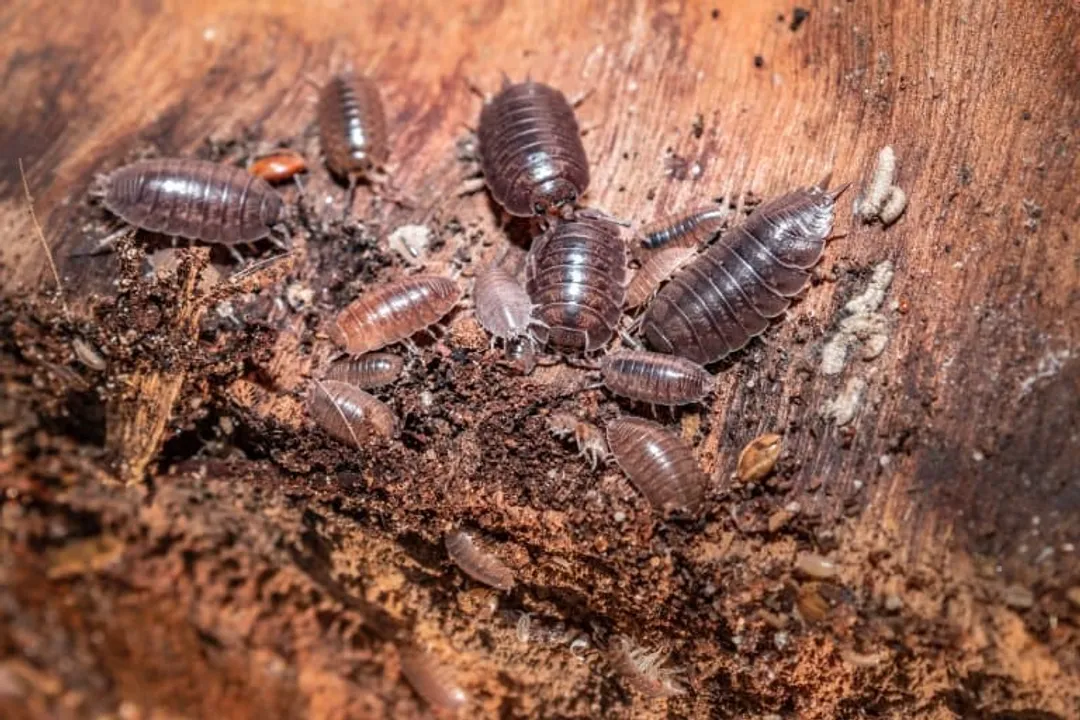
The small creatures often unearthed when lifting stones or decaying logs are not insects, despite their common, if slightly derogatory, historical names. Woodlice are, in fact, terrestrial isopods, members of the suborder Oniscidea. [1] This classification places them firmly within the larger crustacean group, making them closer relatives to familiar marine animals like crabs, lobsters, and shrimp than they are to any insect. [1][4][5] In the British Isles alone, there are around 30 to 40 recognized species, though globally, estimates suggest between 5,000 and 7,000 exist. [1][5][7]
# Naming Confusion
The prevalence of woodlice across various human settlements has led to an extraordinary number of local and colloquial names. In a single survey, researchers found over 250 different terms used across the English-speaking world. [5] These names often reference their appearance, such as rolling into a ball—earning them the descriptor "pill bug" or "roly-poly"—or reference their habitat or supposed resemblance to something else entirely. [1][4][7] For instance, in Devon, they are known as "chiggy pigs," while in Cornwall, they might be called "gramersow". [2][5] Other common identifiers include "slater" (popular in Scotland, New Zealand, and Australia), "cheeselog," "boat-builder," and even the less flattering "pissabeds" in the Netherlands. [1][5][7] These varied names highlight their long, shared history with human habitation, but taxonomically, they are neither bugs nor pigs. [5]
# Ancient Lineage
Woodlice represent a remarkable evolutionary success story: the transition from water to land. [5] Their ancestors were entirely marine isopods, and the first known fossils date back to the mid-Cretaceous period, roughly 100 million years ago, although the initial colonization of land is thought to have occurred much earlier, perhaps during the Carboniferous period, around 300 million years ago. [1][5] This makes them one of the select few crustacean lineages to achieve full terrestrial existence. [1][4]
This ancient marine heritage dictates much of their unique biology, particularly their dependence on moisture. [1][4] Unlike insects, which possess a waterproof waxy cuticle, woodlice lack this defense against desiccation. [2] To counter this, they developed specialized internal structures for respiration. They possess pleopodal lungs, which are trachea-like organs located within the paddle-shaped appendages on their underside (the pleopods). [1][7] These "gills" require a thin film of water for oxygen absorption from the air, which is why woodlice must stay in damp environments, often hiding under logs, stones, or in compost heaps during the day. [1][4] A few species, like the sea slater (Ligia oceanica), have retained a semi-aquatic or fully aquatic lifestyle, showing the transitional nature of the group. [1][4]
# Physical Structure and Growth
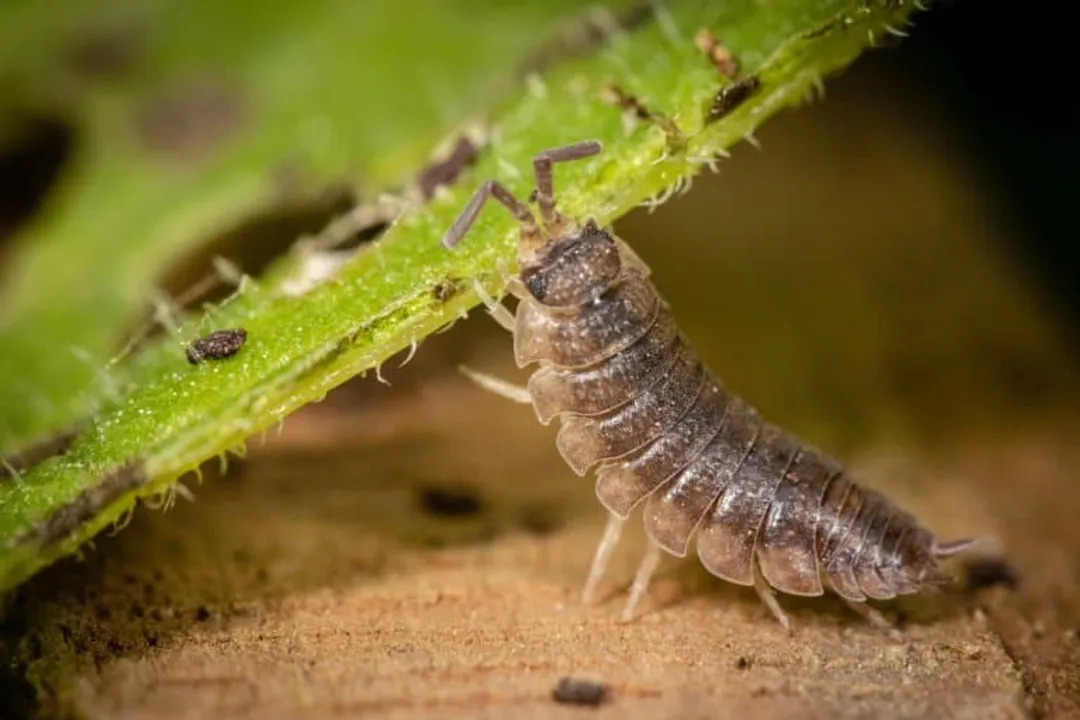
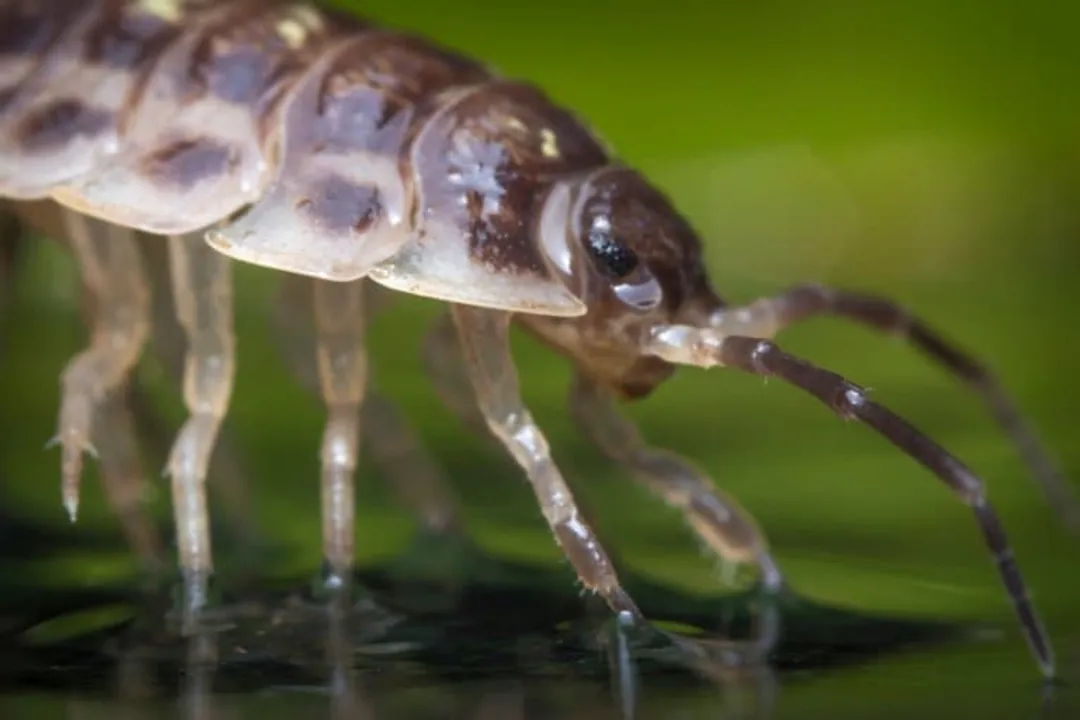
A woodlouse possesses a hard, segmented body protected by an exoskeleton that functions like armor. [1][4] They typically have seven body segments, each bearing one pair of jointed legs, resulting in 14 legs in total for an adult. [1][3][7] They also sport a pair of antennae to help navigate dark surroundings. [3][7] While many species are grayish or brownish, colors can vary significantly, with some exhibiting yellow or pinkish markings. [2][5]
As they grow, they must shed this outer covering through a process called molting. [1][7] A key characteristic that sets woodlice apart from many other arthropods is how they molt: it occurs in two distinct stages. [1][3] First, the posterior half of the body is shed, followed two or three days later by the anterior half. [1][3][5] This staggered approach is not just a quirk; it is a critical adaptation for terrestrial survival. By retaining the front half of their armor initially, the woodlouse maintains structural integrity and partial mobility, minimizing the period of extreme vulnerability that a full, single-stage molt would impose, especially in an environment where damp hiding spots can dry out rapidly. [1]
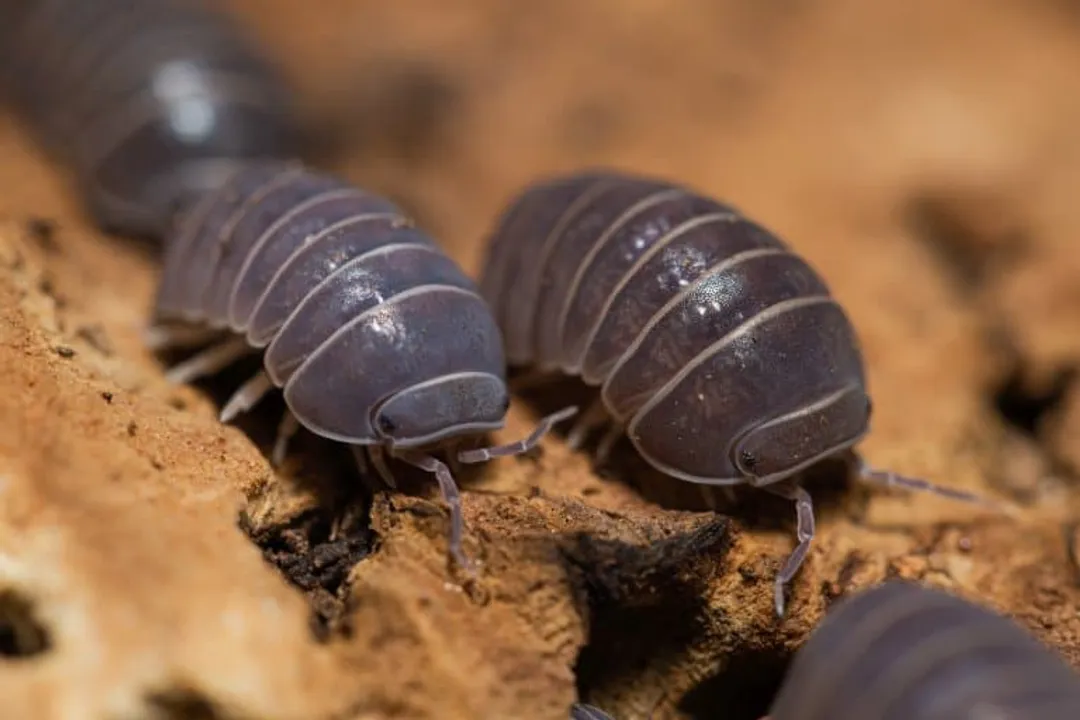
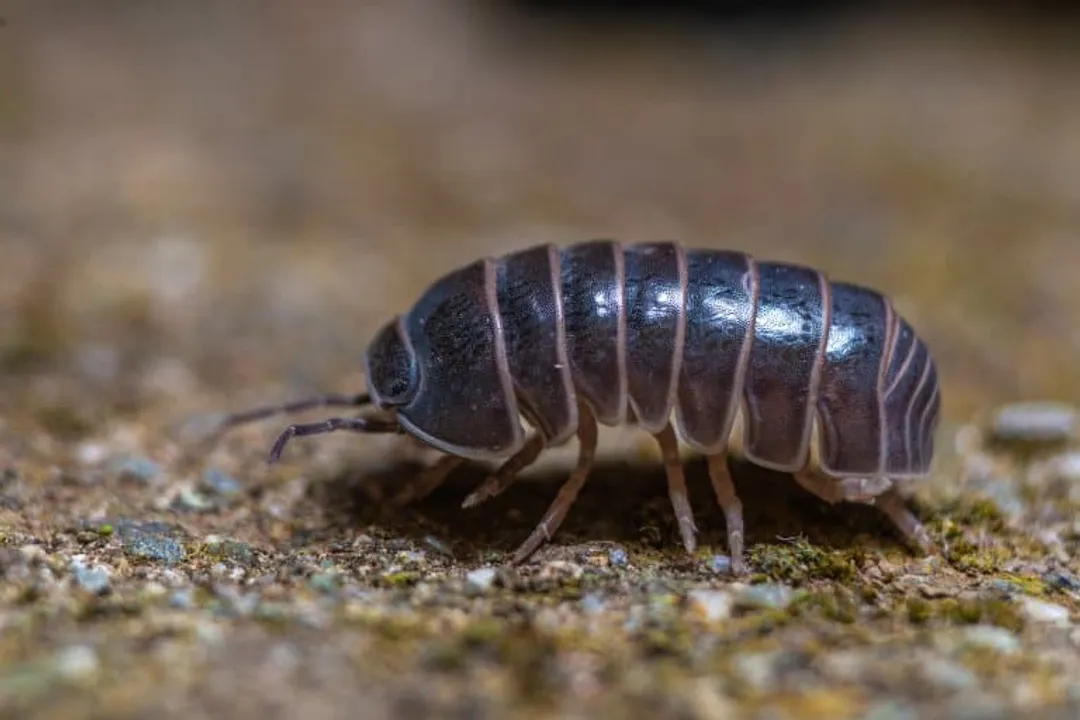
Some species, such as the common pill bug (Armadillidium vulgare), have the impressive ability to conglobate, or roll completely into a spherical shape. [1][5] This defense mechanism not only shields them from predators like spiders, toads, and centipedes, [2][3][5] but it also significantly reduces water loss, acting as a vital conservation strategy during dry spells. [1][5]
# Reproduction and Parental Care
Woodlouse reproduction involves strategies that mimic their need to secure a moist environment for their young. [5] After mating, the female carries the fertilized eggs in a specialized brood pouch, known as a marsupium, located on the underside of her body, formed by overlapping plates attached to her first five pairs of legs. [1][3] This pouch functions to provide the developing embryos with the necessary water, oxygen, and nutrients—mimicking the protective aquatic environment of their ancestors. [1][5]
The offspring hatch as mancae, which initially resemble tiny, curled-up versions of the adults but are often lacking the final pair of legs. [1][3] The mother then effectively "gives birth" to these young. [1][3] The juveniles remain close to the mother for several months, receiving continued care until they mature. [2][6] The Common Rough Woodlouse (Porcellio scaber) can produce up to three clutches annually, with each clutch potentially containing between 12 and 36 eggs. [6] A few species even possess the capability to reproduce asexually. [1]
# Ecosystem Roles
Woodlice are foundational to the health of most terrestrial ecosystems they inhabit, functioning primarily as detritivores. [1][4][5] Their diet centers on decaying organic matter, including dead plant material, leaf litter, fungi, dead animals, and even their own excrement, an act called coprophagy. [2][6]
This role as decomposers is significant. Without organisms like woodlice breaking down larger dead matter into smaller, digestible pieces, the nutrient cycle would stall, leading to an accumulation of waste and a lack of fertile soil. [5] In gardens and woodlands, they are considered excellent recyclers of vital nutrients. [2][4] The RHS specifically notes that they are largely beneficial and should be encouraged in a healthy garden environment. Compost heaps, being rich in damp, decaying matter, are often woodlouse paradises. [2][3][4]
A fascinating detail related to their diet is their blood composition. Like many marine crustaceans, woodlouse blood is copper-based. [2] Their habit of consuming their own feces (coprophagy) is a mechanism to efficiently recycle copper from their diet. [2] Furthermore, because they accumulate certain toxic heavy metals present in their environment, woodlice can serve as bioindicators of pollution in soil health studies. [1]
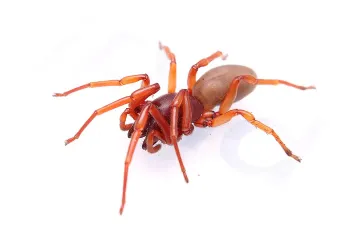
When considering their place in the food web, woodlice are a common food source for numerous predators, including shrews, mice, frogs, centipedes, ground beetles, and various spiders, most famously the woodlouse hunter spider (Dysdera crocata). [4][5]
# Garden Association versus Pest Status
While their primary role is beneficial decomposition, woodlice are occasionally implicated in garden damage, though usually as a secondary concern. [4] They are generally not known to harm healthy plants. [4] However, they may occasionally feed on very soft plant tissues, such as young seedlings, or ripened soft fruits like strawberries. [1][4] If damage is observed on older, tougher plant material, the cause is more likely slugs, snails, or caterpillars. [4]
The main indicator a gardener might receive from finding woodlice is related to moisture. Large numbers congregating indoors often signify underlying dampness issues, as they seek refuge from drying conditions. [1][4] They are not considered a serious household pest because they do not spread disease and cause no damage to sound structures or dry wood. [1]
A crucial area for gardeners and ecologists alike is distinguishing between the common woodlouse types, particularly the pill bug (Armadillidium species) and the pill millipede, as they share habitat and defense mechanisms. [1][7]
| Feature | Woodlouse (Pill Bug Isopod) | Pill Millipede |
|---|---|---|
| Legs | 7 pairs (14 total) [1][3][7] | 9 or 8 pairs (17 or 19 total) [1] |
| Body Segments | 7 thoracic segments + 5 abdominal [1] | 12 total body segments (no visually defined thorax) [1] |
| Defense | Rolls into a ball (conglobates) [1][5] | Rolls into a ball (convergent evolution) [1] |
| Uropods | Small tubes sticking out the back [3] | N/A [1] |
If you are managing a small, contained environment, such as a bioactive terrarium, woodlice are kept precisely because of their role as decomposers, requiring minimal specialized care beyond humidity and food scraps. [5]
# Beyond the Common Species
While the Common Rough Woodlouse (Porcellio scaber) is frequently encountered due to its rugged nature and widespread distribution across the UK, [2][6] the British Isles host a variety of woodlice. Oniscus asellus (the common shiny woodlouse) and Philoscia muscorum (the common striped woodlouse) are also common residents. [7] The Armadillidium vulgare (common pill bug) is recognized for its rolling ability, and the tiny Trichoniscus pusillus (common pygmy woodlouse) represents the smaller end of the scale. [7]
It is interesting to consider how environmental conditions influence which species you encounter. For instance, the common rough woodlouse is noted for its resilience, tolerating salty and comparatively dry conditions found near coastlines, which has likely aided its accidental transport across the globe to every continent except Antarctica. [2] Conversely, in extremely damp microclimates, you might find species adapted to near-aquatic life, showing the full spectrum of terrestrial adaptation within the order. [1]
When observing woodlice activity in your local garden or woodland, you might notice that individuals seem to prefer certain types of decay. For instance, in a mixed compost heap, observing which woodlouse species congregates most thickly around pine needles versus aged vegetable peelings could offer a subtle indicator of decomposition rate, as species can have slight preferences for material moisture content or chemical composition. [6] This level of species-specific feeding behavior, though requiring close observation, moves beyond general ecological benefit to offer actionable micro-data for dedicated composters.
The fact that woodlice evolved on land without a waxy layer forced an evolutionary compromise: the two-stage molt. If you are tending to a damp, sheltered area, watching for signs of a recent molt—the presence of two distinct pieces of shed shell—tells you the individual is currently in a delicate state. Since their survival hinges on moisture to facilitate gaseous exchange through their pleopodal lungs, and they cannot seal themselves completely during the half-shed phase, quick access to deep, consistent dampness is essential for their immediate survival following the first shedding event. [1] This vulnerability, an echo of their aquatic ancestry, makes the preservation of humid, stable ground cover one of the most important ecological services any gardener can provide for these essential recyclers.
Related Questions
#Citations
Woodlouse - Wikipedia
6 common rough woodlouse facts you need to know - Discover Wildlife
[PDF] Woodlice fact sheet - Waltham Forest
Common woodlouse | The Wildlife Trusts
11 Wondrous Woodlouse Facts - Fact Animal
Common Rough Woodlouse (P. scaber) - Woodland Trust
Woodlouse Facts for Kids
Woodlice: Identification, Care & Tips | RHS Advice